
Sebnitz
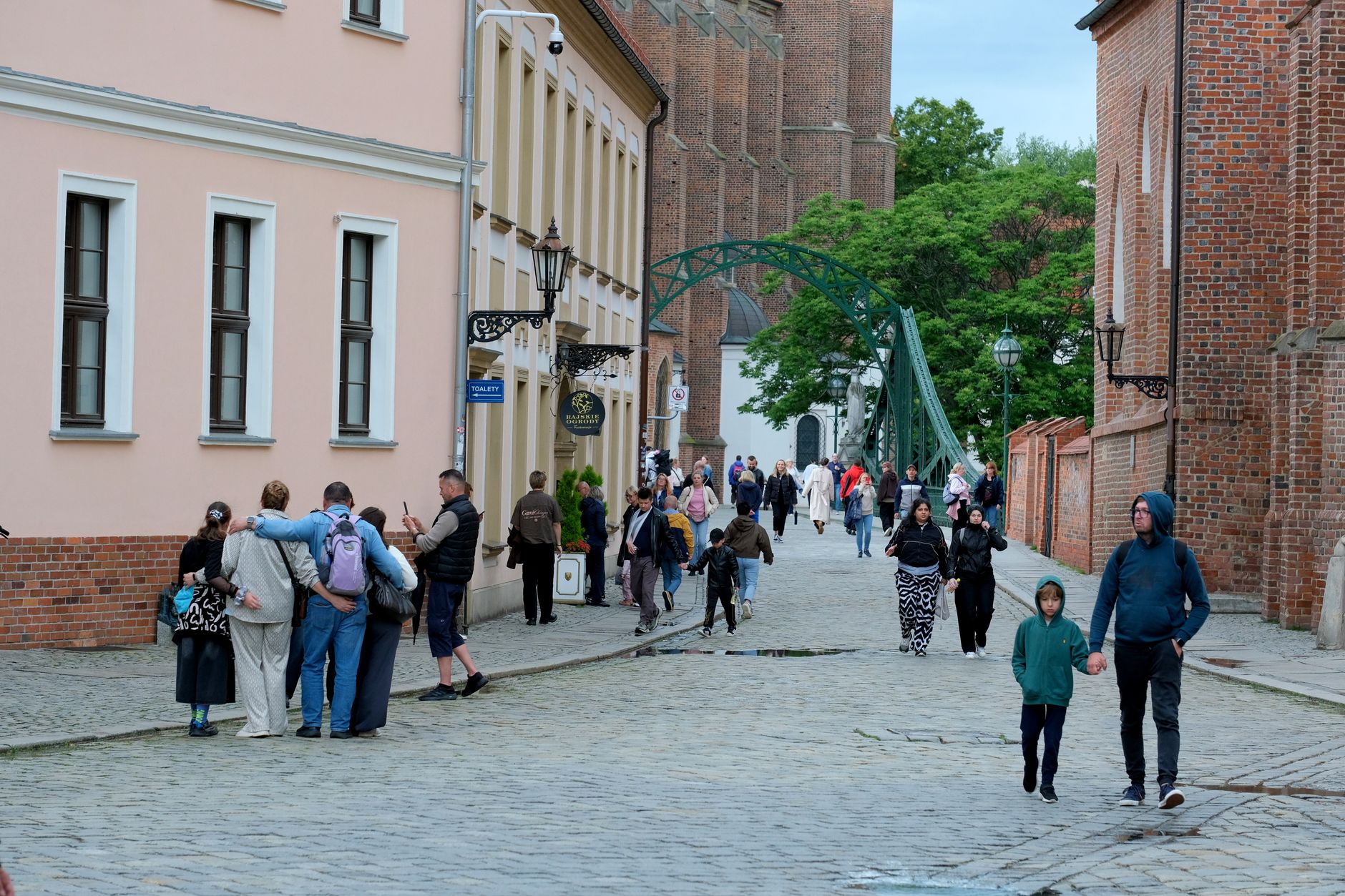
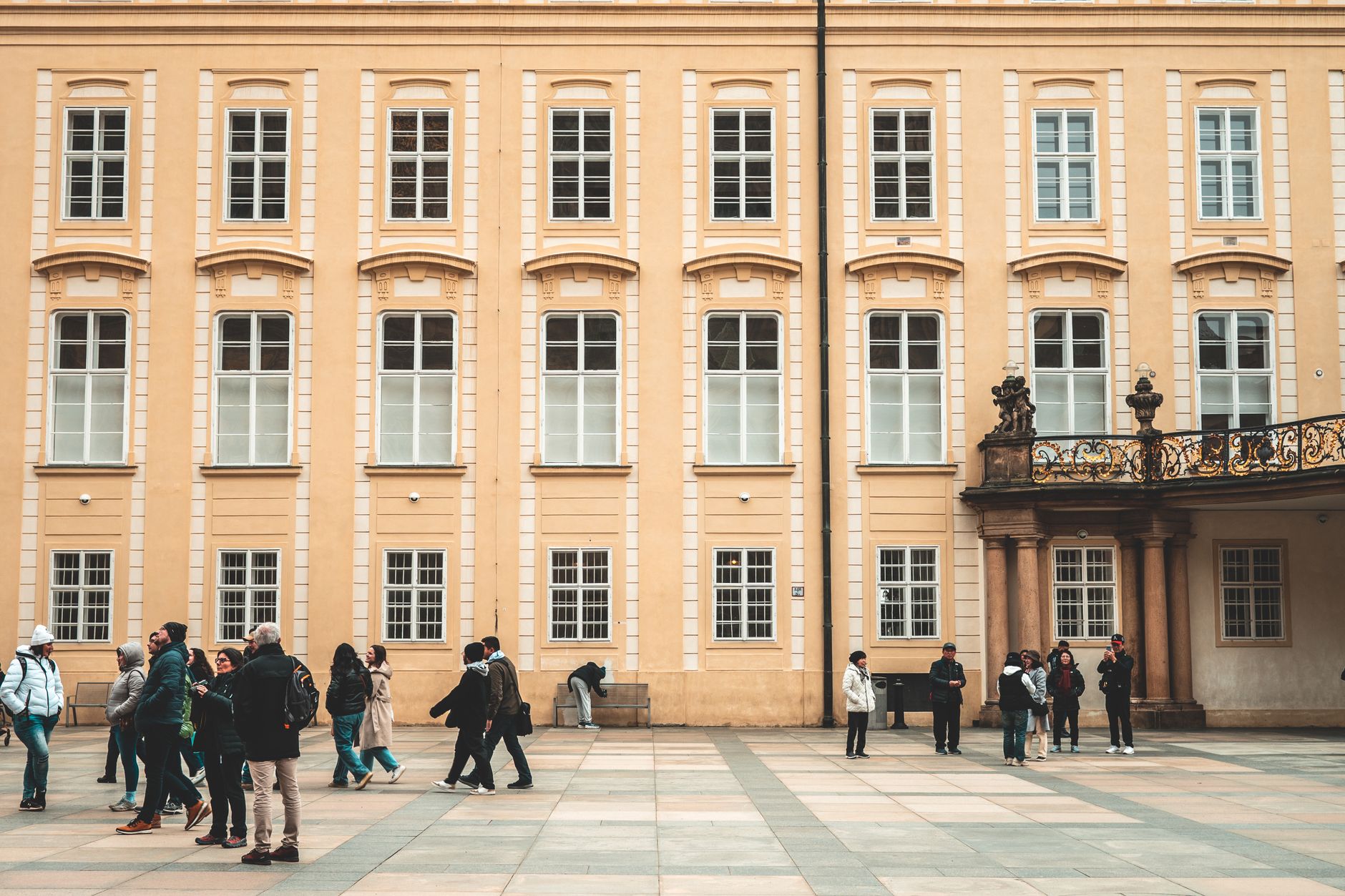
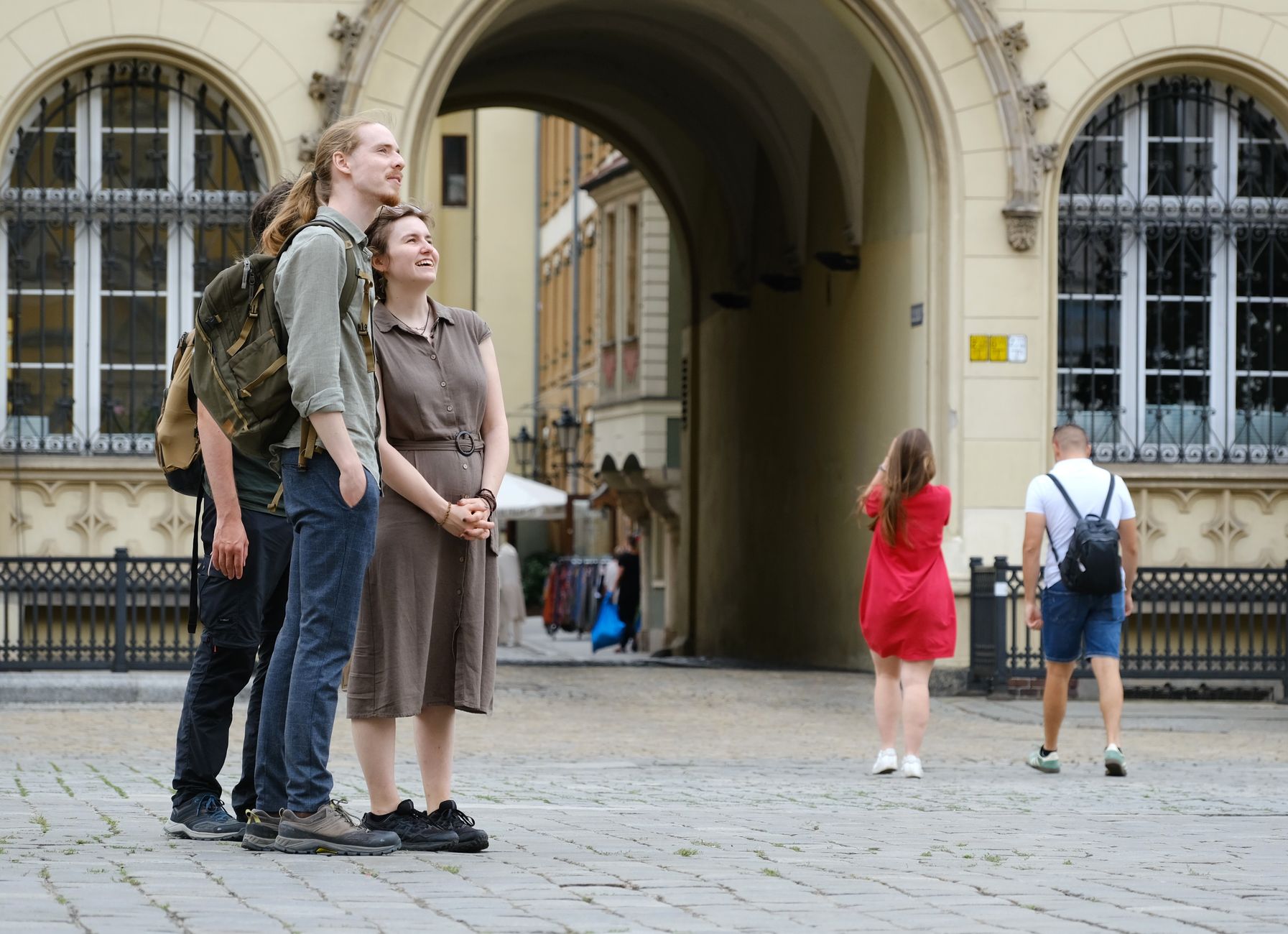
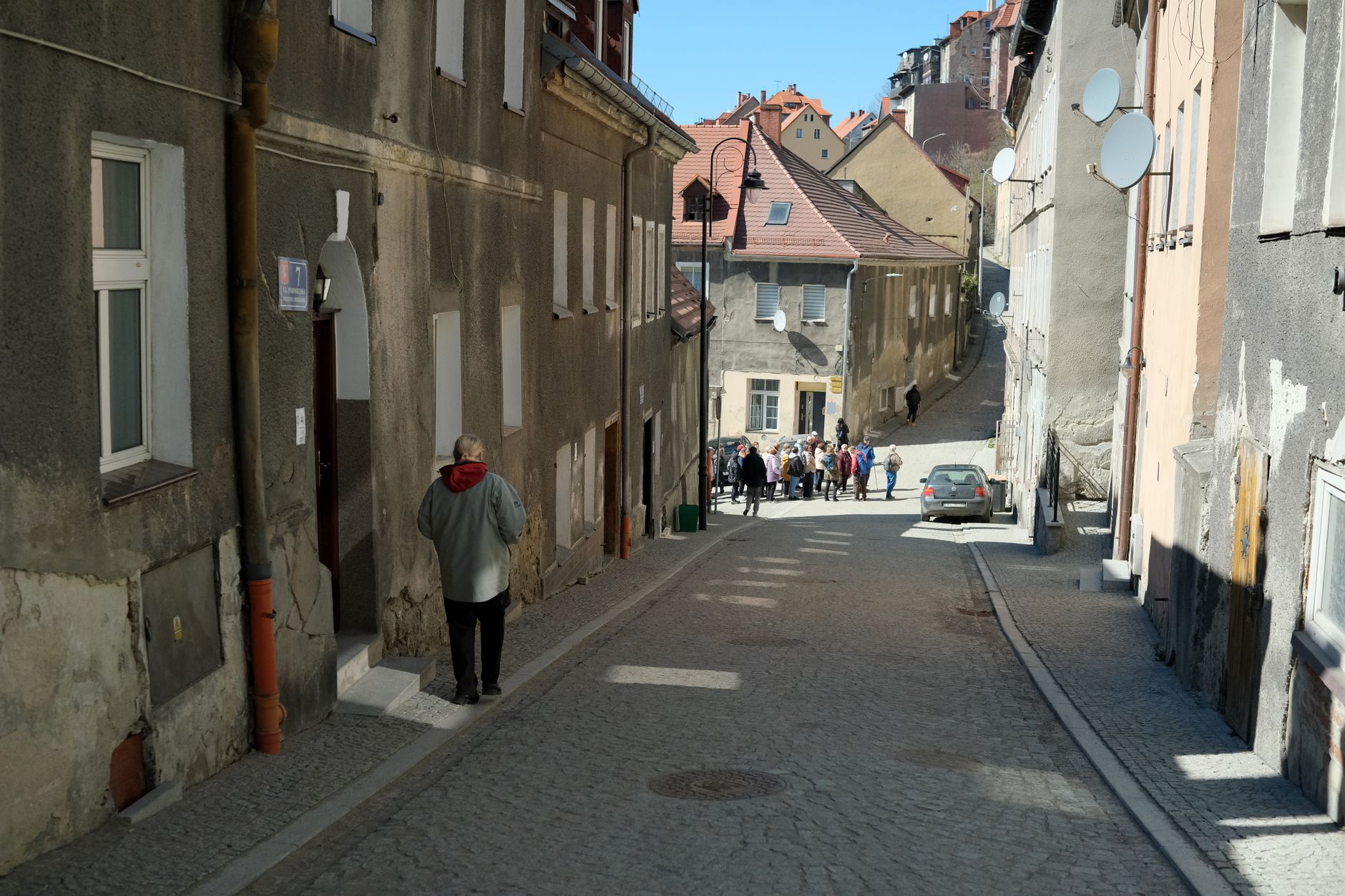
Sebnitz sits in a river valley on the German-Czech border, where the Elbe Sandstone Mountains give way to the Lusatian uplands, and it has been making artificial flowers since 1834. That detail sounds minor until you walk into the Deutsche Kunstblume factory and realise an entire town's economic identity — its 19th-century rise, its surviving industry — is tied to foam petals and silk blooms. People call it the silk flower town, and that particular strangeness is worth the trip on its own.
Beyond the flowers, Sebnitz rewards slow attention: a wooden observation tower 36 metres up, a Prehistoric Park filled with enormous sculptures, and a local history museum in an 18th-century building that quietly holds the town's longer story.
💛 What travellers fall for
People who come back tend to mention the train from Bad Schandau — the cross-border DB Regio service that rolls in through the valley and drops you right at Bahnhofstrasse. They also mention Hinterhermsdorf, the village that joined the municipality in 1998, as a reason to stay an extra half-day rather than treating Sebnitz as a quick stop.
Deals in Sebnitz
Book directly at the provider


How Sebnitz came to be
German farmers from the Maingau region — Franconian colonists from the area around Bamberg and Würzburg — settled here around 1240 as part of the medieval eastward expansion. The town's first documentary appearance comes in 1359, and by 1451 it was recorded as a town proper. A town hall built in 1714–1715 anchored the centre until a fire in 1854 took it and much else with it.
The 18th century brought lace production, which seeded the town's economic confidence. Then, in 1834, artificial flower manufacturing was established, and by around 1900 Sebnitz had become a recognised centre of that craft. The industry outlasted empires and political systems both, and a working factory still operates today.
Who and what shaped it
People who shaped it
Landmark buildings
See Sebnitz in motion
Plan your visit
On the map
When to go
Summers are comfortable — July averages a high of 24°C and offers around seven and a half hours of sun a day, though it is also the wettest month. Winters are cold and mostly cloudy, with January maxima around 3°C and limited daylight, so unless you are after snow-covered valley scenery, the warmer months suit a visit better.
Right now
Background & history adapted from Wikipedia (CC BY-SA) · specs from Wikidata (CC0) · weather from Open-Meteo · map data © OpenStreetMap contributors · photos from Wikimedia Commons / Unsplash with per-image credit. No third-party reviews or social posts reproduced.