
Schmalkalden
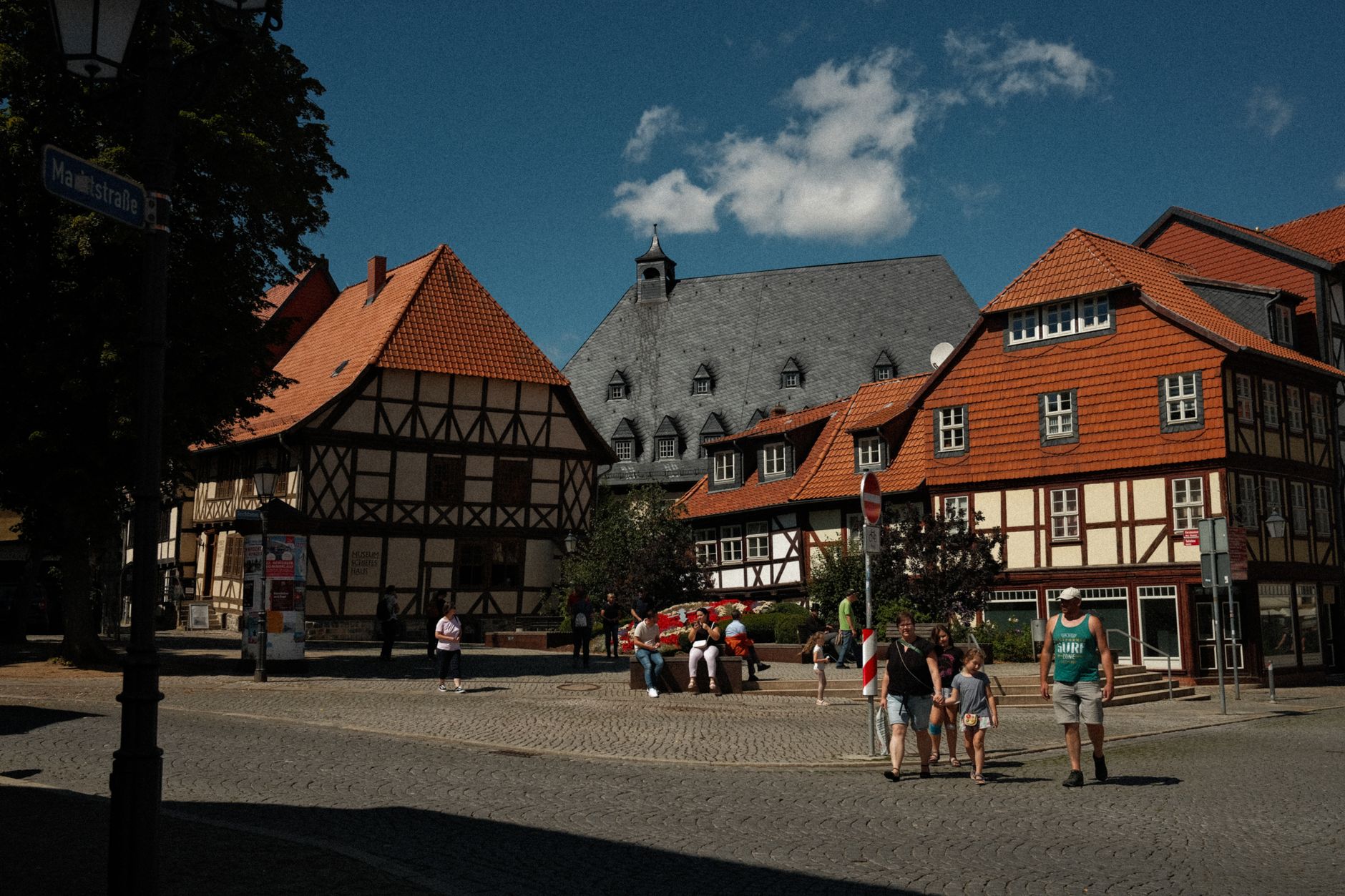
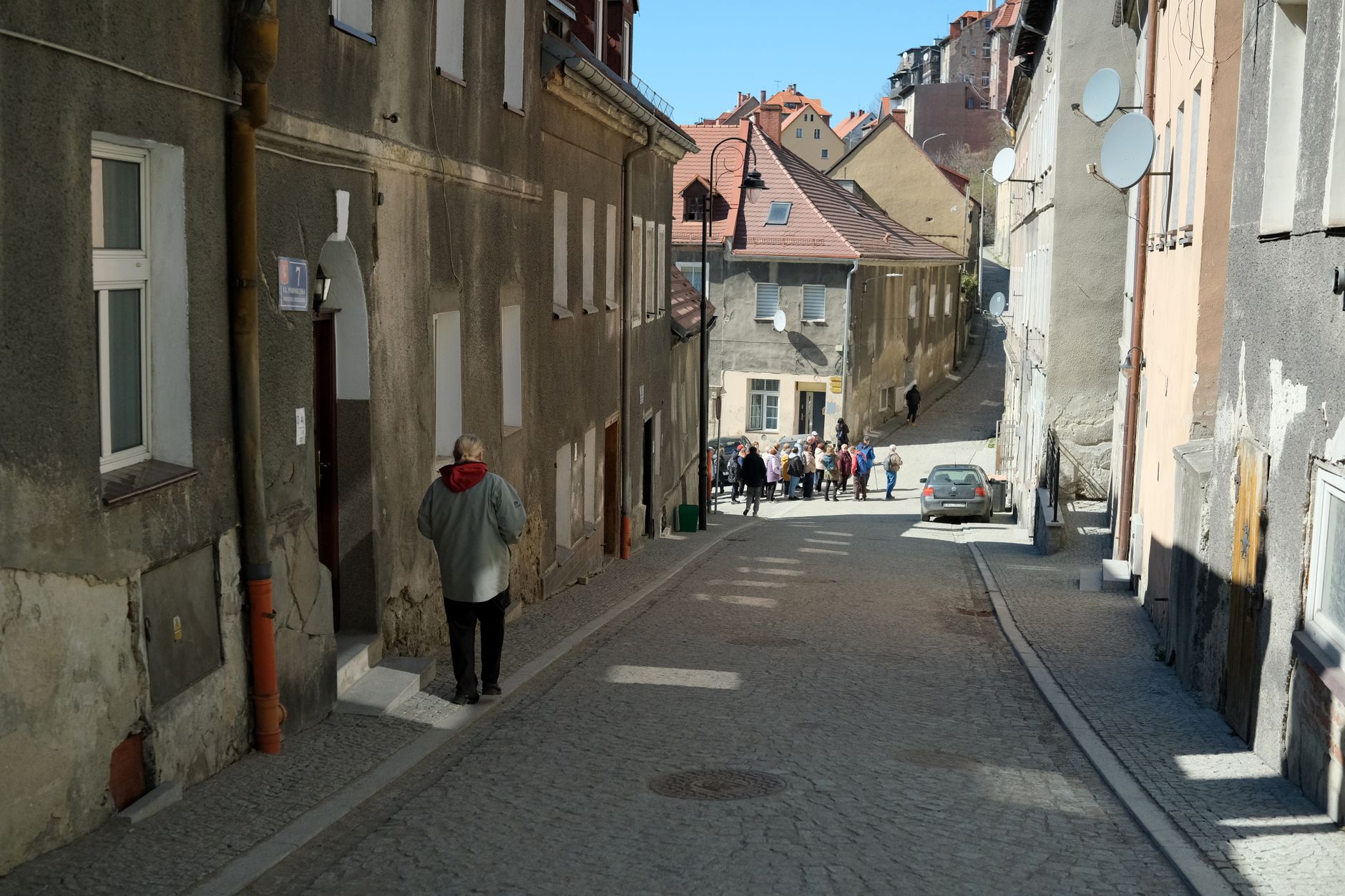
Stand in Schmalkalden's market square and you're looking at a town that reshaped European history from a half-timbered room. In February 1537, Martin Luther lodged here for nineteen days while Protestant princes debated the future of their alliance — the same Schmalkaldic League that had been sealed in the town hall six years earlier. The square hasn't forgotten any of it.
The town sits in a fold of the Thuringian Forest, its old core dense with timber-framed houses and anchored by a late-Gothic church and a Renaissance castle that somehow survived the twentieth century largely intact. It's a small place, walkable in an afternoon, but the layers run deep.
💛 What travellers fall for
People who come back tend to mention the same two things: the castle chapel at Wilhelmsburg, where the original wall paintings still cover every surface, and the Finstertal mine, where the iron-ore workings go quiet in a way that makes the history feel immediate. Book the mine visit ahead in summer — groups fill the slots fast.
Deals in Schmalkalden
Book directly at the provider


How Schmalkalden came to be
Schmalkalden appears in the historical record as early as 874 and had become a town by around 1180. Its defining moment came on 27 February 1531, when Philip I of Hesse and John Frederick I of Saxony formally established the Schmalkaldic League here — a Protestant defensive alliance that would set the terms of the Reformation's political struggle for a generation. Luther himself arrived in 1537 for what proved the League's most consequential meeting, staying in a half-timbered house that still stands.
When the Henneberg line died out in 1583, Landgrave William IV of Hesse-Kassel inherited the town and promptly made it a secondary residence, commissioning Wilhelmsburg Castle, completed by 1590. The lordship remained an exclave of Hesse for centuries — a geographical oddity — passing through Prussian hands before finally becoming part of Thuringia in 1945. World War II left scars, though the historic core survived well enough to read as a coherent whole.
Who and what shaped it
People who shaped it
Landmark buildings
See Schmalkalden in motion
Plan your visit
On the map
When to go
Summers are mild — July averages around 22°C — though it's also the wettest month, with rain on roughly half the days. Winter is cold and genuinely snowy, with January temperatures that regularly dip below freezing; if you visit then, the short church opening hours (11am–noon and 2–3pm) are worth planning around.
Right now
Background & history adapted from Wikipedia (CC BY-SA) · specs from Wikidata (CC0) · weather from Open-Meteo · map data © OpenStreetMap contributors · photos from Wikimedia Commons / Unsplash with per-image credit. No third-party reviews or social posts reproduced.