
Schiltach
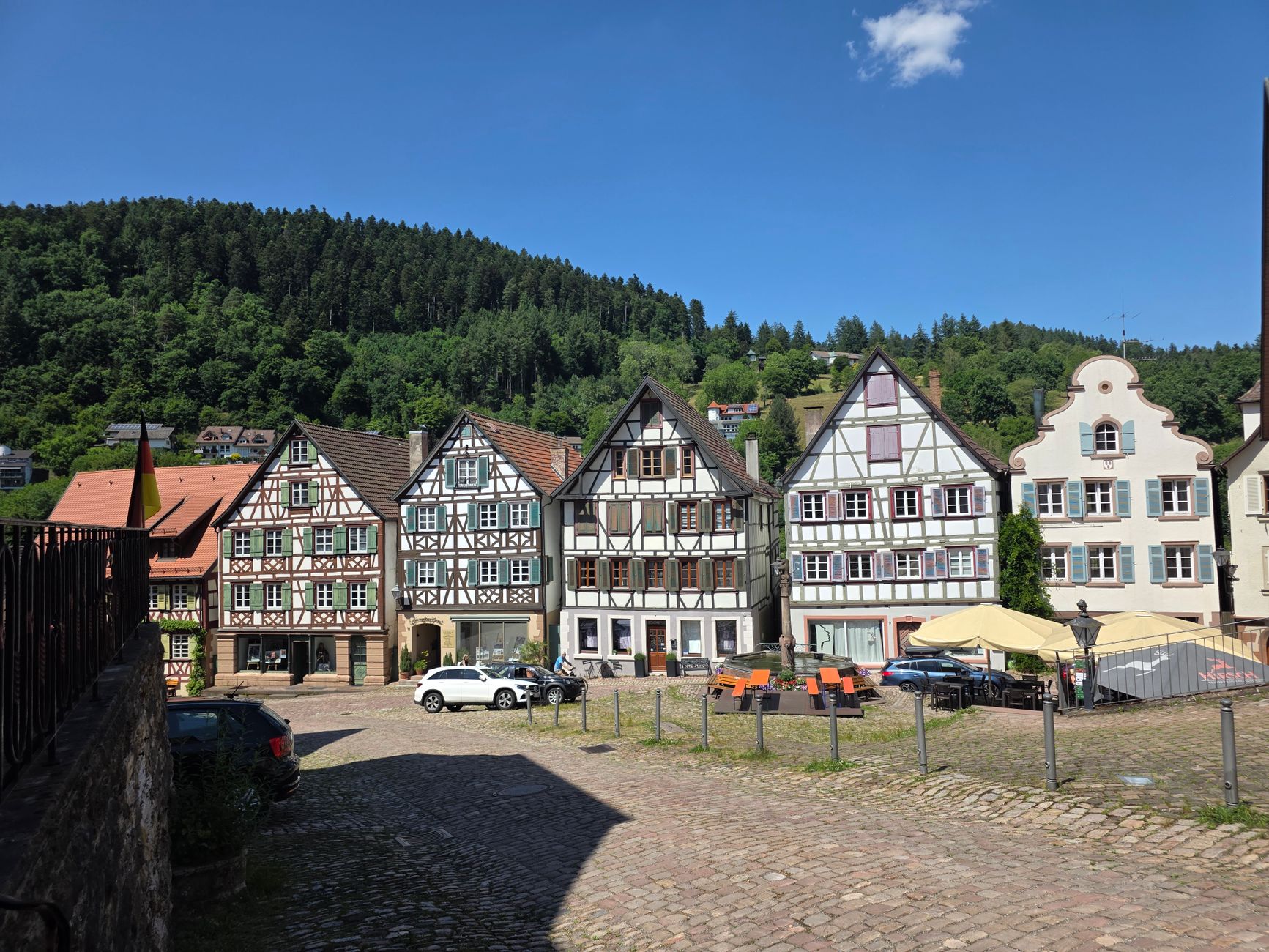
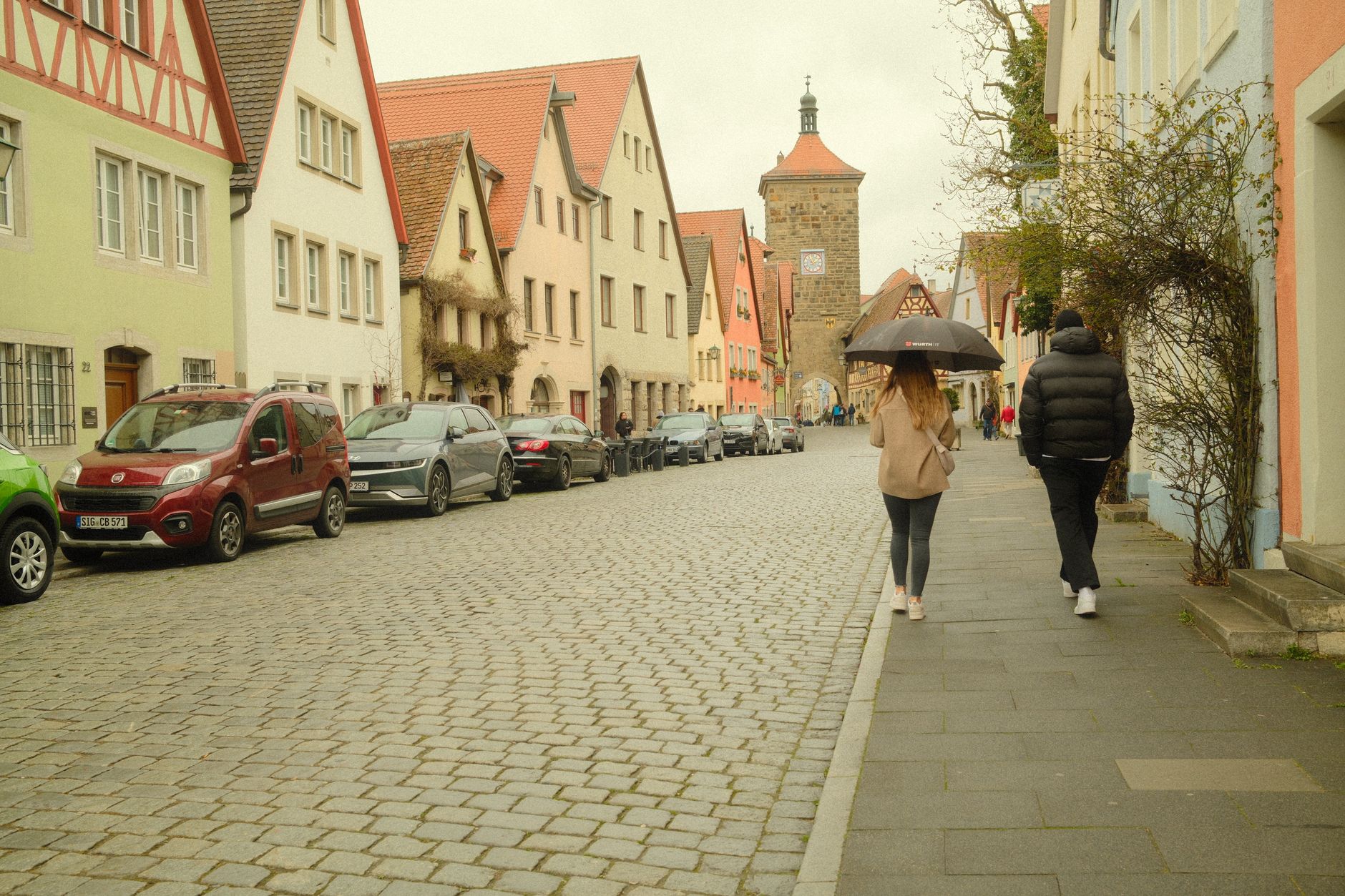
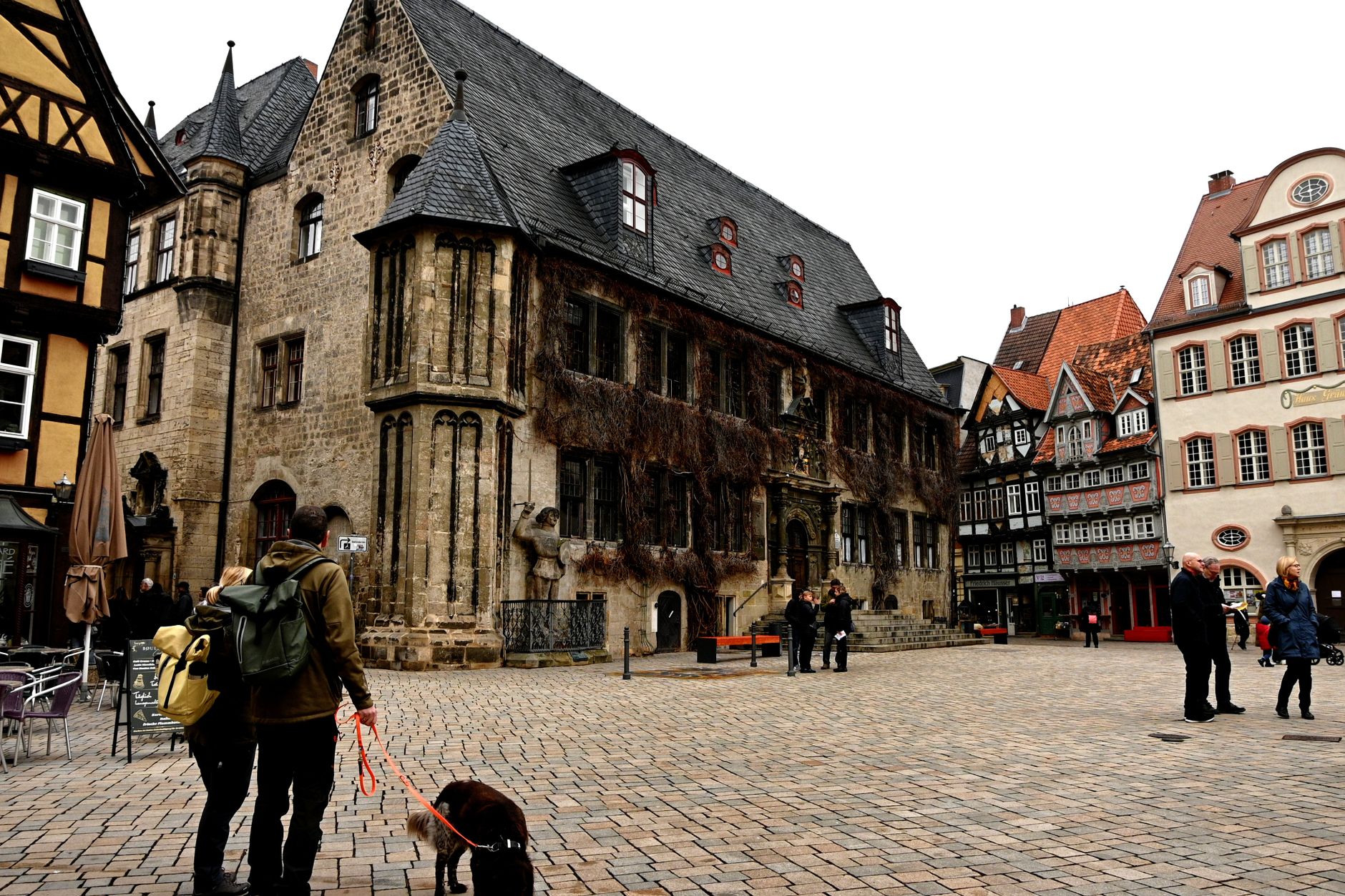
Stand at the top of Schiltach's market square and the town hall holds your eye — its painted gable rising above the triangle of half-timbered facades below, the whole composition unchanged in its essentials since 1593. The two rivers, the Schiltach and the Kinzig, meet at the foot of the hill, and you can trace the logic of the place in about twenty minutes on foot: a medieval trading stop, a mill, a church, a row of timber houses that survived fire after fire by simply being rebuilt in the same form.
What Schiltach offers is proportion. The old town is small enough to read in an afternoon, dense enough with actual history — rafters, tanners, a pharmacist's shop frozen in Biedermeier amber, a shower-fitting company that started as a one-man metal workshop — that you leave knowing something you didn't before.
💛 What travellers fall for
People who come back tend to mention the Pharmacy Museum unprompted — not because it's grand, but because the root-wood cabinetry from 1837 is still exactly where it was when the shop closed in 1985. It's the kind of detail that makes the rest of the town's layers feel just as legible.
Deals in Schiltach
Book directly at the provider
How Schiltach came to be
The Dukes of Teck founded Schiltach around the mid-13th century as a fortified waypoint — somewhere goods and travellers could pause before the road dropped south toward Rottweil. They raised a wall, gates, and a castle on the 417-metre Schlossberg above the town. The town's first written record comes in 1275. Schiltach changed hands in 1371 to the Dukes of Urslingen, who sold it a decade later, strapped for cash, to the Dukes of Württemberg. Fire was the recurring fact of life in a town built from timber; the market square and church were destroyed and rebuilt more than once over the centuries.
The rivers shaped the economy as much as the roads did. Tanners and log-rafters worked the Kinzig for centuries, floating timber down toward the Rhine. The railway arrived in the late 19th century, ending the river trade but opening wider markets for the small workshops that had grown up nearby. One of those workshops was Hans Grohe's, founded in 1901 after the cloth-maker arrived from elsewhere in 1899 — a craft operation that eventually became Hansgrohe, still headquartered here.
Who and what shaped it
People who shaped it
Landmark buildings
See Schiltach in motion
Plan your visit
On the map
When to go
Schiltach sits in a valley with an oceanic climate and meaningful rainfall — over 1,300 mm a year, peaking in May. June through August brings the most reliably warm and walkable days; winters are cold and wet, though the enclosed streets of the old town make for decent shelter.
Right now
Background & history adapted from Wikipedia (CC BY-SA) · specs from Wikidata (CC0) · weather from Open-Meteo · map data © OpenStreetMap contributors · photos from Wikimedia Commons / Unsplash with per-image credit. No third-party reviews or social posts reproduced.