
Schiermonnikoog
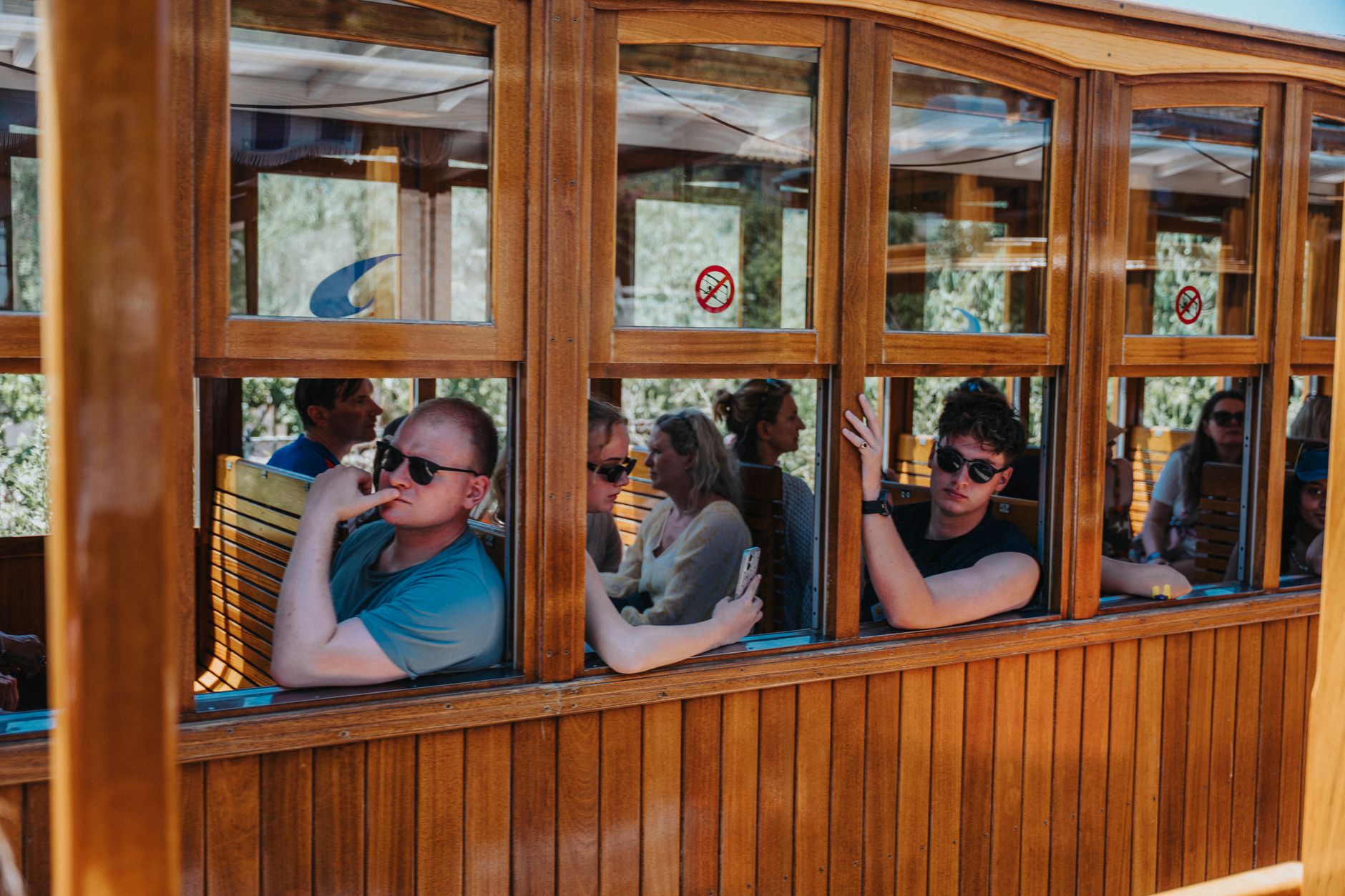
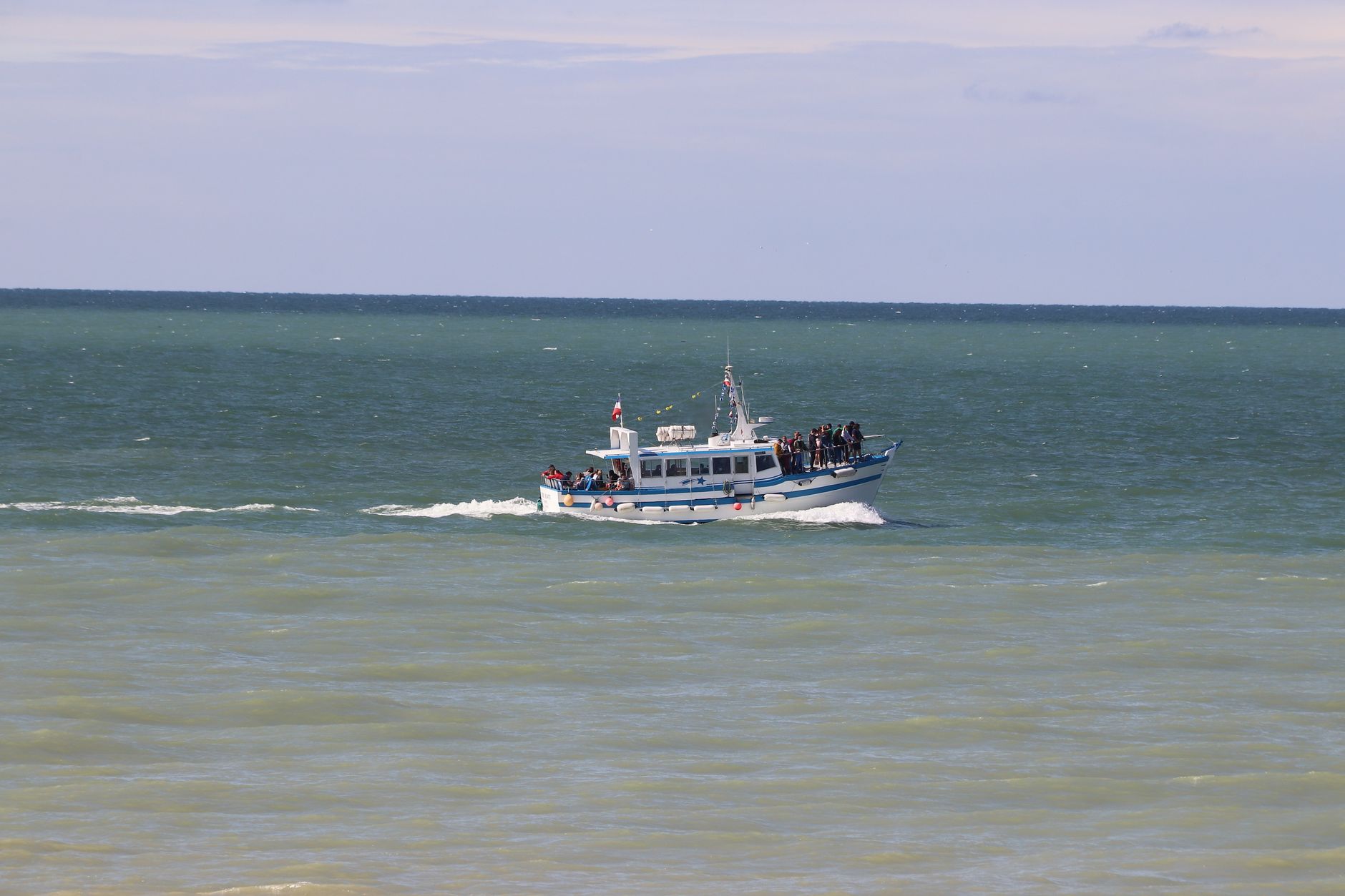
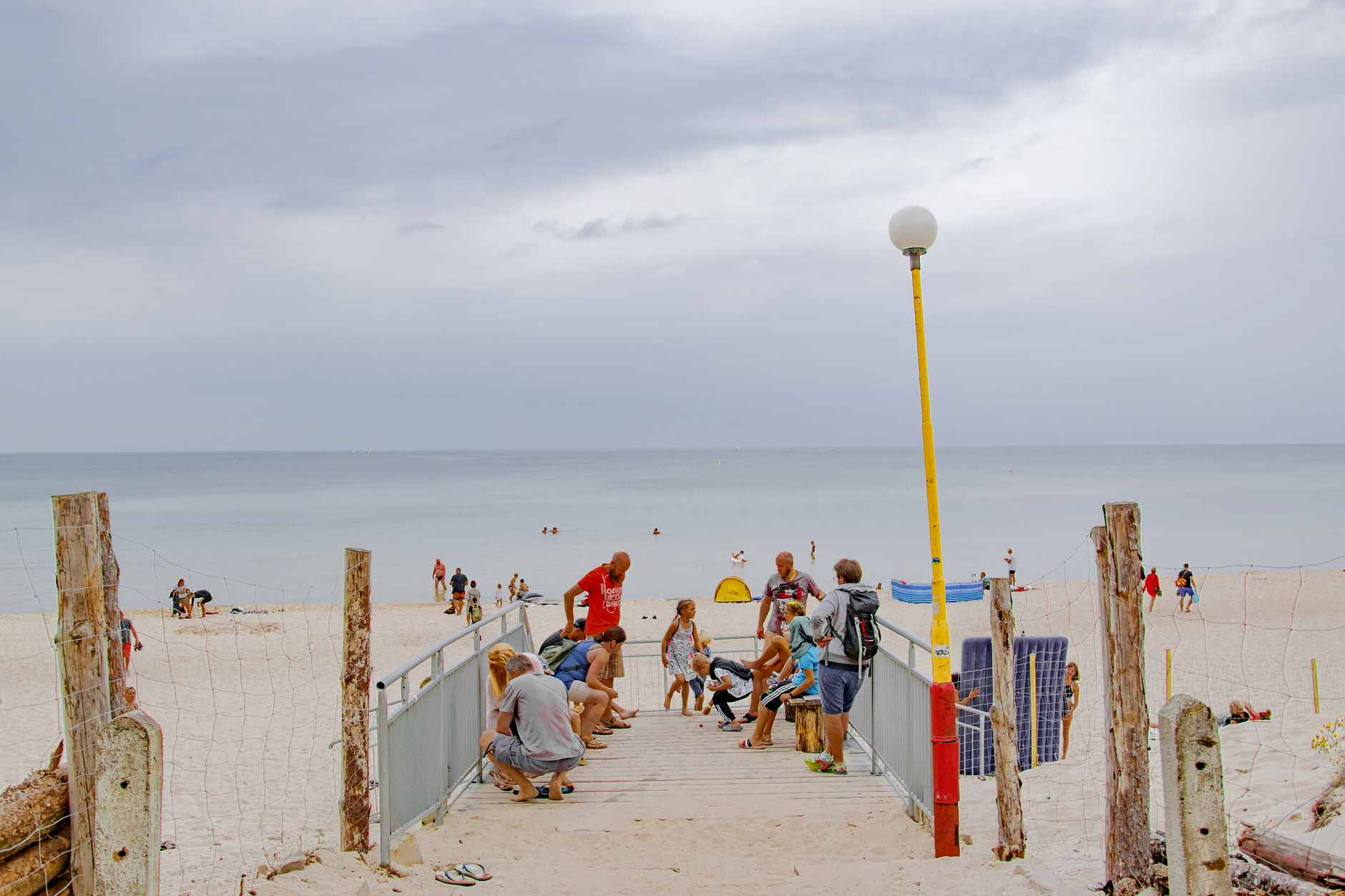
The name gives it away before you even arrive: Schiermonnikoog means Grey Monk Island, and the Cistercian monks who first settled here left their mark not just in the etymology but in the island's unhurried tempo. It sits in the Wadden Sea off the Frisian coast of the Netherlands — 16 kilometres long, 4 wide, with sand dunes cresting at a modest 20 metres — and has been a national park since 1989.
The single village carries the island's name. Its oldest streets date to 1756, when residents rebuilt eastward after storms swallowed their previous town entirely. Cars are largely absent. The buses run on electricity, supplied since 2013 by six Chinese BYD vehicles on a 15-year contract — a quietly radical choice for a place that otherwise moves at the pace of the tides.
💛 What travellers fall for
People who come back tend to head straight for the Noordertoren, the red lighthouse from 1854 that still burns around the clock. They also linger at the village centre longer than planned, partly because of the blue whale jawbone displayed there — shot in the Antarctic in 1950 by an islander — which stops every conversation cold.
Deals in Schiermonnikoog
Book directly at the provider

How Schiermonnikoog came to be
The island's first recorded mention is October 1440, in a document drawn up for Philip the Good, but Cistercian monks from Klaarkamp Abbey on the mainland had been working the land well before that. After the Reformation dissolved the monasteries, the States of Friesland took ownership in 1580, then sold it around 1640 to the Stachouwer family. Three centuries of private hands followed.
The sea kept reshaping the human story. Storms in 1717 and 1720 flooded Westerburen, the largest settlement, and by 1725 drifting sand and an advancing shoreline had finished what the water started. Residents rebuilt eastward, founding the current village in 1756. In May 1940 the Wehrmacht occupied the island and fortified it as part of the Atlantic Wall, with German troops matching the native population of around 600. It was the last piece of the Netherlands liberated from Axis occupation — by Canadian forces on 11 June 1945. The Dutch government subsequently confiscated the island from its then-owner, Bechtold Eugen von Bernstorff, as enemy property.
Who and what shaped it
People who shaped it
Landmark buildings
See Schiermonnikoog in motion
Plan your visit
On the map
When to go
Wadden Sea weather is North Sea weather: wind is the constant, rain arrives without much notice, and summers are mild rather than warm, with July and August averaging around 17–19°C. Winter crossings can be rough, and the island feels genuinely remote from November through March — which is precisely why some visitors prefer it then.
Right now
Background & history adapted from Wikipedia (CC BY-SA) · specs from Wikidata (CC0) · weather from Open-Meteo · map data © OpenStreetMap contributors · photos from Wikimedia Commons / Unsplash with per-image credit. No third-party reviews or social posts reproduced.