
Scala
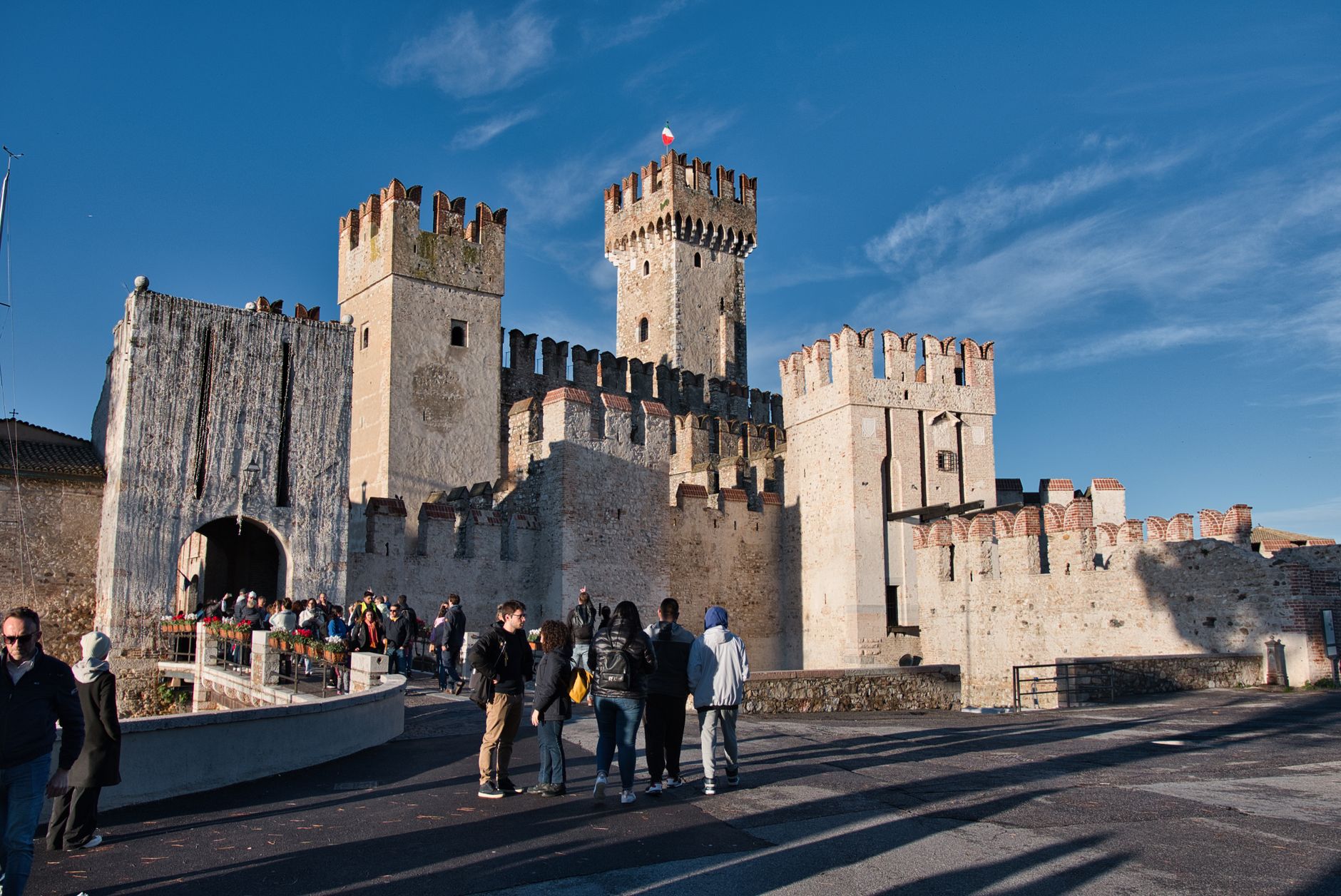
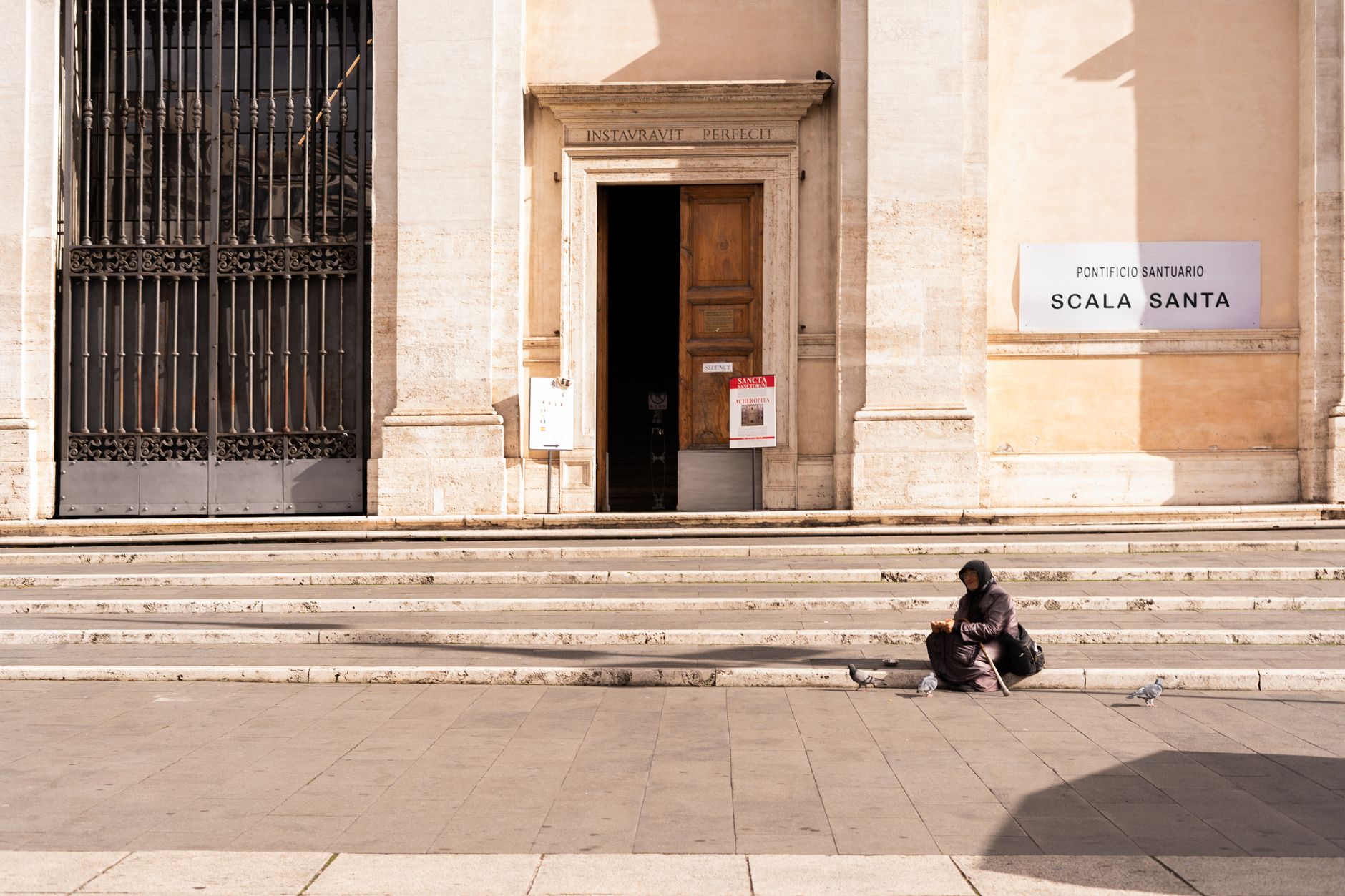
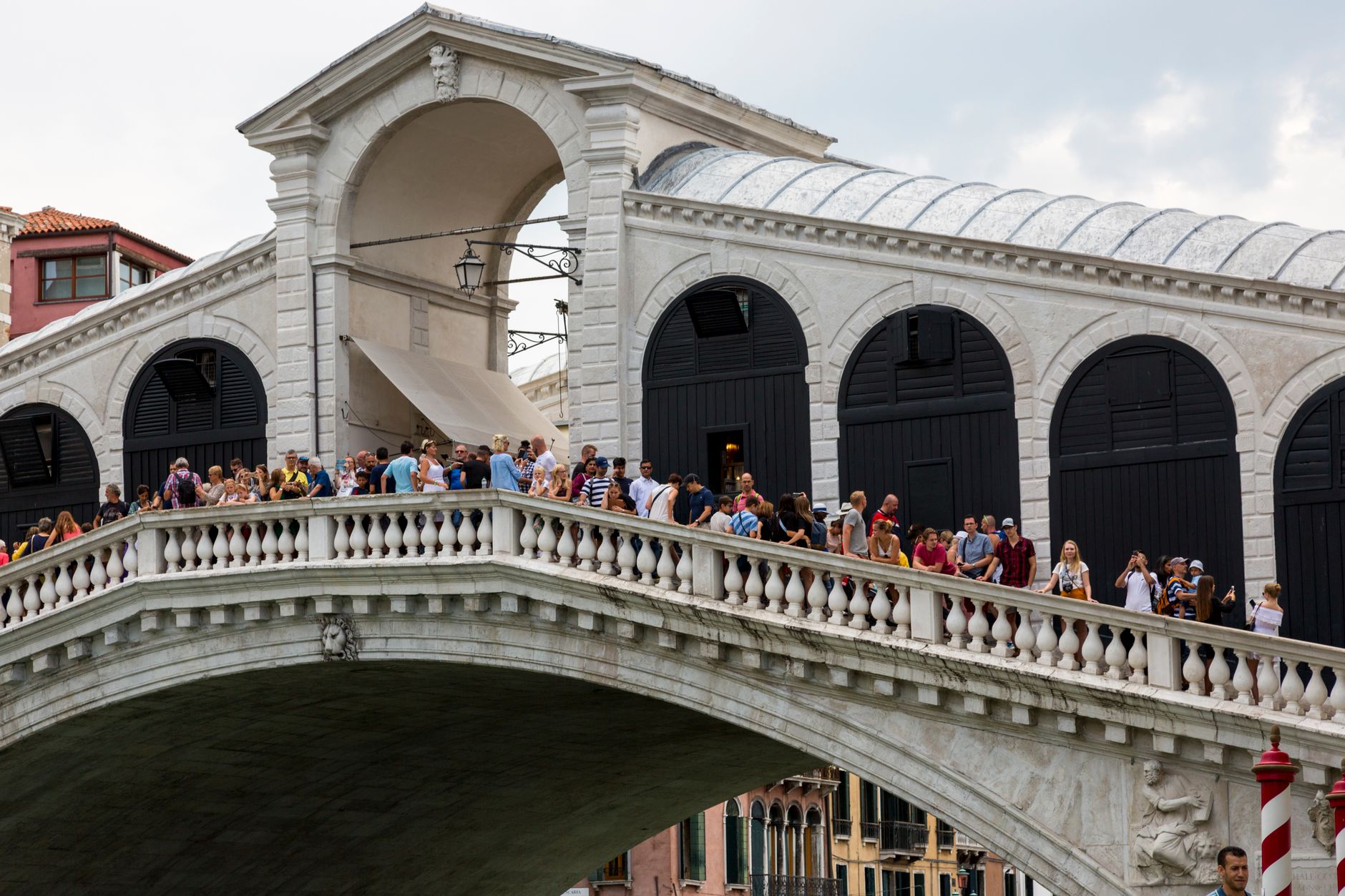
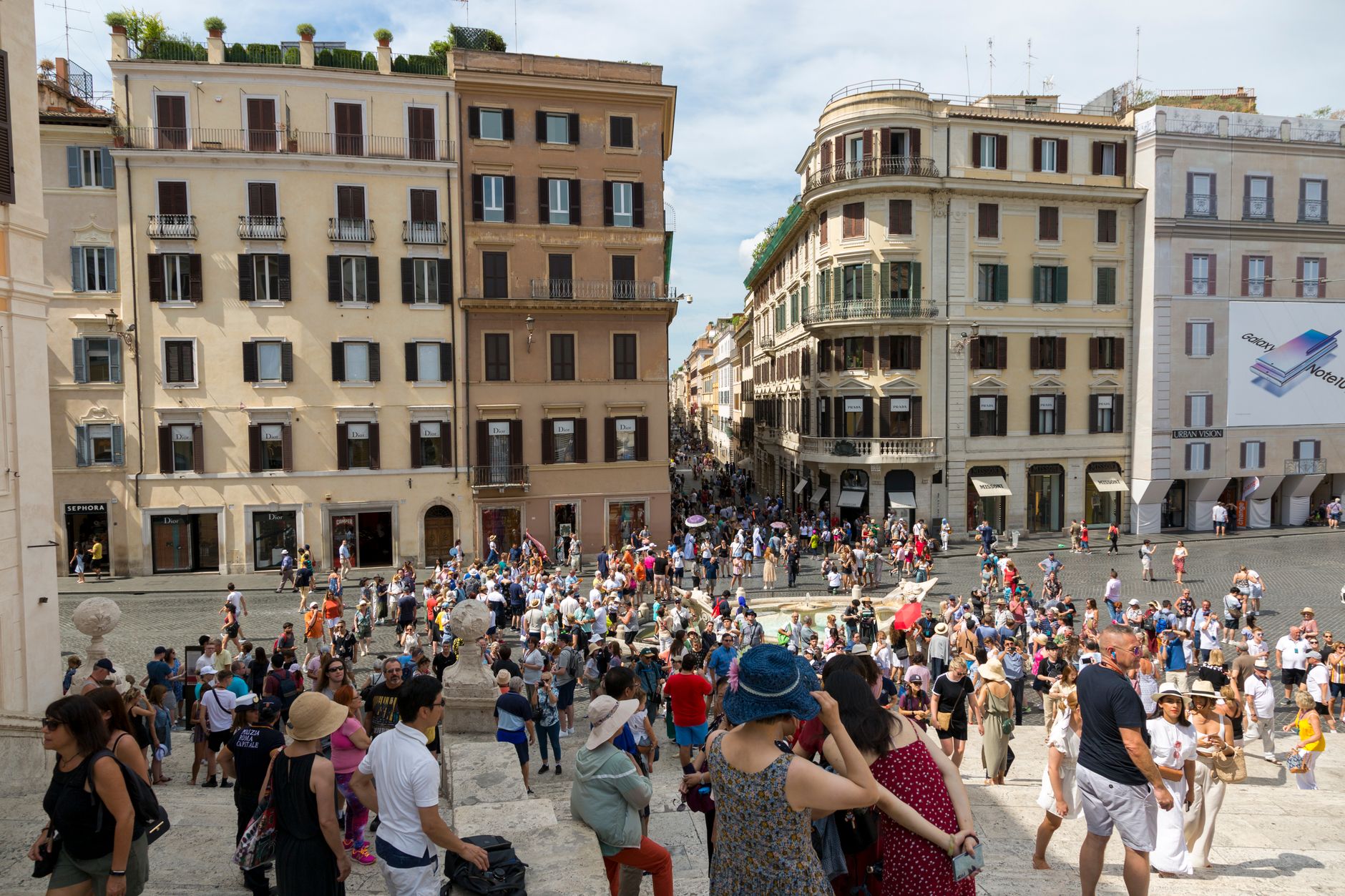
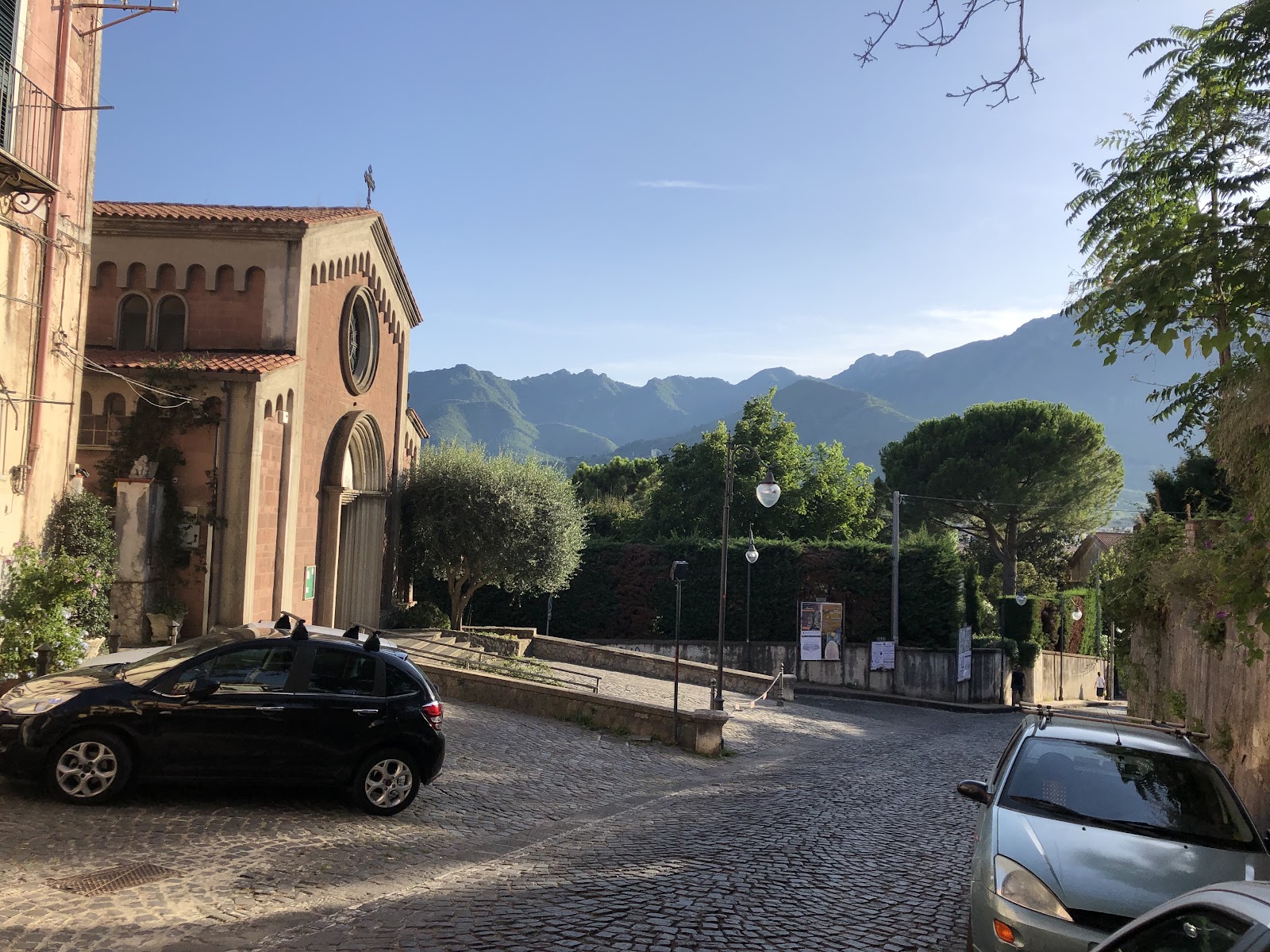
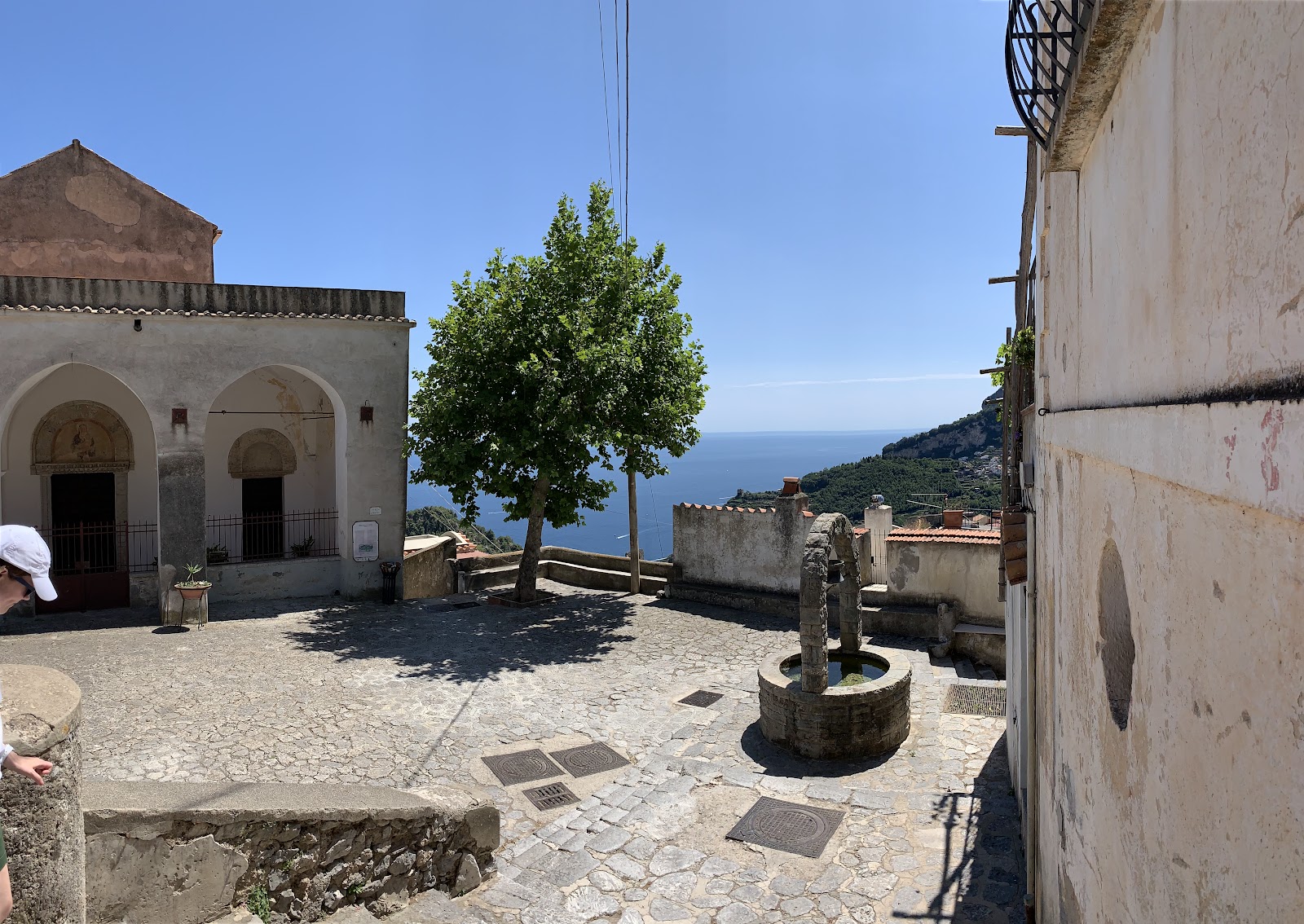
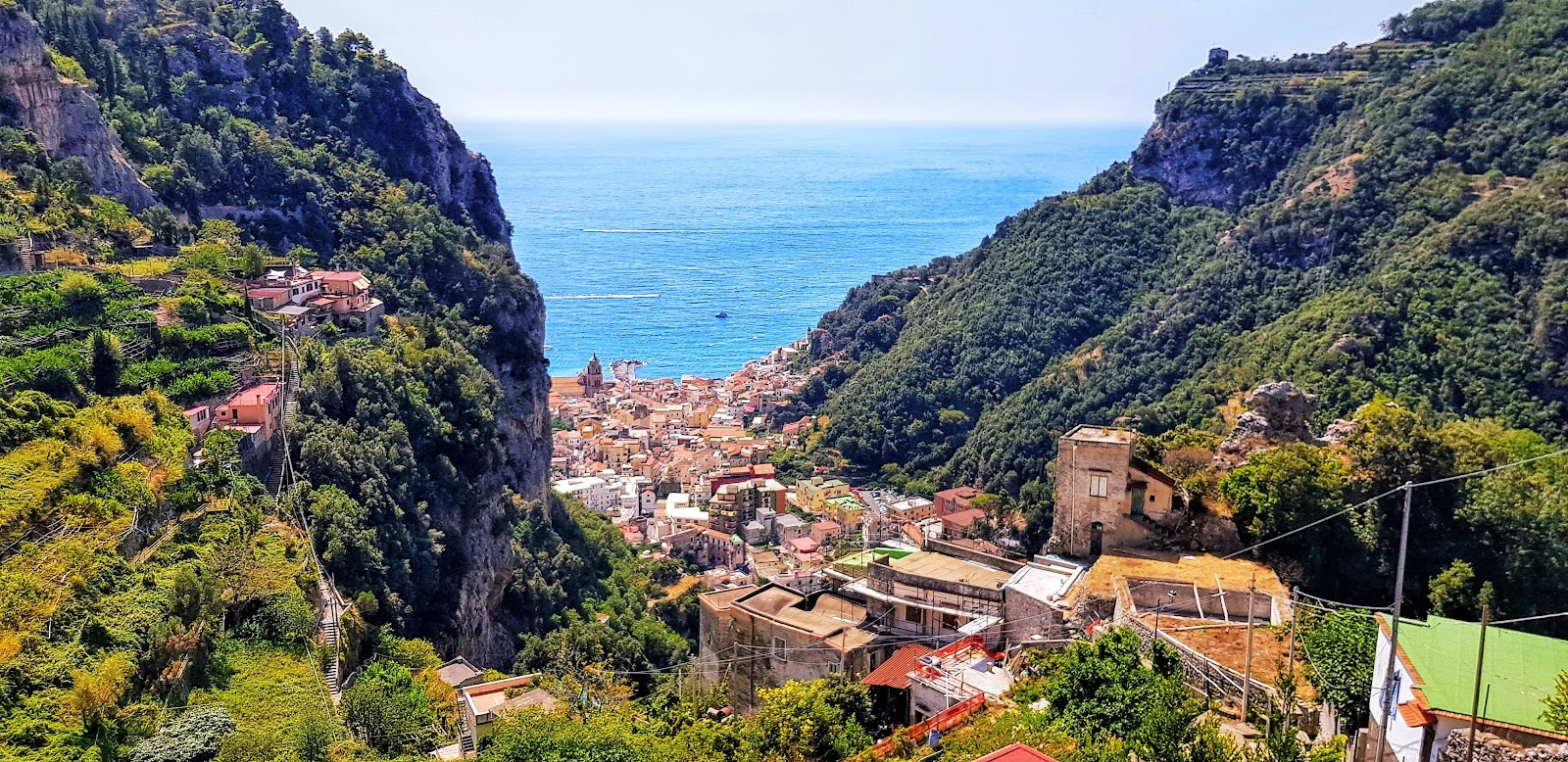
Scala sits about 400 metres above the Amalfi Coast on a rocky shelf in the Lattari Mountains, divided into six quiet hamlets connected by footpaths and steep lanes. The town's symbol — a lion climbing a ladder — turns up in ceramic floor tiles inside the Duomo, a small joke embedded in stone: *scala* is Italian for staircase, and stairs are more or less what Scala is made of.
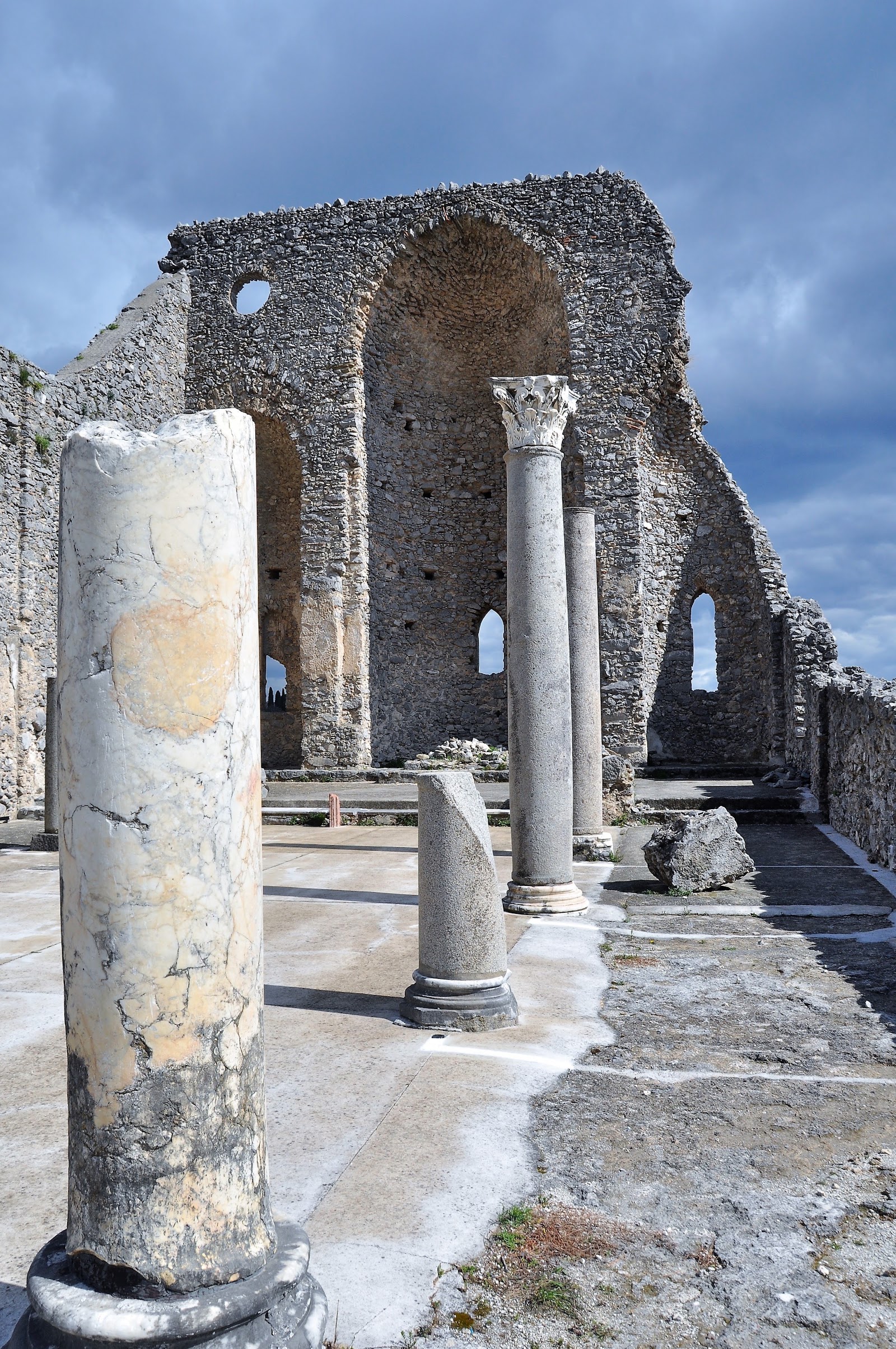
For most of its medieval life this was one of the most powerful towns on the coast, home to 130 churches at its peak and an episcopal see for more than eight centuries. Today the population is small, the ruins of the Basilica of St. Eustace stand open to the sky, and chestnut groves cover the hillsides above.
💛 What travellers fall for
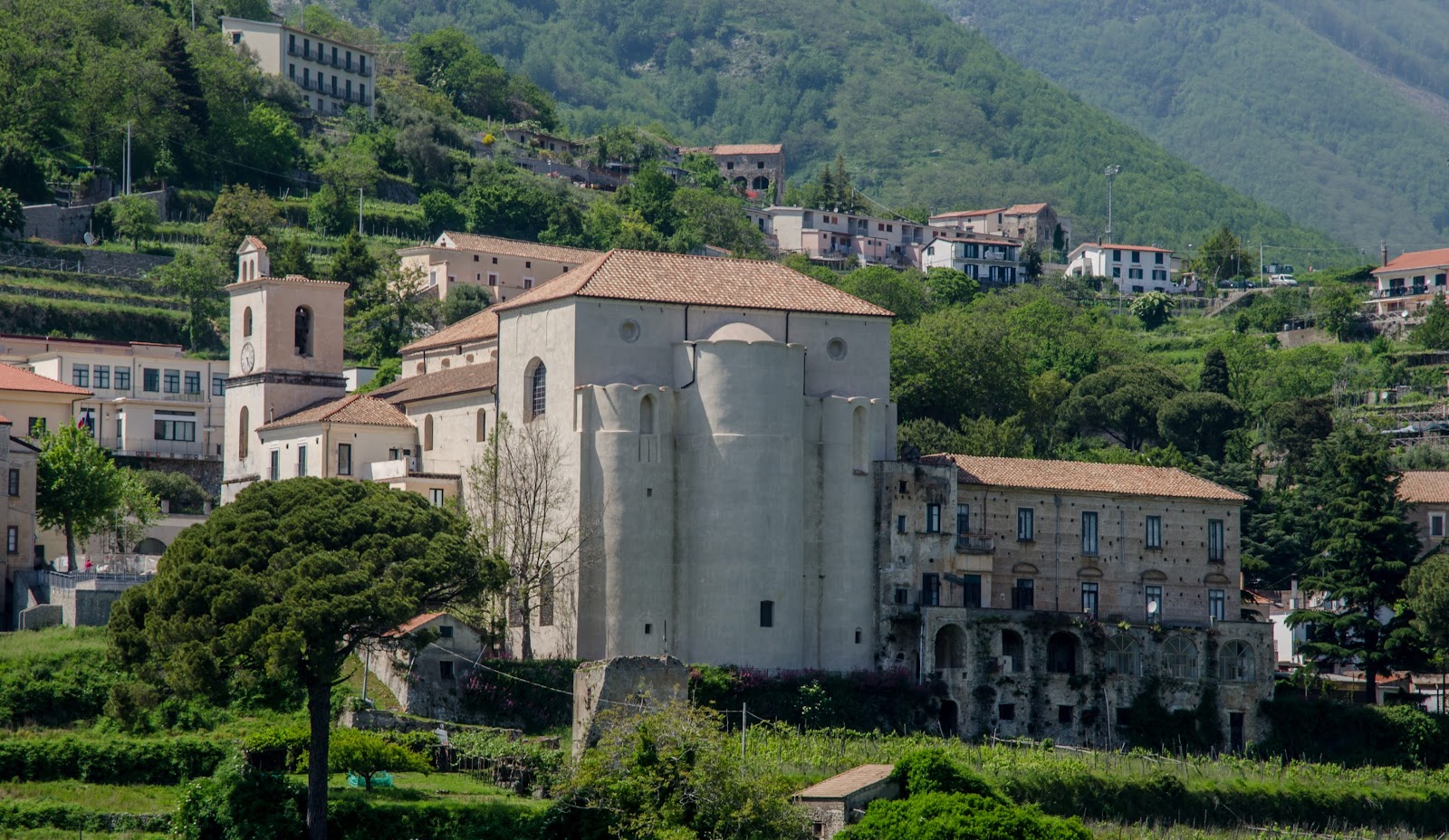
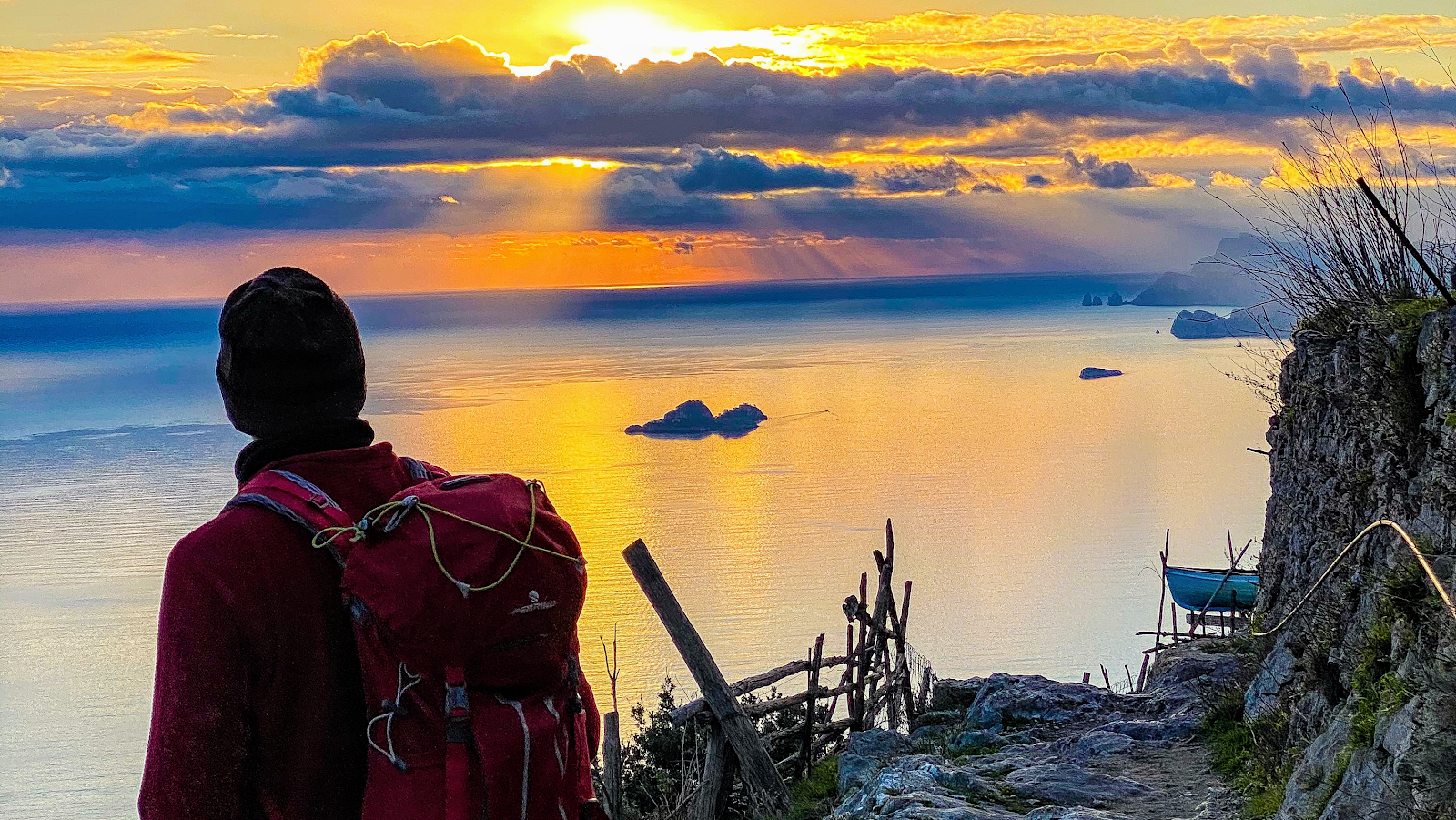
People who come back tend to mention the viewpoint at Campidoglio — from there you can see straight across to Ravello, the Villa Cimbrone gardens, and the whole arc of the Bay of Salerno laid out below. The Duomo opens again at 4:30 in the afternoon; that second visit, in lower light, is worth planning for.
Experiences you don't want to miss


Deals in Scala
Book directly at the provider


How Scala came to be
The founding story — Roman families, a storm off Dalmatia, a settlement carved into the Lattari Mountains — is old tradition rather than documented fact, but by the Middle Ages Scala's standing was real enough. Alongside Ravello it served as a key fortification of the Duchy of Amalfi, with two castles recorded around 1000 AD. Robert Guiscard sacked them in 1073; the Pisans destroyed what remained roughly sixty years later.
Scala was made an episcopal see in 987 and held that status until 1818. At its height the town counted 130 churches and parishes. In 1732, inside one of those churches, Saint Alphonsus Maria de' Liguori founded the Congregation of the Most Holy Redeemer — the Redemptorists — an order that spread worldwide from this hillside.
Who and what shaped it
People who shaped it
Landmark buildings
See Scala in motion
Plan your visit
On the map
When to go
Summers are hot and dry, with August averaging around 30°C; the shoulder months of April through June and September through October bring comfortable temperatures for walking the paths between hamlets. Rain falls mainly between November and February, when the coast is quieter and the light turns a different quality altogether.
Right now
↡ Attractions

Background & history adapted from Wikipedia (CC BY-SA) · specs from Wikidata (CC0) · weather from Open-Meteo · map data © OpenStreetMap contributors · photos from Wikimedia Commons / Unsplash with per-image credit. No third-party reviews or social posts reproduced.