
Sarlat-la-Canéda
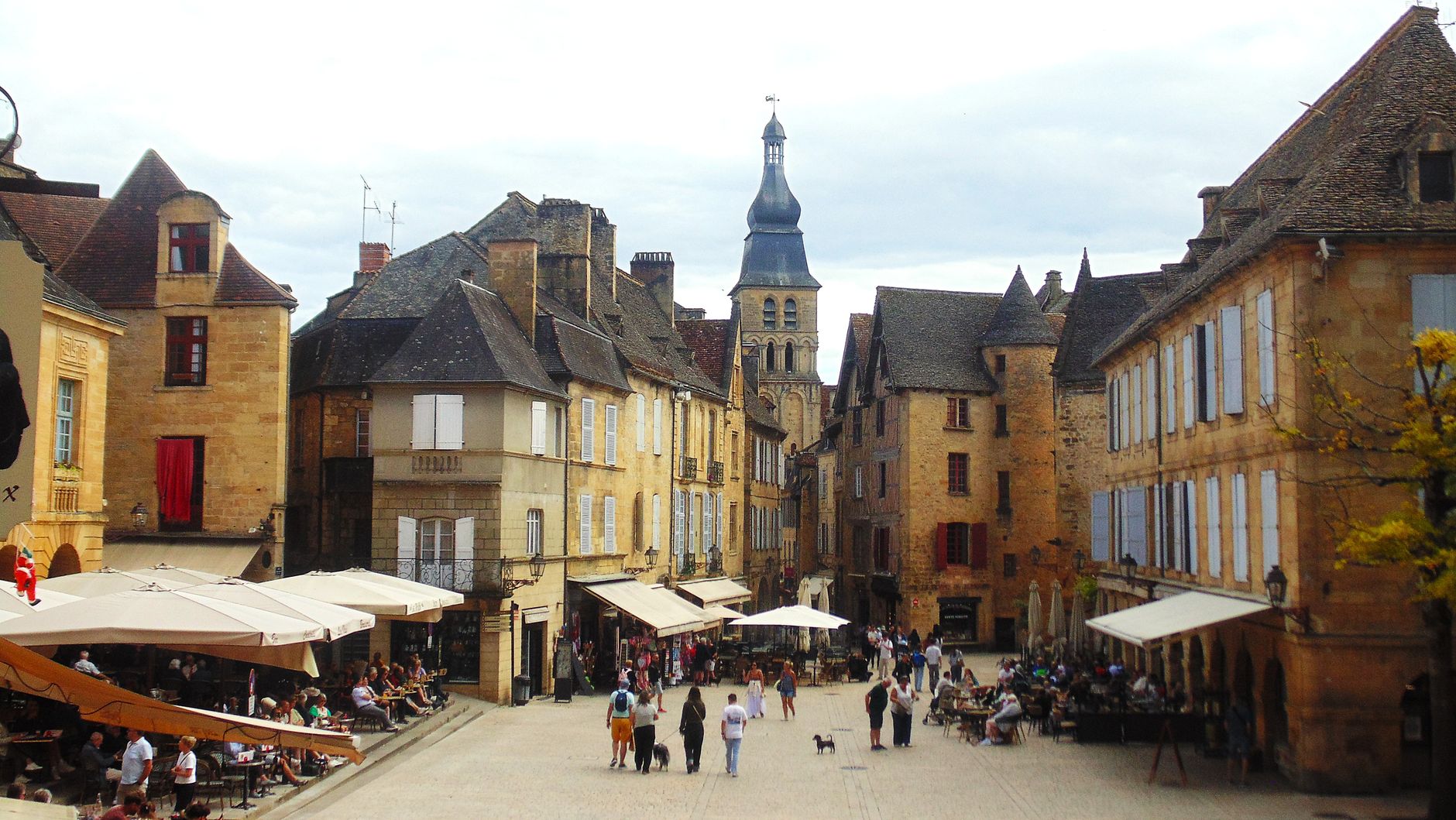
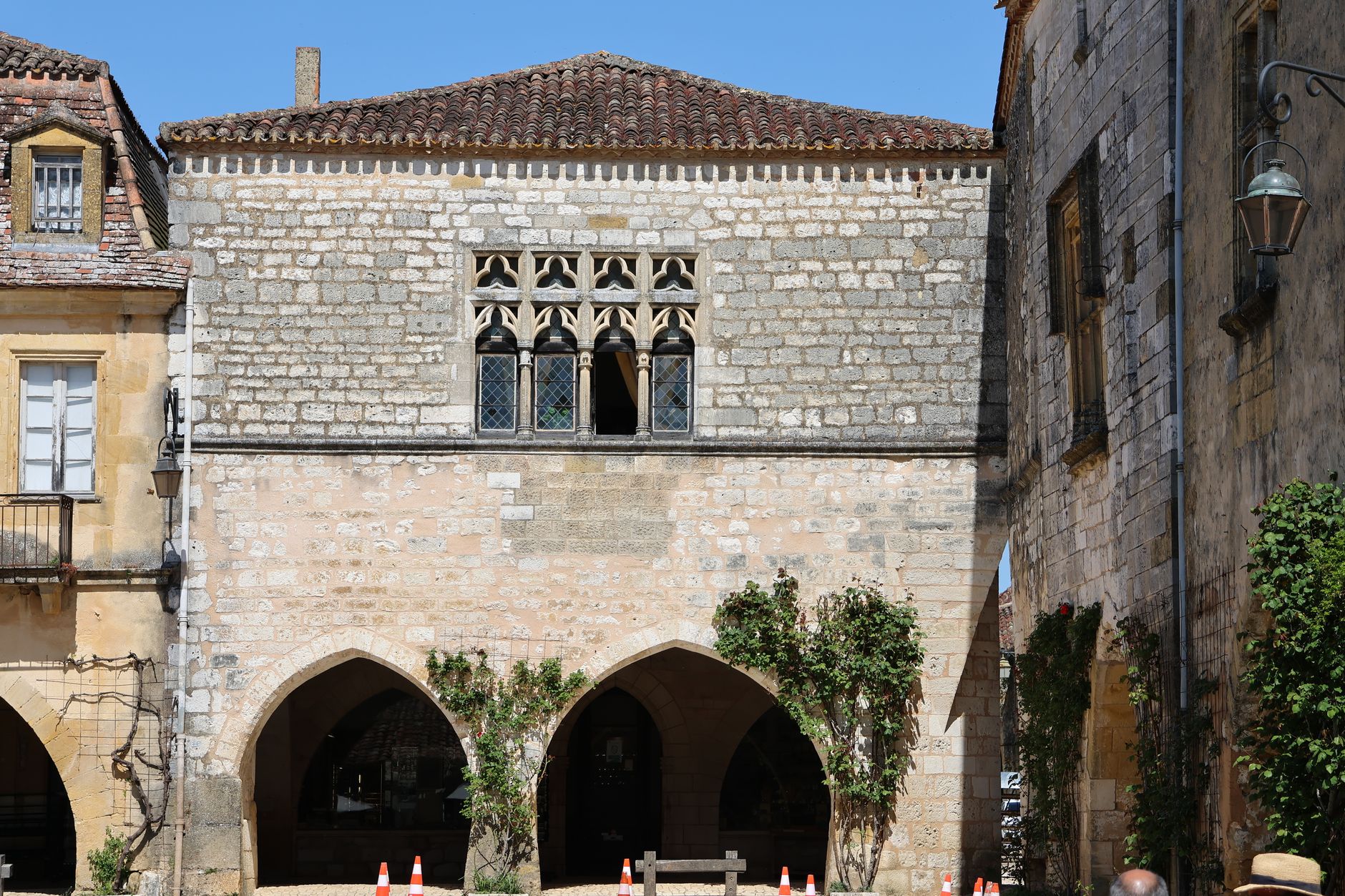
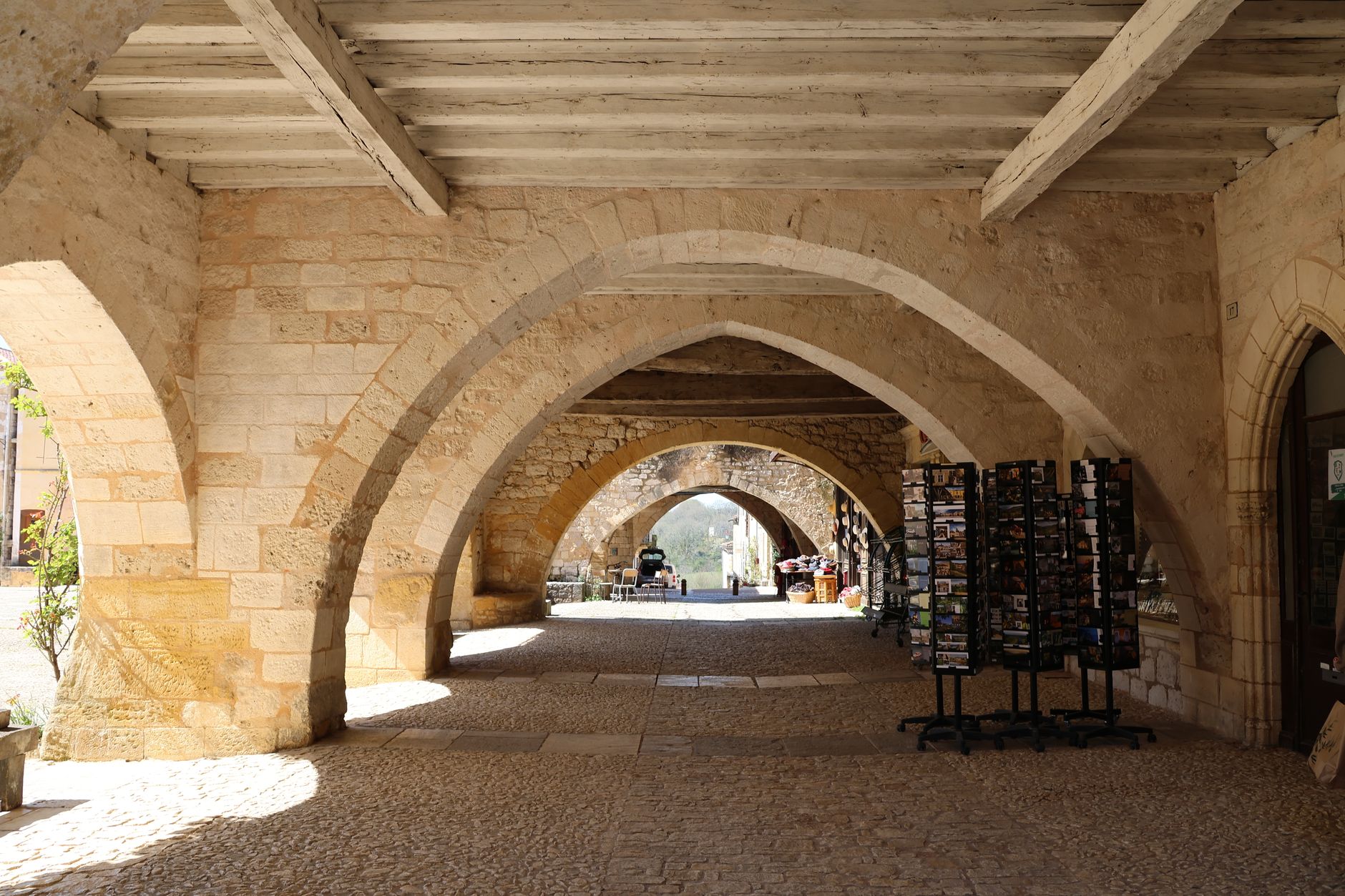
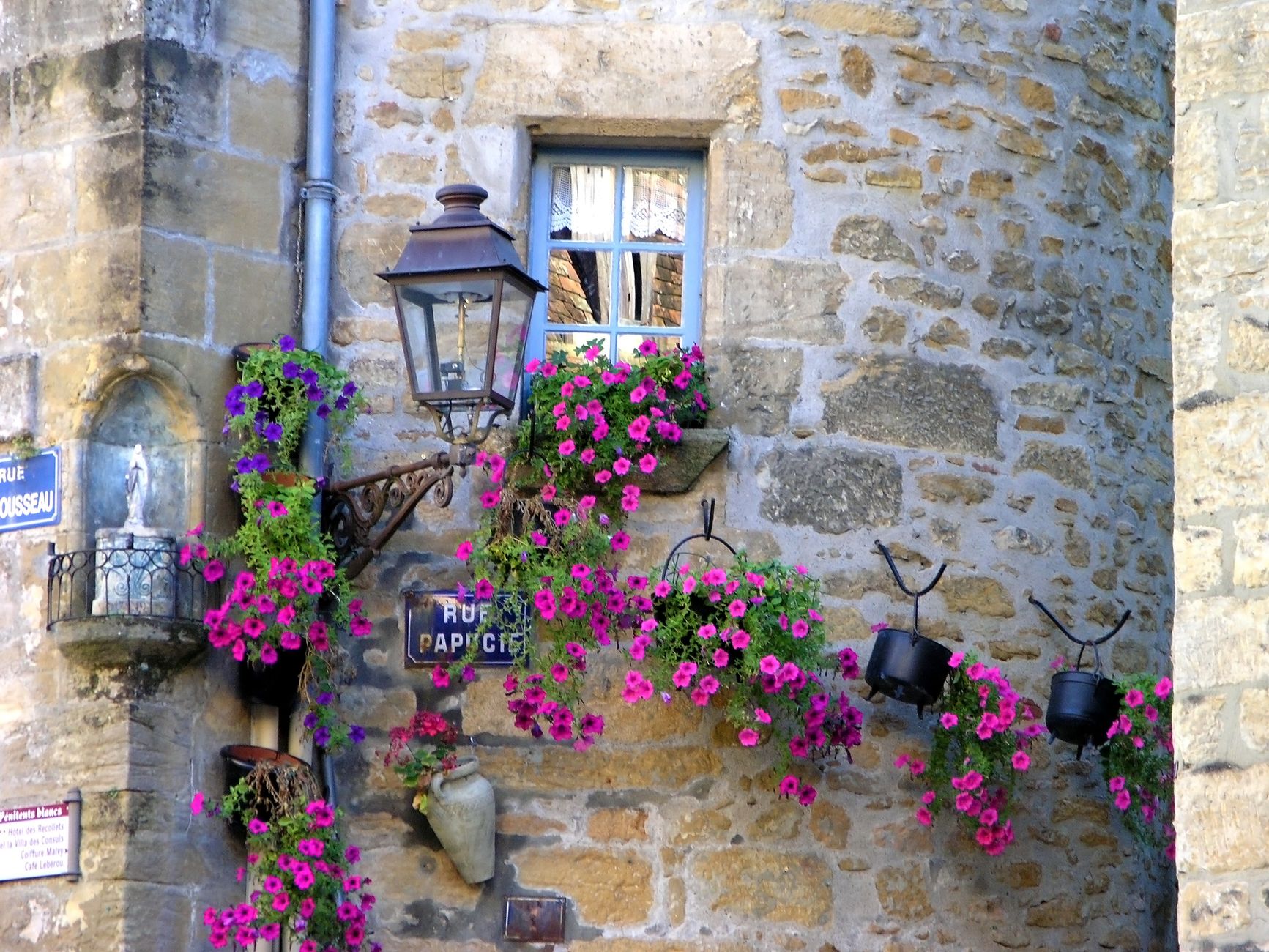
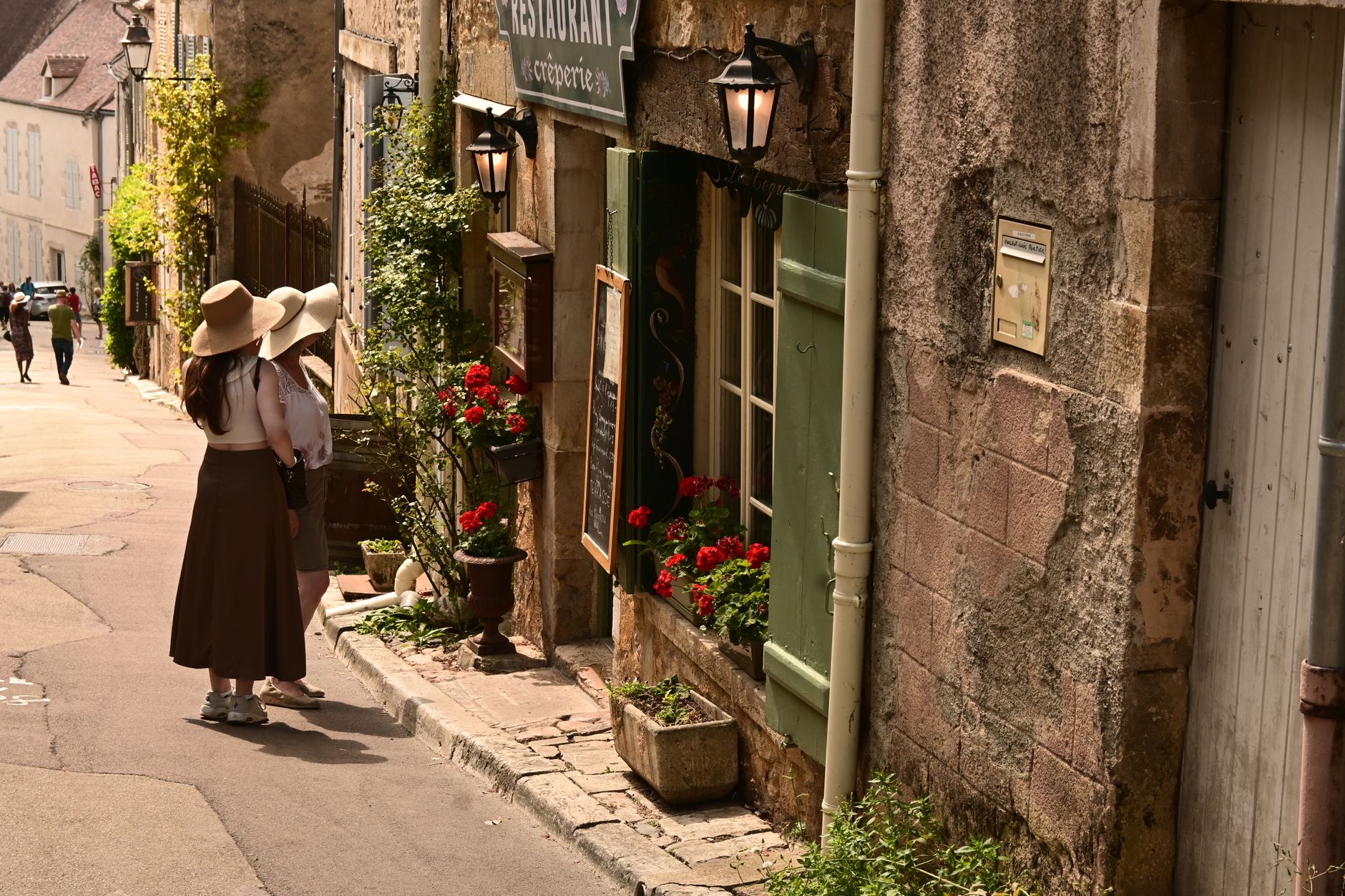
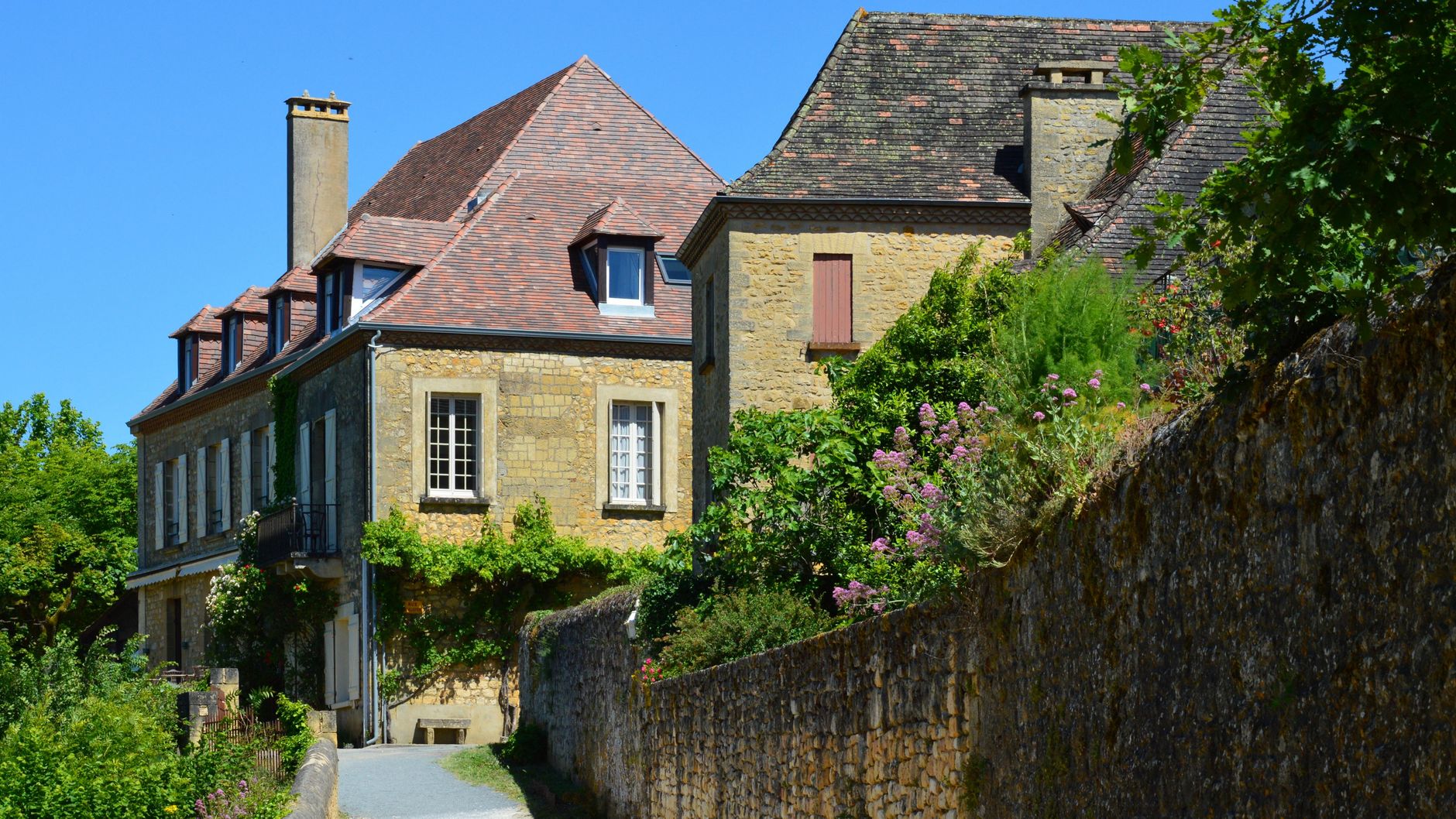
The stone in Sarlat is the first thing you notice — a warm honey-gold that seems to hold the afternoon light longer than it should. The medieval centre is compact enough to cover on foot in a morning, yet dense enough that you keep finding things: a carved medallion on a doorframe, a bullet-shaped tower above the cathedral that no one can fully explain, a Renaissance façade wedged between two Gothic neighbours. This is a town that has been protected rather than polished, and the difference shows.
Sarlat sits in the Périgord Noir, in the Dordogne valley, and the countryside around it is as much the draw as the streets themselves — walnut orchards, limestone cliffs, river bends. But the town earns its own attention.
💛 What travellers fall for
People who come back tend to say the same thing: go to the Sainte-Marie covered market on a Saturday morning before the coach groups arrive, then take the panoramic lift in the bell tower while the square is still quiet. The Rue des Consuls rewards a slow second lap — the Hôtel Plamon's three arched windows look different depending on the light.
Experiences you don't want to miss


Deals in Sarlat-la-Canéda
Book directly at the providerHow Sarlat-la-Canéda came to be
Sarlat grew around a Benedictine abbey of Carolingian origin, documented as early as 1081 — notably one of the few abbeys in the region that escaped Viking raids. In 1299, Philippe le Bel freed the town from ecclesiastical control. Its most dramatic moment came on 21 February 1574, when Protestant captain Geoffroy de Vivans took the town by surprise and pillaged it for three months before Catholics reclaimed it in May. Thirteen years later, 500 defenders held off the Viscount of Turenne and his 6,000 troops for fourteen days.
The Revolution cost Sarlat its bishopric, though its last bishop became the town's first maire. The remarkable state of the medieval centre owes much to André Malraux, who as Minister of Culture from 1960 to 1969 made Sarlat the test case for his 1962 law on the protection of France's historic patrimony. Sarlat and the neighbouring commune of La Canéda were merged into a single town only in March 1965.
Who and what shaped it
People who shaped it
Landmark buildings
See Sarlat-la-Canéda in motion
Plan your visit
On the map
When to go
Summers are warm and sunny, with July and August regularly reaching the low-to-mid 30s Celsius — the streets hold the heat well into evening. Spring and September offer mild days and softer light; winters are cool and quiet, with occasional frost, but the stone town looks striking under a grey sky.
Right now
Background & history adapted from Wikipedia (CC BY-SA) · specs from Wikidata (CC0) · weather from Open-Meteo · map data © OpenStreetMap contributors · photos from Wikimedia Commons / Unsplash with per-image credit. No third-party reviews or social posts reproduced.