
Santarém
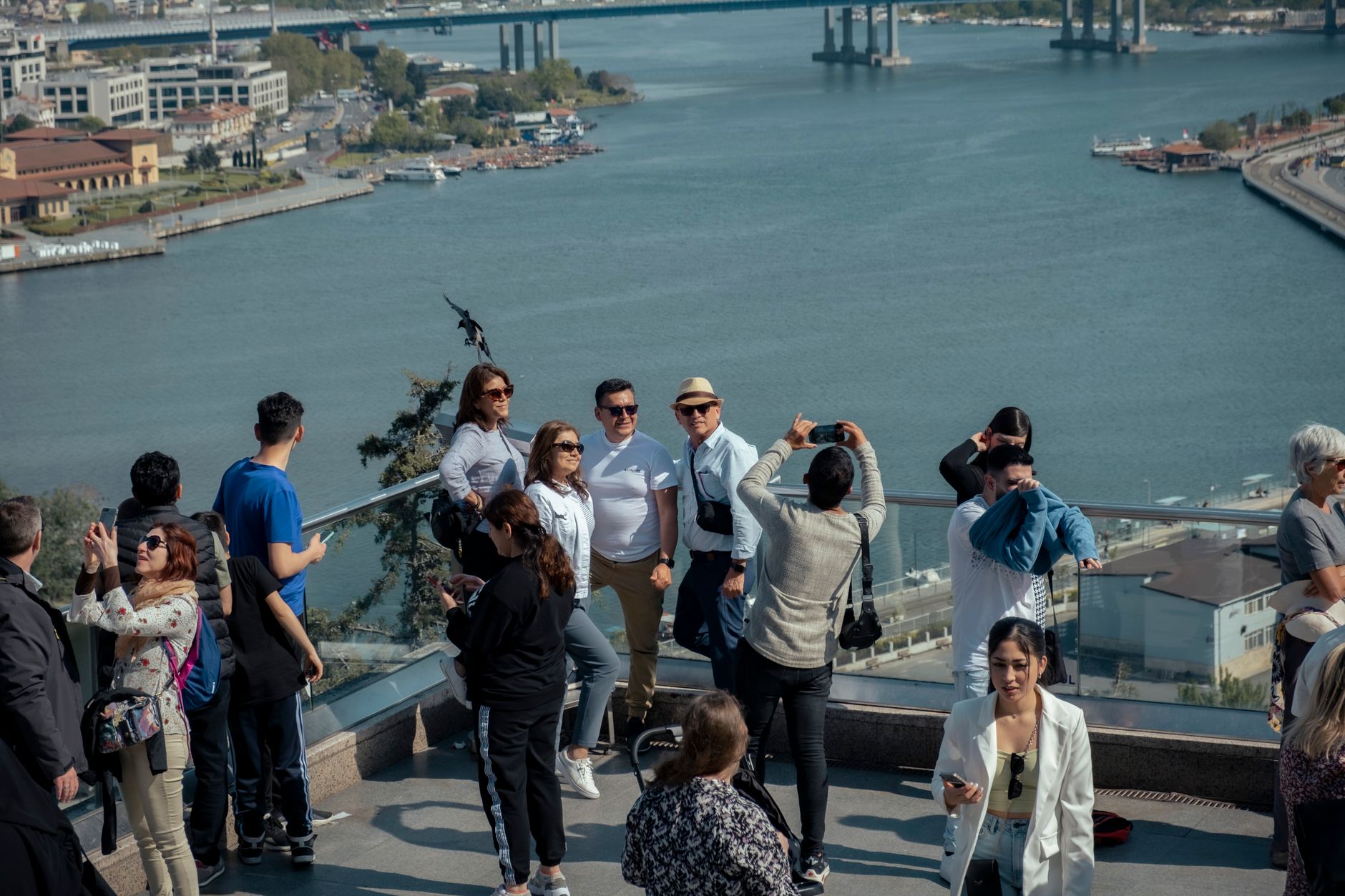
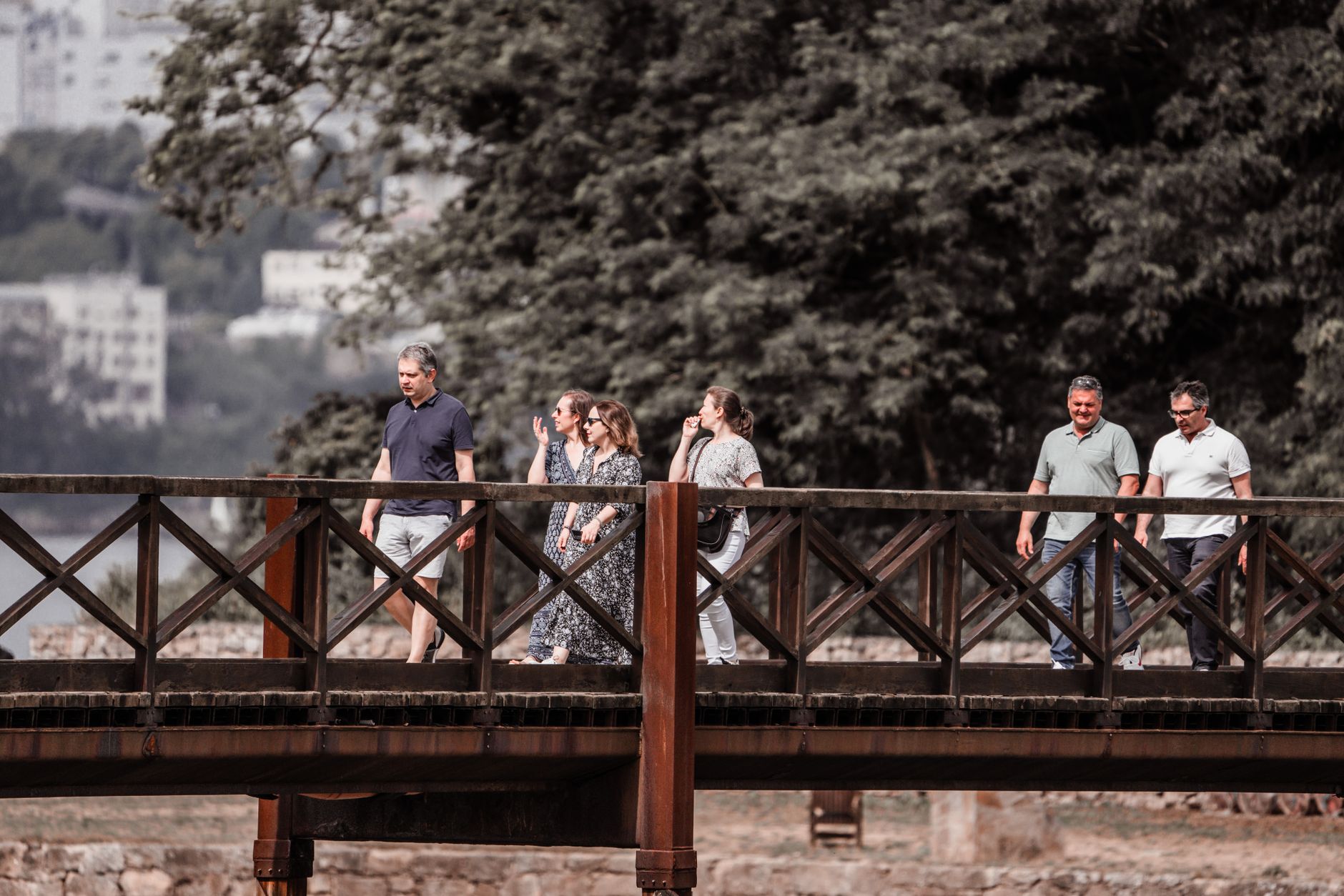
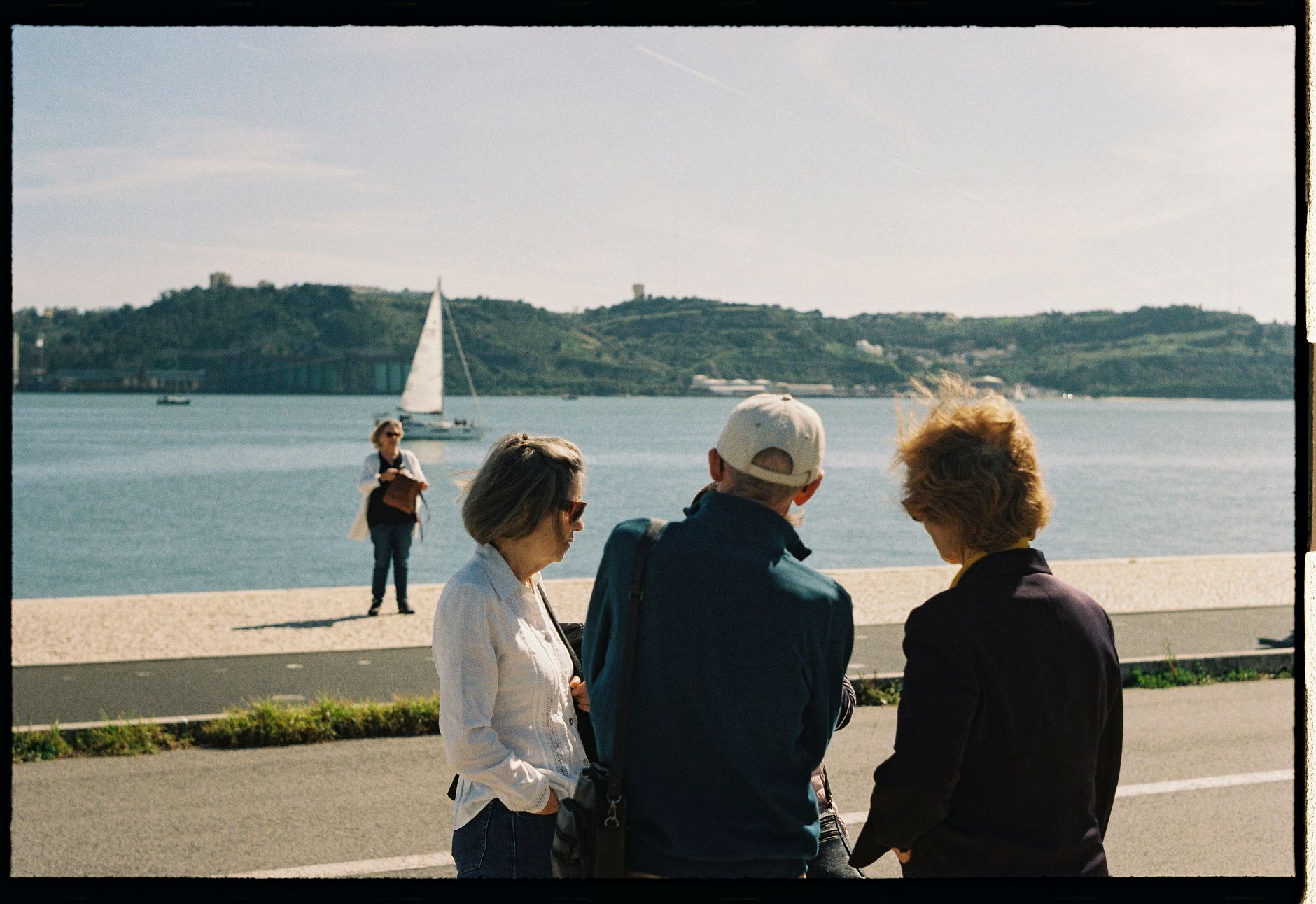
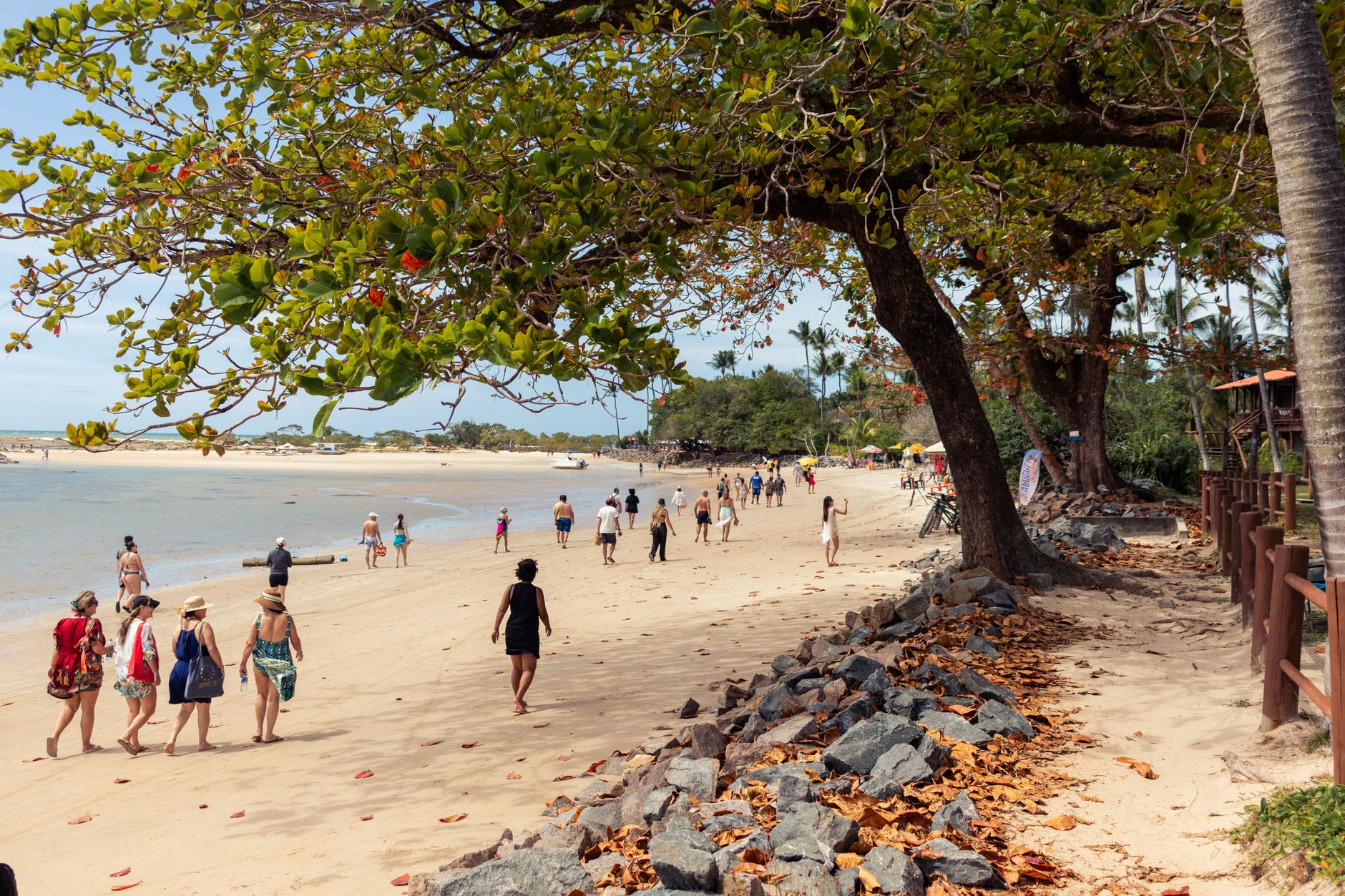
Stand at the edge of Santarém's riverside promenade and you can watch the Tapajós — blue as glass — push up against the brown Amazon and refuse to mix. The two rivers run side by side for miles, distinct as oil and water, and this meeting of waters is not a metaphor so much as a fact about how things here hold their character.
Santarém sits at the confluence of those two rivers in the Brazilian Amazon, a city of genuine weight: an old Jesuit mission town, a Confederate diaspora footnote, a logistics node for the soy that moves south along the BR-163. It earns a few days of your attention.
💛 What travellers fall for
People who return tend to make straight for the Nova Orla Fluvial at dusk — walk the mile of waterfront past the painted boats, stop at the Praça do Pescador, and eventually land at one of the riverside spots for cold beer before the Cargill grain terminal reminds you how the economy actually works out here.
Deals in Santarém
Book directly at the provider


How Santarém came to be
On 22 June 1661, Jesuits established a mission at a Tapajó settlement here, and the first structure they built was a church made of palm fronds. A fort followed under Pedro Teixeira. The settlement was renamed Santarém in 1758, after the Portuguese city, and construction on the Cathedral of the Immaculate Conception began three years later.
In 1867, a contingent of former Confederate soldiers arrived from the American South, one of the stranger chapters in the city's record. The twentieth century brought the Trans-Amazonian Highway and the BR-163, which turned Santarém into a freight corridor between the rainforest and the agricultural south — a role the grain terminal at the end of the promenade makes plainly visible today.
Who and what shaped it
People who shaped it
Landmark buildings
See Santarém in motion
Plan your visit
On the map
When to go
August through November is the dry season — sunny, hot (up to 33°C), and the most straightforward time to visit, especially if you're heading to the river beaches at Alter do Chão. December through June brings heavy rain, lower light, and the kind of humidity that makes everything feel a little slower.
Right now
Background & history adapted from Wikipedia (CC BY-SA) · specs from Wikidata (CC0) · weather from Open-Meteo · map data © OpenStreetMap contributors · photos from Wikimedia Commons / Unsplash with per-image credit. No third-party reviews or social posts reproduced.