
Santa Cruz de La Palma
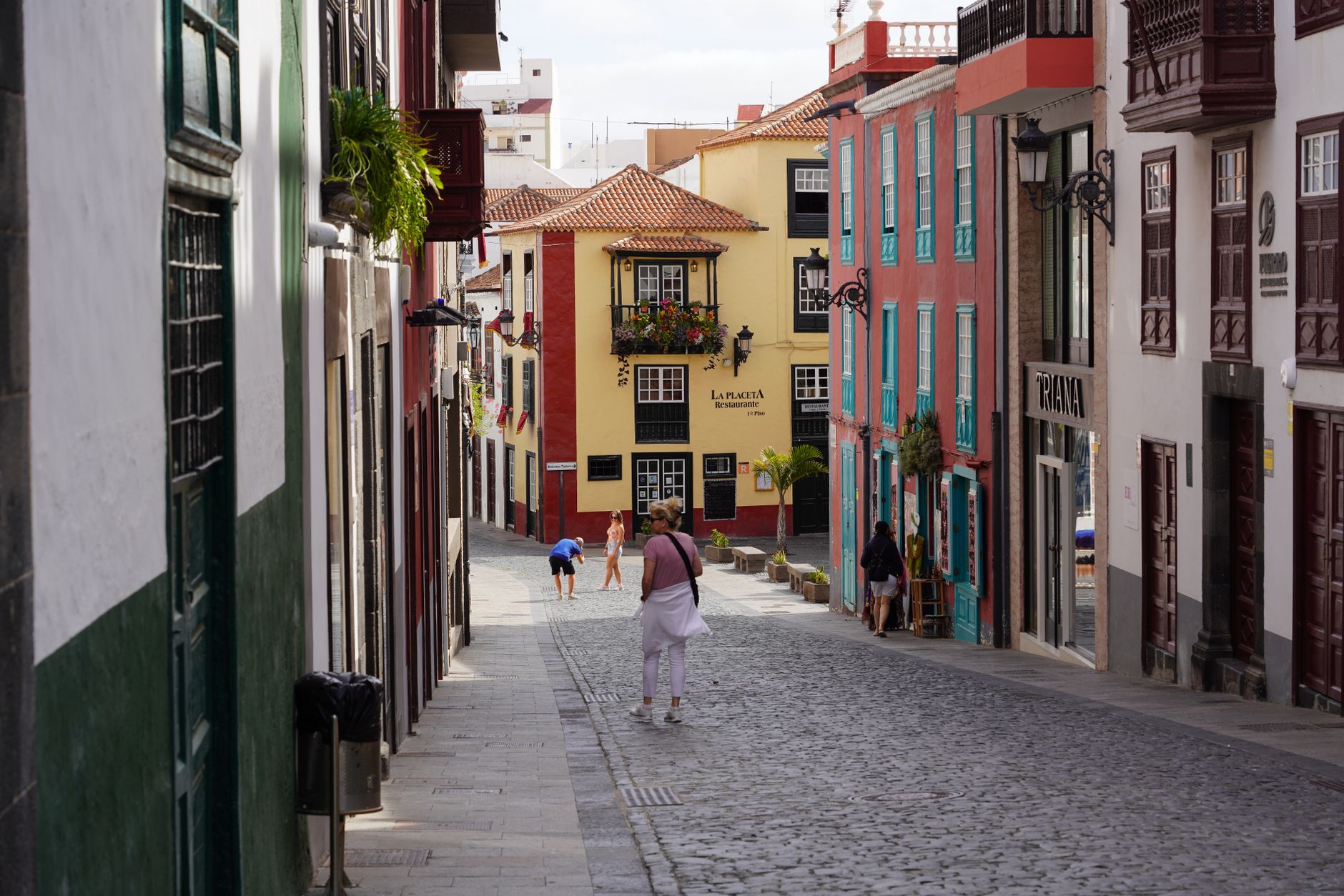
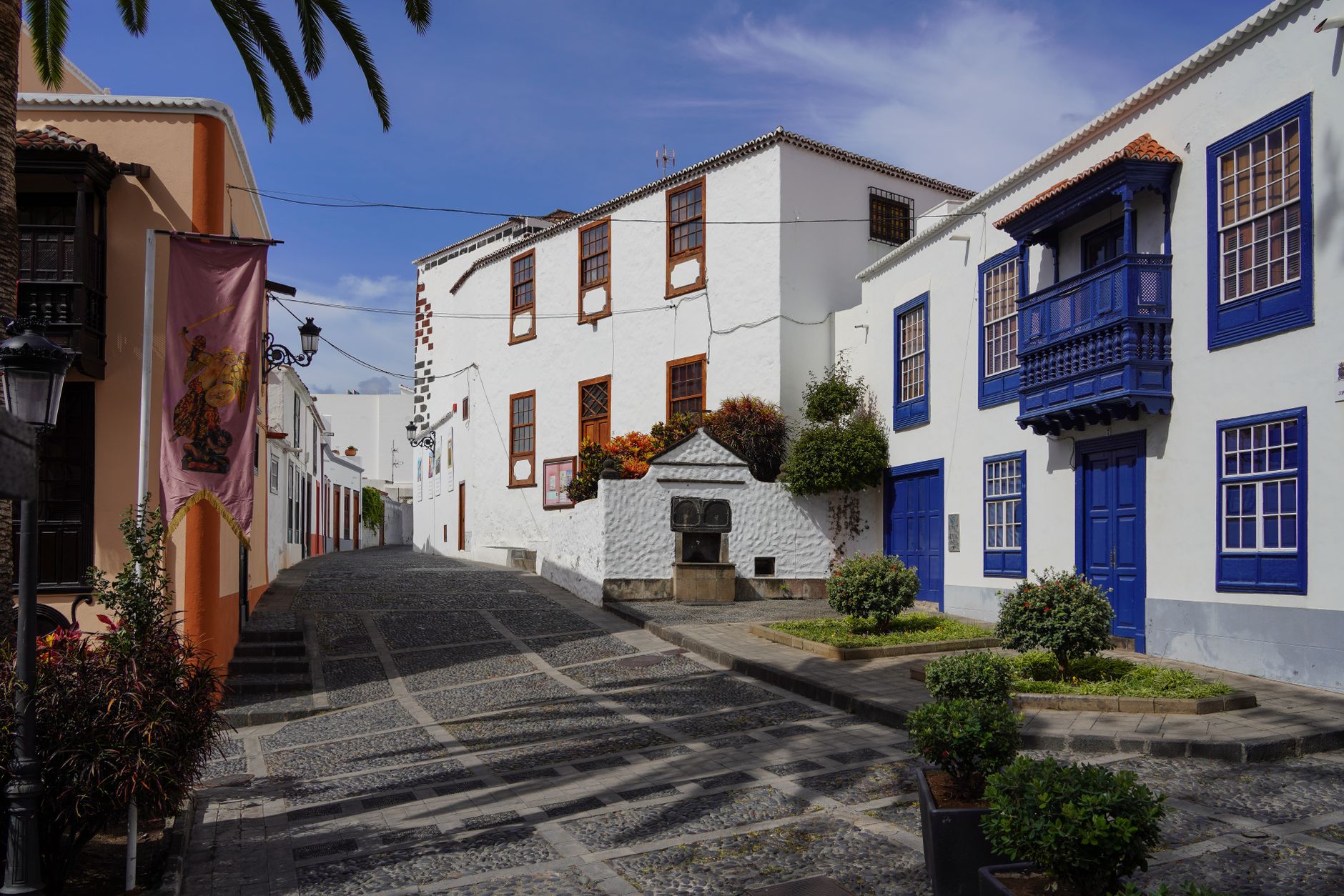

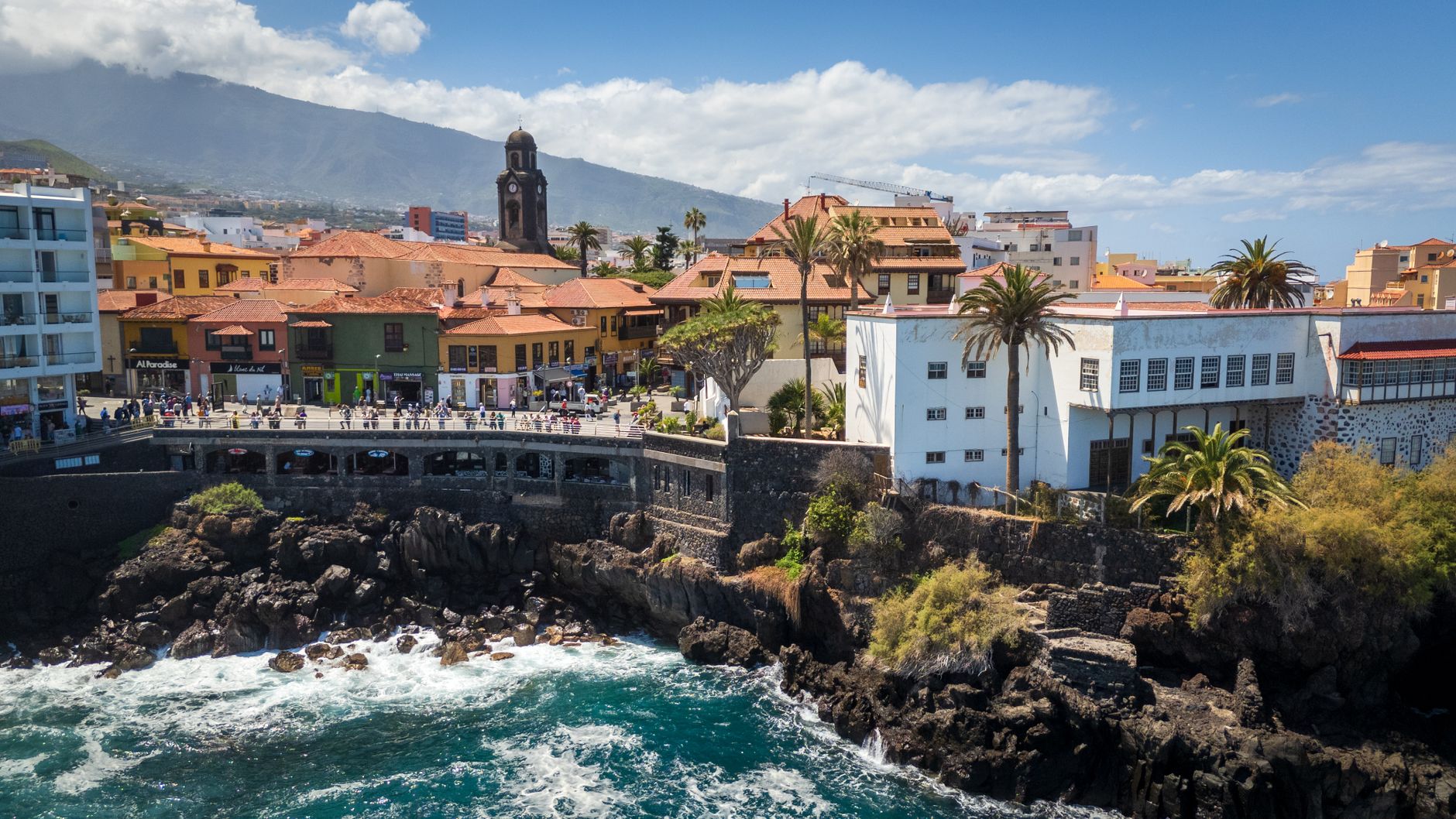
The thing that stops you on Avenida Marítima is the balconies — long wooden galleries painted in ochre and green and deep red, each one draped with flowers, each one facing the Atlantic as if keeping watch. Santa Cruz de La Palma is the capital of the quietest of the inhabited Canary Islands, and it carries that quietness well. The old town is compact enough to walk end to end in twenty minutes, yet it holds a Renaissance plaza that specialists rank as the finest in the archipelago, a church rebuilt after a French corsair burned it to the ground, and a democratic precedent that predates the United States Constitution.
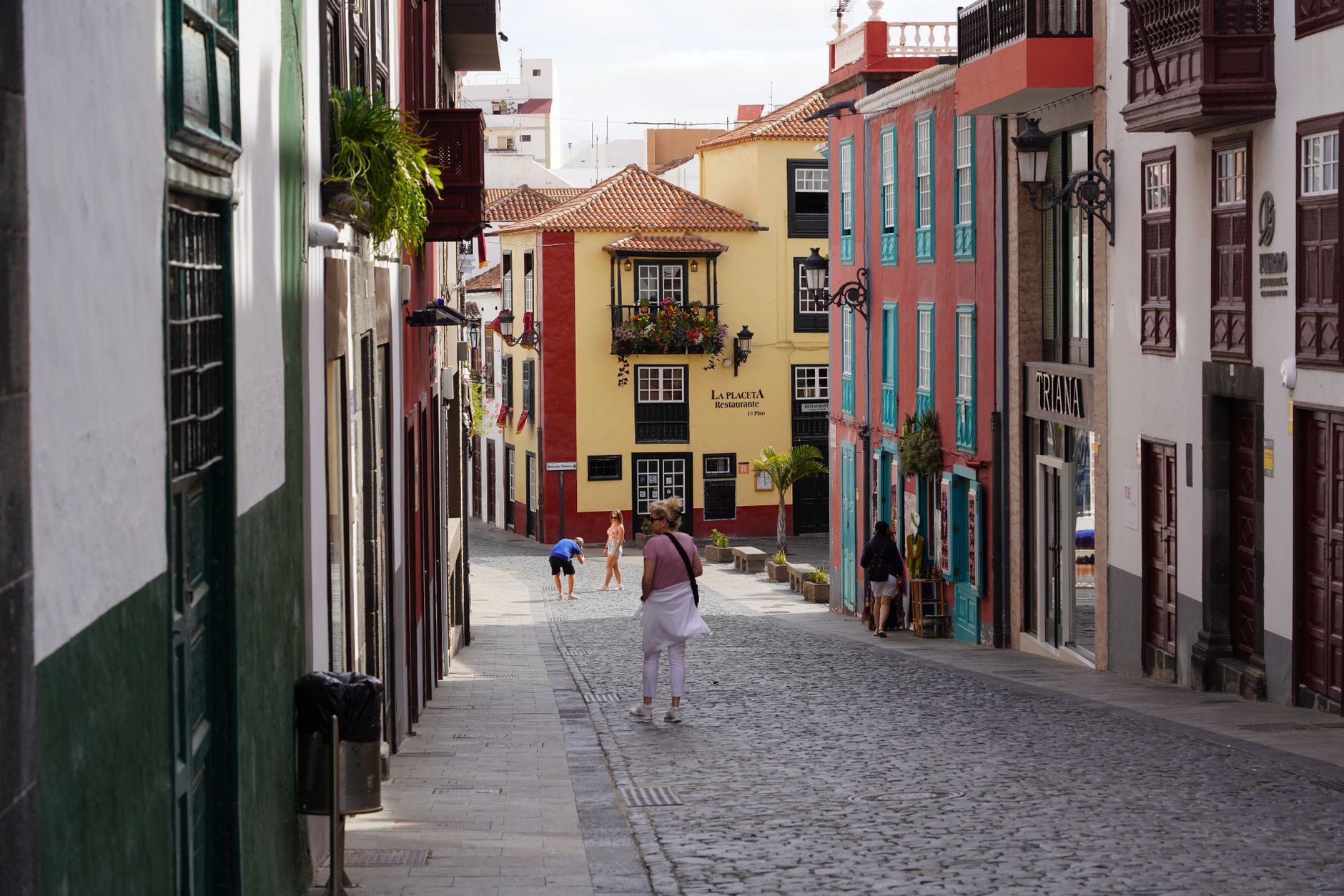
This is a working city with a port, a market, a cobbled main street where people actually live. It rewards the kind of attention you give a book rather than a film.
💛 What travellers fall for
People who come back tend to mention the same morning: coffee somewhere off Calle Real before the cruise passengers arrive, then the Plaza de España when it's mostly locals. The Museo Insular in the old Convent of San Francisco repays a second visit once you've walked the streets and have something to anchor the exhibits to.
Experiences you don't want to miss


Deals in Santa Cruz de La Palma
Book directly at the provider
How Santa Cruz de La Palma came to be
Alonso Fernández de Lugo founded the city on 3 May 1493 — the Feast of the Exaltation of the Holy Cross, which gave it its name. Within decades the port had grown into the third most important in Europe, drawing wealth from sugar cane, trans-Atlantic trade and some of the most productive shipyards in the Spanish Empire. Then, on 21 July 1553, the French corsair François Le Clerc — known as Peg Leg — sailed in and burned it almost entirely. The Church of El Salvador, destroyed in the raid, was rebuilt; the city recovered and eventually flourished again.
The more quietly remarkable chapter came in 1773. An Irish merchant named Dionisio O'Daly, together with the lawyer Anselmo Pérez de Brito, brought a lawsuit against the city's hereditary ruling oligarchy all the way to the Council of Castile — and won. The result was Spain's first city council elected by popular vote, making Santa Cruz de La Palma the first democratically elected municipality in the Spanish Empire.
Who and what shaped it
People who shaped it
Landmark buildings
See Santa Cruz de La Palma in motion
Plan your visit
On the map
When to go
The east-facing city catches reliable trade winds that keep temperatures moderate year-round — warm rather than hot in summer, mild in winter, with the occasional shower between November and February. Spring is particularly clear.
Right now
Background & history adapted from Wikipedia (CC BY-SA) · specs from Wikidata (CC0) · weather from Open-Meteo · map data © OpenStreetMap contributors · photos from Wikimedia Commons / Unsplash with per-image credit. No third-party reviews or social posts reproduced.