
San Sebastián de La Gomera
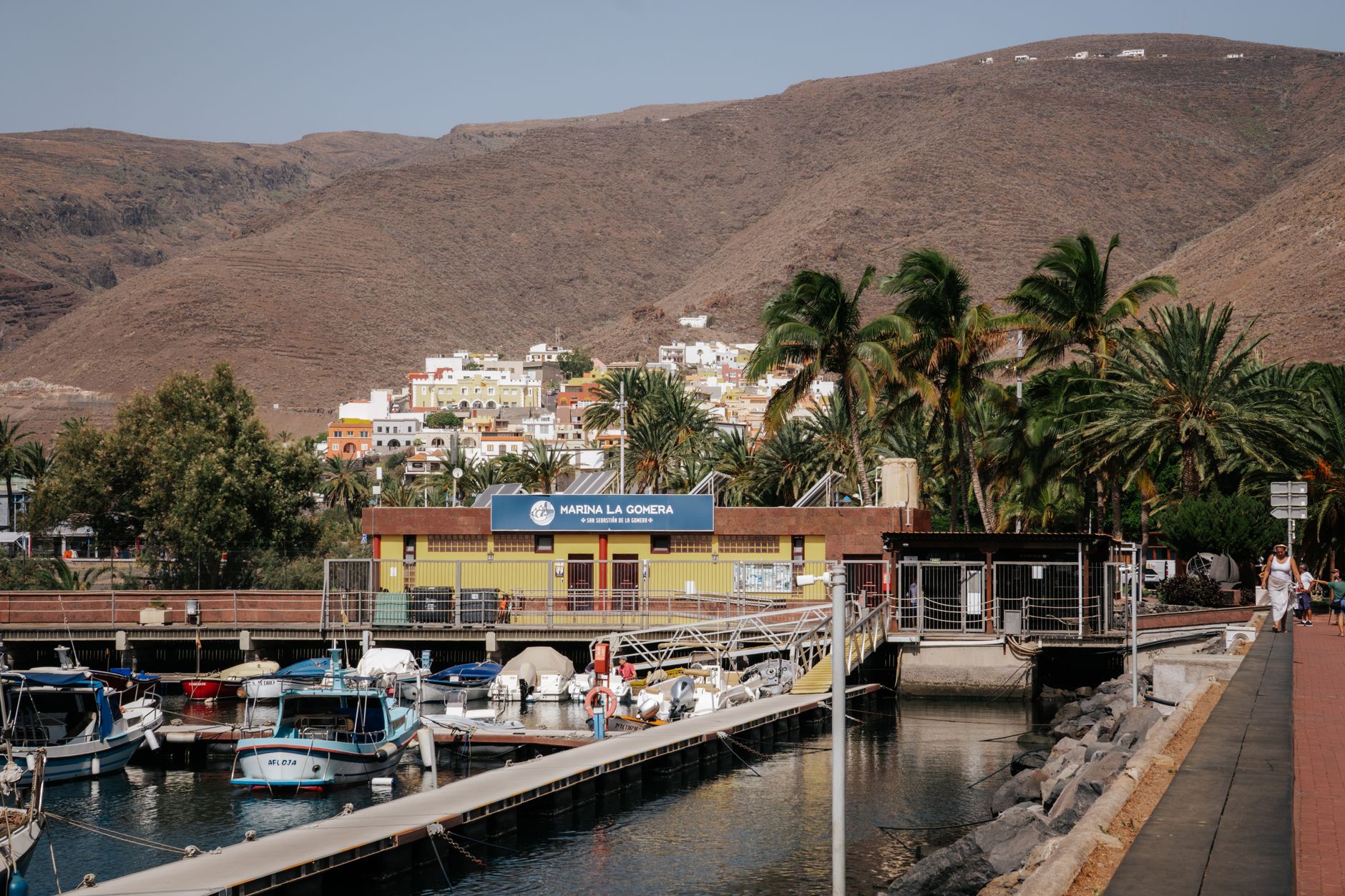
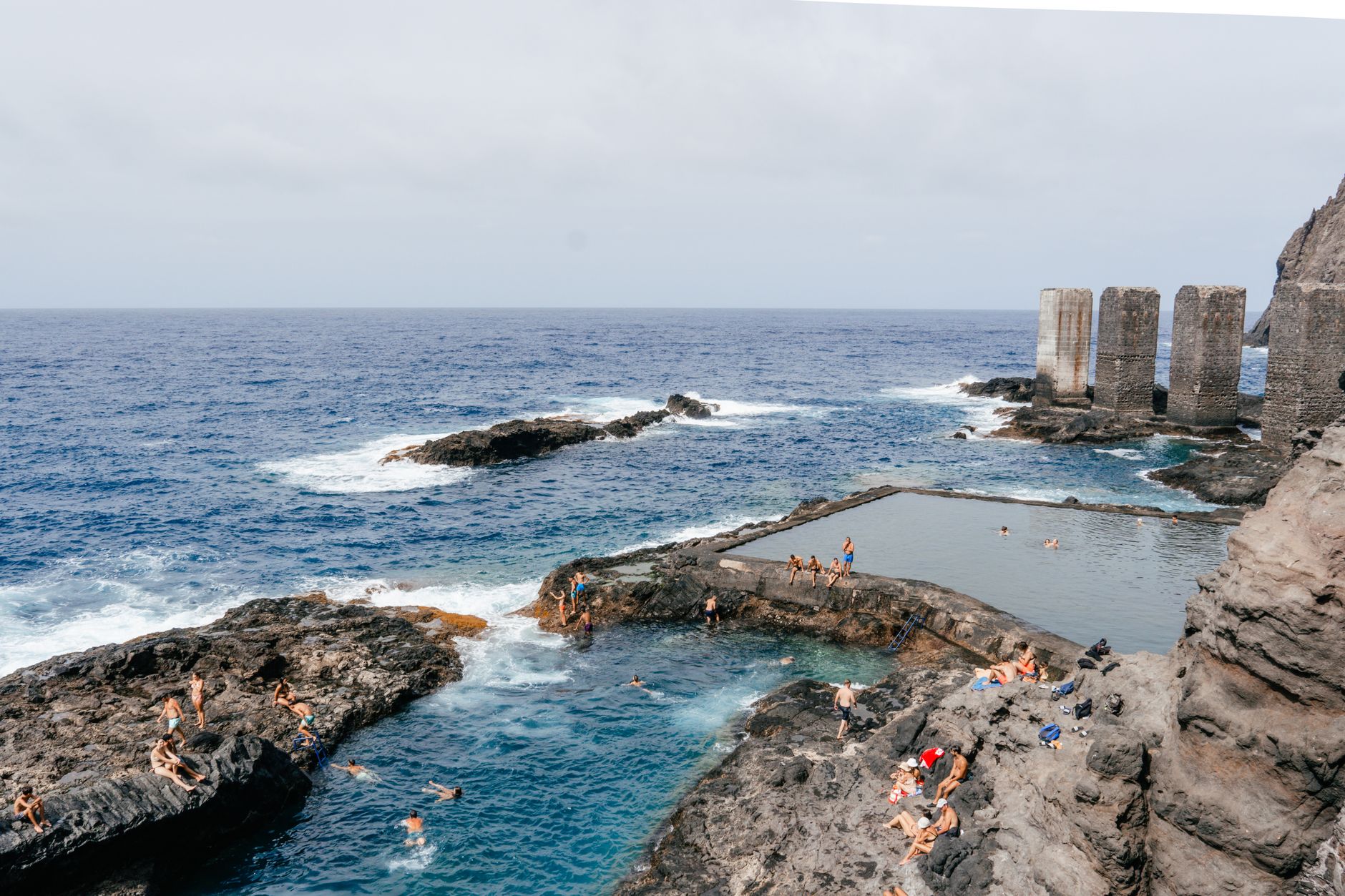
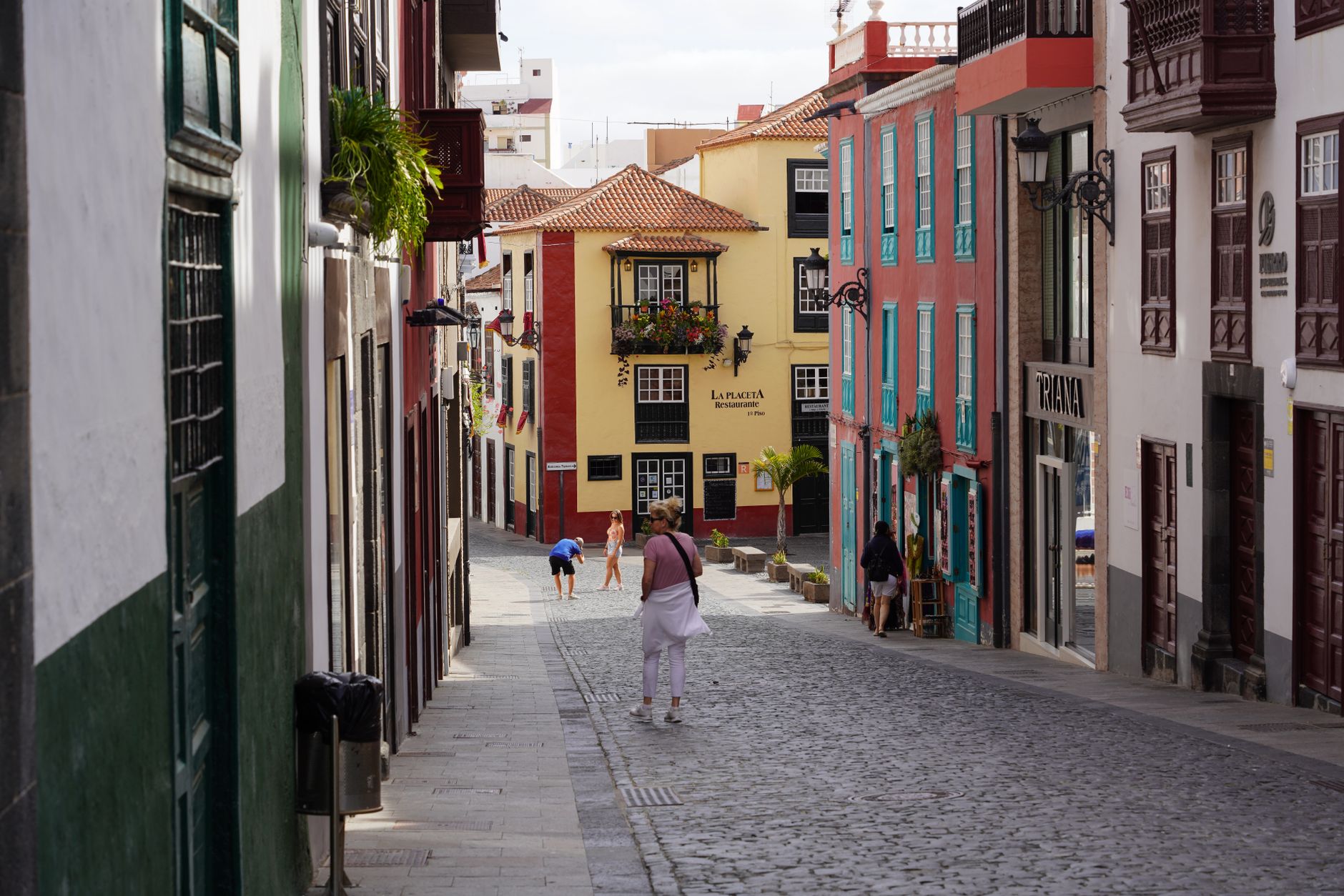
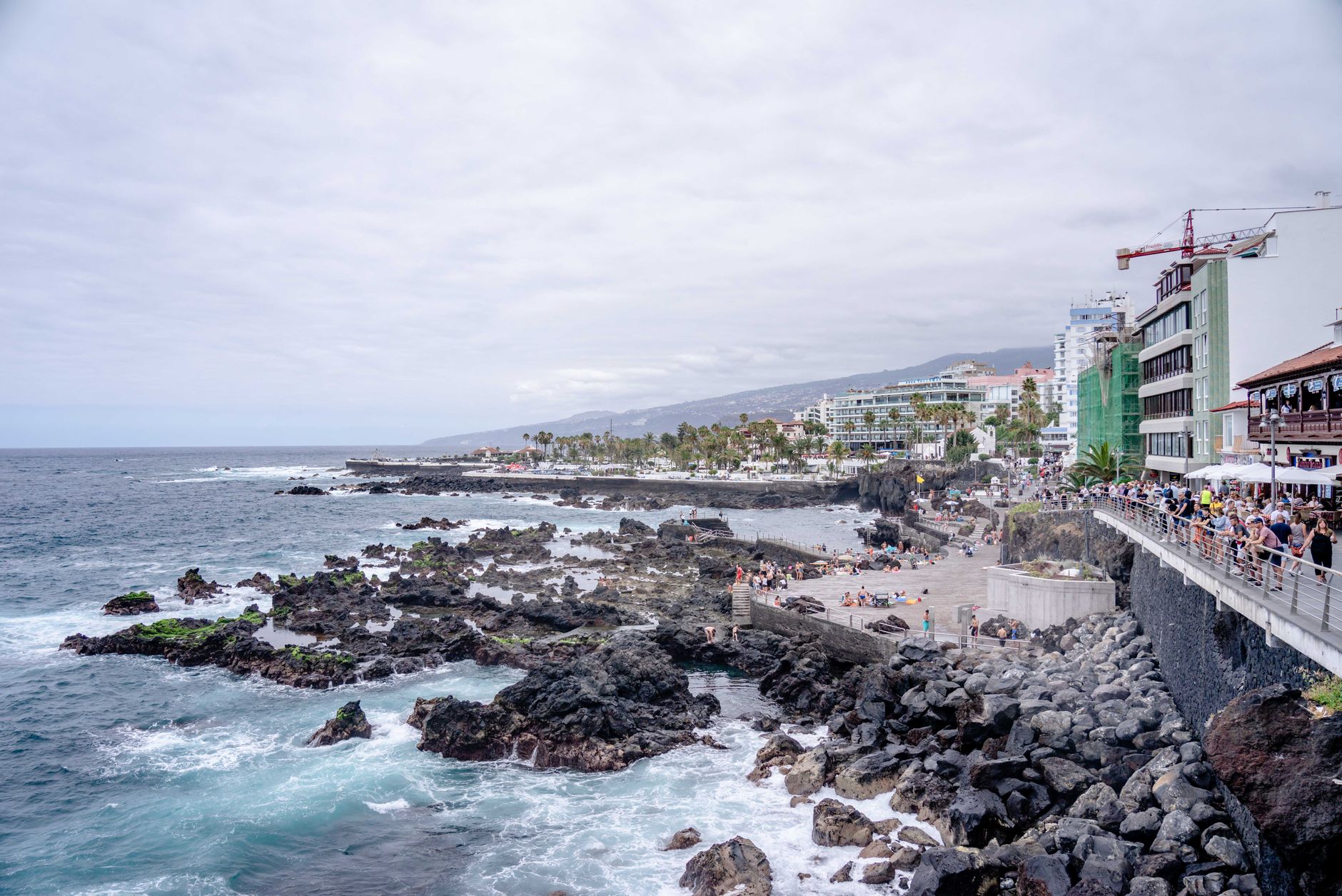
San Sebastián de La Gomera is a small port capital with an outsized place in the history of the Atlantic world. On 6 September 1492, Columbus's three ships — the Niña, the Pinta, and the Santa María — dropped anchor here before turning west into open water. The well from which he reportedly drew fresh water, the Pozo de la Aguada, still stands a short walk from the waterfront.
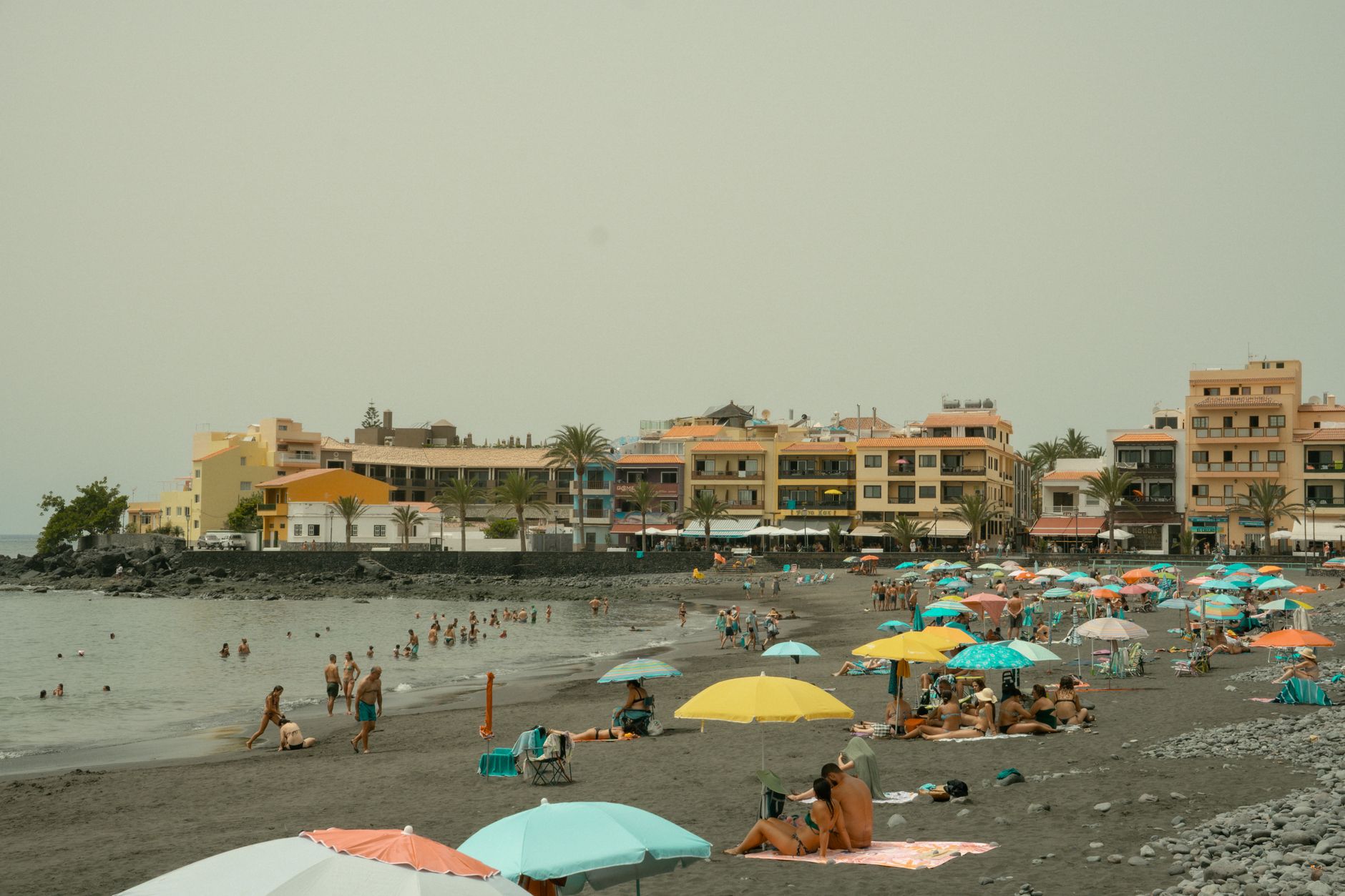
Today the town moves at the quiet pace of a place that has already made its mark. Low Canarian-style houses line Calle Real, the Torre del Conde rises above a small park near the black-sand beach, and the ferry from Tenerife pulls in every hour or so, bringing hikers bound for the island's interior rather than the kind of crowds that follow airport routes.
💛 What travellers fall for
People who come back tend to time the early ferry from Los Cristianos and arrive before the day warms up, then walk straight to the Casa de Colón before it gets busy. Lunch is usually somewhere along the waterfront, and the afternoon belongs to the black-sand Playa San Sebastián — no sunbeds, just showers and a lifeguard.
Experiences you don't want to miss


Deals in San Sebastián de La Gomera
Book directly at the providerHow San Sebastián de La Gomera came to be
Hernán Peraza the Elder founded the settlement in 1440, and within a decade had raised the Torre del Conde — a squat defensive tower that still stands — between 1445 and 1450. The town passed into the Crown of Castile and spent the following centuries as a resupply port for ships heading into the Atlantic, a role that gave it a strategic importance far beyond its size. Beatriz de Bobadilla, whose husband governed the island with particular cruelty, is said to have barricaded herself inside the Torre del Conde — and her presence here was among the reasons Columbus returned on multiple occasions.
After the transatlantic trade routes faded, the town turned to bananas and tomatoes. English, French, and Portuguese pirates tested the harbour repeatedly over the centuries; an English fleet failed to take it in 1739. The ferry service arrived in 1974, reconnecting the island to the wider Canaries on a daily schedule.
Who and what shaped it
People who shaped it
Landmark buildings
See San Sebastián de La Gomera in motion
Plan your visit
On the map
When to go
The climate is dry almost year-round — July typically sees less than a millimetre of rain — with coastal temperatures sitting between 20°C in February and around 27–28°C in high summer. The sea is warm enough for comfortable swimming from August through October, with February and March the coldest months for the water at around 19°C.
Right now
Background & history adapted from Wikipedia (CC BY-SA) · specs from Wikidata (CC0) · weather from Open-Meteo · map data © OpenStreetMap contributors · photos from Wikimedia Commons / Unsplash with per-image credit. No third-party reviews or social posts reproduced.