
San Martino di Castrozza
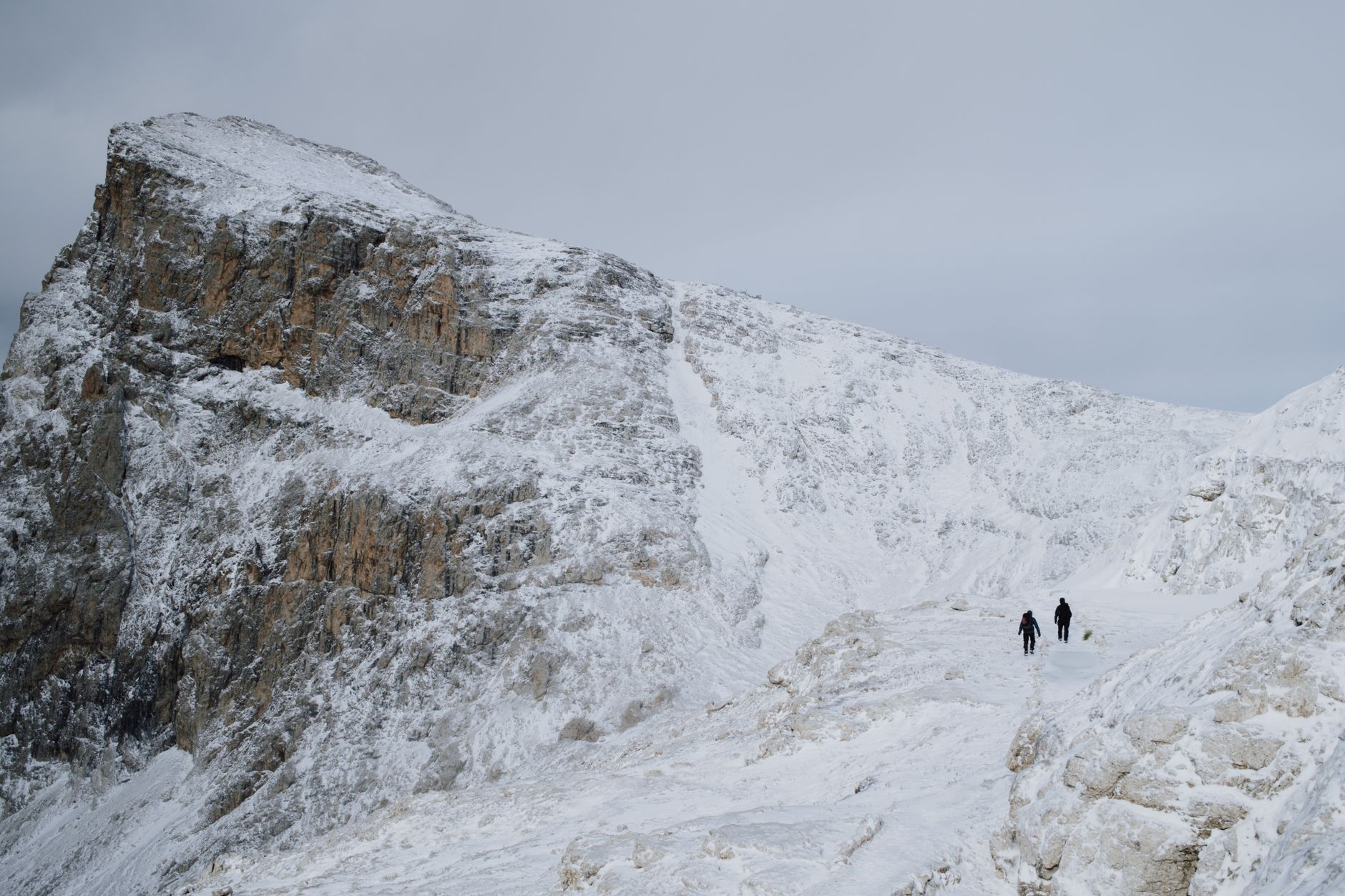
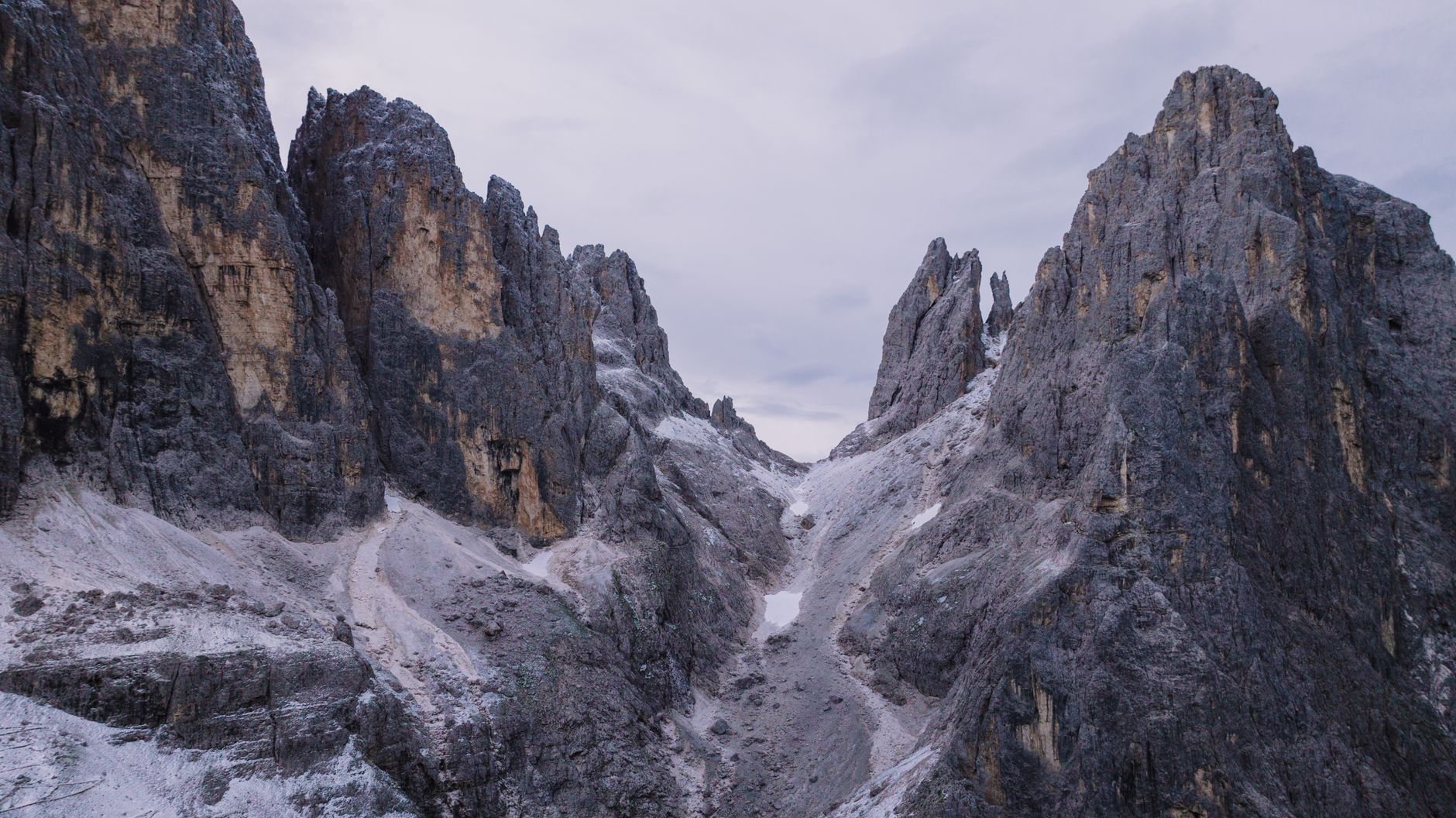
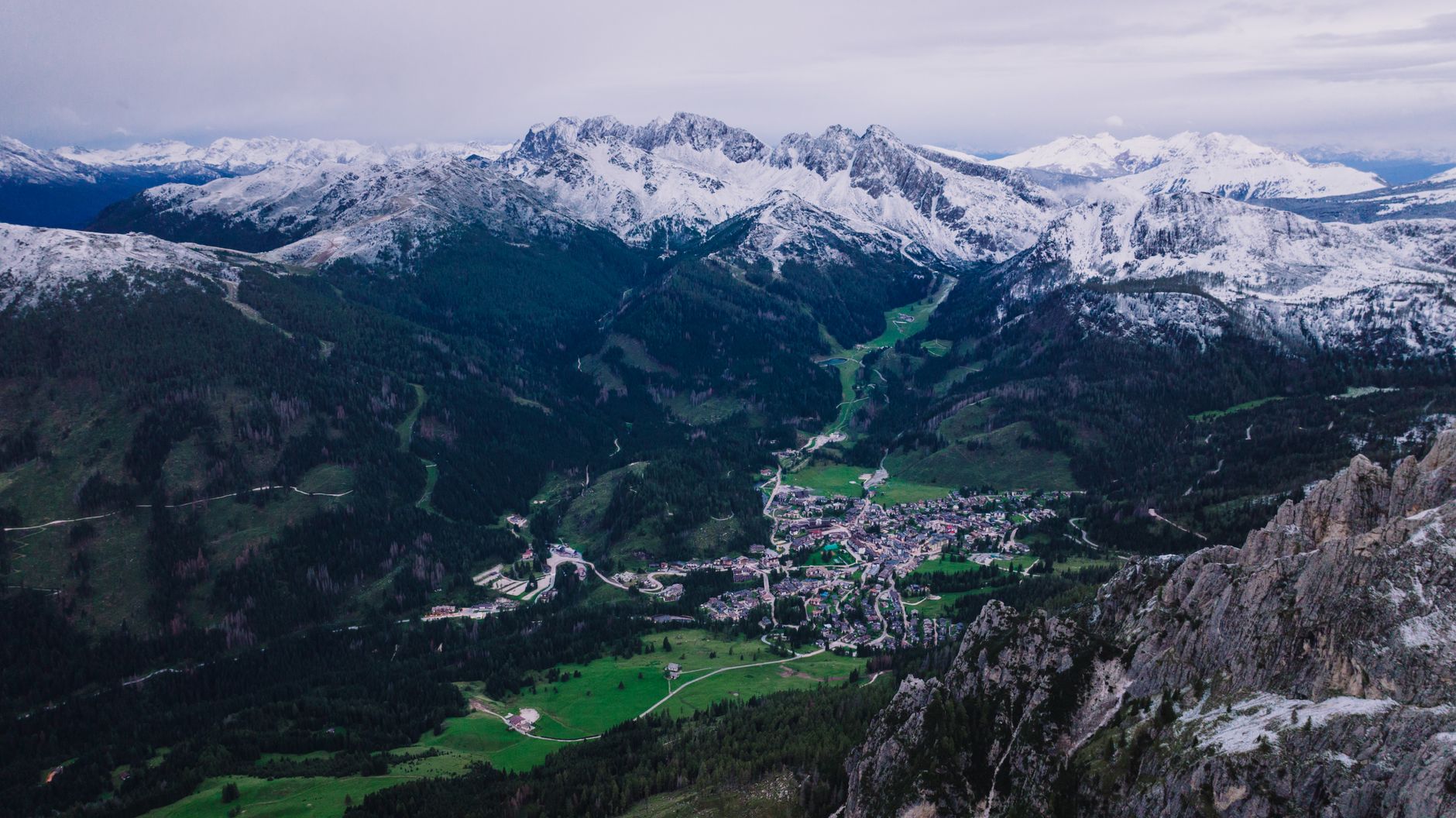
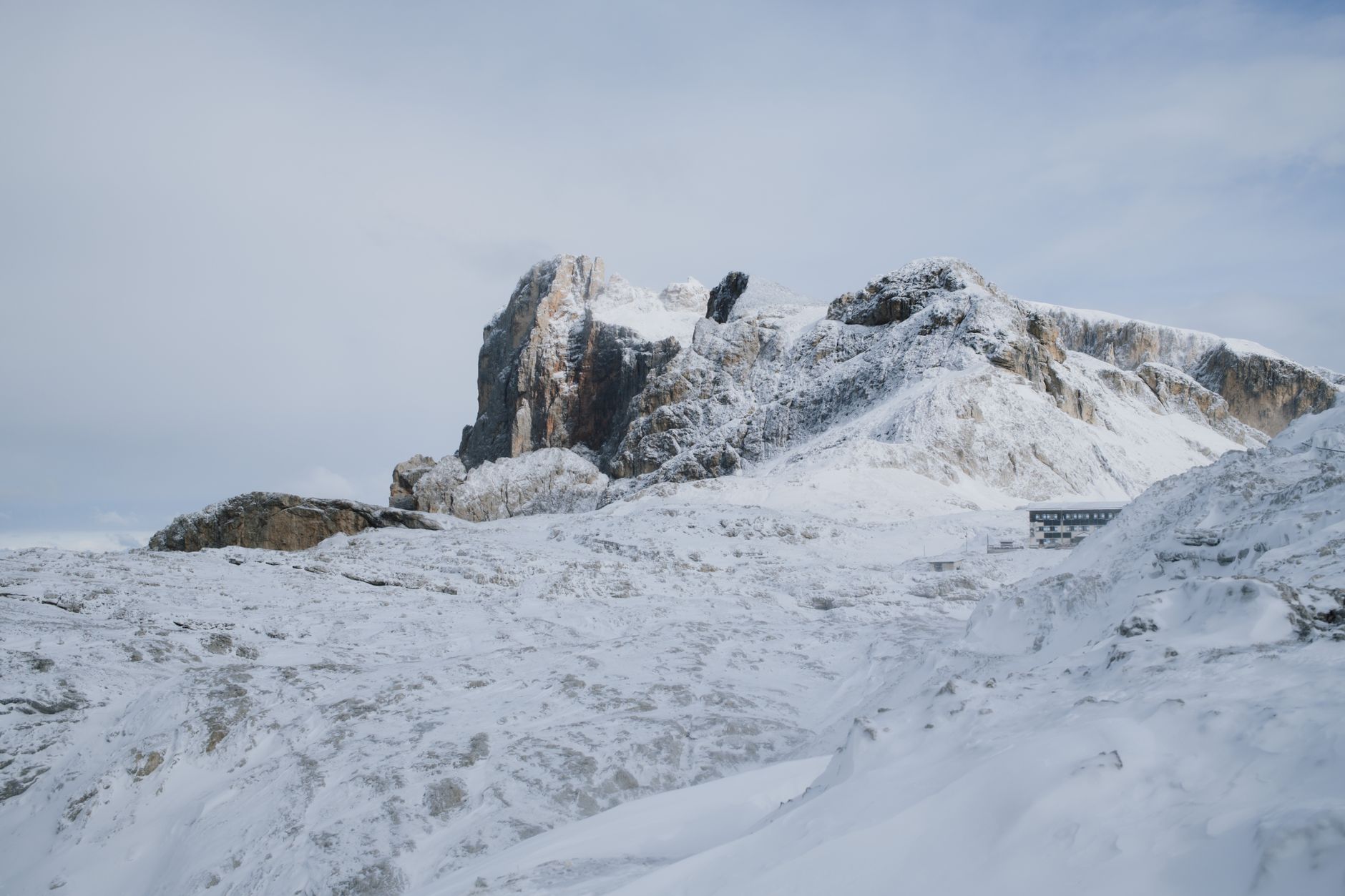
At 1,487 metres, San Martino di Castrozza sits at the foot of the Pale di San Martino — a wall of pale limestone towers that turns pink and purple at sunset in a phenomenon locals call the enrosadira. The Cimon della Pala, the Cima della Madonna, the Rosetta: they stand over the village like a permanent fact, visible from the street, from café windows, from the lifts.
The resort runs 60 kilometres of piste between 1,404 and 2,357 metres, with Passo Rolle anchoring the upper end at just under 2,000 metres. In summer, the same terrain opens into the Paneveggio-Pale di San Martino Natural Park, a UNESCO World Heritage landscape of spruce forest and high meadow that surrounds the valley on every side.
💛 What travellers fall for
People who come back tend to time a late afternoon walk along Via Fontanelle toward the Prati Col area specifically to catch the enrosadira — no lift required, just the right hour. They also mention the cross-country tracks inside the nature park as a quieter alternative when the main pistes are busy on weekends.
Experiences you don't want to miss


Deals in San Martino di Castrozza
Book directly at the provider
How San Martino di Castrozza came to be
A church and hospice dedicated to Saints Martino and Giuliano were established here in the eleventh century, offering shelter to travellers crossing the Dolomite passes. By the early fifteenth century the hospice had passed to Duke Sigismund of Austria and then to the Welsperg Counts; eventually the monks disappeared, though the tradition of taking in travellers did not. The Romanesque bell-tower of the Church of San Martino is all that physically remains of those origins.
Modern tourism arrived with an Irish traveller named John Ball, who built the first alpine hotel in 1873, two years after Austria opened the military road connecting Val di Fiemme to Primiero. By 1900 the village was a resort for the Austro-Hungarian elite — Sigmund Freud and Princess Sissi both visited. On 24 May 1915, retreating Austrian forces burned every building except the church. The village rebuilt through the 1920s; by 1932 ski instructors were teaching on the slopes, and Arthur Schnitzler had already set his 1924 novella Fräulein Else here.
Who and what shaped it
People who shaped it
Landmark buildings
See San Martino di Castrozza in motion
Plan your visit
On the map
When to go
Winters are properly cold — January highs barely reach freezing and nights drop to around -7°C — with reliable snow cover across almost all slopes. Summers are mild at altitude, with July and August highs around 20°C and cool nights; June is the wettest month, so if you're hiking, July through September gives the steadiest odds.
Right now
Background & history adapted from Wikipedia (CC BY-SA) · specs from Wikidata (CC0) · weather from Open-Meteo · map data © OpenStreetMap contributors · photos from Wikimedia Commons / Unsplash with per-image credit. No third-party reviews or social posts reproduced.