
Salisbury
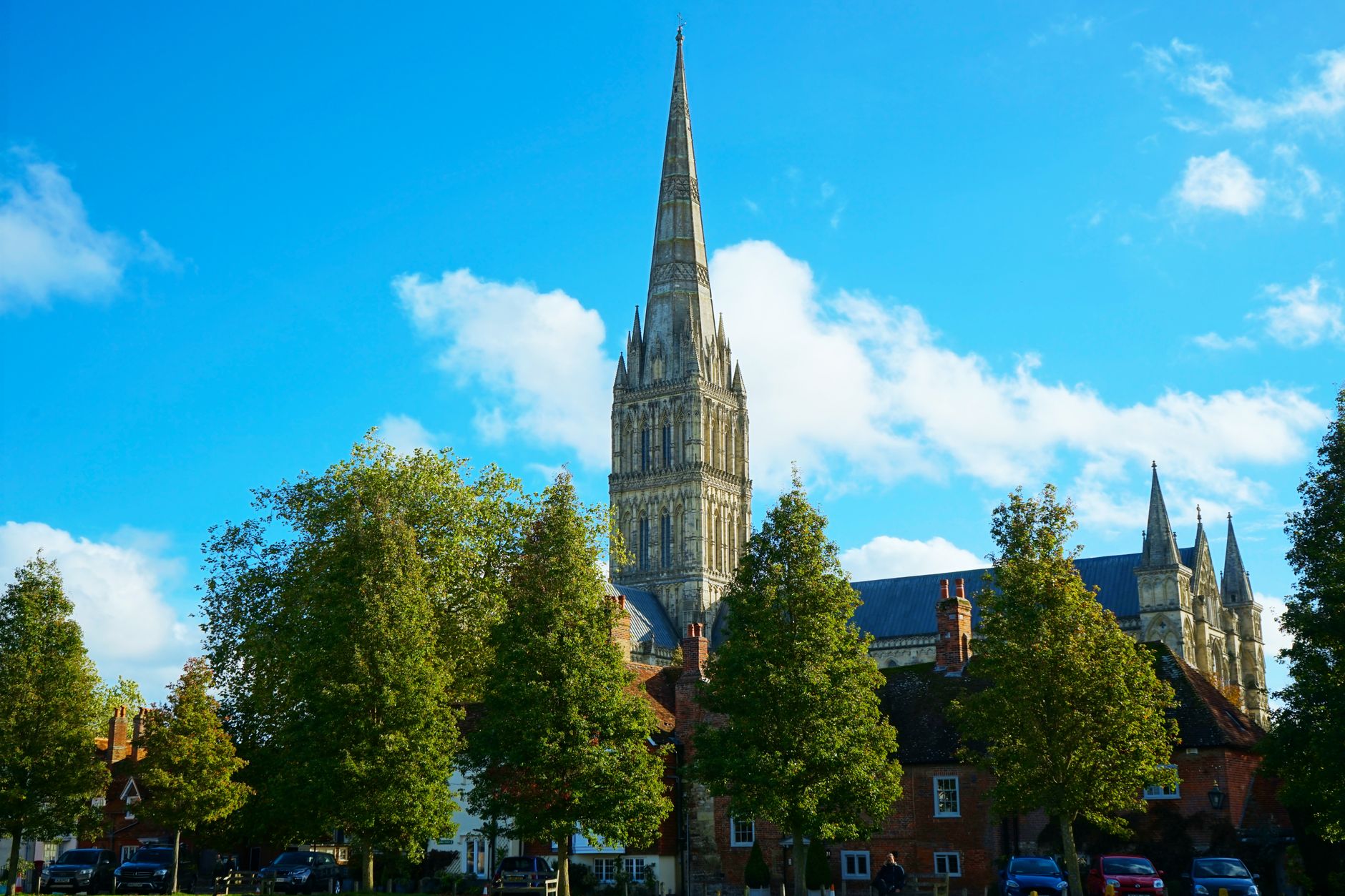
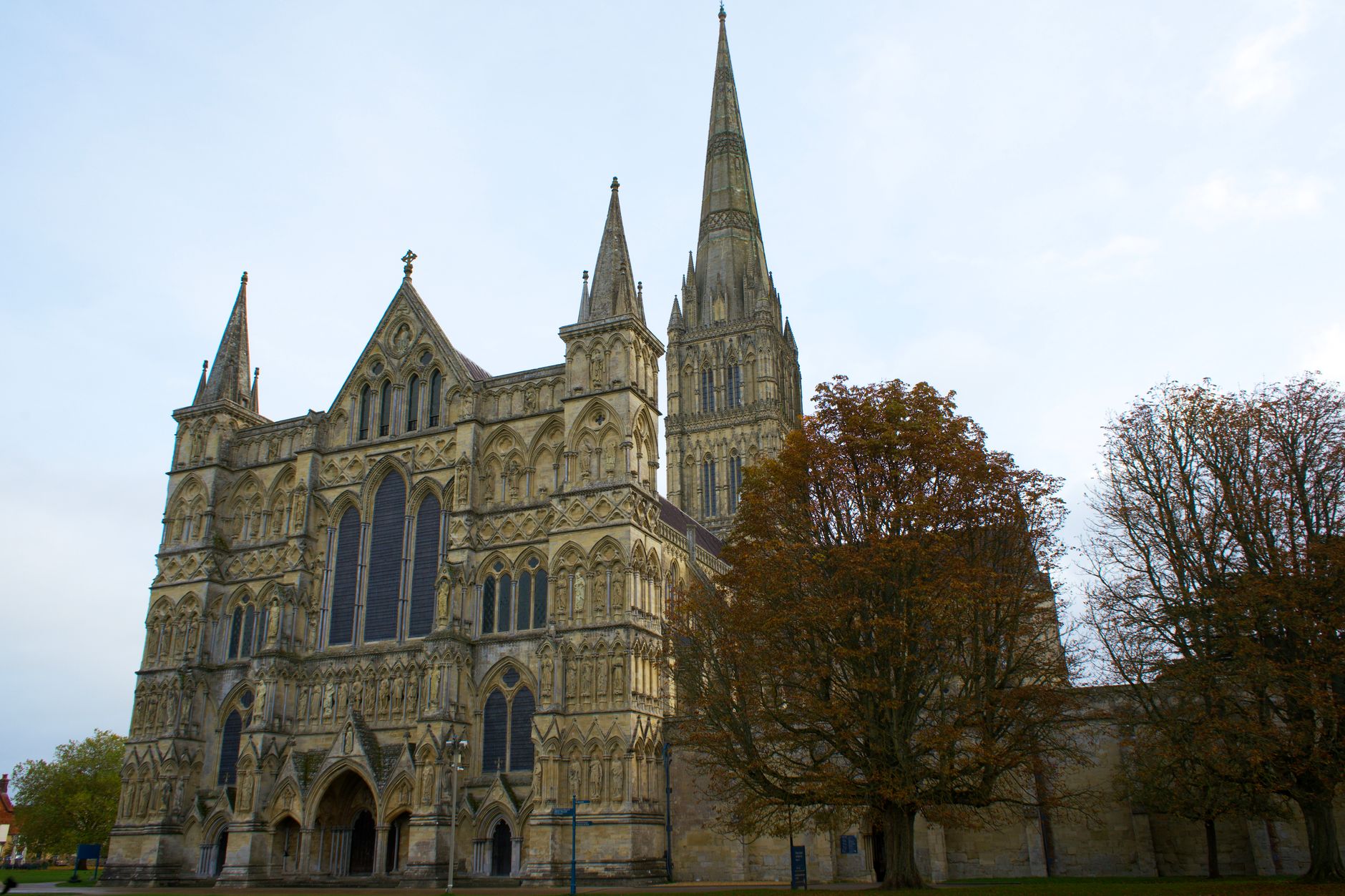
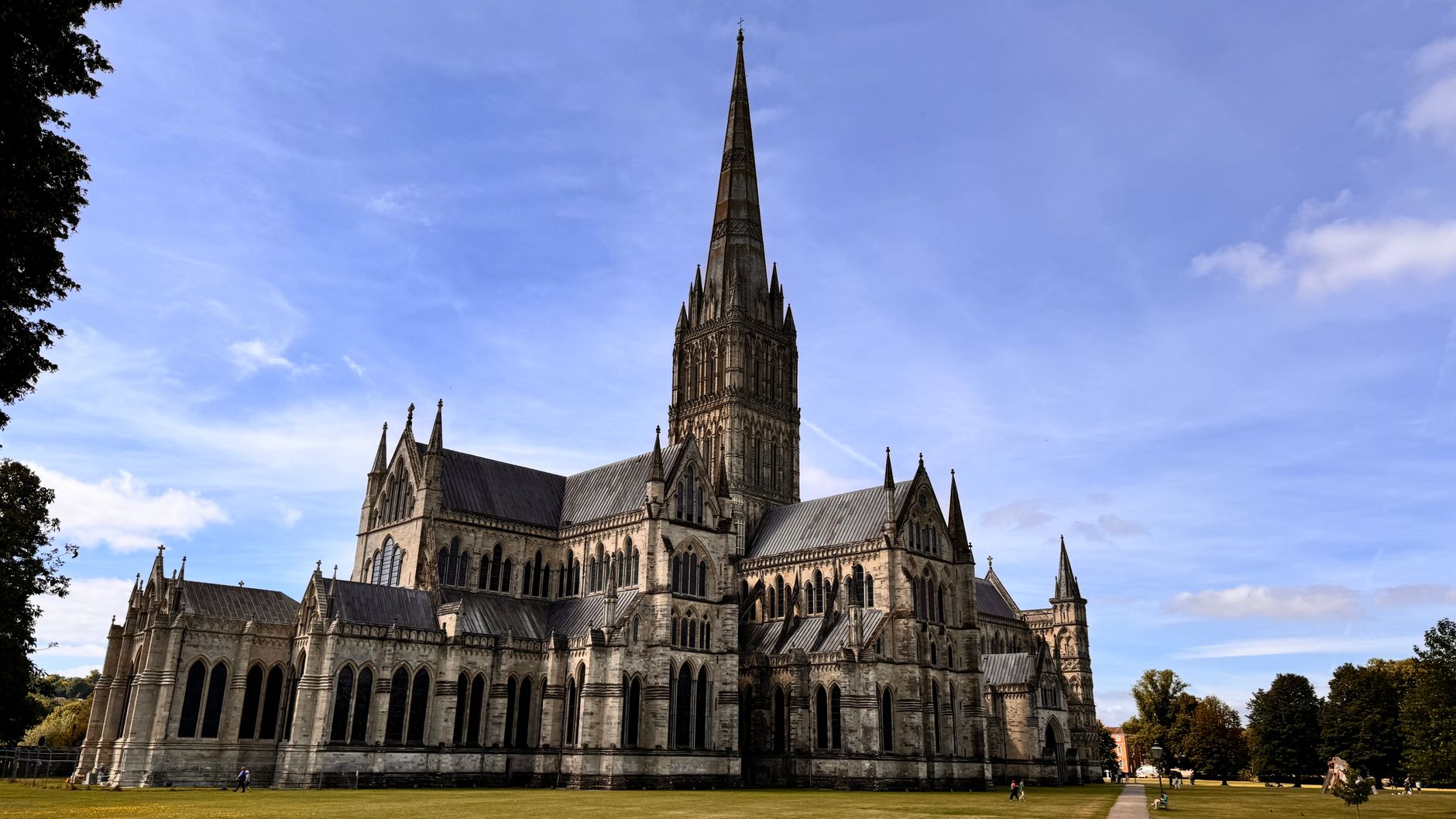
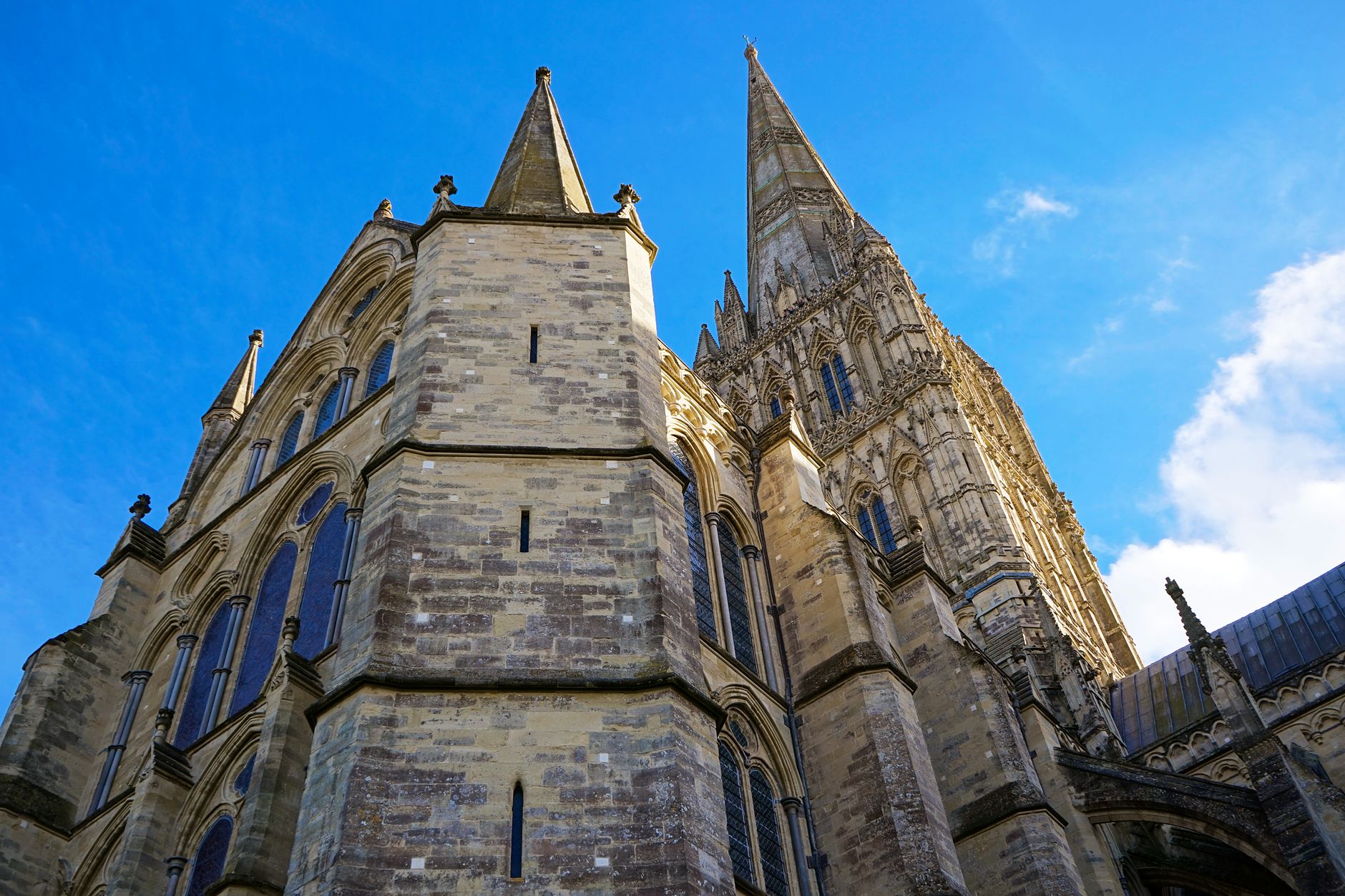
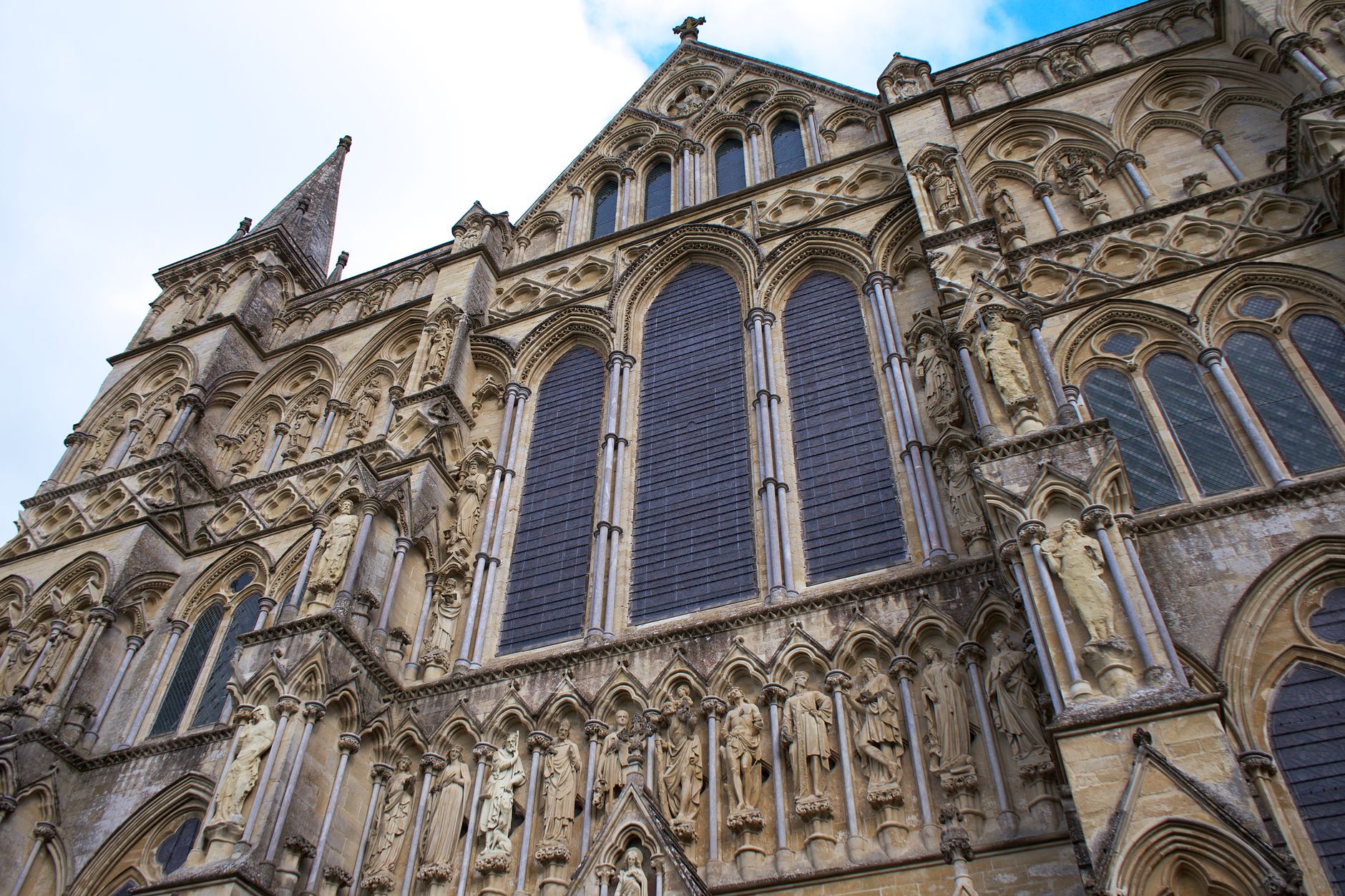
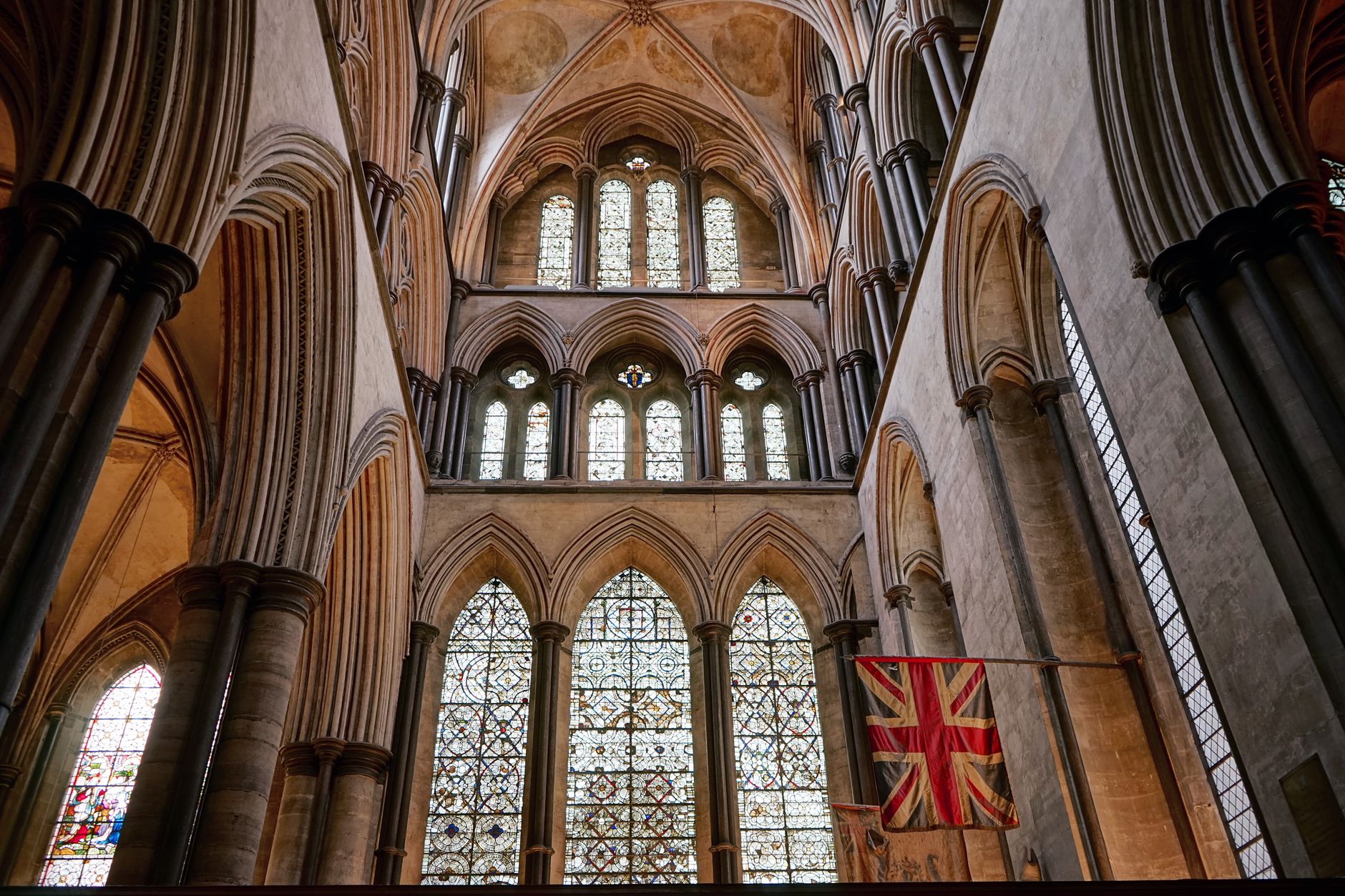
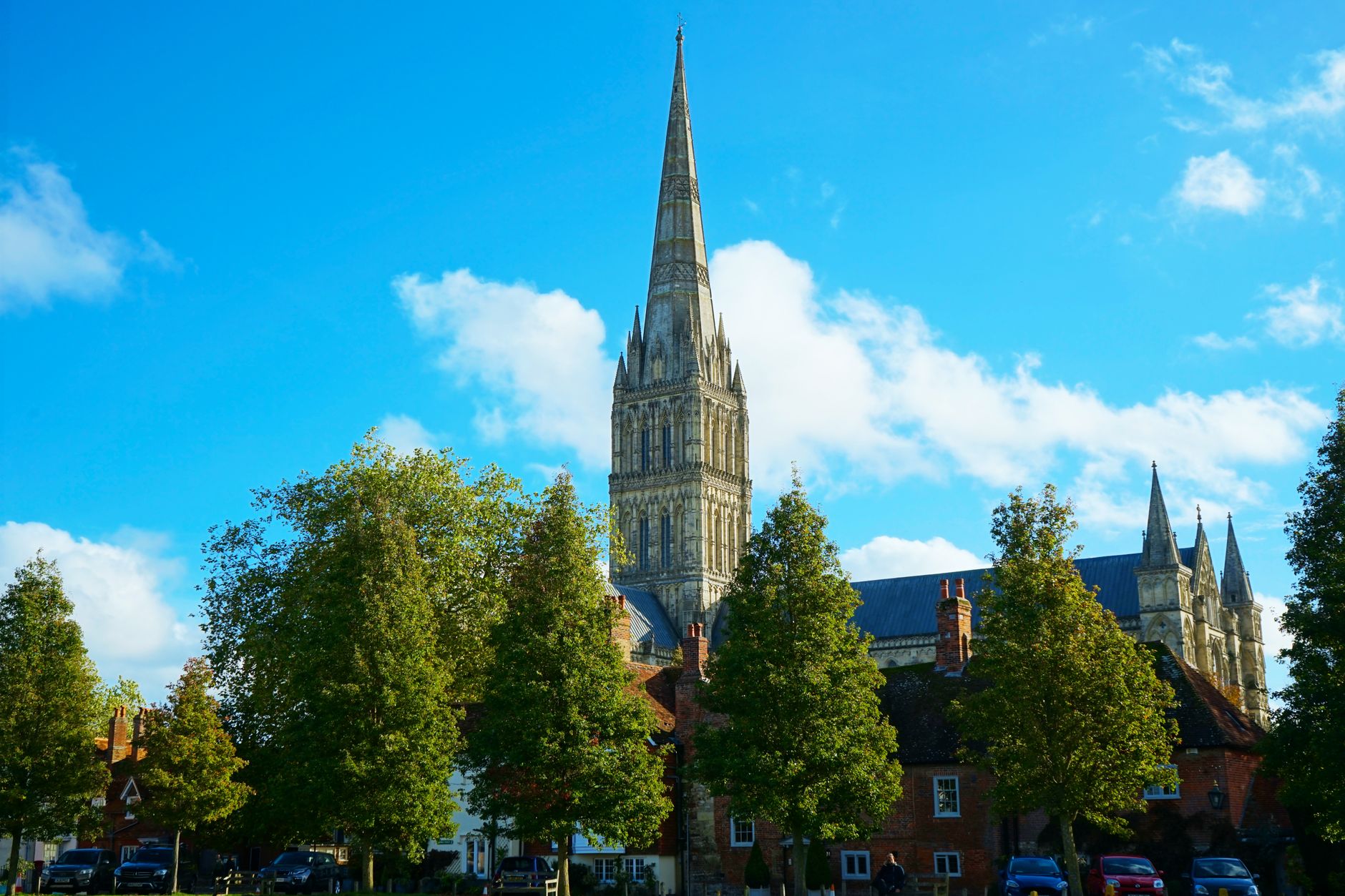
The tallest spire in England rises 404 feet from the water meadows, and it has been doing so since 1330. Salisbury Cathedral gives you your bearings the moment you arrive — visible from the train, from the surrounding hills, from almost anywhere in the city centre. Inside, a mechanical clock installed in 1386 still keeps time, making it the oldest surviving example in Britain, and one of only four original copies of Magna Carta sits in the chapter house.
The city itself is younger than you might expect. There was nothing here until 1220, when Bishop Richard Poore moved his diocese down from the windswept hill fort of Old Sarum and began building in the valley. The medieval street grid he laid out is still the one you walk today.
💛 What travellers fall for
People who come back tend to spend longer in the cathedral close than they planned — it is Britain's largest, and the buildings around it, including Mompesson House and Arundells, reward slow attention. The Poultry Cross, the sole survivor of four medieval market crosses, is worth finding on a market day when the stalls gather around it.
Deals in Salisbury
Book directly at the provider

How Salisbury came to be
Salisbury's story begins with a relocation. Old Sarum, two miles north, had been continuously occupied since the Iron Age — as a hill fort, a Roman settlement, an Anglo-Saxon stronghold, and finally a Norman bishopric after the see transferred from Sherborne in 1075. By the early 13th century, the hilltop site was overcrowded and short of water. Bishop Richard Poore petitioned to move, and on 28 April 1220 the foundation stones of a new cathedral were laid in the valley below by William Longespée, 3rd Earl of Salisbury, and Ela of Salisbury, 3rd Countess.
The settlement that grew up around the new cathedral, chartered as New Sarum in 1227, expanded fast. By the second half of the 14th century it was likely the seventh largest city in England. The railways arrived in the 1840s, connecting Salisbury to London, Exeter, Bristol and Southampton, and the city retained that role as a regional junction it still holds today. Its official name remained New Sarum until 2009.
Who and what shaped it
People who shaped it
Landmark buildings
See Salisbury in motion
Plan your visit
On the map
When to go
Salisbury sits in a river valley and catches its share of southern England's mild, damp weather — spring and early summer are the most reliably pleasant, with long light evenings. Winter visits are quieter and the cathedral interior is worth it in any season, but the water meadows around the close are at their best between April and October.
Right now
Background & history adapted from Wikipedia (CC BY-SA) · specs from Wikidata (CC0) · weather from Open-Meteo · map data © OpenStreetMap contributors · photos from Wikimedia Commons / Unsplash with per-image credit. No third-party reviews or social posts reproduced.