
Salamanca
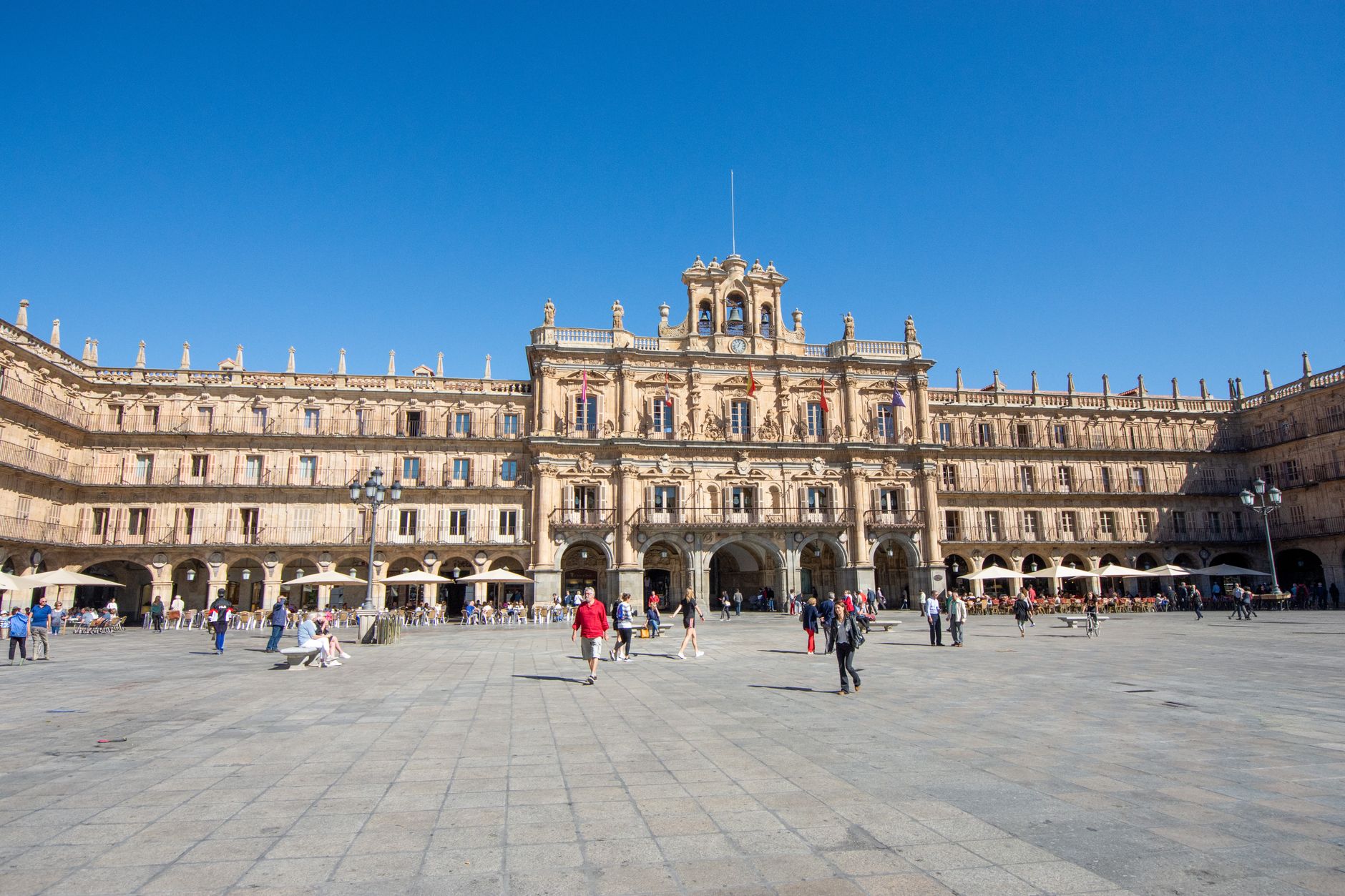
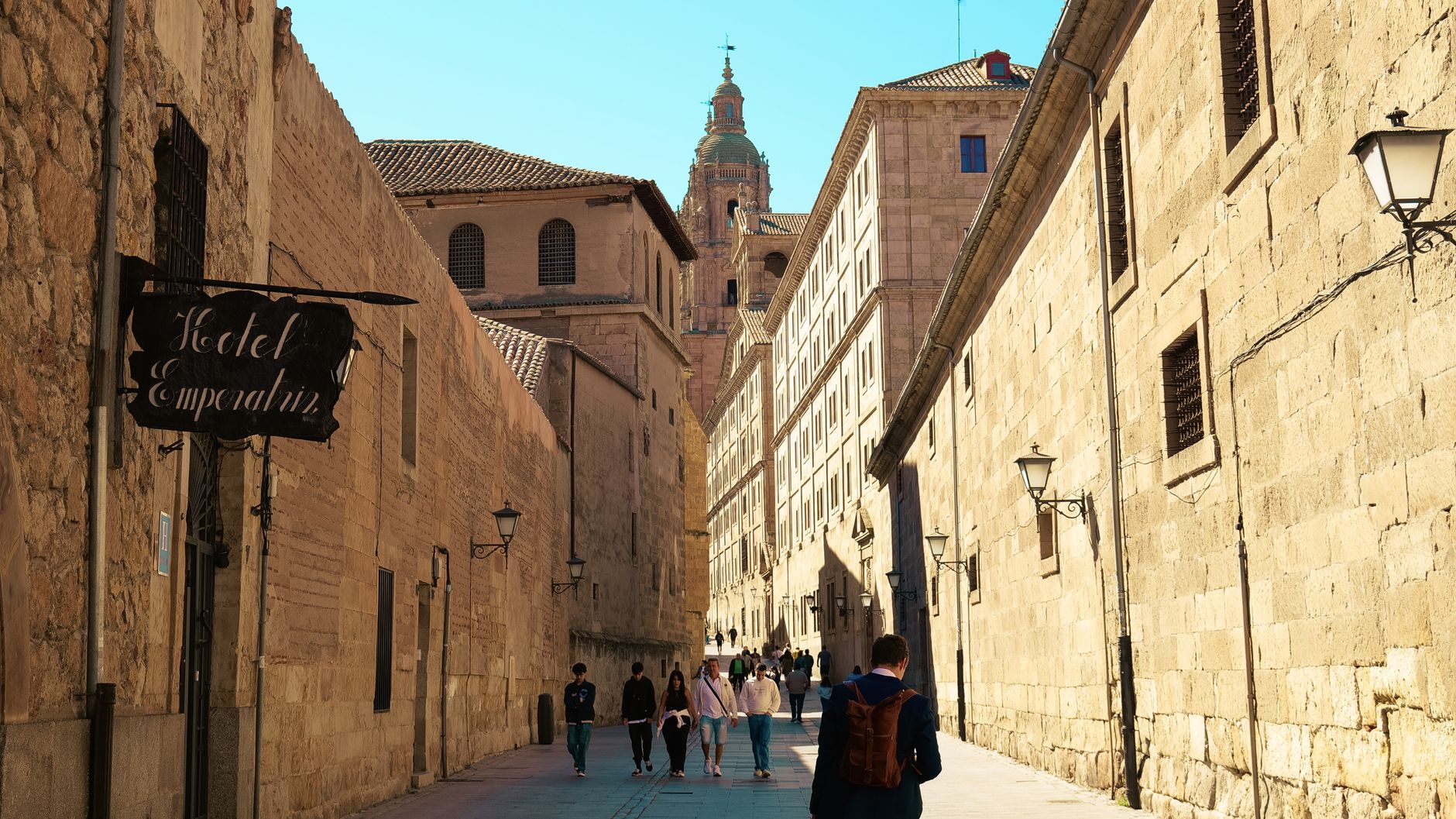
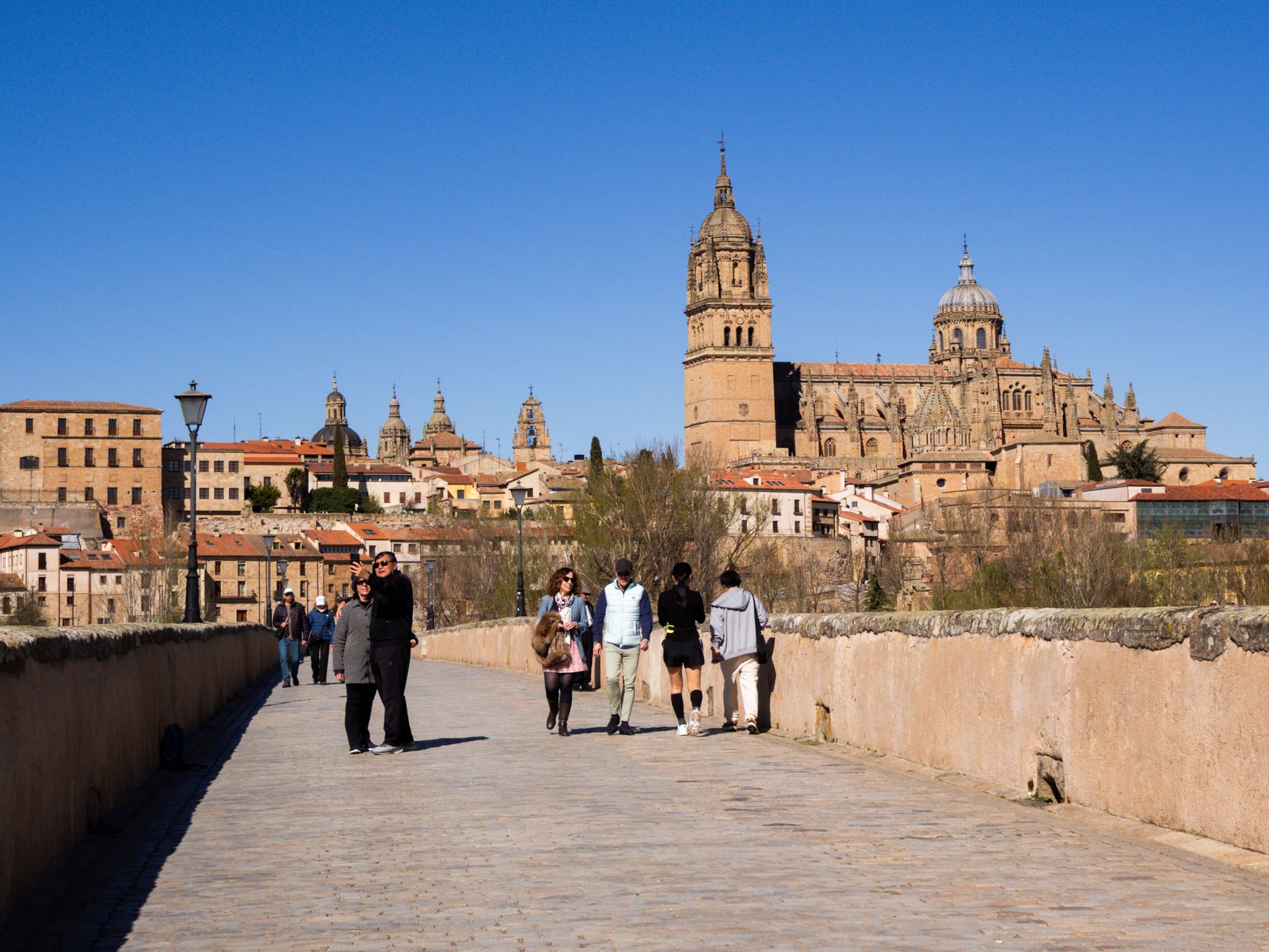
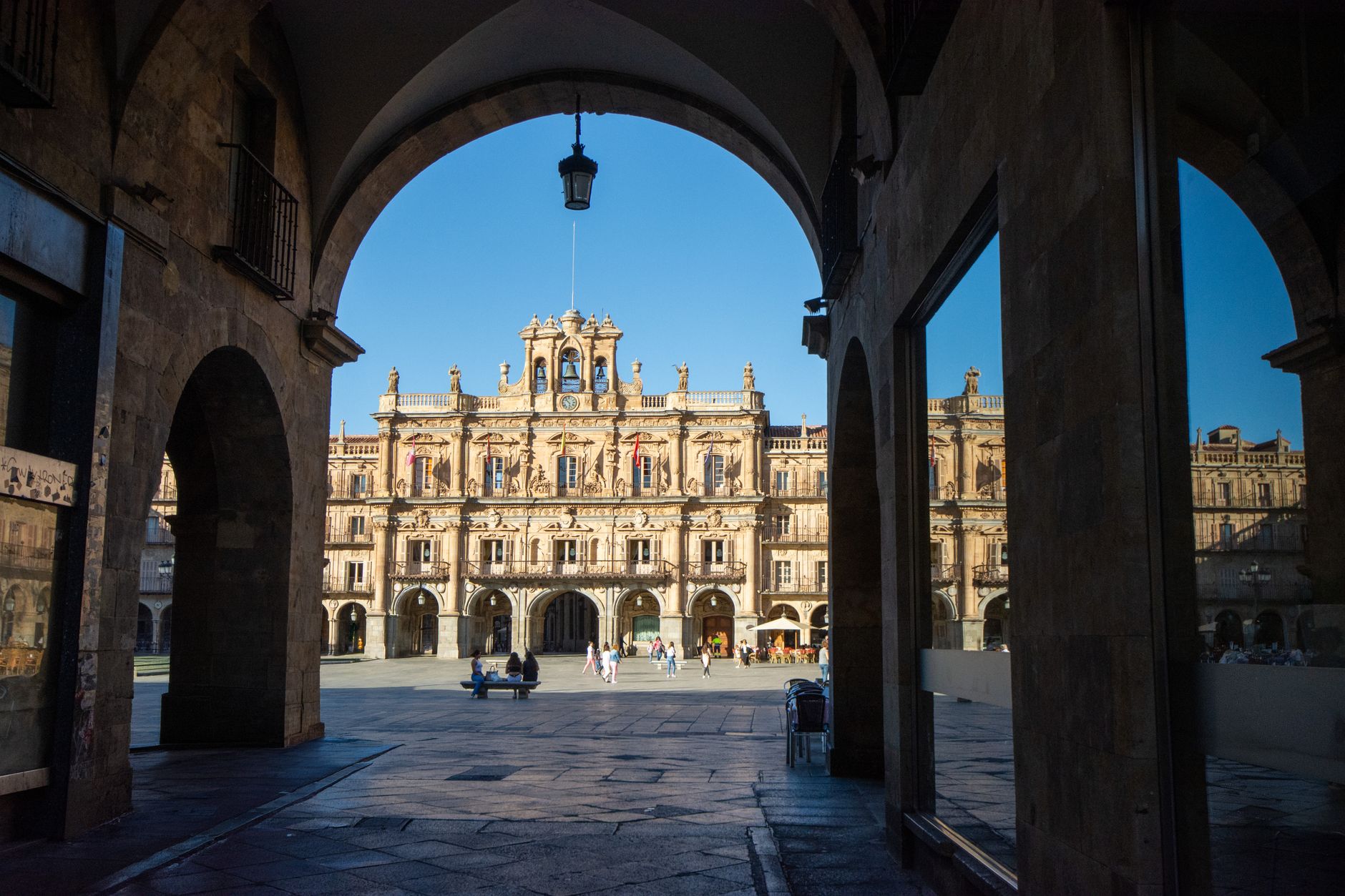
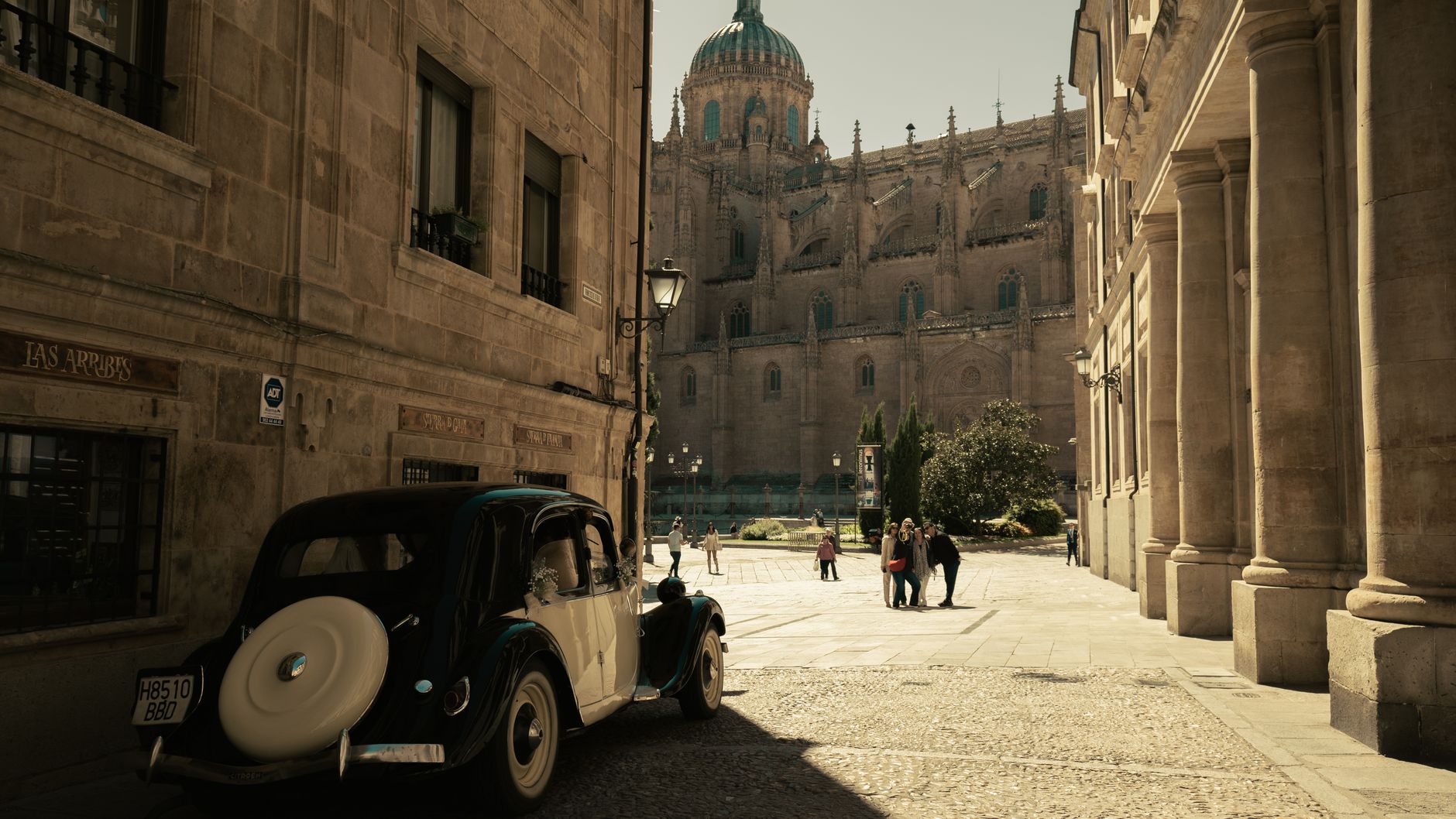
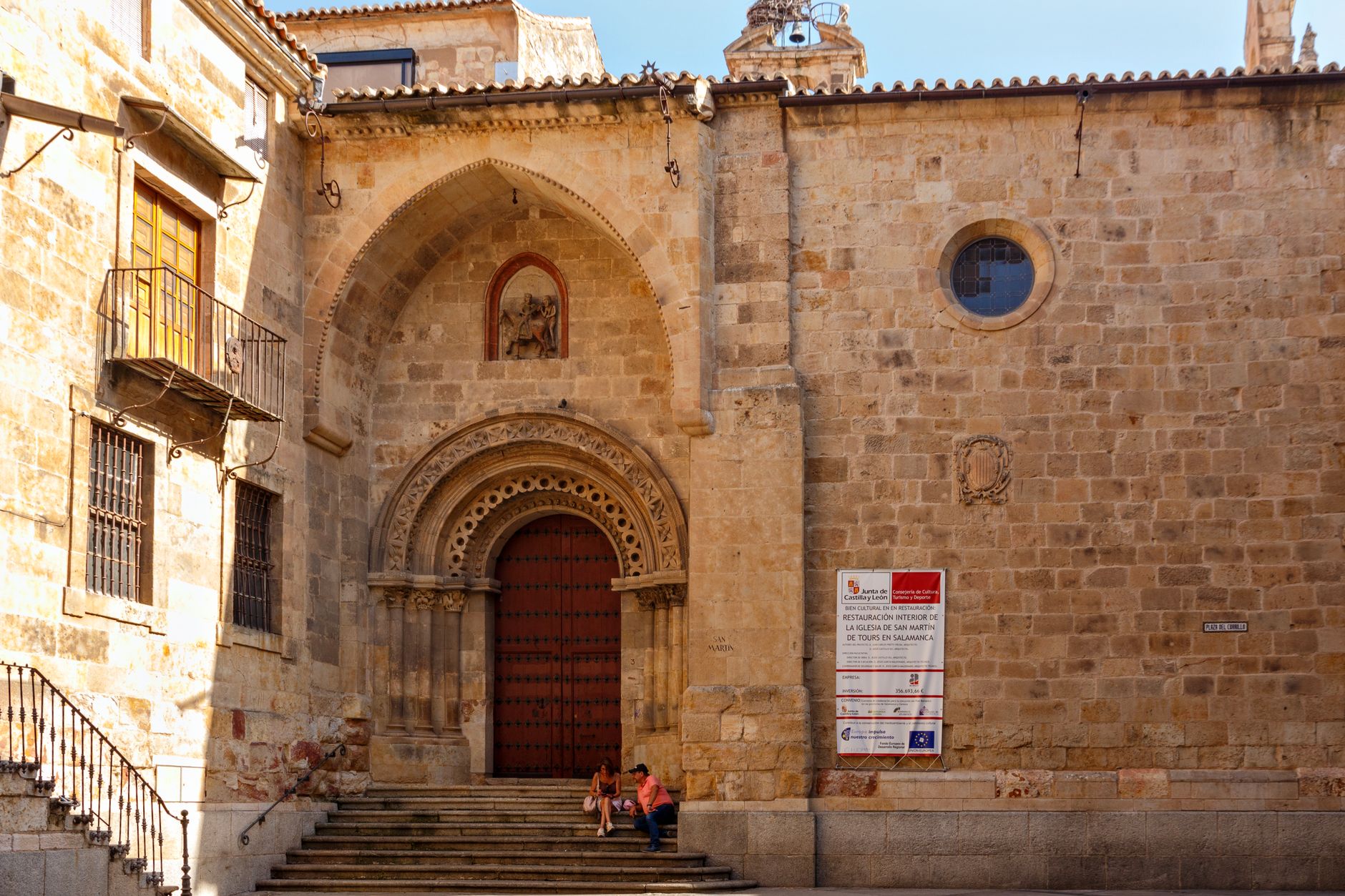
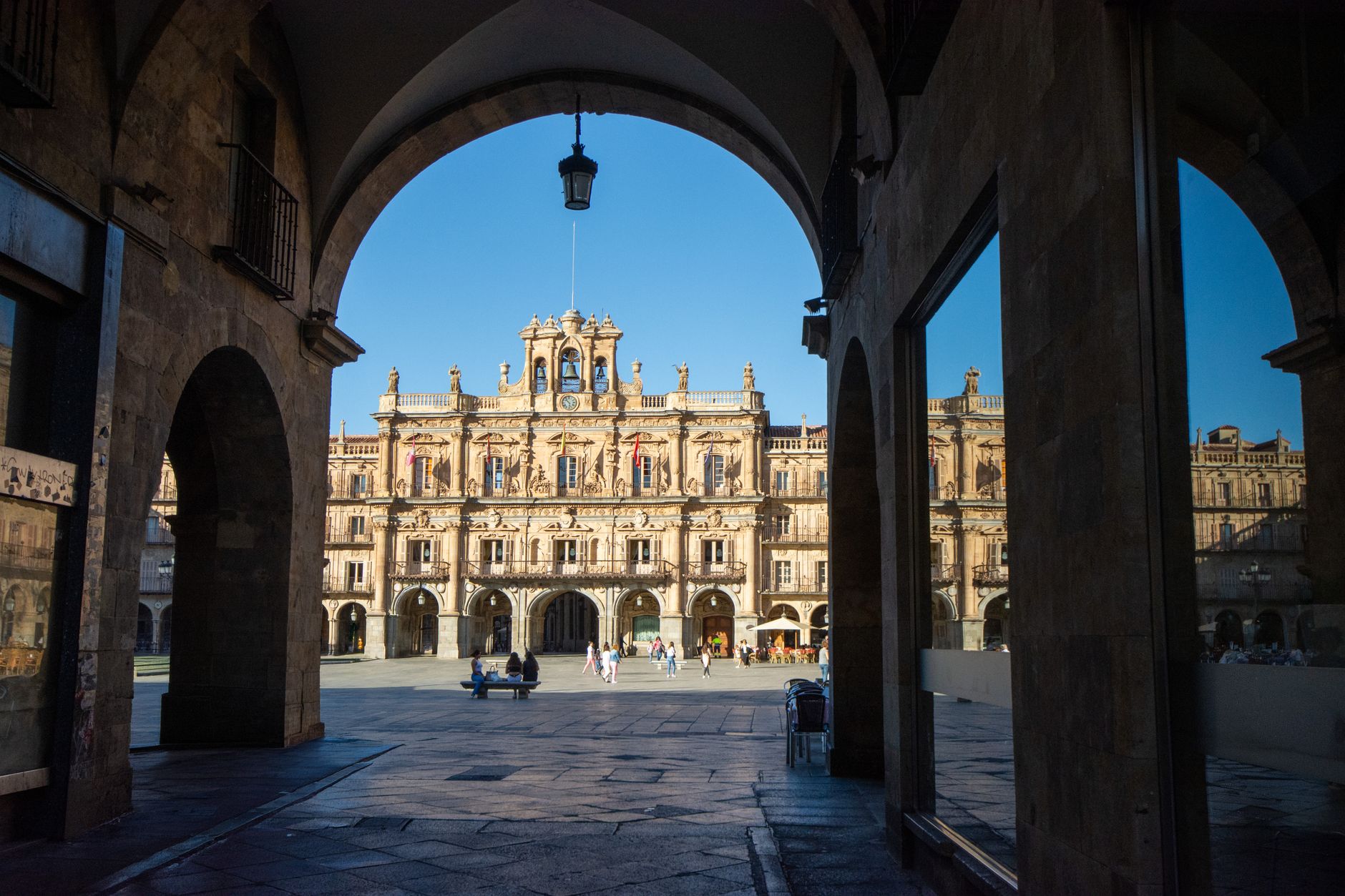
The stone here is golden — literally. Salamanca's buildings are cut from Villamayor sandstone, and on a late afternoon the entire old city seems to hold sunlight inside it. The Plaza Mayor, finished in 1755, has 88 arches running around its perimeter, and people have been sitting under them for nearly three centuries doing more or less the same things: drinking coffee, arguing, watching.
This is a university city that has been a university city since 1218, which means the streets have always mixed students with scholars, and the architecture keeps recording that tension between ambition and devotion. The two cathedrals stand shoulder to shoulder — the Romanesque Old Cathedral and the Gothic New, begun in 1513 — and the university's Plateresque façade still has a carved frog somewhere in its stonework that students have been hunting for generations.
💛 What travellers fall for
People who come back tend to make the Ieronimus tower a ritual — the €4 rooftop access from Plaza Juan XXIII gives you the cathedrals at close range, which changes how you read the city below. They also learn the Convent of Las Dueñas closes at midday and plan accordingly, and they eat later than they think they should.
Experiences you don't want to miss


Deals in Salamanca
Book directly at the provider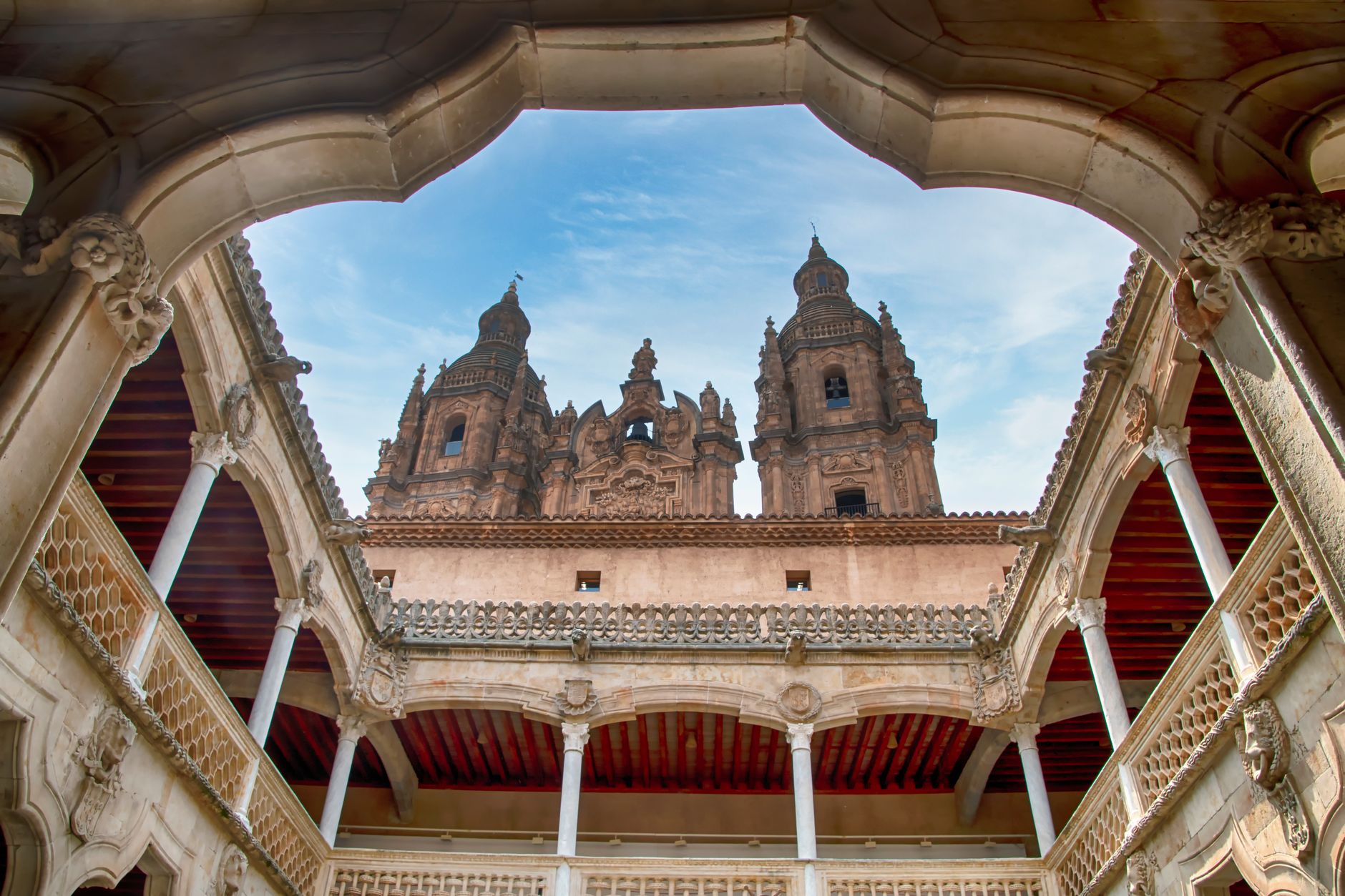

How Salamanca came to be
Celtic Vacceos fortified this site around 400 BC. Carthaginian forces under Hannibal took it in 222 BCE, and it became the Roman civitas of Salmantica. The Moors held the city from 712 until repopulation followed Alfonso VI's conquest of Toledo in 1085. Ferdinand II of León granted it a charter of privileges in 1178, and Alfonso IX founded the university in 1218 — one of the oldest in Europe.
For the next three centuries Salamanca was a place where the world's questions came to be examined. Antonio de Nebrija wrote the first grammar of Castilian Spanish here. Francisco de Vitoria and his students effectively invented international law as a discipline. Christopher Columbus presented his voyage plans to a council of geographers at the university. Miguel de Unamuno served as rector until his death in 1936. UNESCO recognised the old city as a World Heritage site in 1988.
Who and what shaped it
People who shaped it
Landmark buildings
See Salamanca in motion
Plan your visit
On the map
When to go
Summers run genuinely hot — July and August average close to 30°C — while winters are cold enough that nighttime temperatures regularly drop below freezing and snow is more common here than in Madrid. Spring and early autumn give you the most comfortable conditions for walking the city at length.
Right now
Background & history adapted from Wikipedia (CC BY-SA) · specs from Wikidata (CC0) · weather from Open-Meteo · map data © OpenStreetMap contributors · photos from Wikimedia Commons / Unsplash with per-image credit. No third-party reviews or social posts reproduced.