
Saint-Malo
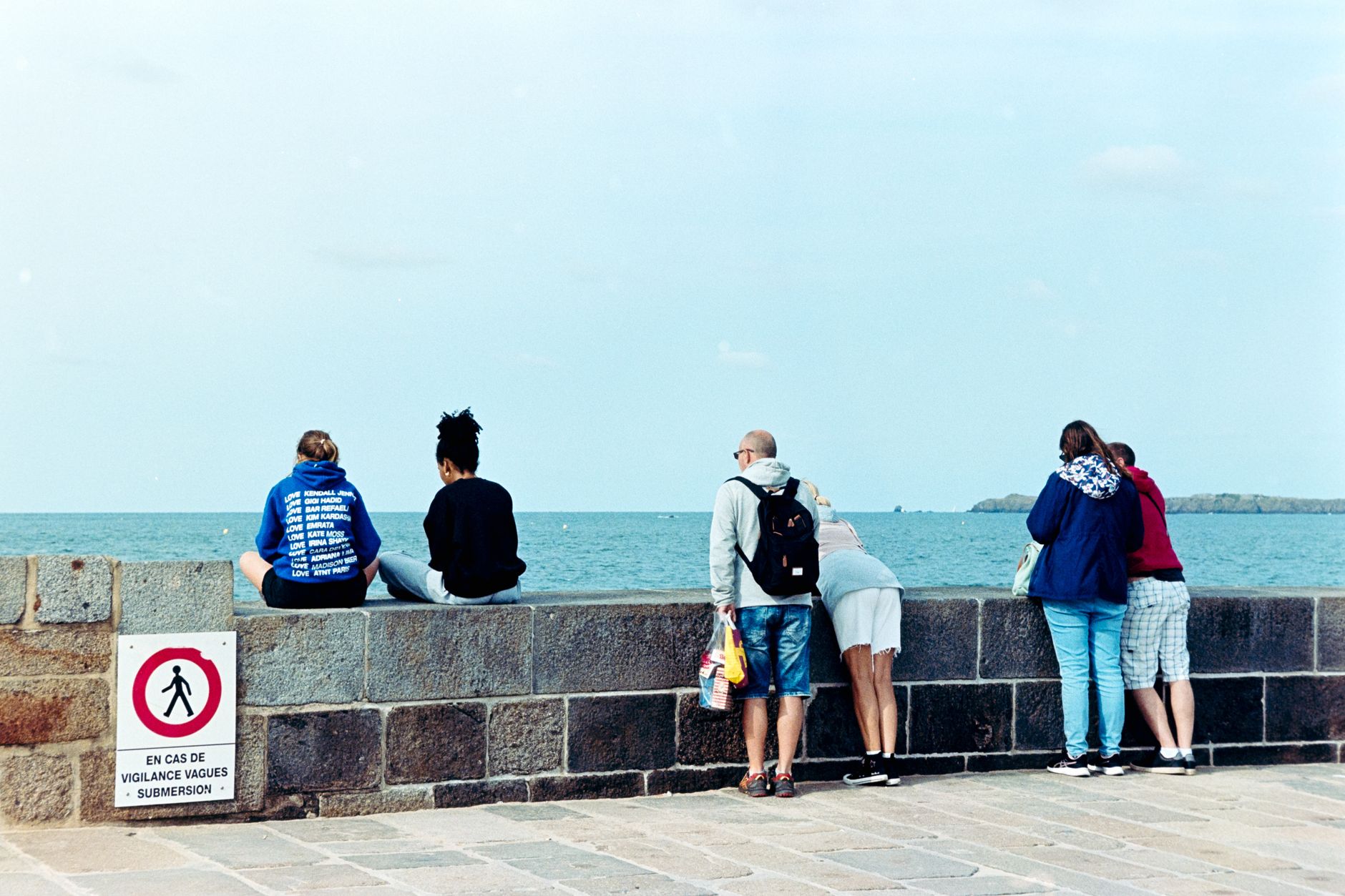
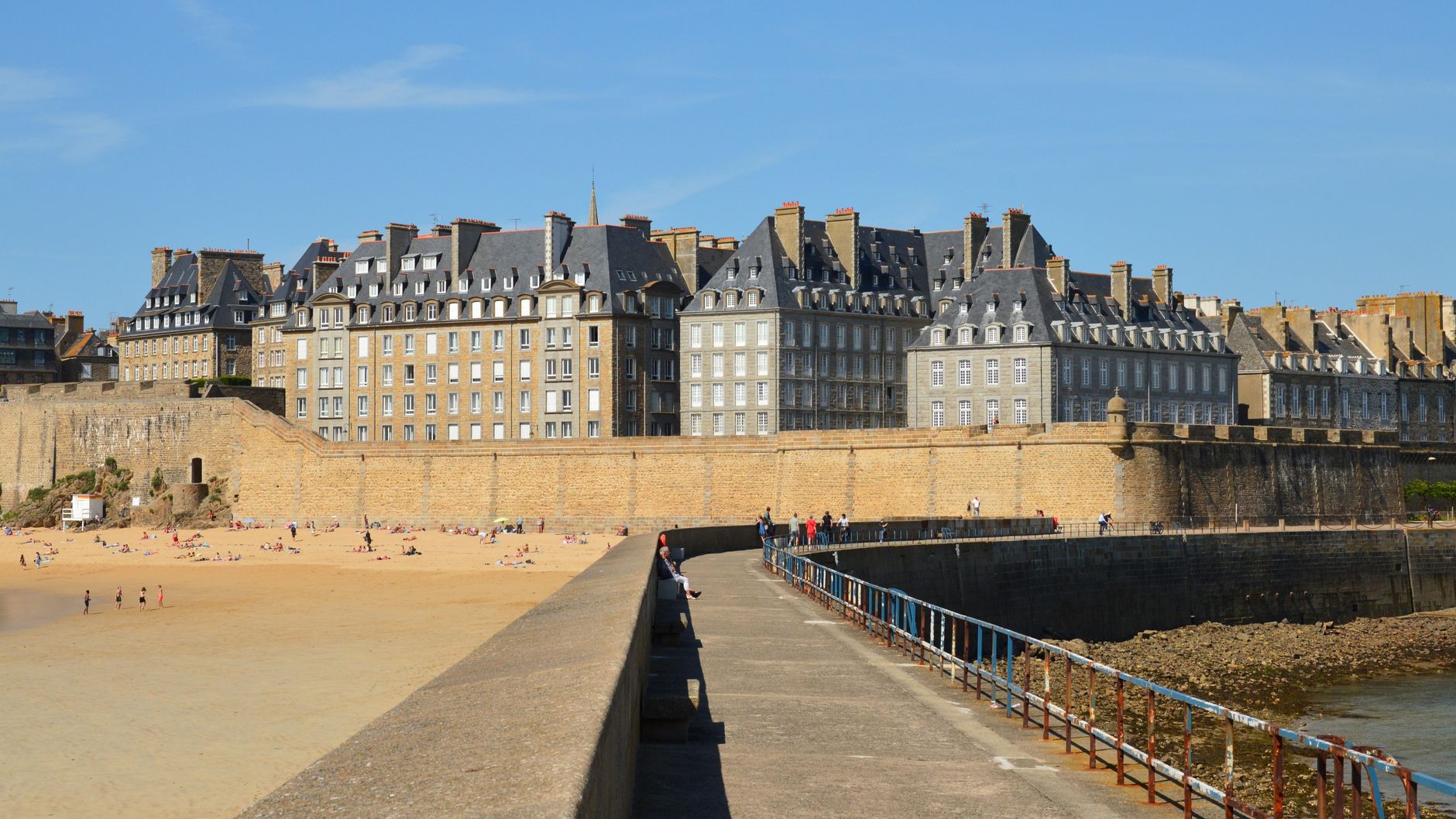
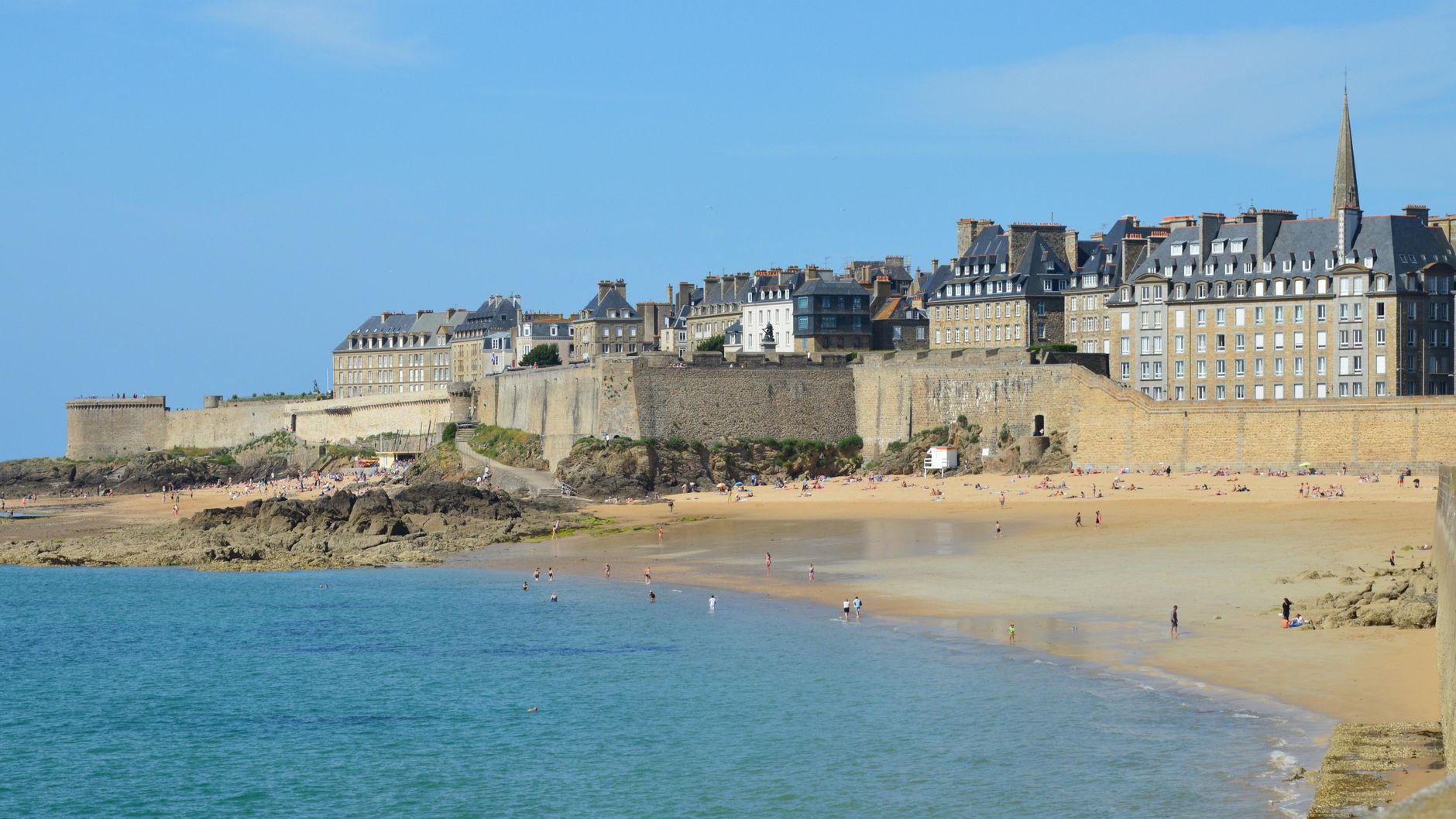
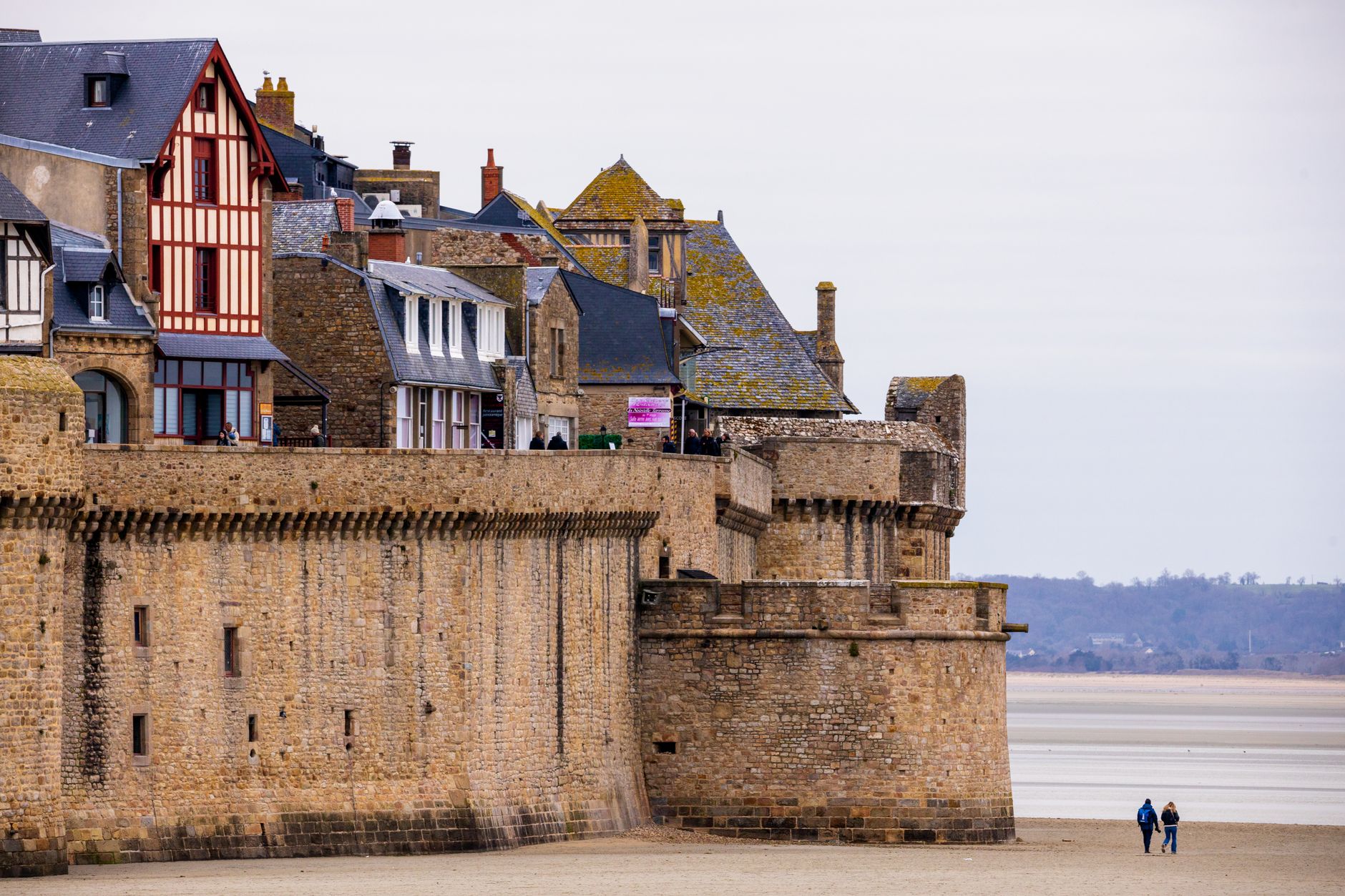
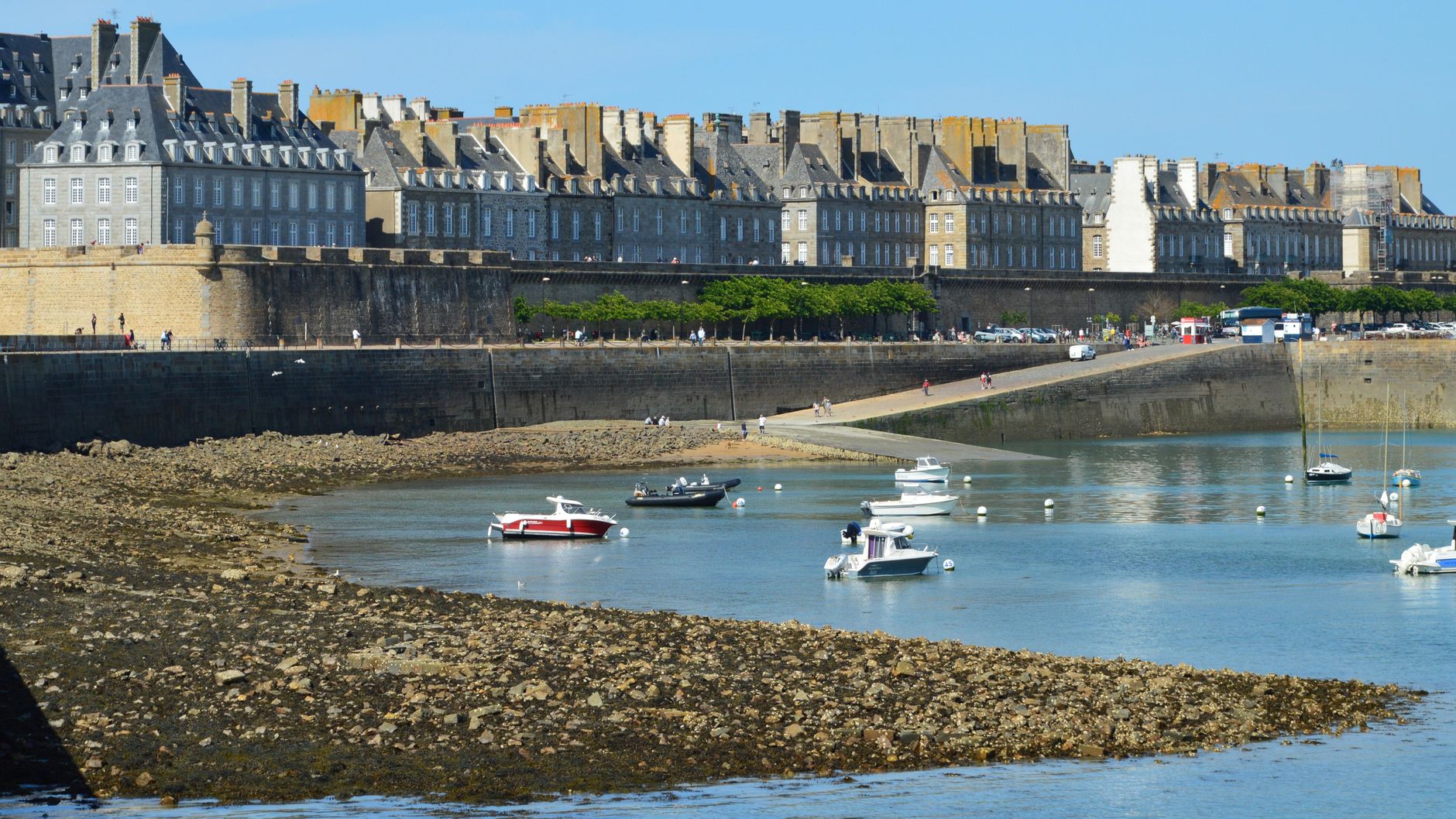
Stand on Saint-Malo's granite ramparts and you are looking at a city that was rebuilt, almost from nothing, between 1948 and 1960. American shelling in late August 1944 demolished more than 680 buildings within the old walls. What looks medieval is largely a careful, stone-by-stone reconstruction — and knowing that makes the place more interesting, not less.
The walled city, the Intra Muros, sits on a peninsula where the tides run fast and wide. At low water, you can walk out to the island of Grand Bé, where Chateaubriand is buried. At high water, the sea reclaims the causeway entirely. The rhythm of the tides shapes your day here in ways that no other French city quite manages.
💛 What travellers fall for
People who come back tend to time the Grand Bé crossing precisely — leave too late and you're stranded, or worse, wet. They walk the full 2 km of ramparts first thing in the morning before the tour groups arrive. And they eat at tables facing the sea rather than the souvenir shops on Rue de Dinan.
Experiences you don't want to miss


Deals in Saint-Malo
Book directly at the provider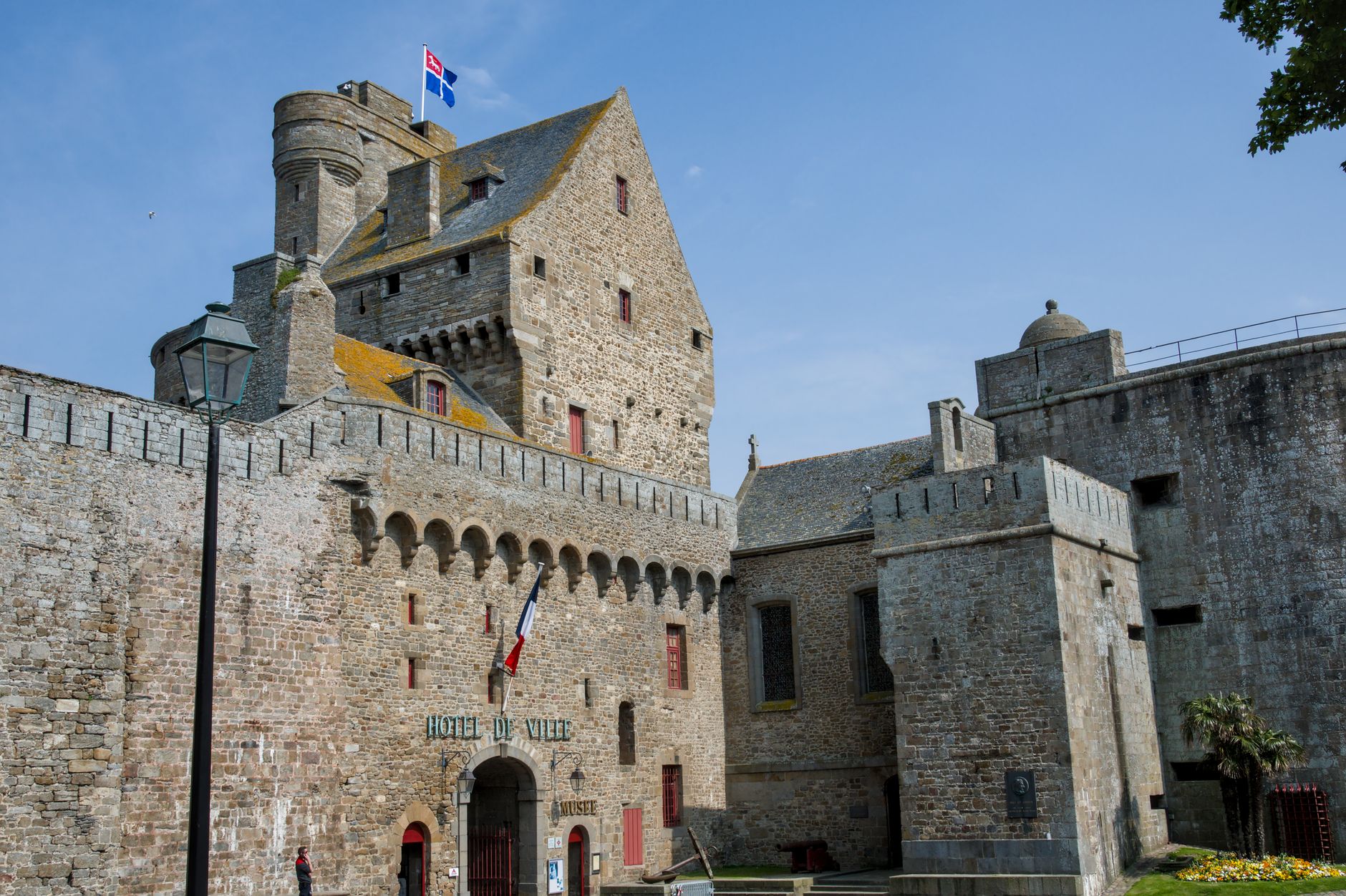

How Saint-Malo came to be
Saint-Malo takes its name from a sixth-century Welsh monk, Malo or Maclou, who settled here after earlier monastic communities had already established themselves on the site. The first stone walls went up in the 12th century on the orders of Bishop Jean de Chatillon. By the late 16th century, the city had grown confident enough to declare itself an independent republic — a status it held from 1590 to 1594.
The corsairs who sailed from here under royal licence made the city wealthy. Jacques Cartier, born here in 1491, sailed west and reached the coast of Canada. The privateer Robert Surcouf lived near the Porte de Dinan. That maritime wealth built the houses that were then destroyed in 1944 and painstakingly reconstructed over the following decade.
Who and what shaped it
People who shaped it
Landmark buildings
See Saint-Malo in motion
Plan your visit
On the map
When to go
Saint-Malo has an oceanic climate: cool, frequently wet, and windy year-round, with autumn and winter bringing the roughest weather. Summer months are the mildest and the most crowded; spring and early September offer a reasonable balance of light and manageable crowds.
Right now
Background & history adapted from Wikipedia (CC BY-SA) · specs from Wikidata (CC0) · weather from Open-Meteo · map data © OpenStreetMap contributors · photos from Wikimedia Commons / Unsplash with per-image credit. No third-party reviews or social posts reproduced.