
Saint-Étienne
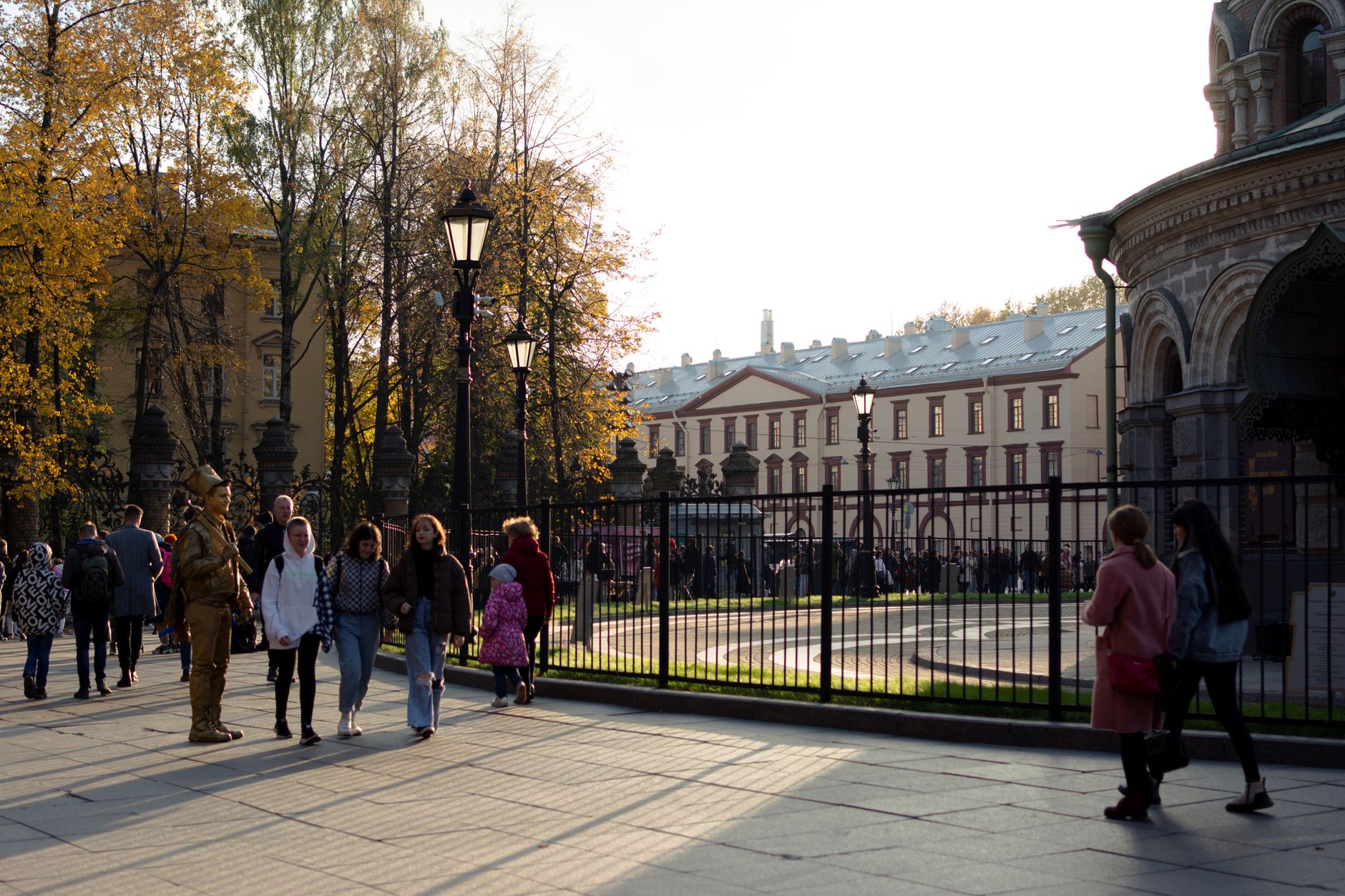
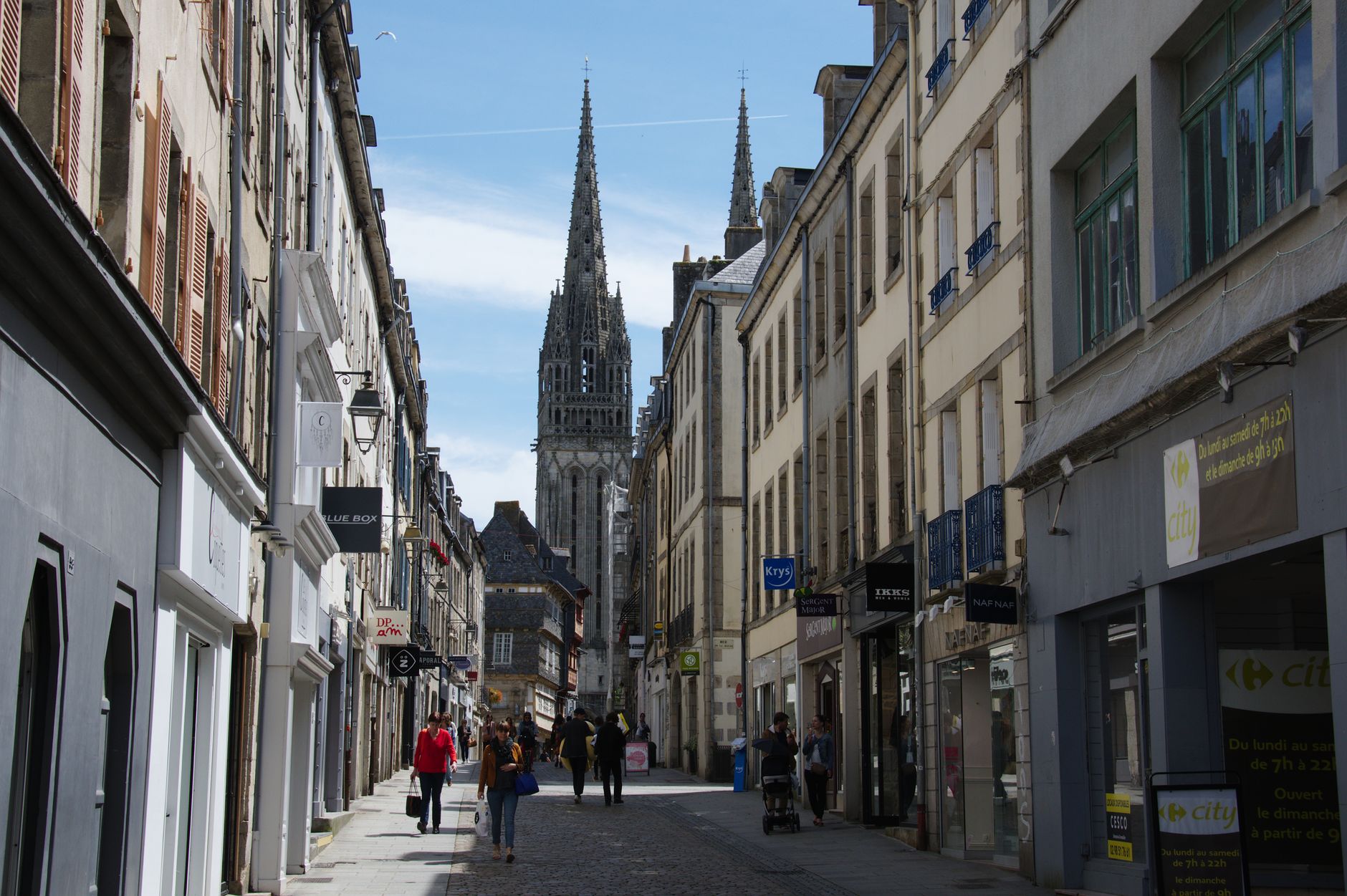
Saint-Étienne announces itself in dark stone and industrial bone structure — a city that made rifles, ribbons, bicycles and coal before it decided to make design its next act. The Musée d'Art Moderne holds one of the largest collections of contemporary art in France, and La Cité du Design sits on the footprint of the old arms factory, its 32-metre observation tower giving you the whole grey-green valley at once.
This is not a city that performs charm. It earns it slowly, through the Grand'Église's sandstone walls and the descent into the reconstructed mine at Musée de la Mine, through a UNESCO design pedigree and the unlikely fact that the composer of Werther and Manon grew up here.
💛 What travellers fall for
Regulars tend to mention the same sequence: coffee near the Grand'Église before the tourist traffic arrives, then the Musée d'Art et d'Industrie for the ribbon and weapons collections, then the Cité du Design in the afternoon when the light hits the tower. The opera house, they say, is worth catching a production in — the workshops are built into the walls.
Experiences you don't want to miss



Deals in Saint-Étienne
Book directly at the provider


How Saint-Étienne came to be
The city takes its name from Saint Stephen, and it was already a small borough around a church dedicated to him by the 13th century, sitting within lands belonging to the Cistercian Abbey of Valbenoîte, founded in 1222. Arms manufacturing arrived in the 16th century, ribbon-making in the 17th, and in 1828 engineer Marc Seguin built the first railway in France here — ten miles of track carrying coal from the city to the Loire at Andrézieux, using a tubular steam boiler of his own invention.
The 19th century made Saint-Étienne a serious industrial power: coal, steel, textiles. Étienne Mimard co-founded Manufrance and pioneered mail-order retail in France; Geoffroy Guichard built the Casino trading empire from the same soil. Coal mining ended in the 1970s, and the city has spent the decades since remaking itself — a design biennale from 1998, UNESCO City of Design status in 2010, and La Cité du Design on the old factory site in 2009.
Who and what shaped it
People who shaped it
Landmark buildings
See Saint-Étienne in motion
Plan your visit
On the map
When to go
Saint-Étienne sits at around 500 metres elevation, which keeps summers cooler than Lyon but means winters can be raw and occasionally snowy. April through June and September through October give the most reliable weather for walking the city.
Right now
Background & history adapted from Wikipedia (CC BY-SA) · specs from Wikidata (CC0) · weather from Open-Meteo · map data © OpenStreetMap contributors · photos from Wikimedia Commons / Unsplash with per-image credit. No third-party reviews or social posts reproduced.