
Rochefort
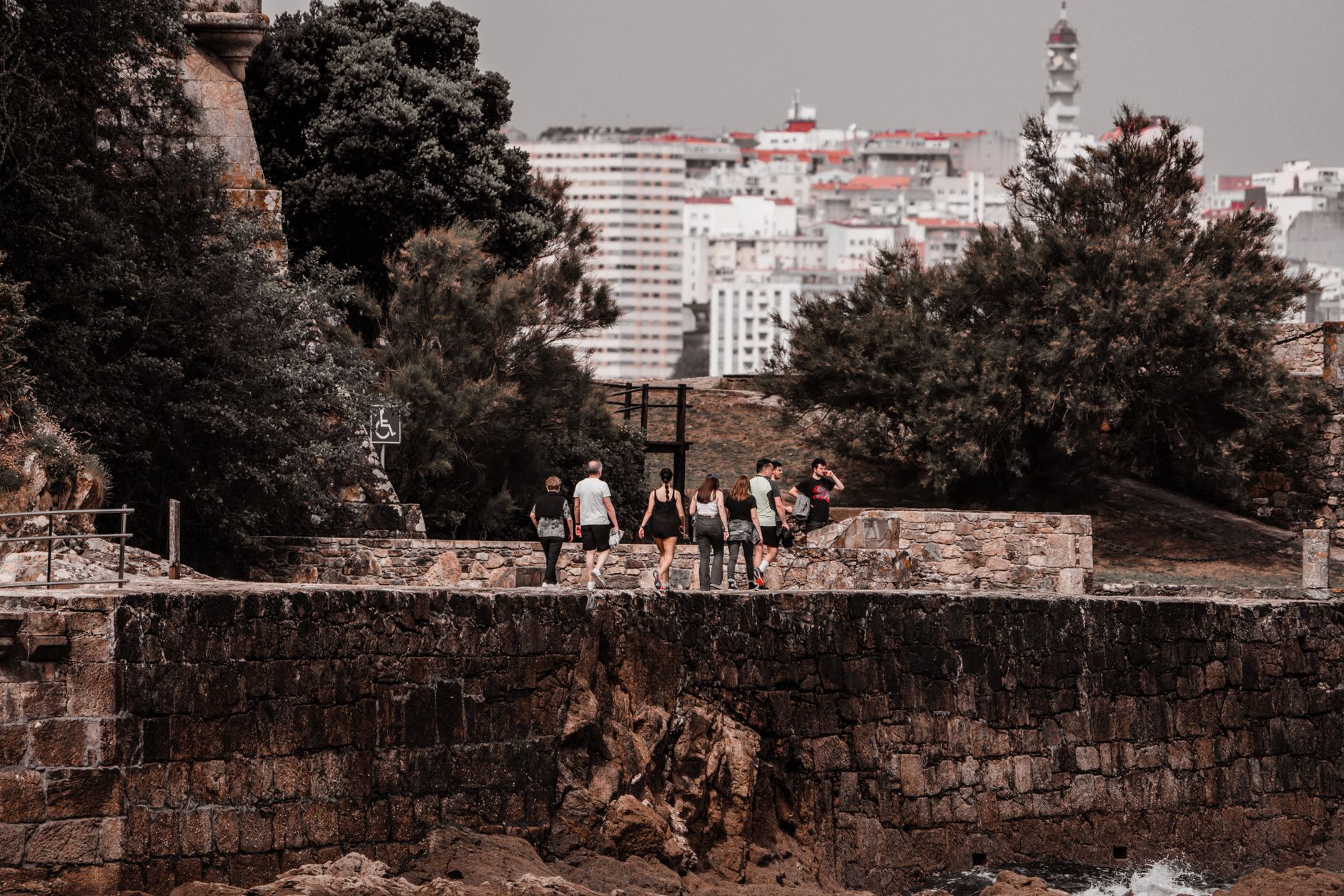
Rochefort was built by royal decree in 1665, and you can still feel that top-down intention in its grid of wide streets and monumental stone buildings. Louis XIV and his minister Colbert wanted a naval fortress from scratch, and what they got was a city that never quite forgot it was an idea before it was a place.
The Arsenal produced 550 ships over two and a half centuries before closing in 1926, and the physical evidence of that industry is still here — most spectacularly in the Corderie Royale, a rope factory 374 metres long that runs along the Charente like a sentence that refuses to end.
💛 What travellers fall for
People who come back tend to book a guided tour of the Maison Pierre Loti early — slots fill fast, and the novelist's house is genuinely unlike anywhere else in France. They also time a visit to coincide with the Tuesday, Thursday or Saturday market on Avenue Charles-de-Gaulle, and they cross the river at least once on the transporter bridge gondola, slowly.
Experiences you don't want to miss



Deals in Rochefort
Book directly at the provider

How Rochefort came to be
In December 1665, Jean-Baptiste Colbert selected this bend in the Charente River as the site for a new royal naval base — a place of refuge, defence and supply for the French fleet. The town was laid out on a grid, the Arsenal began producing ships, and a bagne, a penal colony using convict labour, was established in 1766 to keep the whole enterprise running.
The city's most dramatic historical footnote came on 17 July 1815, when Napoleon Bonaparte — stranded nearby on the Île-d'Aix after failing to secure passage to America — surrendered to Captain F. L. Maitland aboard HMS Bellerophon. The Arsenal closed in 1926, but 550 ships had left these docks in the intervening centuries.
Who and what shaped it
People who shaped it
Landmark buildings
See Rochefort in motion
Plan your visit
On the map
When to go
Summers are comfortable rather than hot, with temperatures typically peaking around 76°F, and winters are cold and often windy. May, June and September are the most reliably pleasant months to visit.
Right now
Background & history adapted from Wikipedia (CC BY-SA) · specs from Wikidata (CC0) · weather from Open-Meteo · map data © OpenStreetMap contributors · photos from Wikimedia Commons / Unsplash with per-image credit. No third-party reviews or social posts reproduced.