
Río Gallegos
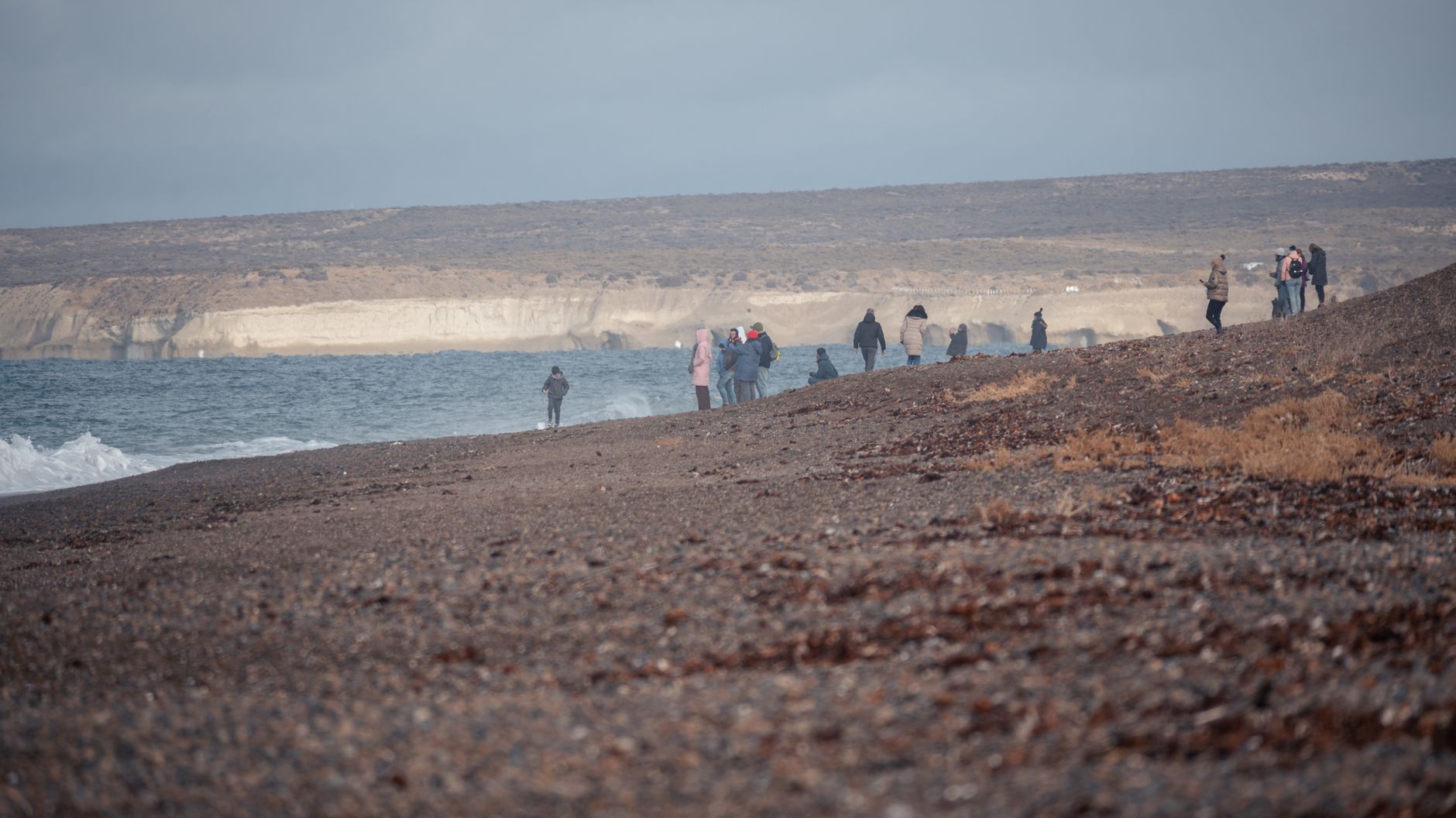
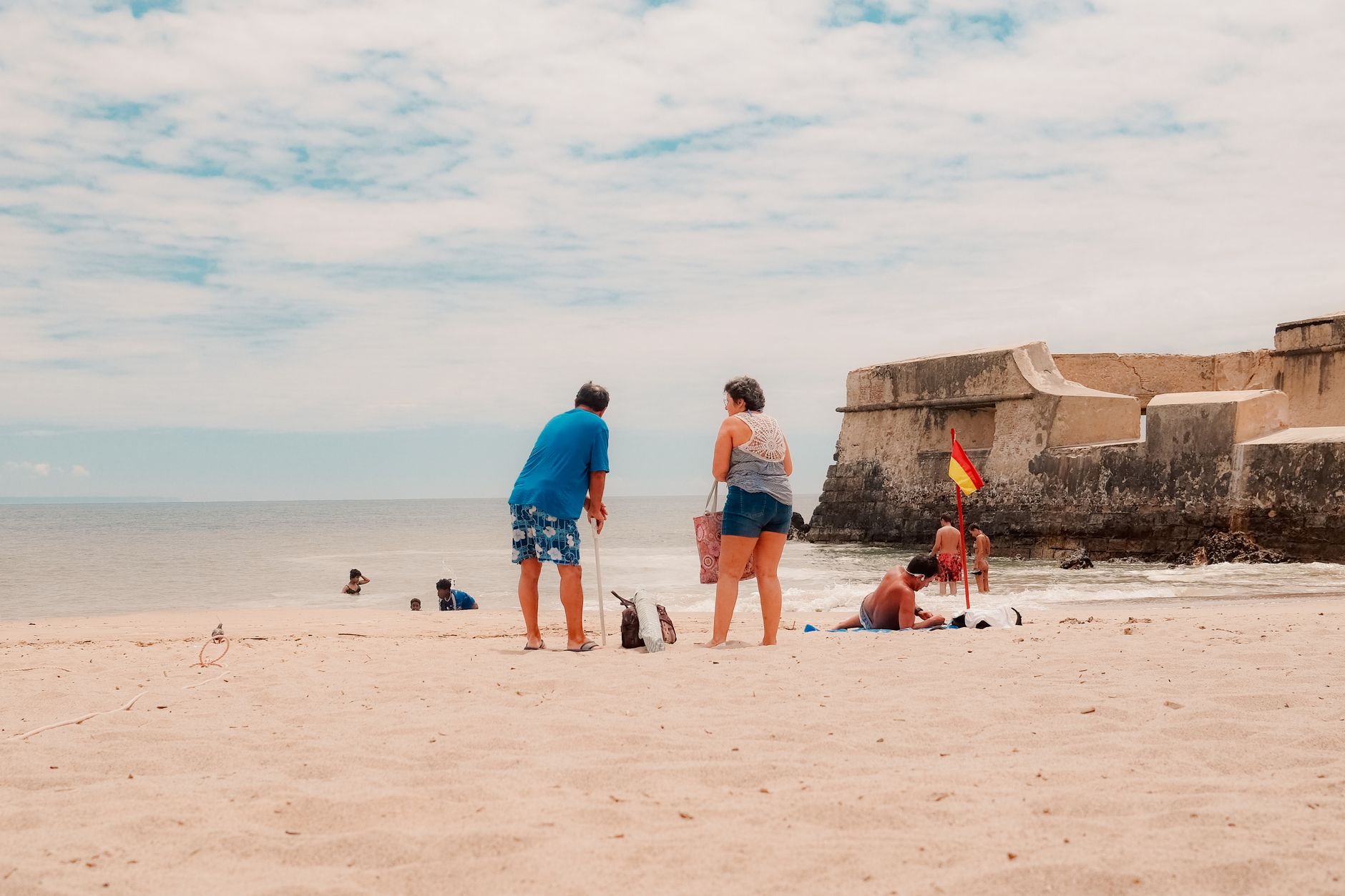
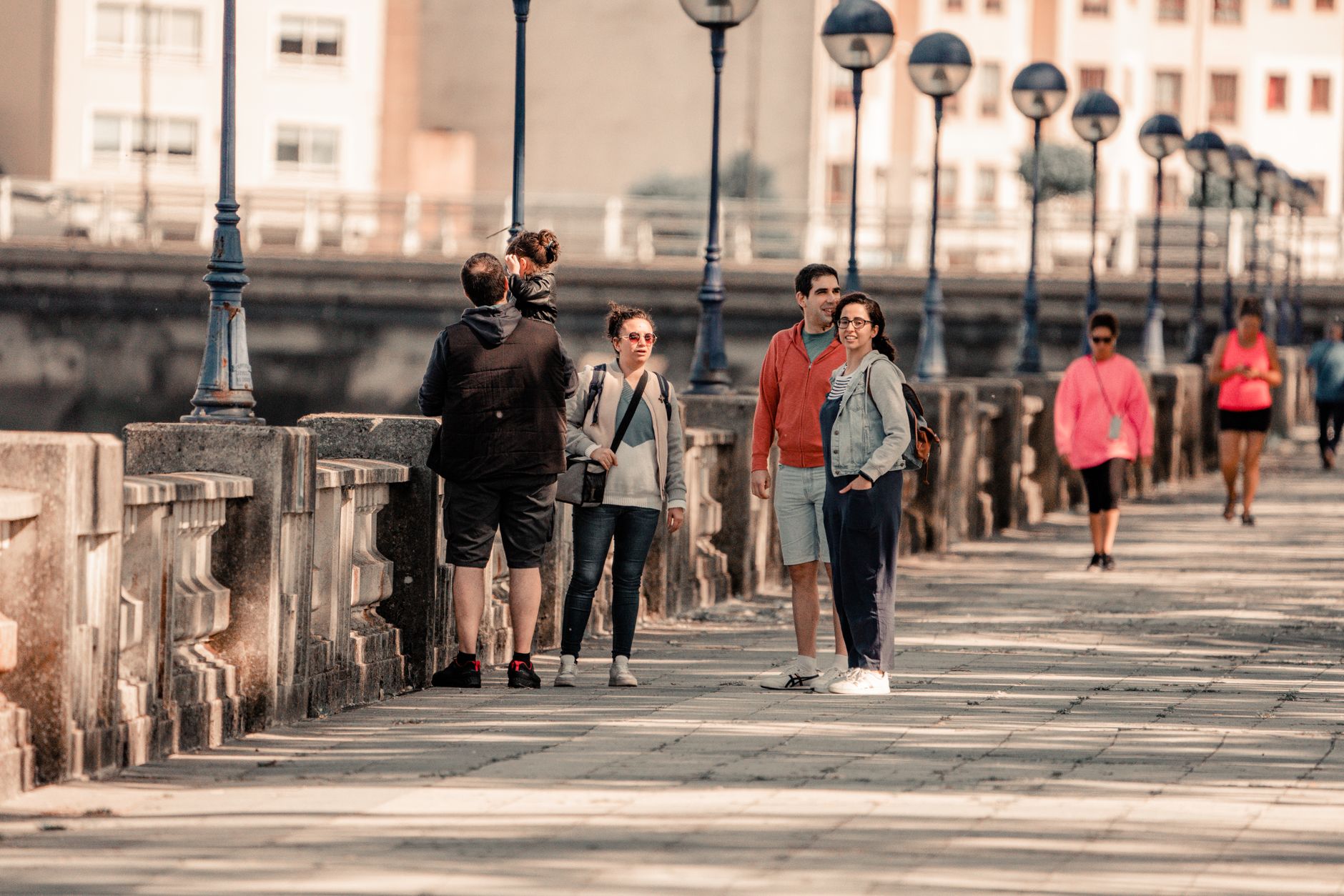
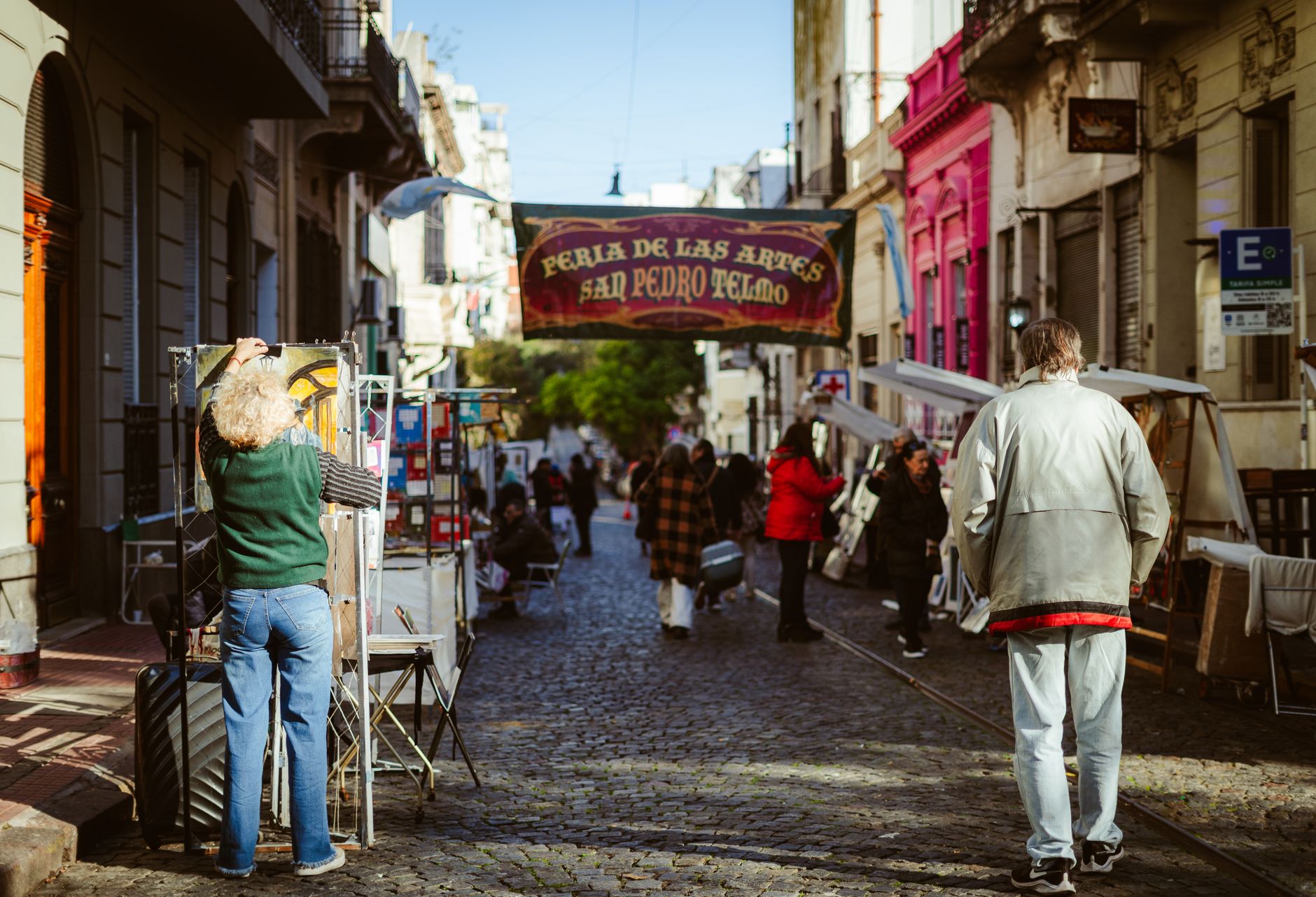
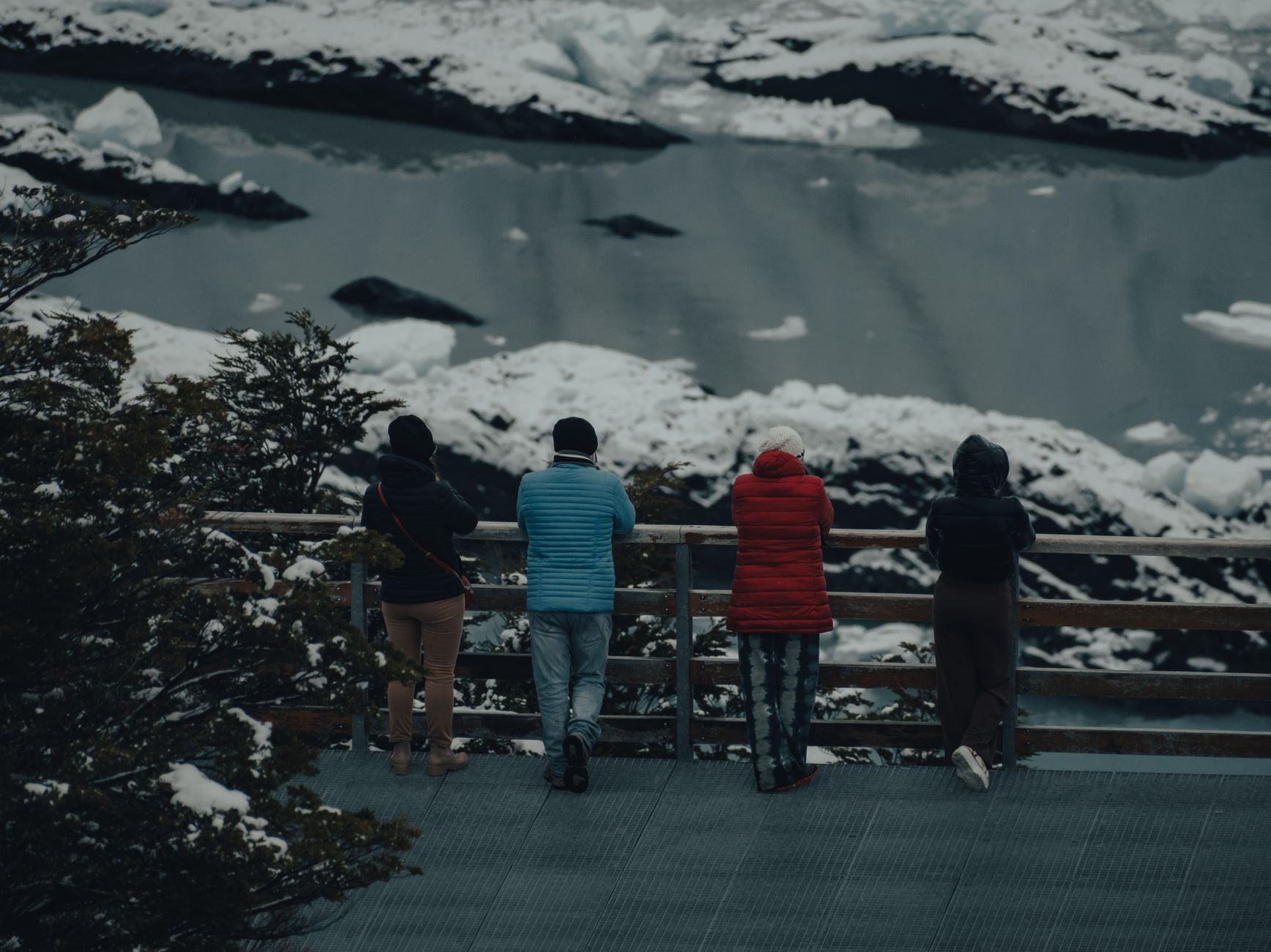
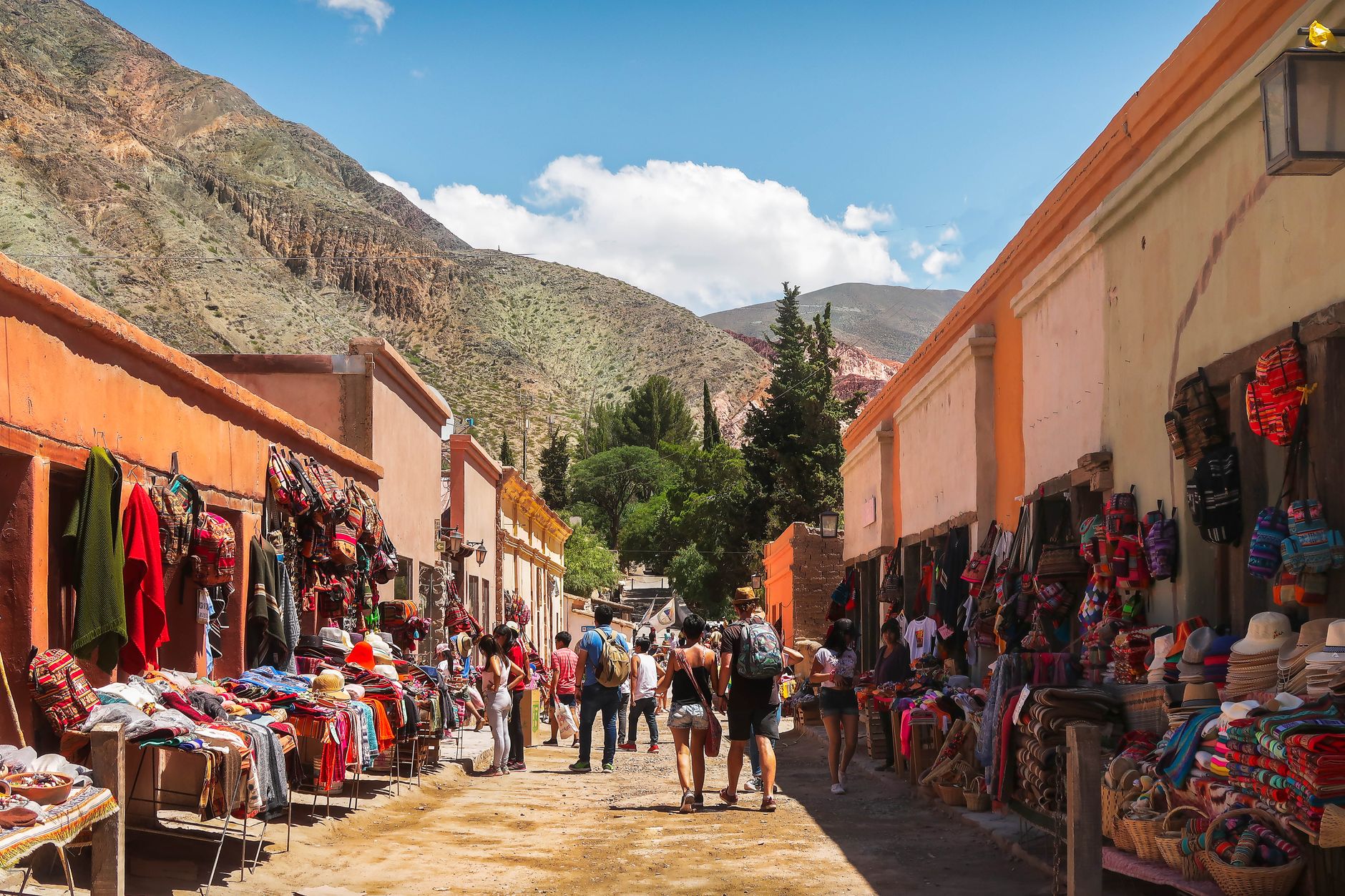
The wind arrives before anything else — a low, sustained push that bends the sparse trees along the costanera and sends seabirds tilting sideways over the estuary. Río Gallegos sits at the mouth of the river named for Blasco Gallegos, one of Magellan's pilots, and the city has always been shaped by what passes through: wool from the estancias, coal from Río Turbio, presidents on their way up.
Most travellers come through en route to El Calafate or Ushuaia, which means the city tends to get underestimated. Spend a morning at the Museo de los Pioneros — rooms arranged exactly as they stood in 1900 — and drive out to Cabo Vírgenes, where a 1904 lighthouse stands above one of Patagonia's largest penguin colonies.
💛 What travellers fall for
People who've passed through more than once tend to mention the costanera at dusk, when the light over the estuary goes strange and flat in the way only steppe light does. They also mention the cathedral — February 25, 1900 was its inauguration date, and the building still holds that era quietly. Go early, before the wind picks up in earnest.
Deals in Río Gallegos
Book directly at the provider
How Río Gallegos came to be
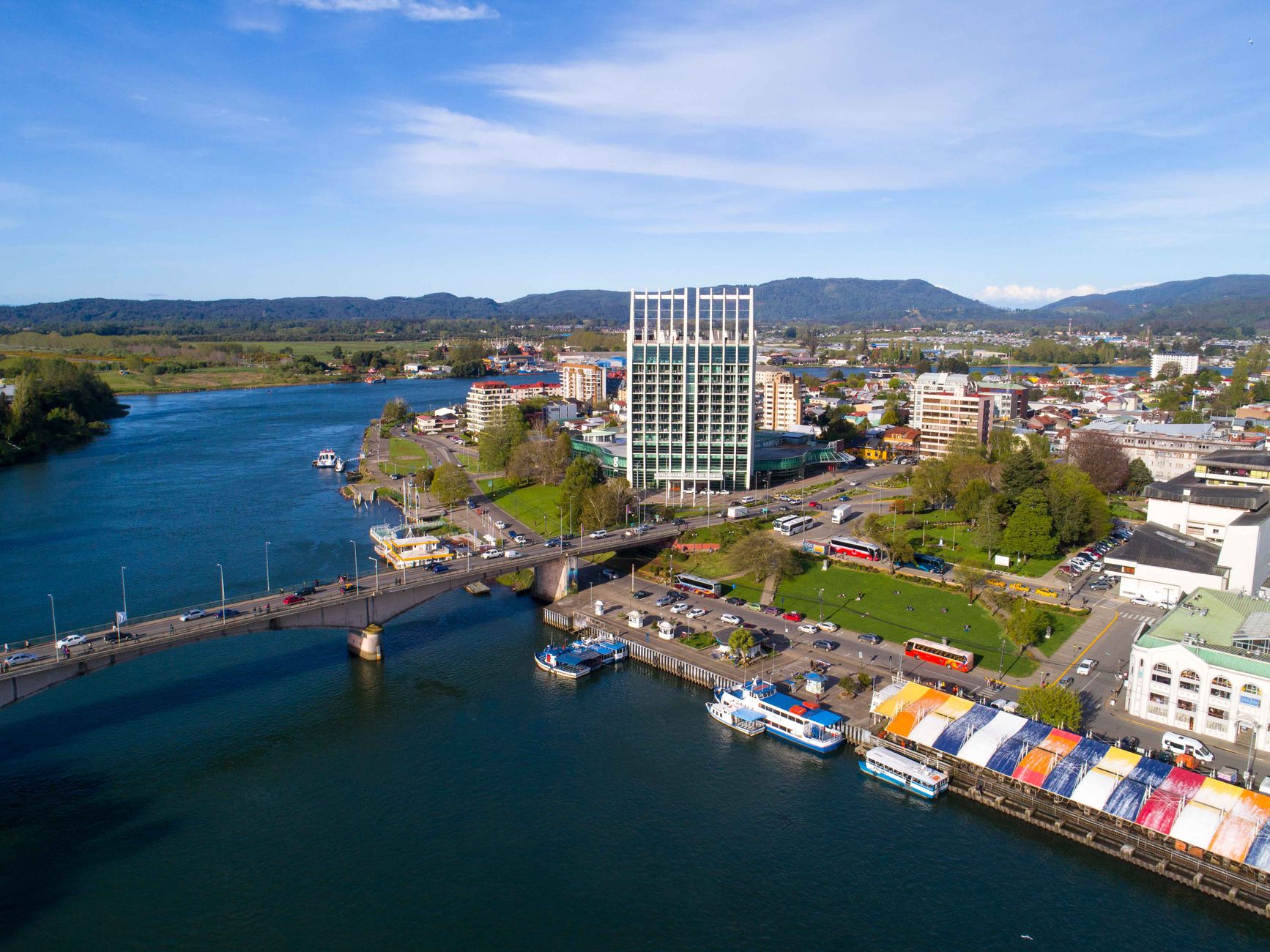
Río Gallegos was formally founded on December 19, 1885, by the Argentine Naval Prefecture, and named for the river Blasco Gallegos had charted centuries earlier as part of Magellan's expedition. Three years later, Governor Ramón Lista shifted the territorial capital here from Puerto Santa Cruz, and by 1899 the first bank had opened. The cathedral of Nuestra Señora de Luján held its first mass on Christmas Eve of that year and was inaugurated in February 1900.
The city's economy turned on wool and then on meat: the Swift cold storage plant, opened in 1912, made Río Gallegos a node in international trade. In 1951, an industrial railway connected it to the Río Turbio coal mines. Néstor Kirchner, who served as the city's mayor from 1987 to 1991, went on to the Argentine presidency; his mausoleum is here. Before any of that, in 1929 and 1930, Antoine de Saint-Exupéry flew these skies for Aeroposta Argentina — the routes he opened over southern Patagonia became the raw material for Night Flight.
Who and what shaped it
People who shaped it
Landmark buildings
See Río Gallegos in motion
Plan your visit
On the map
When to go
Summer (December to February) brings the mildest conditions — January days reach around 20°C, though nights stay cool near 8°C. Winter drops to averaging 5°C by day and below freezing at night, occasionally much colder. In any season, wind above 50 km/h is routine, and gusts over 100 km/h are not rare — factor that into any outdoor plans.
Right now
Background & history adapted from Wikipedia (CC BY-SA) · specs from Wikidata (CC0) · weather from Open-Meteo · map data © OpenStreetMap contributors · photos from Wikimedia Commons / Unsplash with per-image credit. No third-party reviews or social posts reproduced.