
Rio Branco
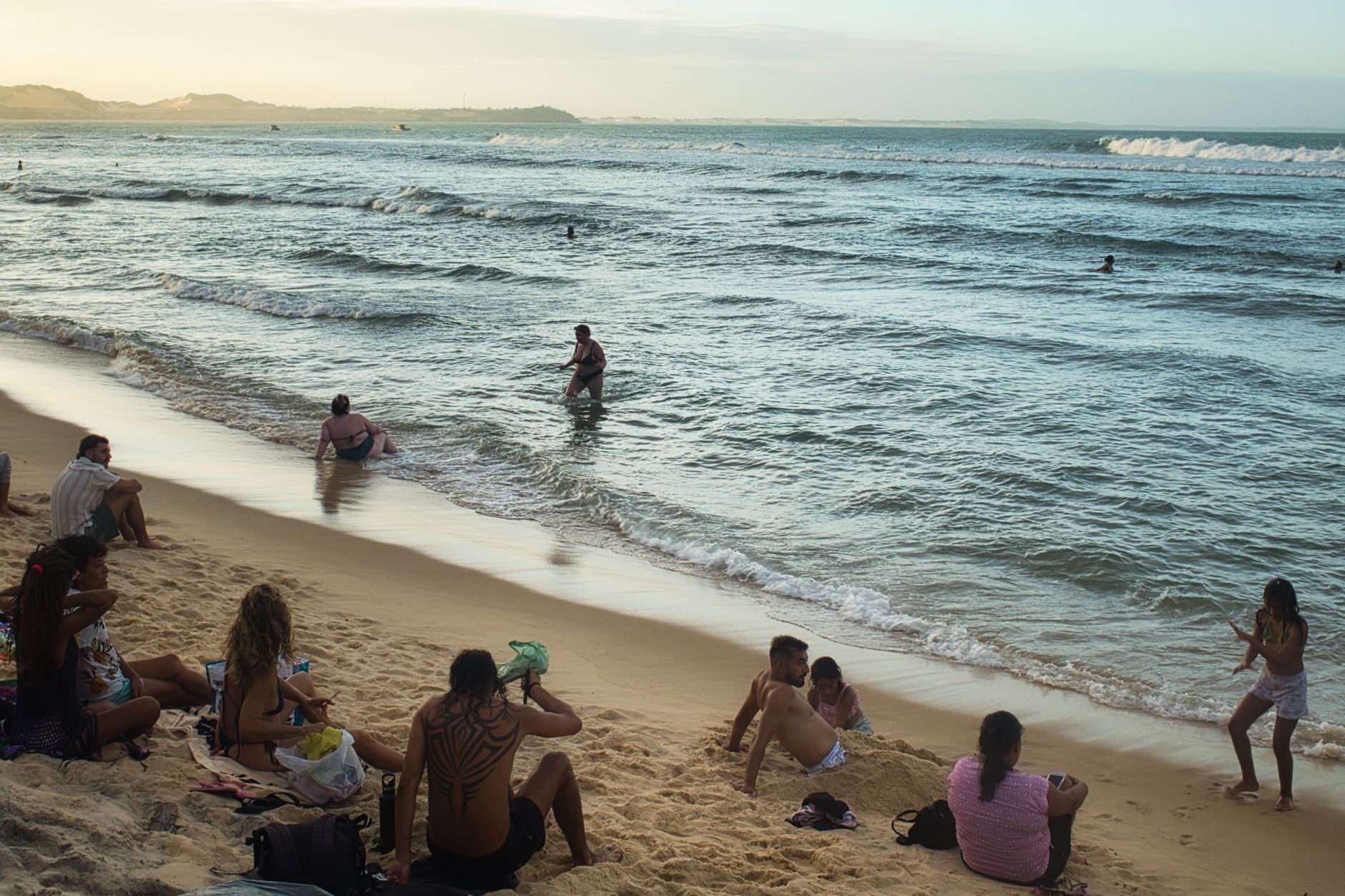
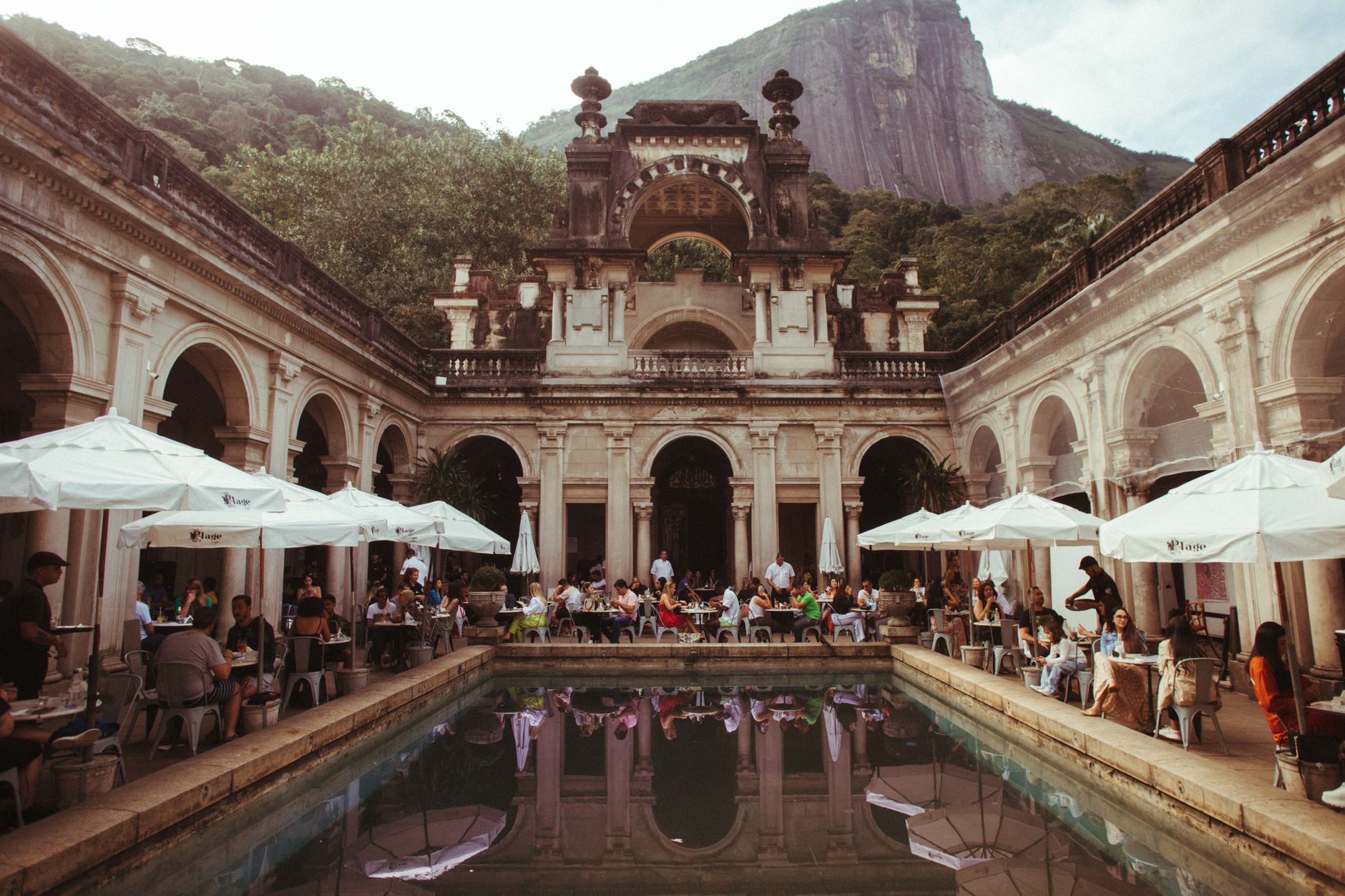
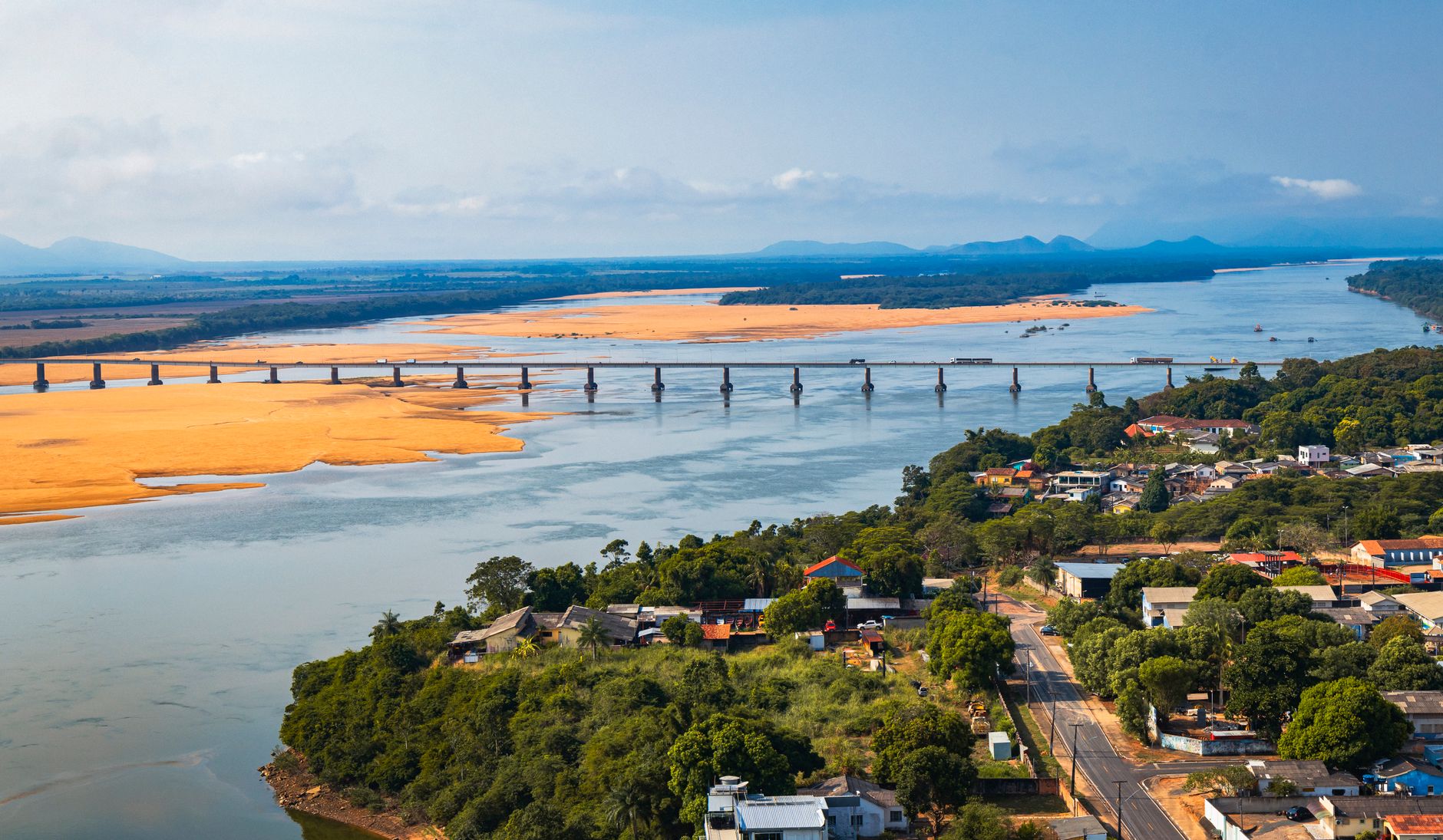
Rio Branco sits on the banks of the Acre River, deep in the western Amazon, and the river is the thing you keep coming back to — the brown water, the suspension bridge arcing over it, the city arranged around the fact of flooding and flow. This is the capital of Acre, a state that Brazil once had to buy, and that origin story — rubber tappers, a territorial dispute, a diplomat's name on the city itself — runs through everything here.
The Chico Mendes Environmental Park holds trails through actual Amazonian forest and replicas of the rubber tappers' houses where people like Marina Silva grew up. The Old Market, a brick building from 1929, still anchors the riverside. The scale is manageable, the pace slow, and the air smells like rain even when it isn't raining.
💛 What travellers fall for
People who come back tend to mention the same things: the Passarela Joaquim Macedo at dusk when the light goes copper over the Acre River, the 99 Taxi app being far more reliable than Uber for getting around, and the Alto Santo neighborhood, where the sepulcher of Raimundo Irineu Serra draws quiet pilgrims from countries you wouldn't expect.
Deals in Rio Branco
Book directly at the provider

How Rio Branco came to be
On December 28, 1882, a man from Ceará named Neutel Maia established a rubber plantation on the right bank of the Acre River and called it Seringal Volta da Empresa. The rubber economy drew waves of Northeastern Brazilians into the Amazon, and the settlement grew from a collection of tappers' camps into something that needed governing.
The territory itself had a complicated status — it was Bolivian land until the Treaty of Petrópolis in 1903, when Brazil's Foreign Minister José Maria da Silva Paranhos, the Baron of Rio Branco, negotiated the transfer. The city was named for him. It became a county in 1913, the capital of the Acre Territory in 1920, and a state capital in 1962. Governor Hugo Carneiro, who served from 1927 to 1930, pushed construction of the Rio Branco Palace and the Old Market, the first major brick buildings, marking the shift from a temporary camp to a permanent city.
Who and what shaped it
People who shaped it
Landmark buildings
See Rio Branco in motion
Plan your visit
On the map
When to go
The dry season runs June through August — July is the coolest month, with daytime temperatures around 31°C and nights dropping to 20°C, and only about 30 mm of rain. Come between October and April and you're in the thick of the wet season, with February averaging 300 mm; the river rises and the city adapts, but travel is slower and muddier.
Right now
Background & history adapted from Wikipedia (CC BY-SA) · specs from Wikidata (CC0) · weather from Open-Meteo · map data © OpenStreetMap contributors · photos from Wikimedia Commons / Unsplash with per-image credit. No third-party reviews or social posts reproduced.