
Rennes
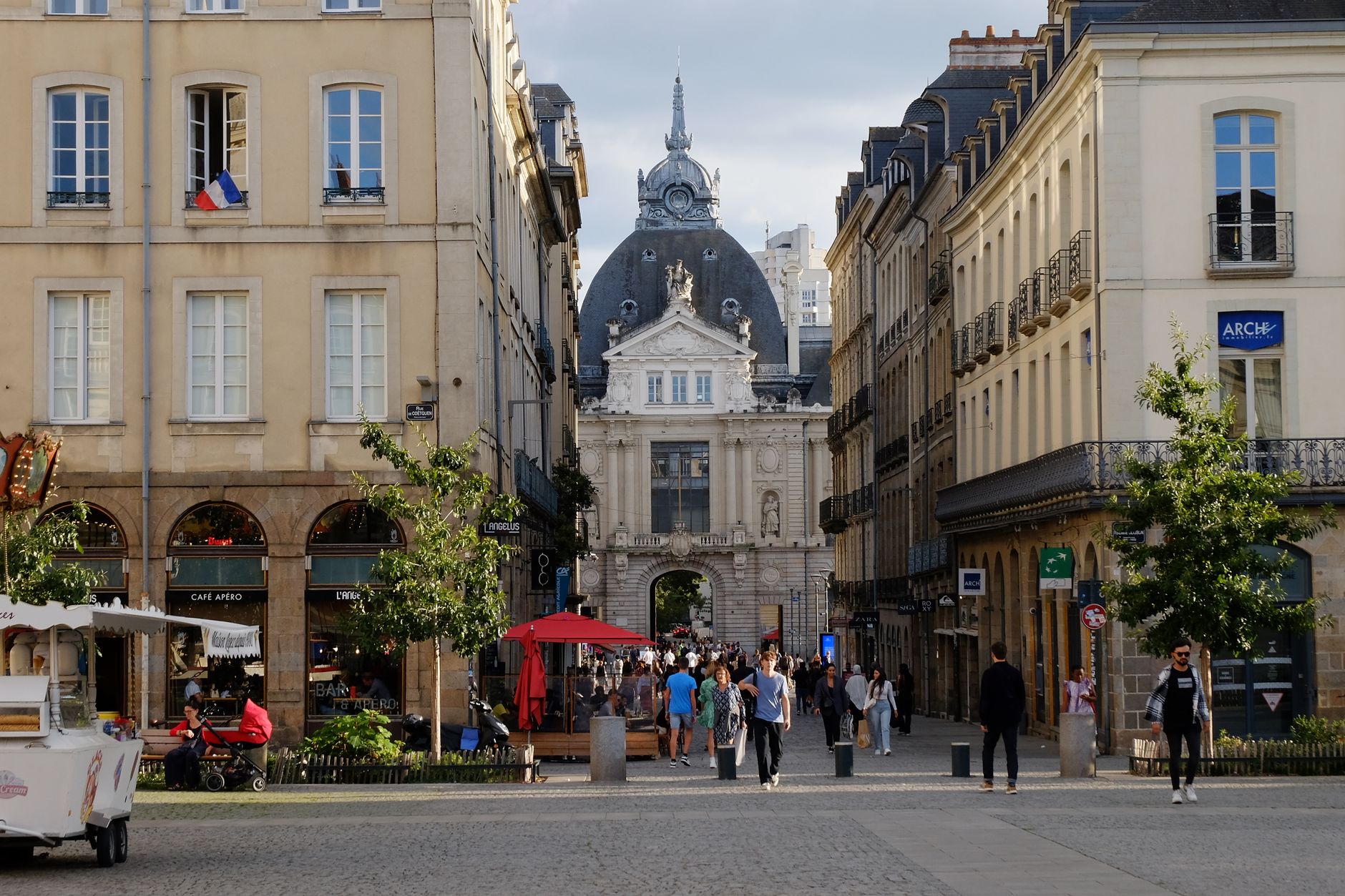
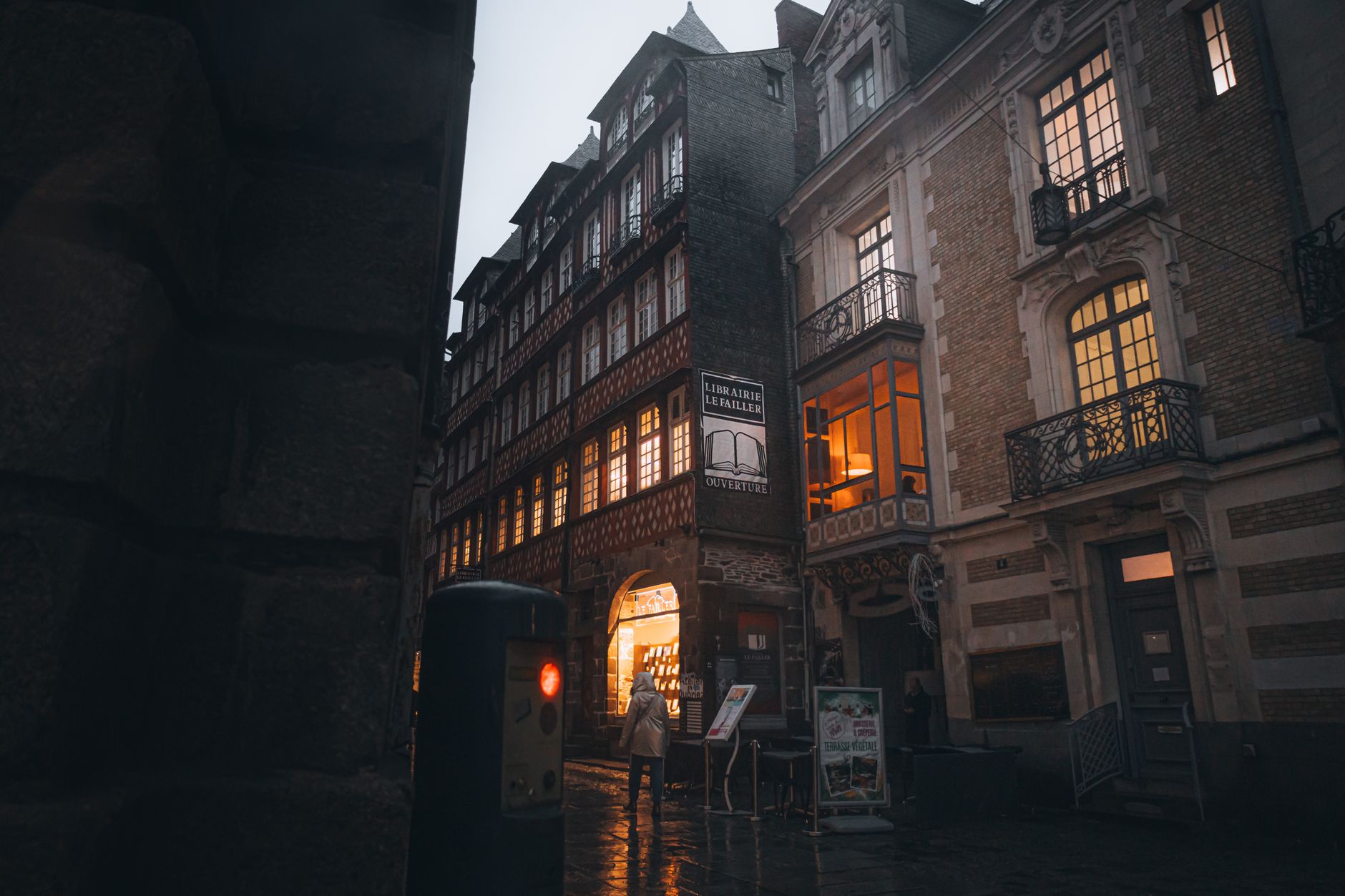
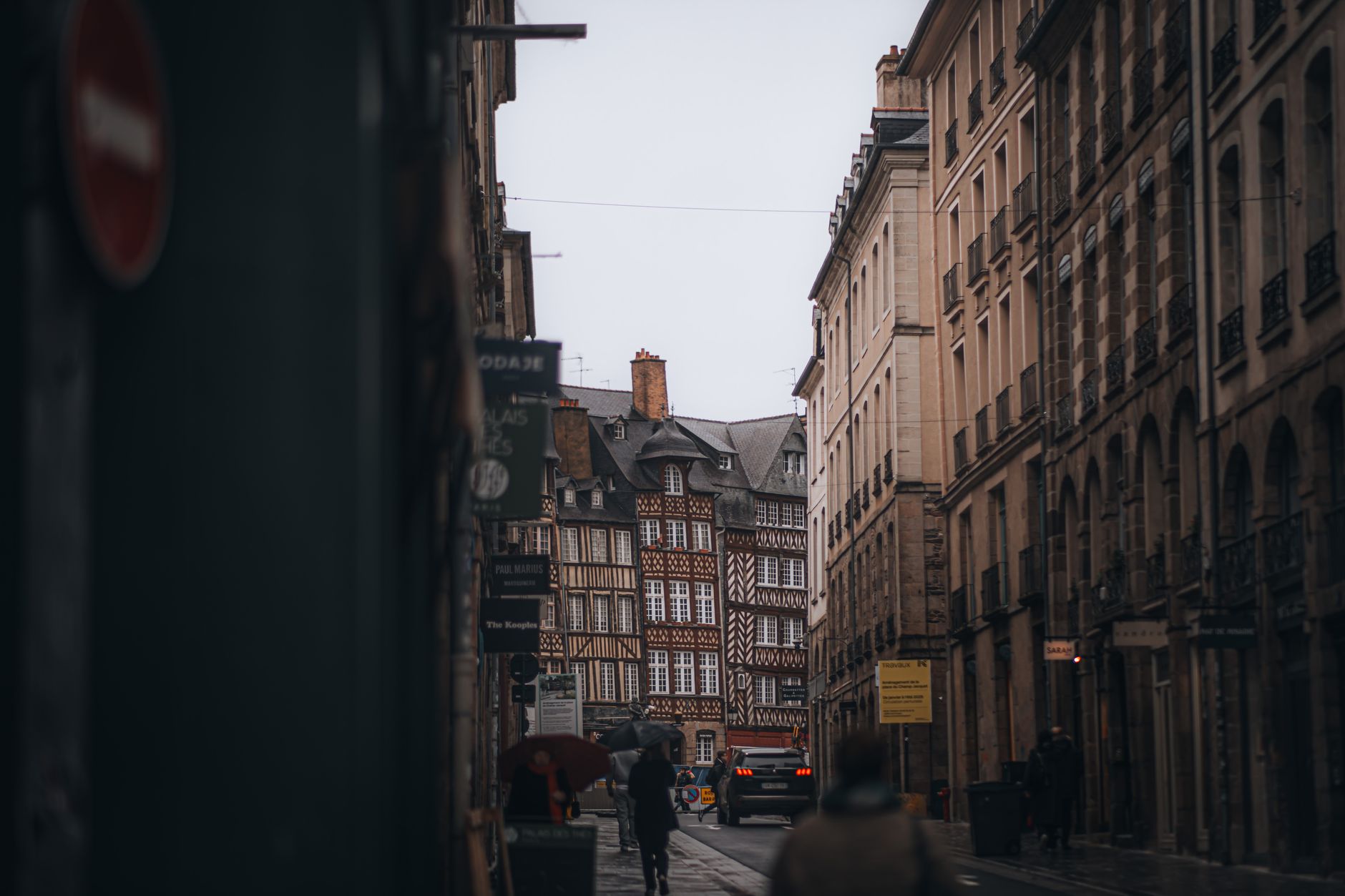
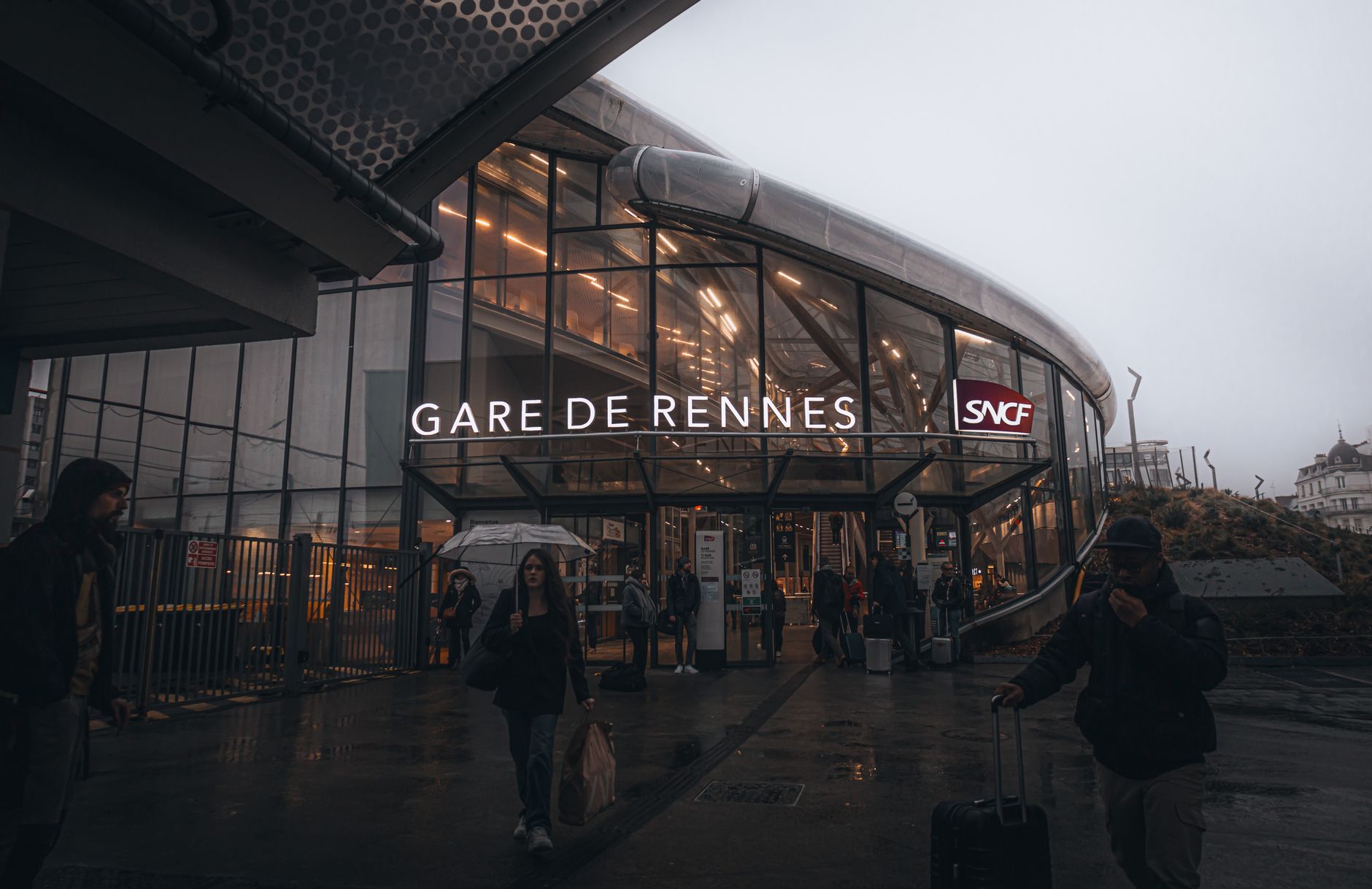
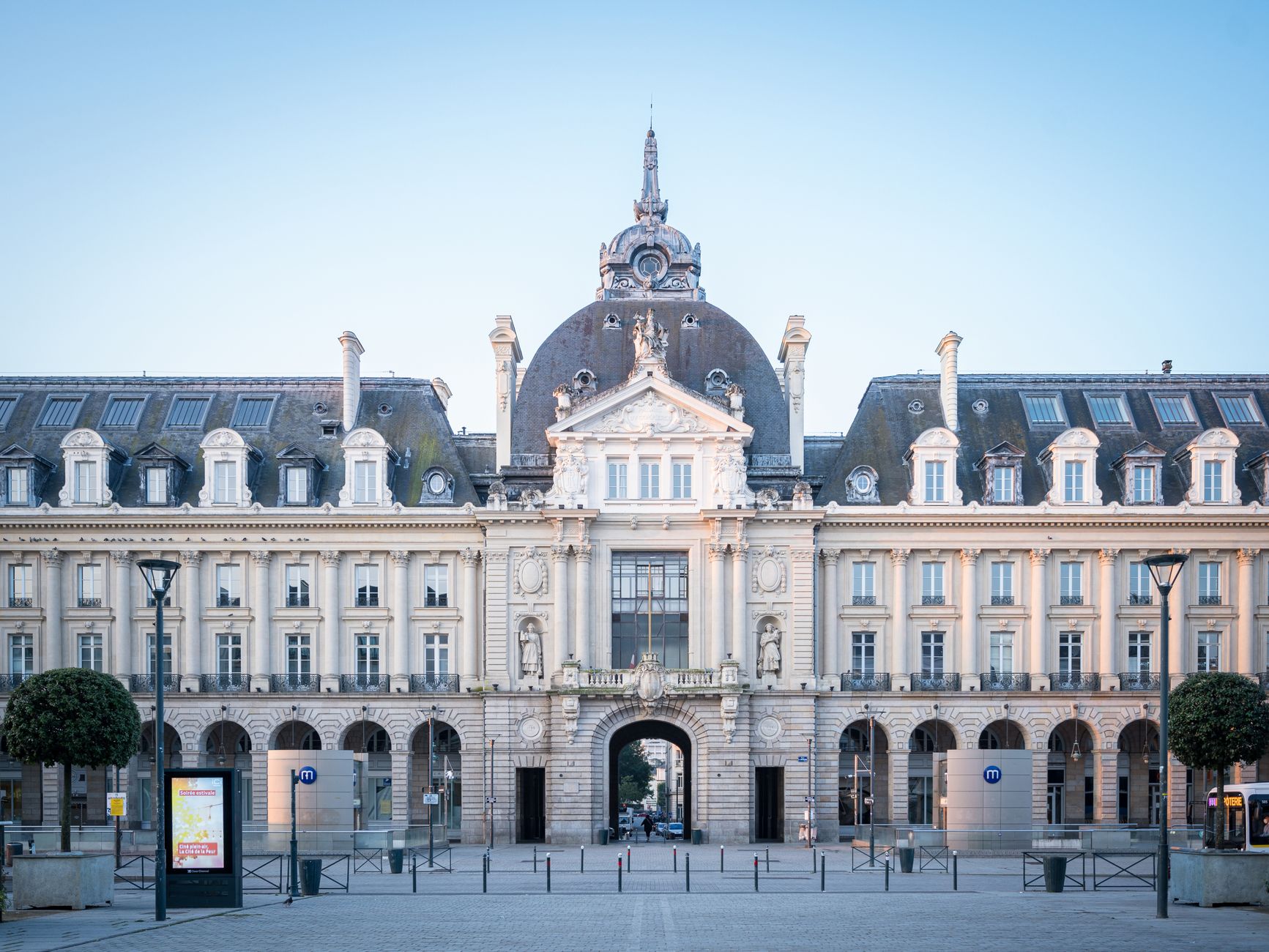
Rennes sits at the confluence of the Ille and the Vilaine, a fact that mattered enormously to the Gallic Riedones who founded a settlement here in the second century BC and still shapes the city's logic today. The old streets around Place Saint-Anne and Place Champ-Jacquet are lined with half-timbered houses that survived the catastrophic 1720 fire — the ones that didn't were replaced on a stone grid so orderly you can feel the 18th-century determination to get things right this time.
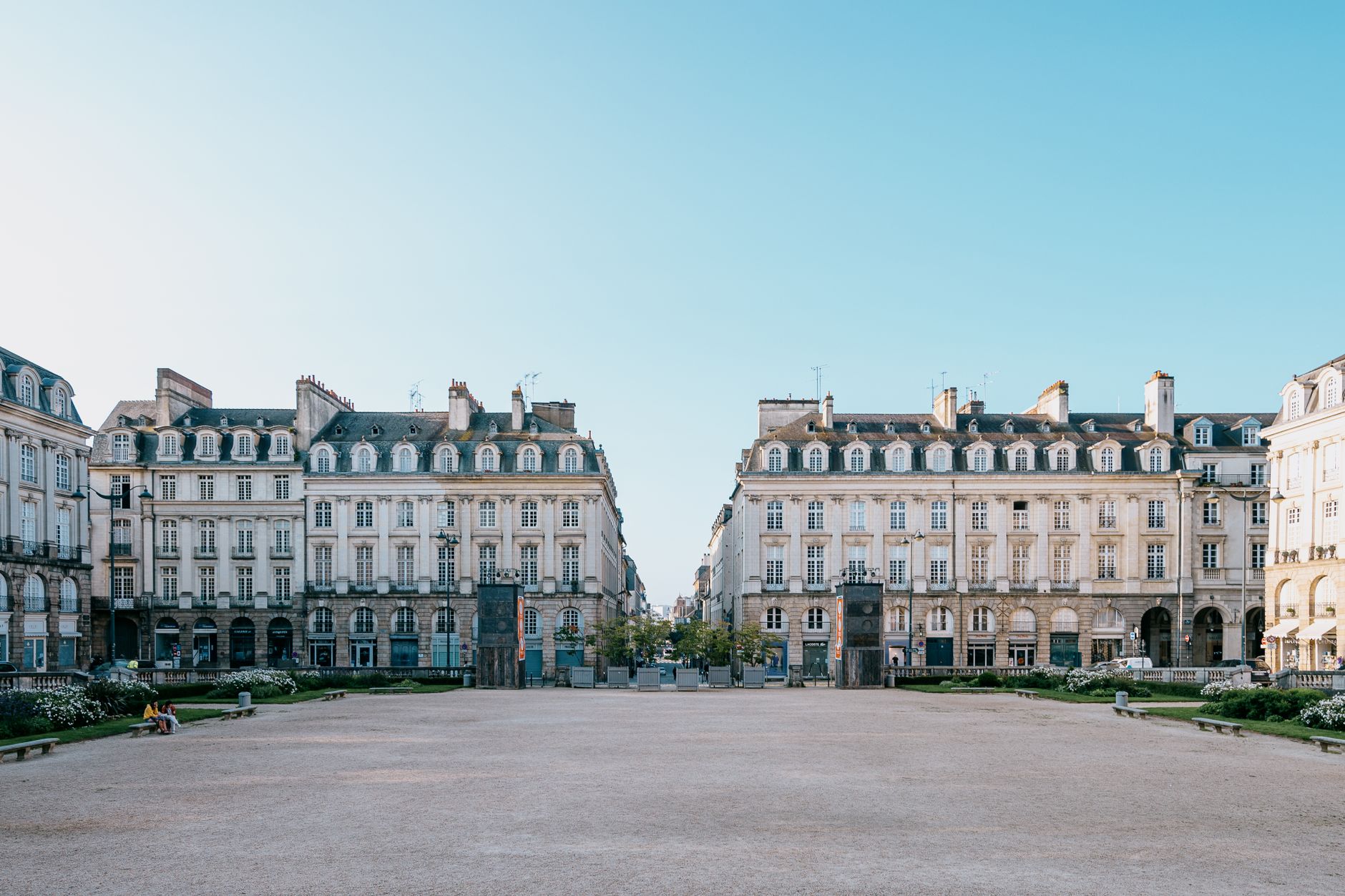
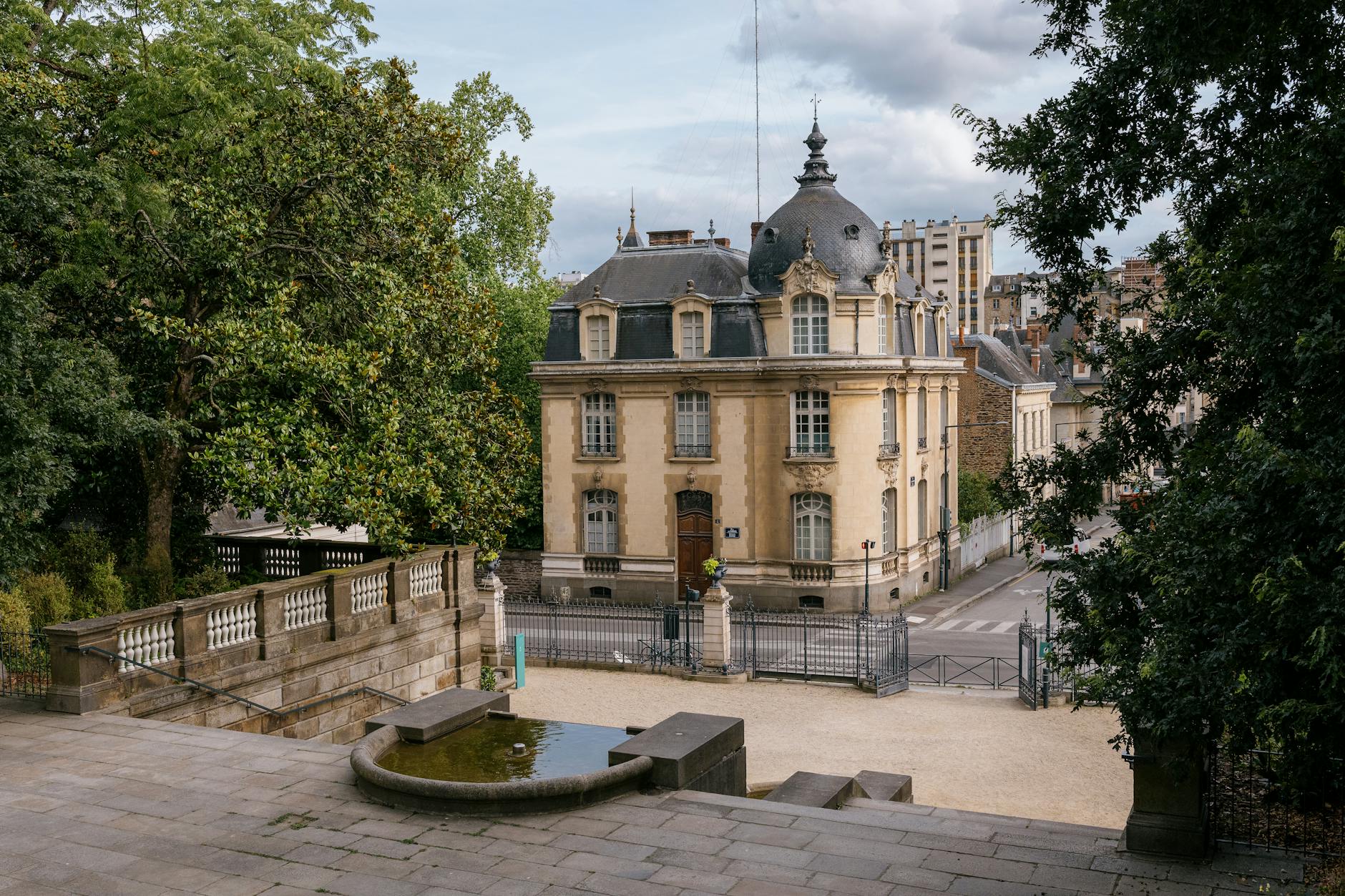
What you notice walking Rennes is the layering: Roman walls, medieval timber frames, neoclassical civic architecture, and Christian de Portzamparc's glass-and-steel Les Champs Libres all within comfortable walking distance of each other. It's a university city with a young population and a capital city's sense of its own importance — Brittany's administrative heart since the duchy era.
💛 What travellers fall for
People who come back tend to gravitate toward the same morning ritual: coffee somewhere near Place des Lices, then a slow circuit of the timber-framed streets off Rue Saint-Guillaume before the tour groups arrive. The Parlement de Bretagne is worth more than one visit — the restoration detail after the 1994 fire rewards close looking.
Experiences you don't want to miss




Deals in Rennes
Book directly at the provider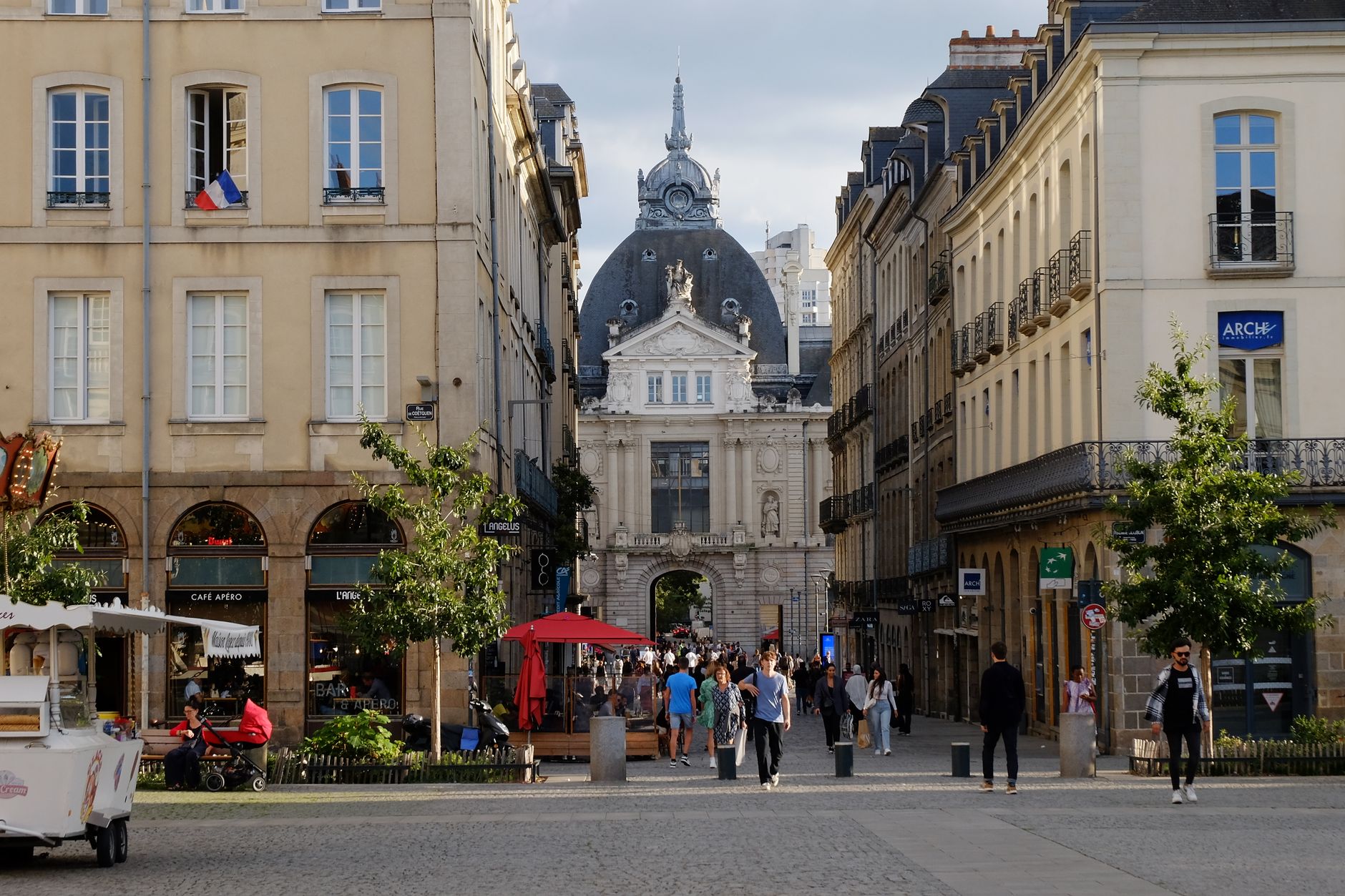
How Rennes came to be
The Riedones chose this river confluence well — the Romans built on it too, calling the settlement Condate Riedonum, and the Duchesne Tower still stands within the remains of a third-century Gallo-Roman wall. Through the medieval period Rennes grew as one of the political capitals of the Duchy of Brittany, a status that ended, technically, with the 1491 Treaty of Rennes, when the marriage of Duchess Anne of Brittany to Charles VIII drew Brittany into the French kingdom.
The city's present face owes much to a single disaster: the 1720 fire that consumed the northern timber-framed quarters. King's architect Jacques Gabriel oversaw the rebuilding in stone on a rational grid, and the Hôtel de Ville followed in 1743. The Second World War left its own mark — a German ammunition train exploded on 17 June 1940, killing around a thousand people, and Allied bombing in 1943 and 1944 added further devastation before Patton's army arrived on 4 August 1944.
Who and what shaped it
People who shaped it
Landmark buildings
See Rennes in motion
Plan your visit
On the map
When to go
Brittany's Atlantic influence keeps Rennes mild and damp year-round — summers are warm rather than hot, winters rarely harsh, and rain is a genuine possibility in any season. April through June and September through October offer the steadiest balance of light and manageable crowds.
Right now
Background & history adapted from Wikipedia (CC BY-SA) · specs from Wikidata (CC0) · weather from Open-Meteo · map data © OpenStreetMap contributors · photos from Wikimedia Commons / Unsplash with per-image credit. No third-party reviews or social posts reproduced.