
Redlynch


Ten kilometres north-west of central Cairns, Redlynch sits in a valley cut by Freshwater Creek, with sugarcane paddocks pressing up against the eastern side of Intake Road and the steep ridgelines of Barron Gorge National Park rising on both flanks. It is, by most measures, a residential suburb — but one with a particular past: a railway camp, a wartime staging ground, a nursery that once introduced tropical crops to Queensland, and the house where Xavier Herbert wrote one of the longest novels in Australian literature.
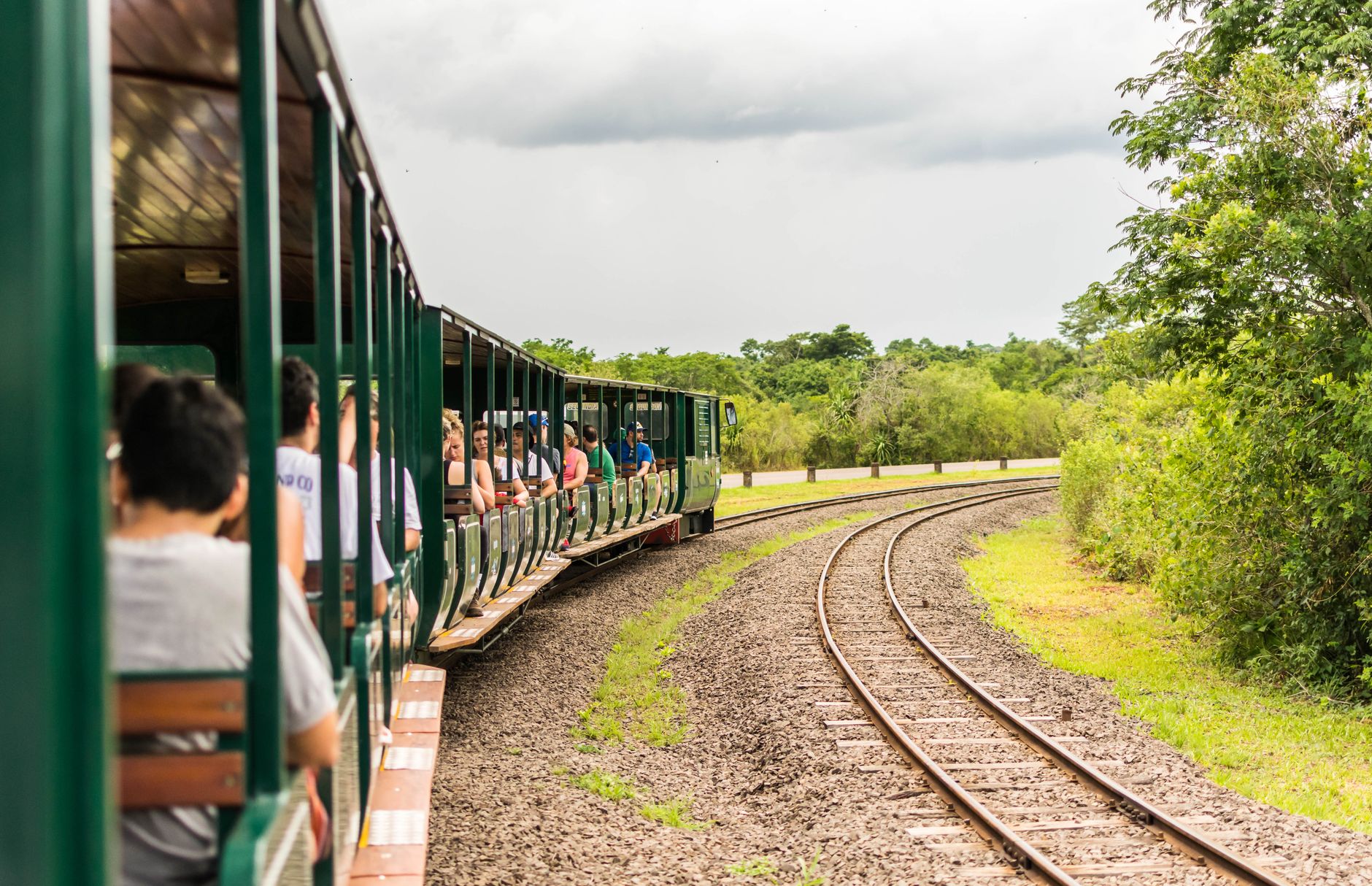
The Kuranda Scenic Railway still threads through the suburb's north-eastern slopes, pausing at two stations. Most people pass through without stopping. A few don't.
💛 What travellers fall for
People who linger tend to make for Kamerunga Road. Herbert's cottage at number 399 is heritage-listed and easy to walk past slowly. The Red Beret Hotel — built in 1926, still standing — is where you go afterwards, following the same general instinct that once drew Herbert, Ray Crooke, Percy Trezise and Ron Edwards to drink together in the same valley.
Deals in Redlynch
Book directly at the provider
How Redlynch came to be
The place began as Eight Mile Camp, a stop on the Cairns-to-Herberton railway line when the station opened in November 1887. Whether the name Redlynch came from a village in Wiltshire, one in Somerset, or from an Irish construction foreman called Red Lynch depends on which government source you consult — nobody has settled it. Thomas Dillon built the Terminus Hotel near the station; it changed hands twice before burning down in the 1920s. The Queensland Department of Agriculture opened the Kamerunga State Nursery in 1889 to trial tropical crops, its first manager Ebenezer Cowley opening the gardens to visitors.
During 1943–44 the suburb served as a military staging camp for forces heading to the Atherton Tableland, a spur line running directly from the station to the camp. Xavier Herbert arrived in 1951 and spent years on Kamerunga Road writing, including the 850,000-word *Poor Fellow My Country*, published in 1975.
Who and what shaped it
People who shaped it
Landmark buildings
See Redlynch in motion
Plan your visit
On the map
When to go
The dry season, May through October, is the window most visitors aim for: temperatures between 20 and 30°C, low humidity, and rainfall that rarely exceeds 60mm a month. From November onward the wet season arrives in earnest, peaking in February with close to half a metre of rain and the possibility of cyclones.
Right now
Background & history adapted from Wikipedia (CC BY-SA) · specs from Wikidata (CC0) · weather from Open-Meteo · map data © OpenStreetMap contributors · photos from Wikimedia Commons / Unsplash with per-image credit. No third-party reviews or social posts reproduced.