
Ravello
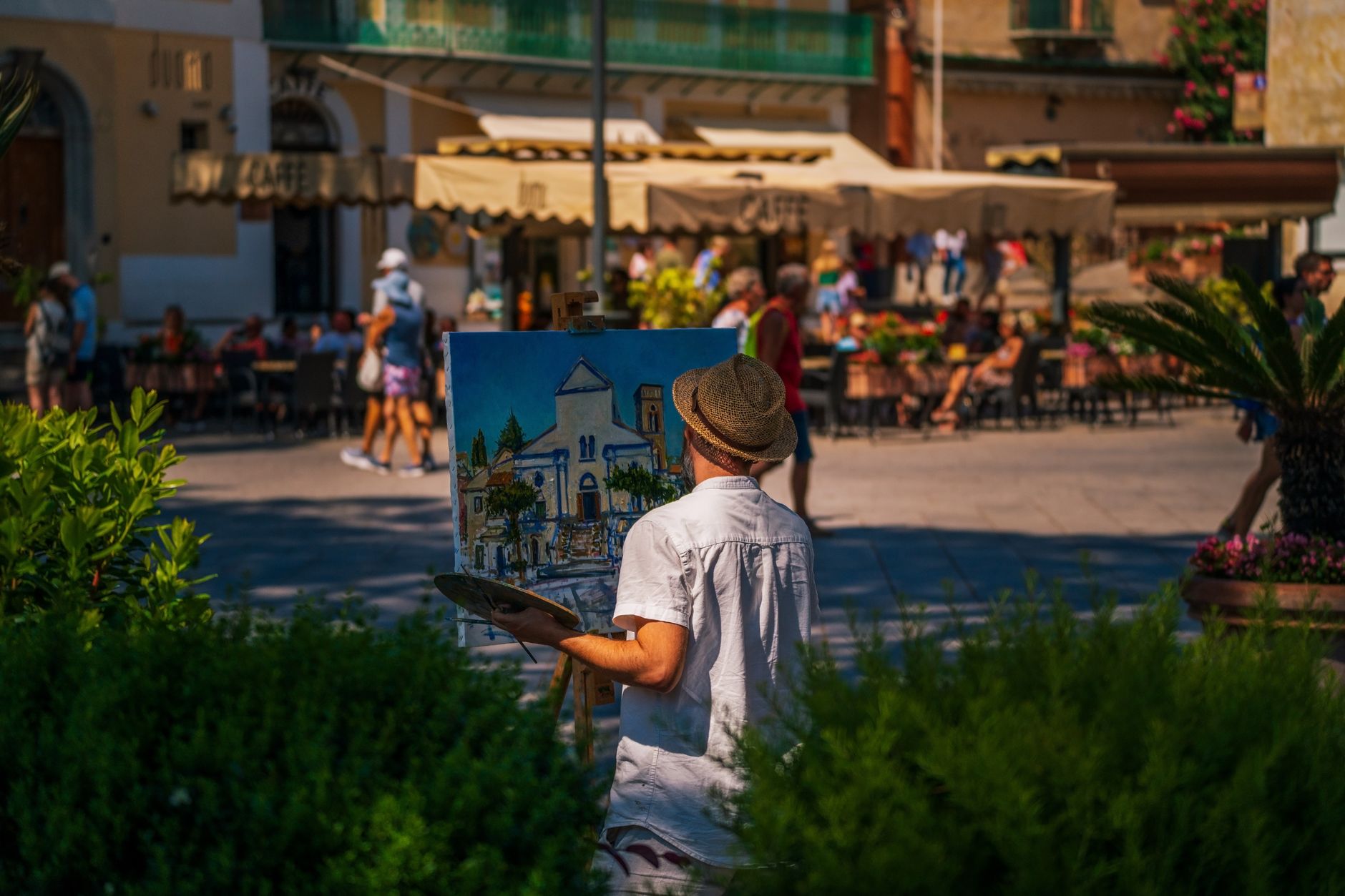
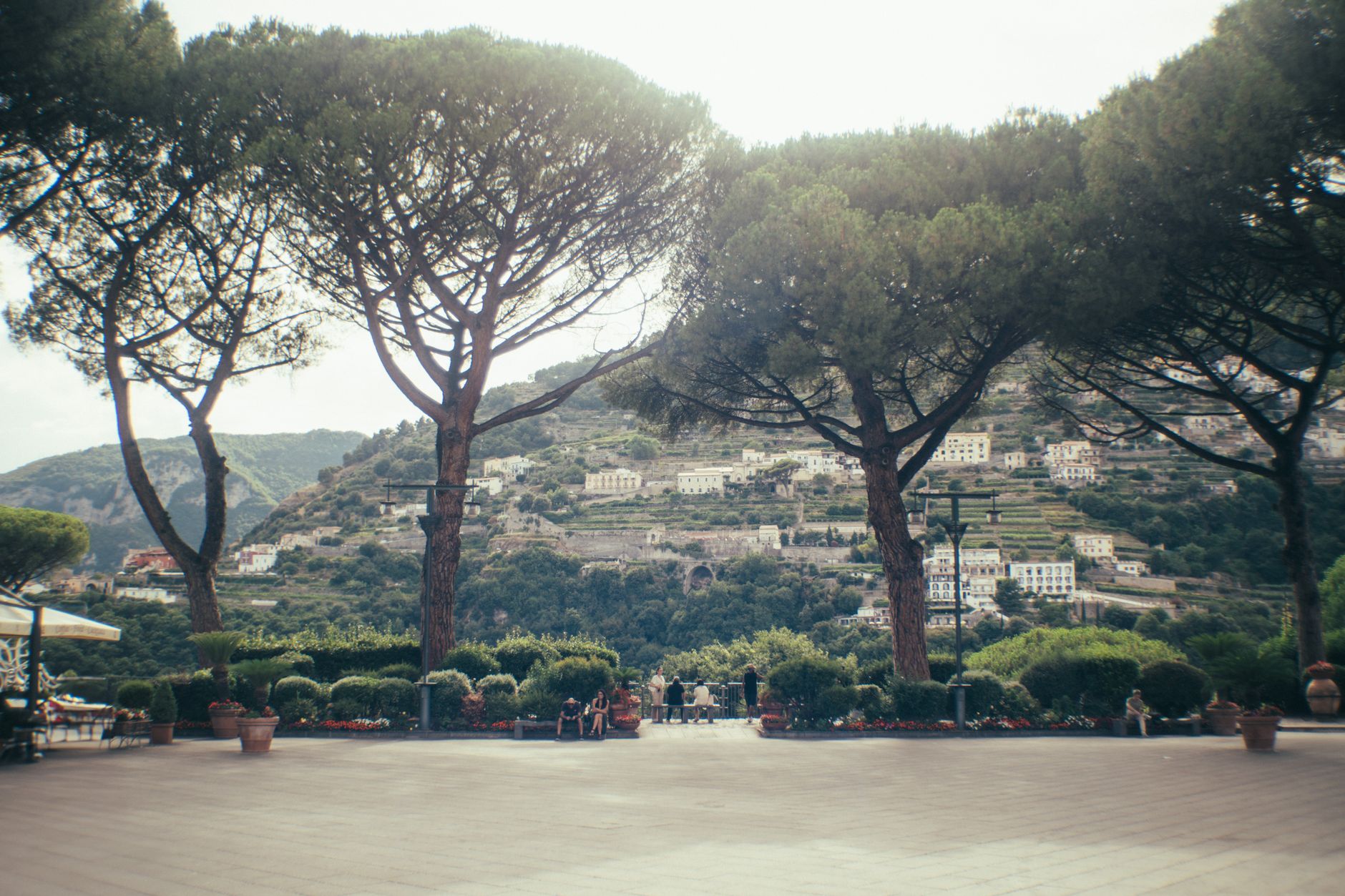
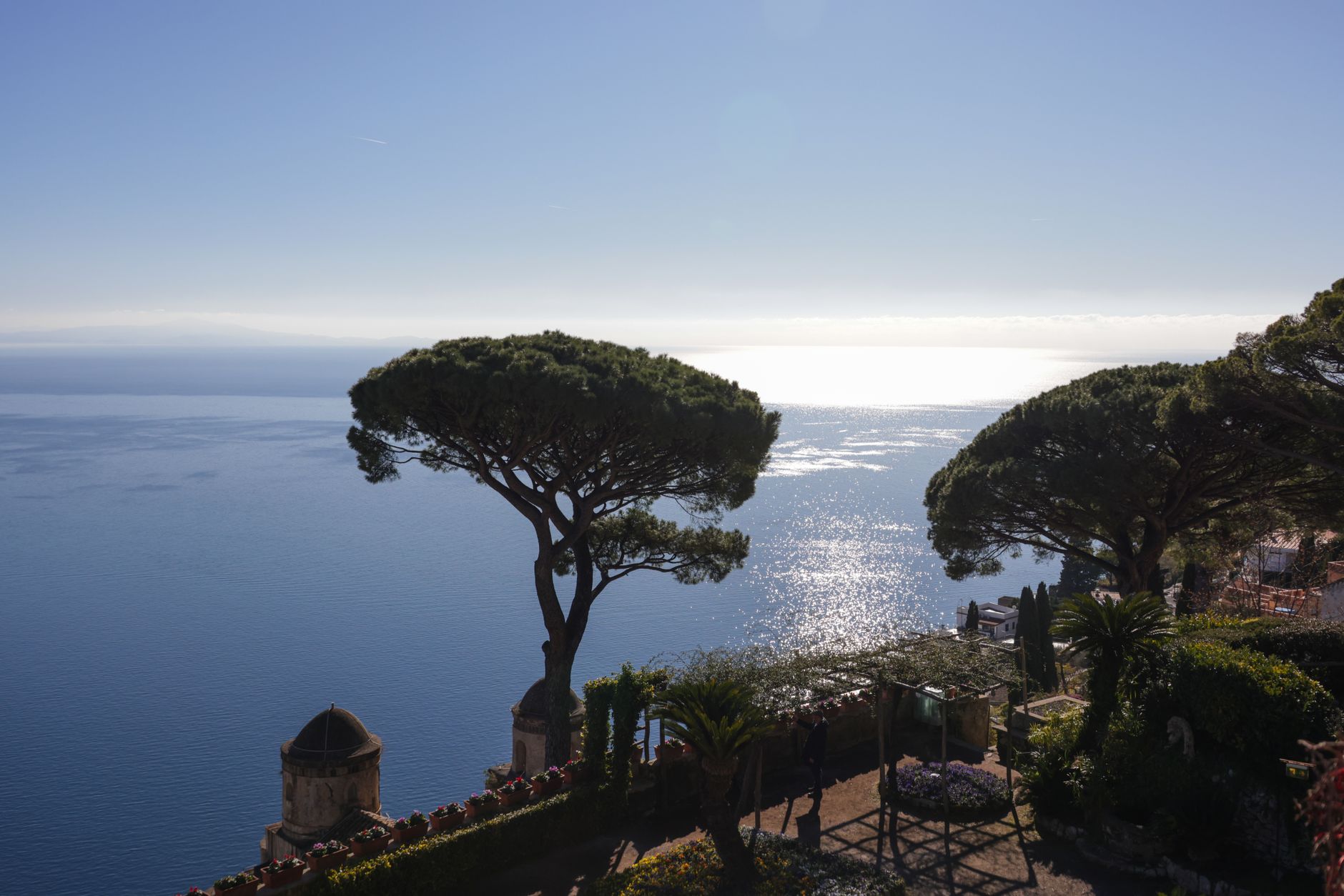
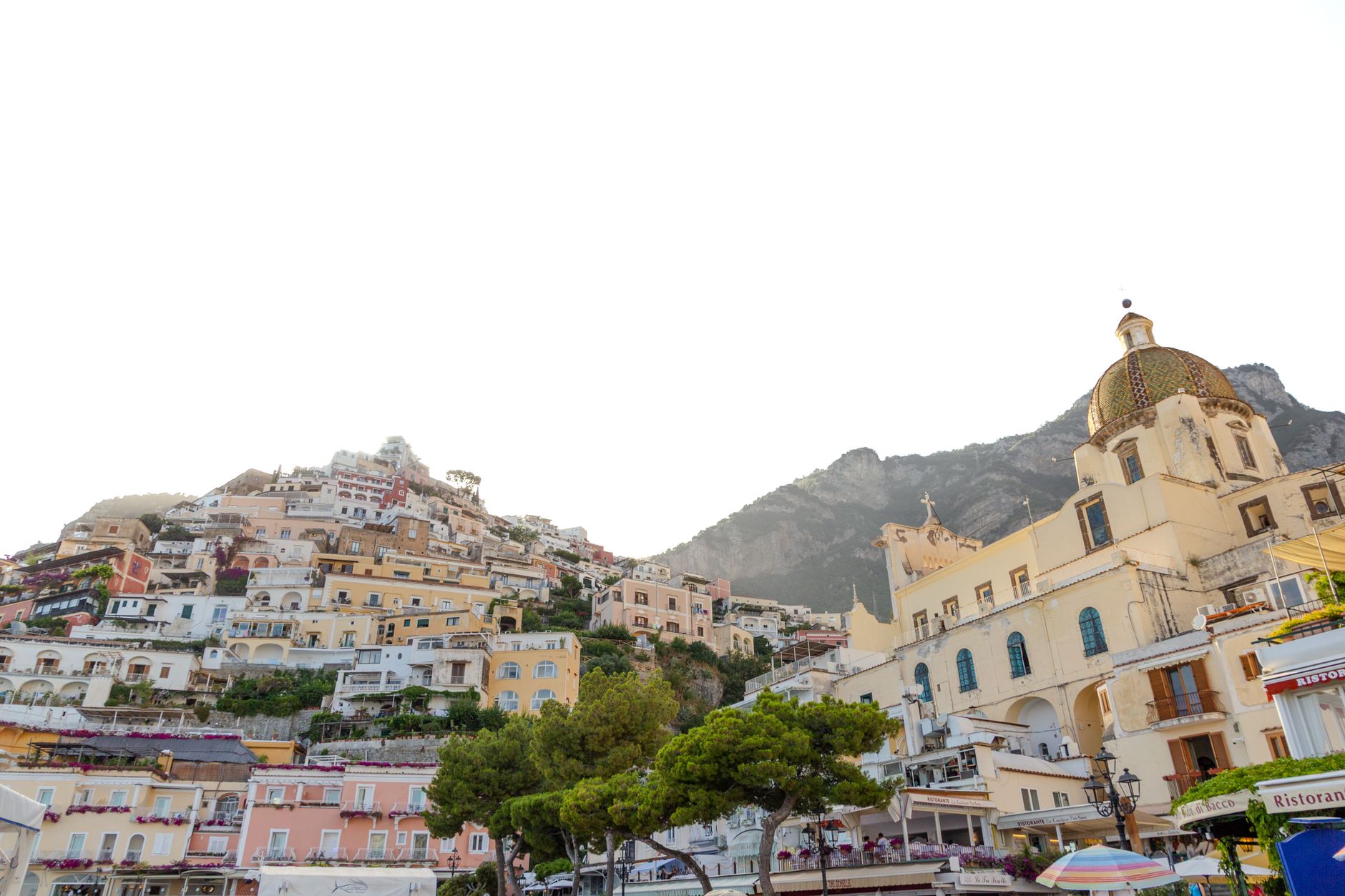
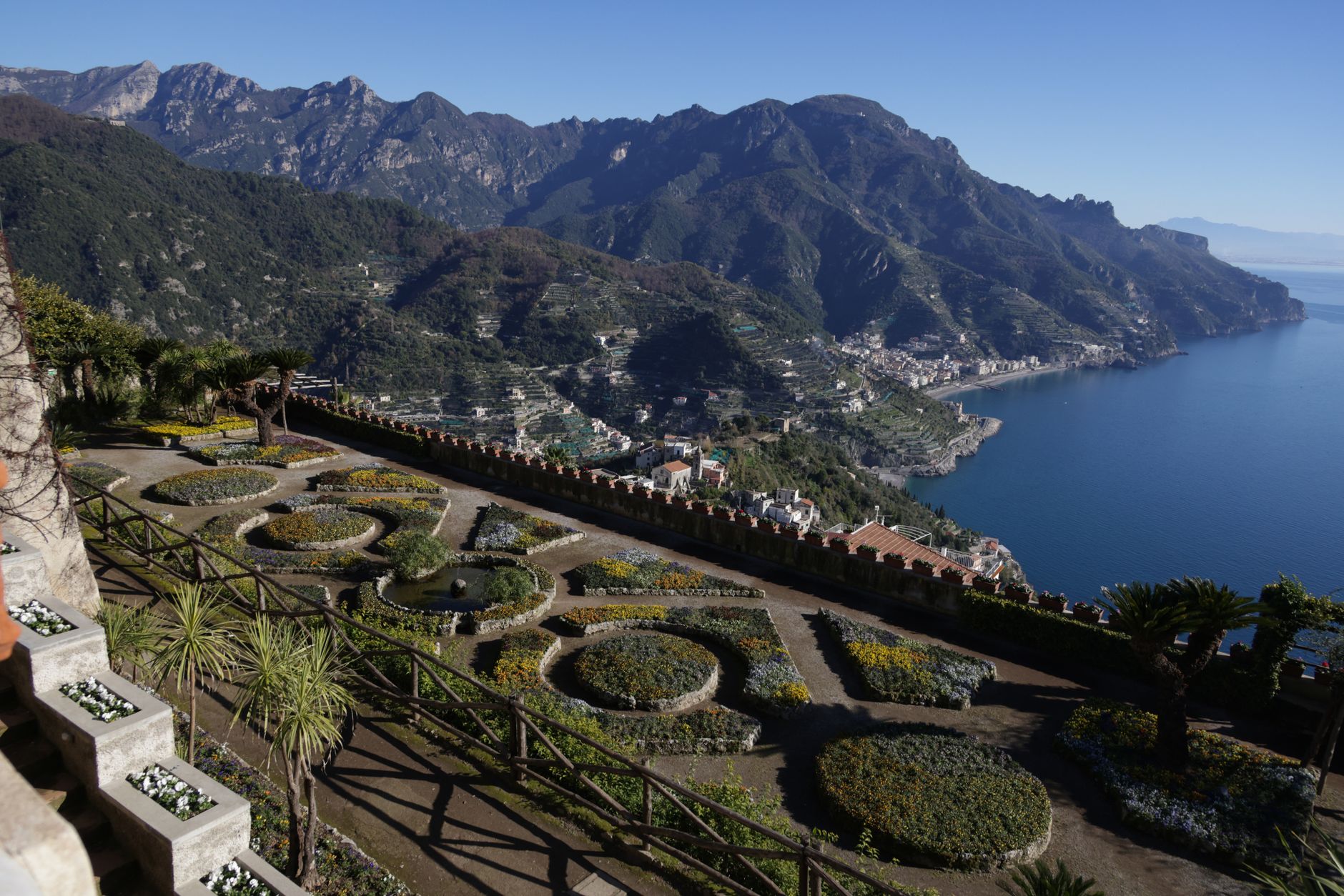
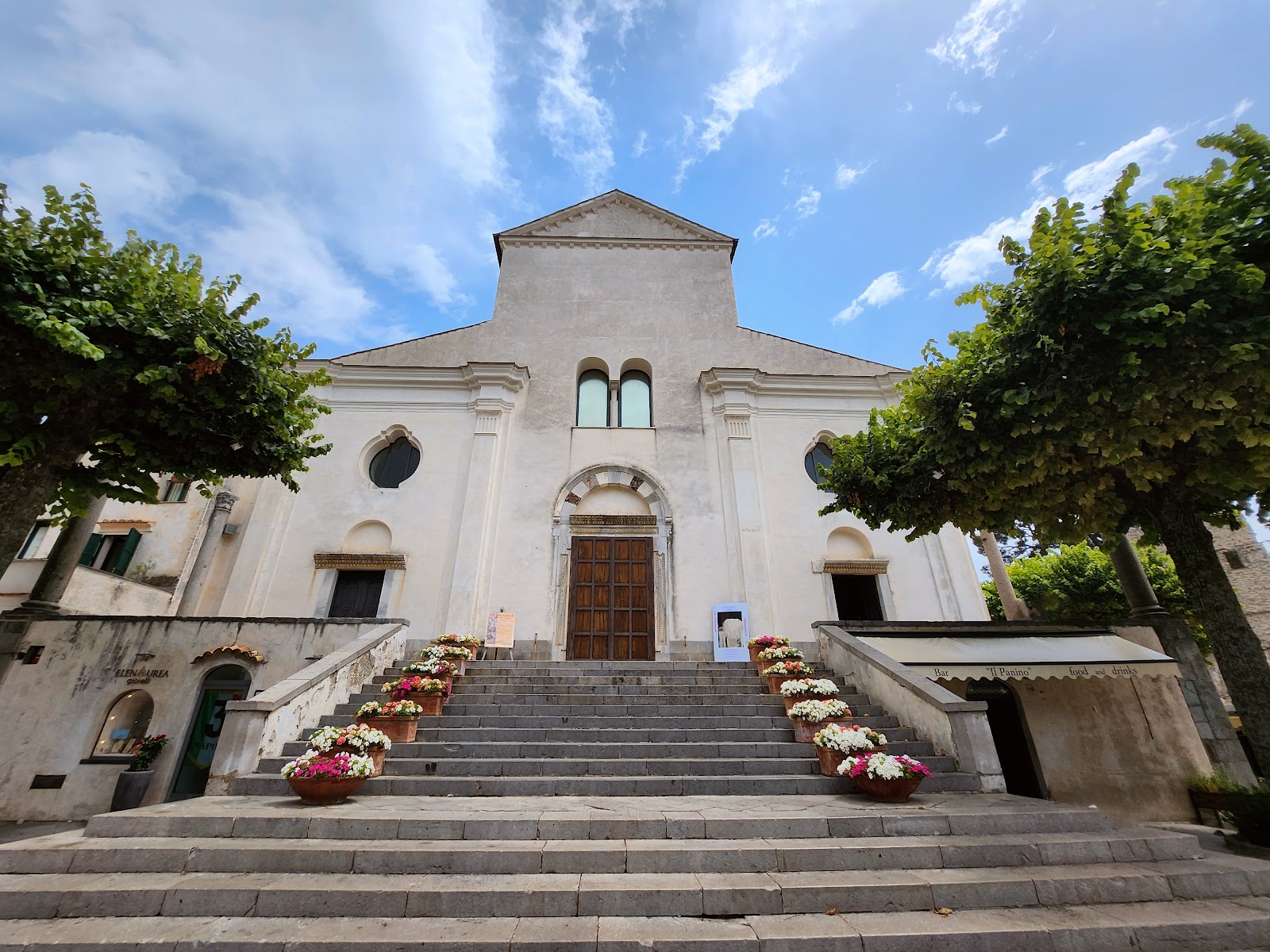
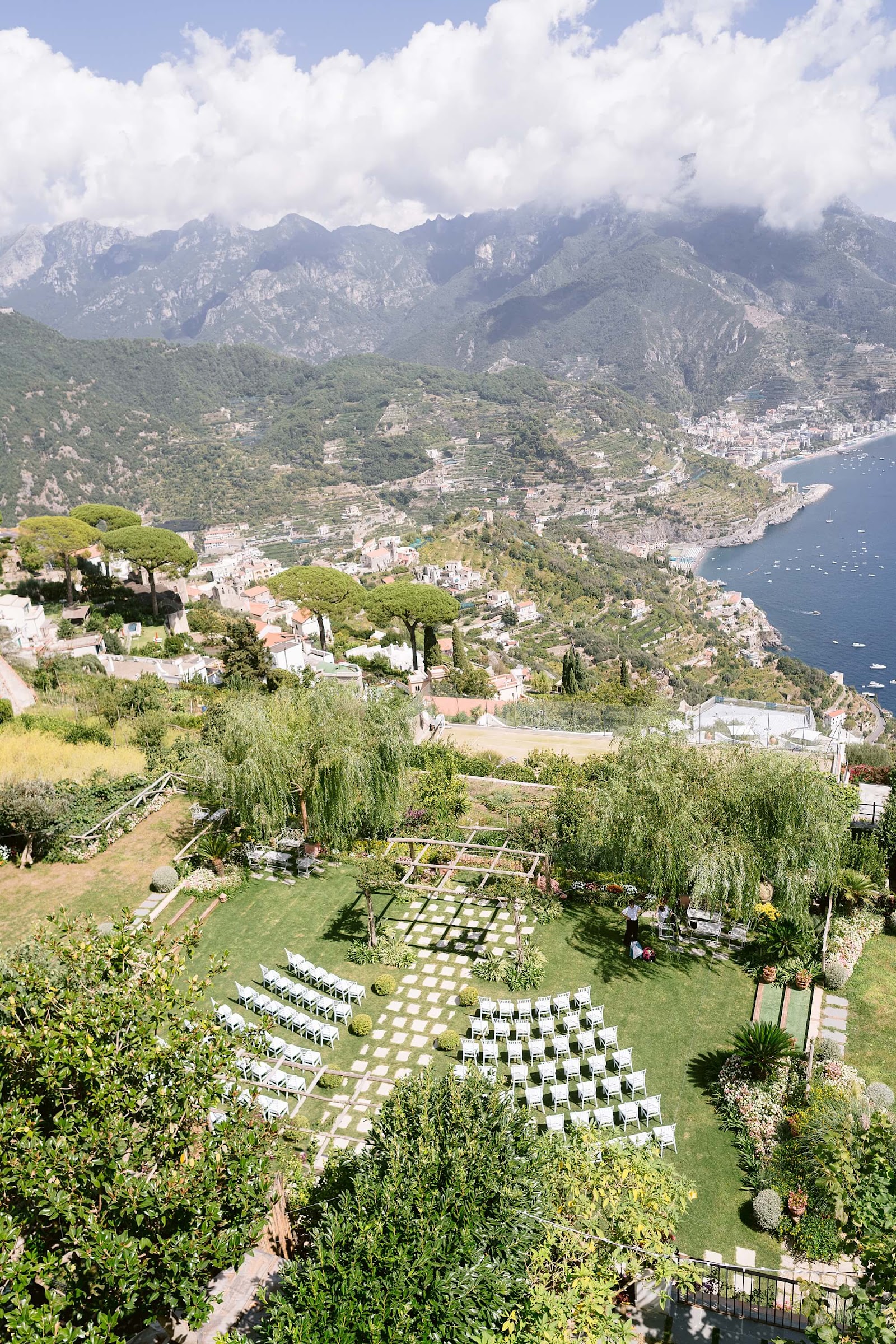
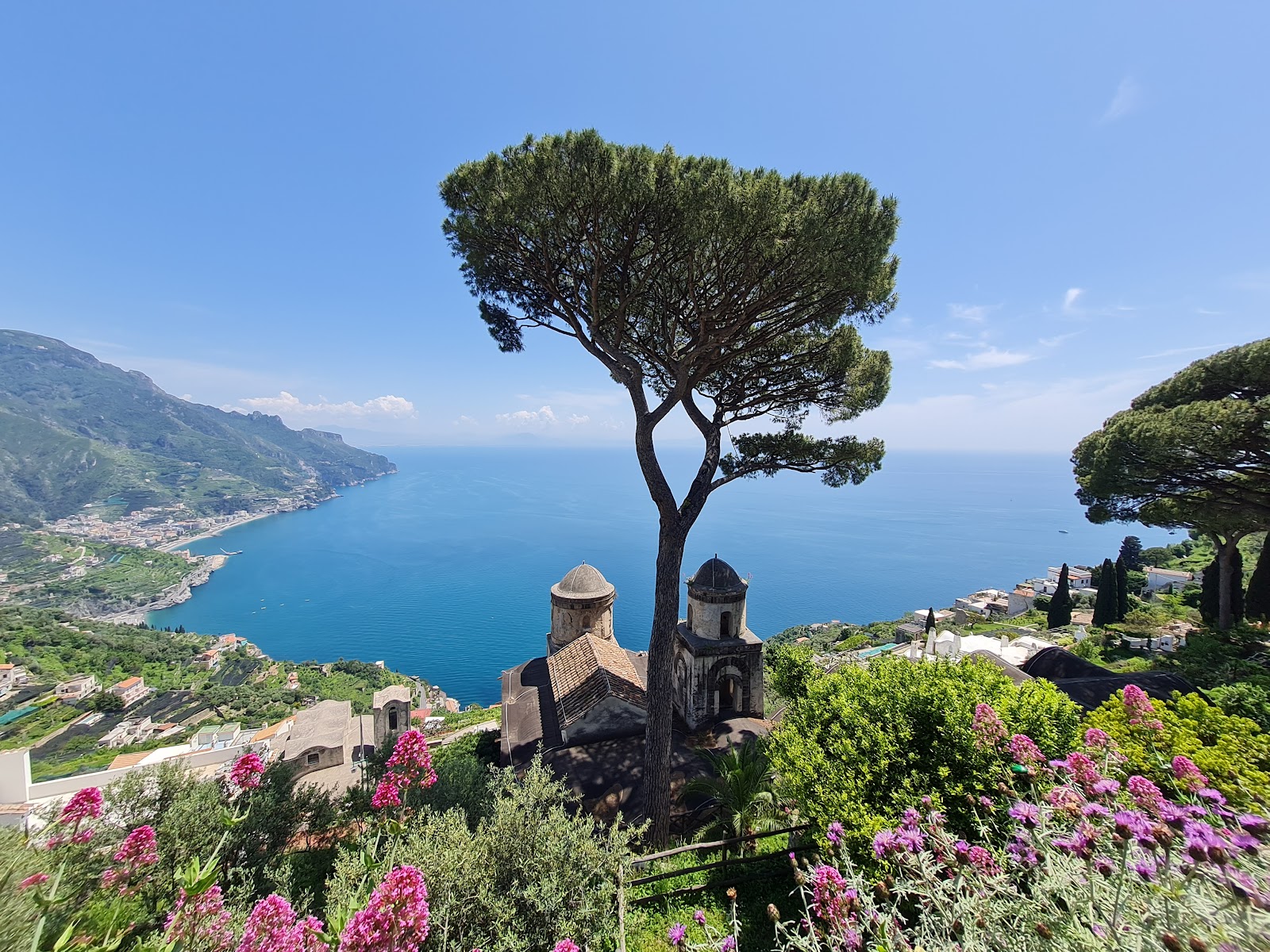
Ravello sits on a ridge above the Tyrrhenian Sea at around 350 metres, which means the coast you've been driving along all day suddenly becomes something you look down at. That shift in perspective is the point. The town's main square, Piazza Duomo, is small enough to cross in a minute, anchored by an 11th-century white cathedral on a raised platform — and yet the list of people who have stood here and stayed longer than planned runs from Wagner to Woolf to Gore Vidal, who kept a clifftop villa called La Rondinaia for decades.
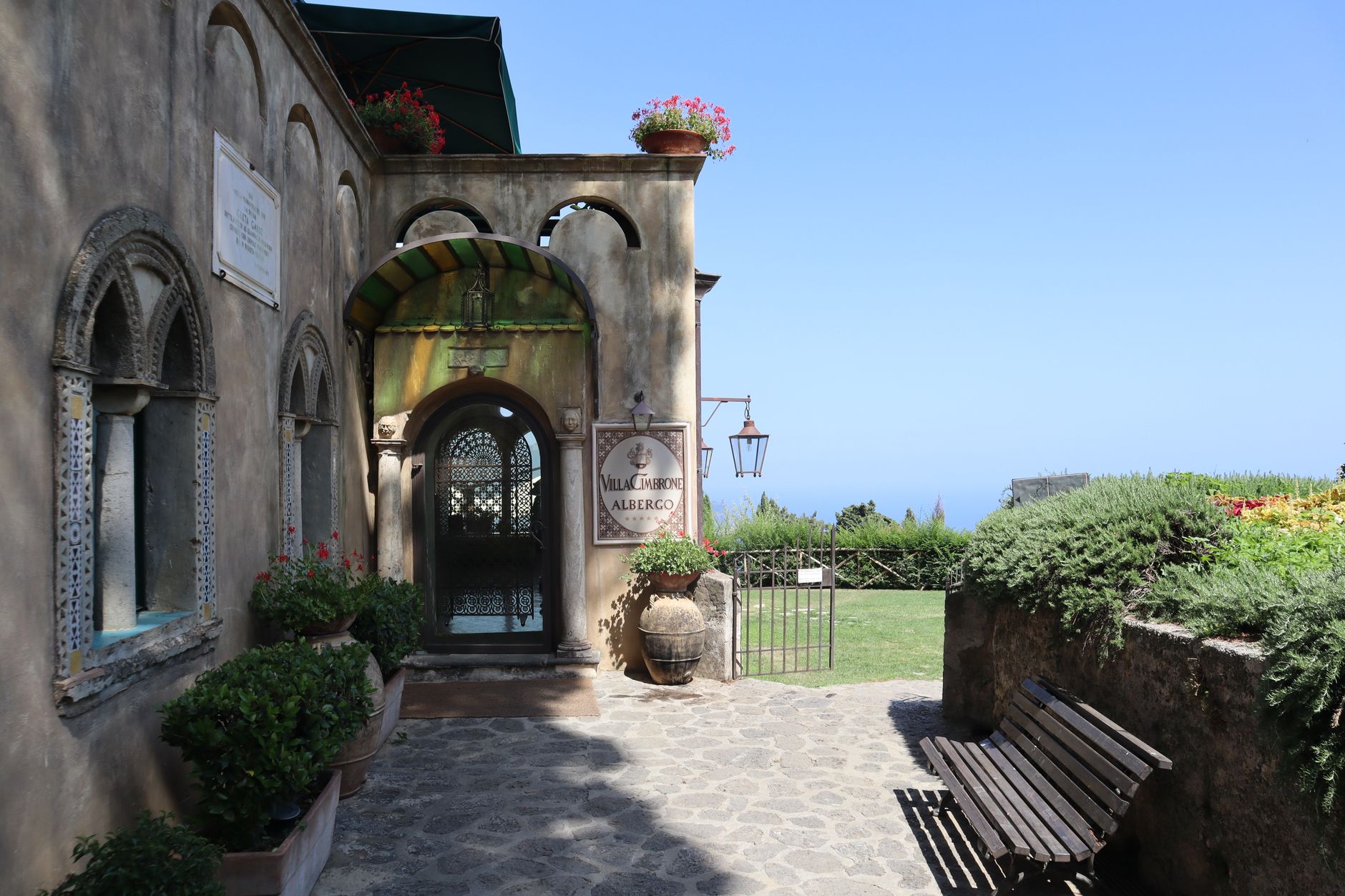
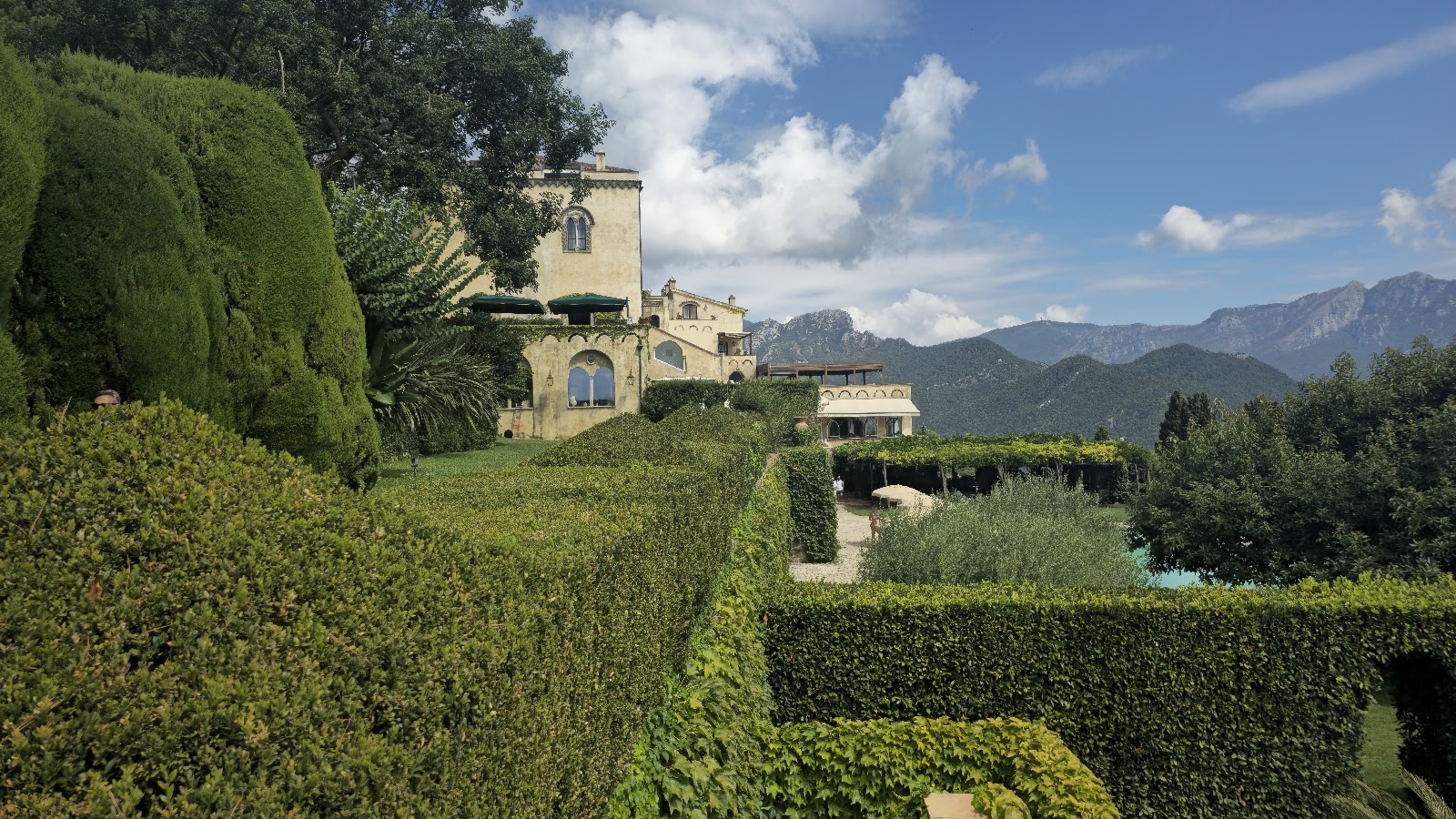
Ravello is compact and largely car-free at its centre, which makes the pace feel different from the coast road below. The two great villas — Rufolo and Cimbrone — are within walking distance of each other, and the Ravello Festival, running since 1953 in Wagner's honour, fills the summer calendar with open-air concerts against a backdrop that requires no enhancement.
💛 What travellers fall for
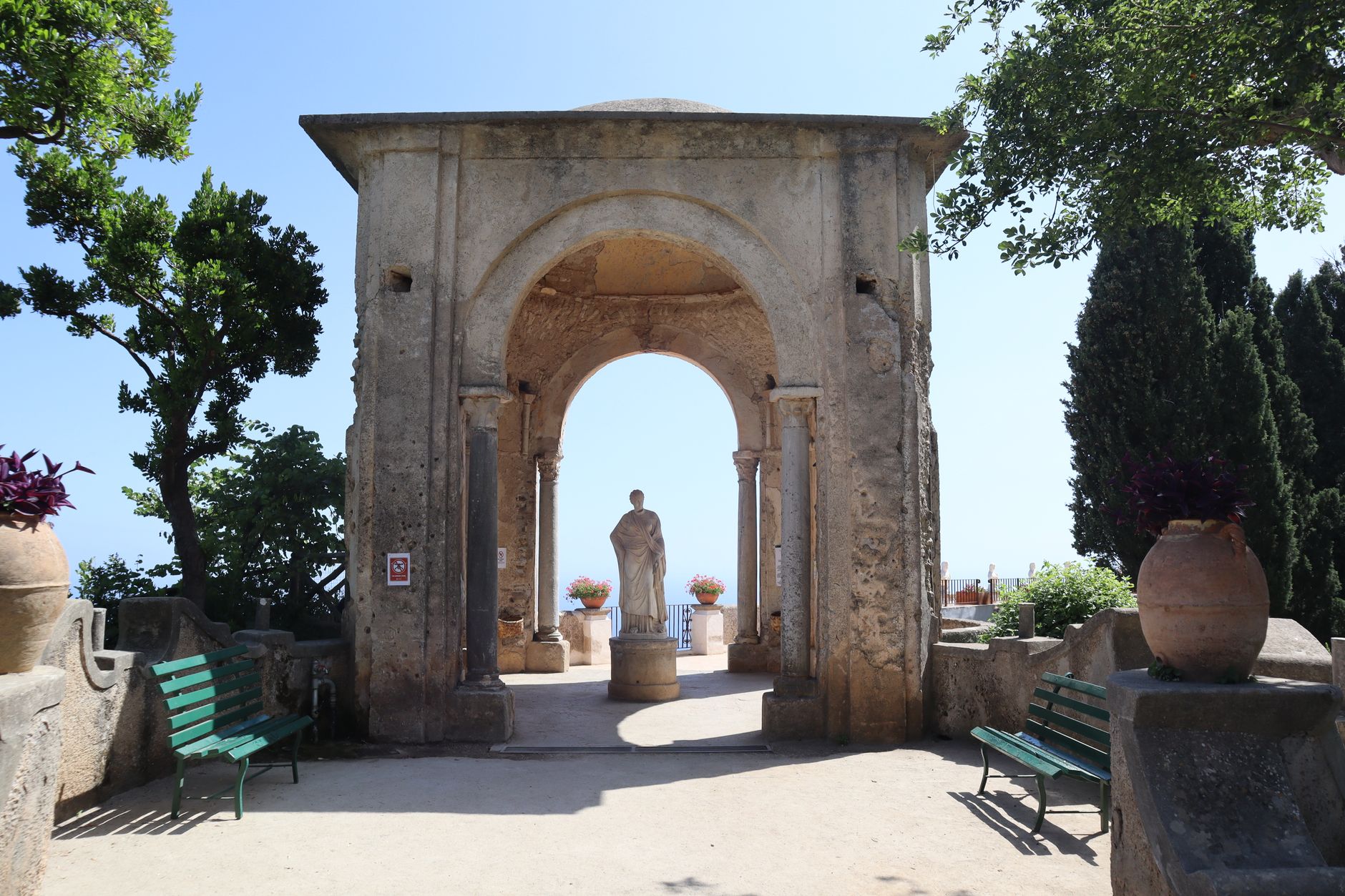
People who return tend to mention the Terrace of Infinity at Villa Cimbrone in the early morning, before the day-trippers arrive from Amalfi — the gardens of Cimbrone are public even though the villa itself is now a hotel. They also mention walking down the mule path to Minori rather than taking the bus back, which earns you a different angle on the hillside entirely.
Experiences you don't want to miss




Deals in Ravello
Book directly at the provider
How Ravello came to be
Ravello was founded in the 5th century by people moving inland to escape the disruption that followed the collapse of the Western Roman Empire. By the 9th century it had become a significant town within the Republic of Amalfi, producing wool in its surrounding countryside, dyeing it in the town, and trading across the Mediterranean. At its peak in the 12th century, the population reached around 25,000, and several palazzi of the mercantile nobility — the Rufolo, d'Aflitto, Confalone and Della Marra families — still stand.
In 1086, Pope Victor III made Ravello the seat of its own diocese, a move engineered by the Italo-Norman count Roger Borsa to counterbalance Amalfi's dominance. The arrangement held until 1137, when the Republic of Pisa destroyed the Duchy of Amalfi. The population drained away toward Naples, and Ravello entered a long, quiet contraction that, in retrospect, preserved much of what draws people here now. UNESCO listed it as a World Heritage Site in 1997.
Who and what shaped it
People who shaped it
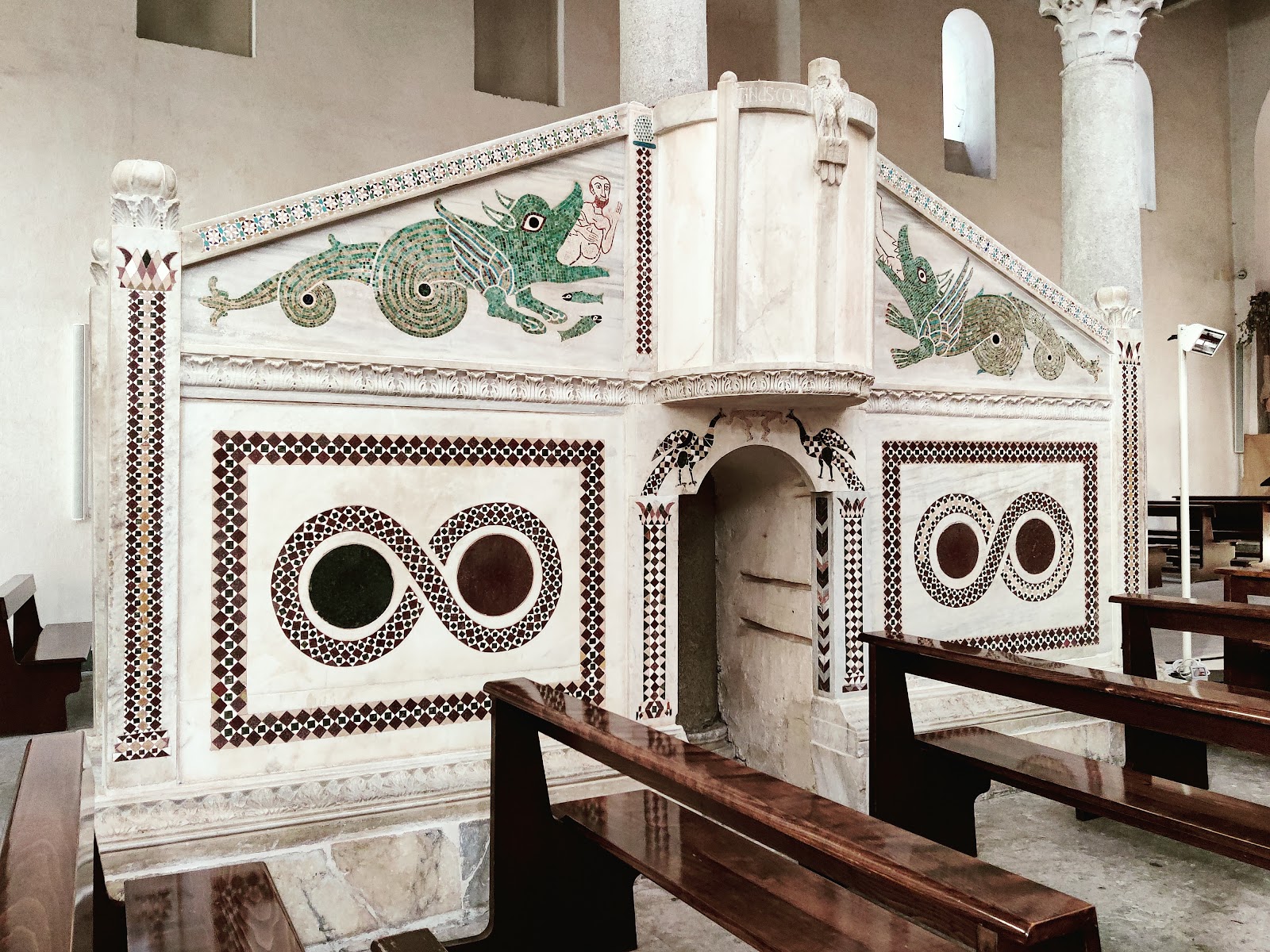
Landmark buildings
See Ravello in motion
Plan your visit
On the map
When to go
From May through October, temperatures range between 21°C and 28°C — warm enough for the gardens and the festival season, cool enough on the ridge that evenings often call for a layer. November and December bring the heaviest rain, with November averaging over 200mm across around 14 wet days; February is the coldest month at around 13°C.
Right now
↡ Attractions




Background & history adapted from Wikipedia (CC BY-SA) · specs from Wikidata (CC0) · weather from Open-Meteo · map data © OpenStreetMap contributors · photos from Wikimedia Commons / Unsplash with per-image credit. No third-party reviews or social posts reproduced.