
Quimper
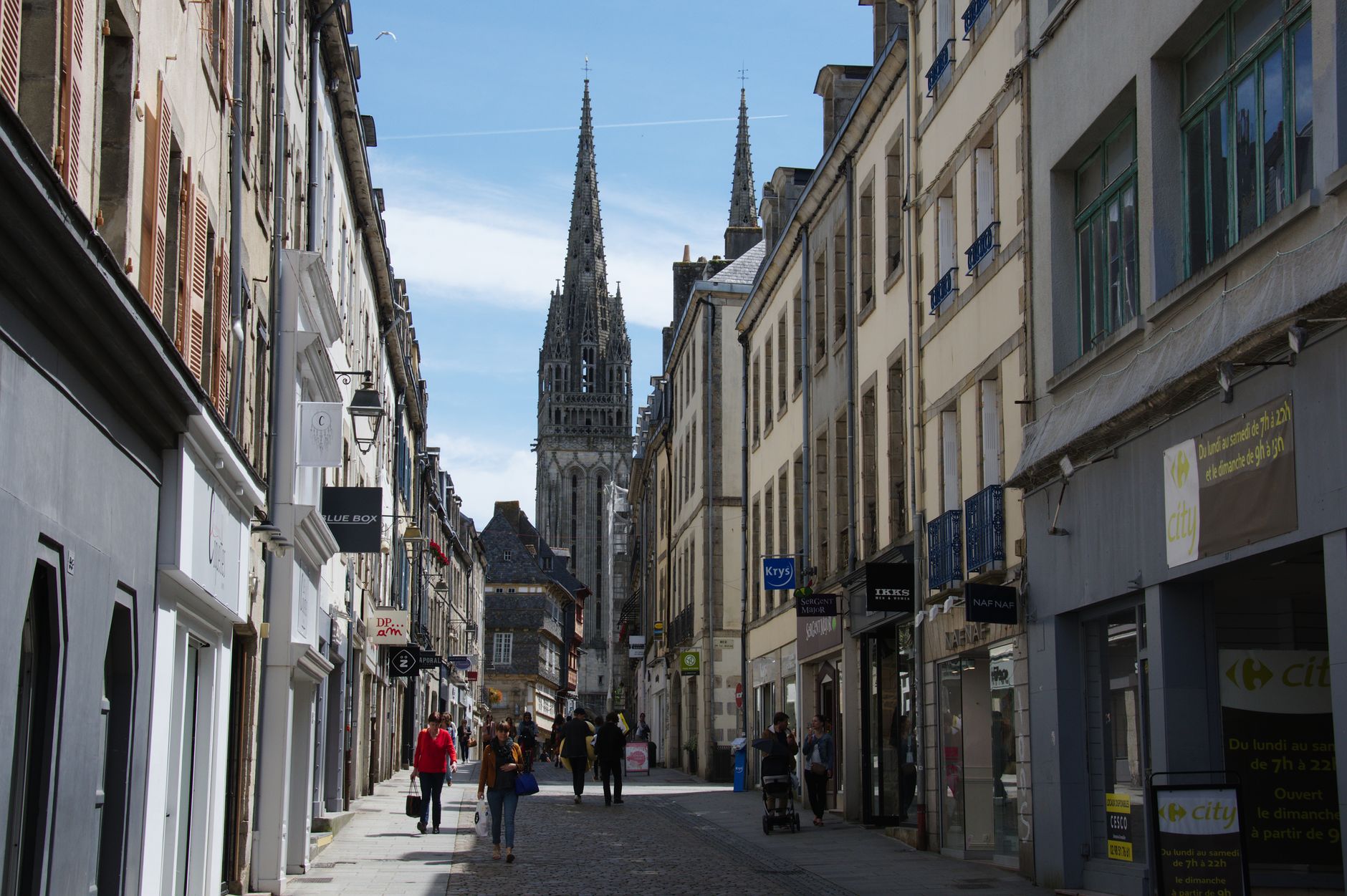
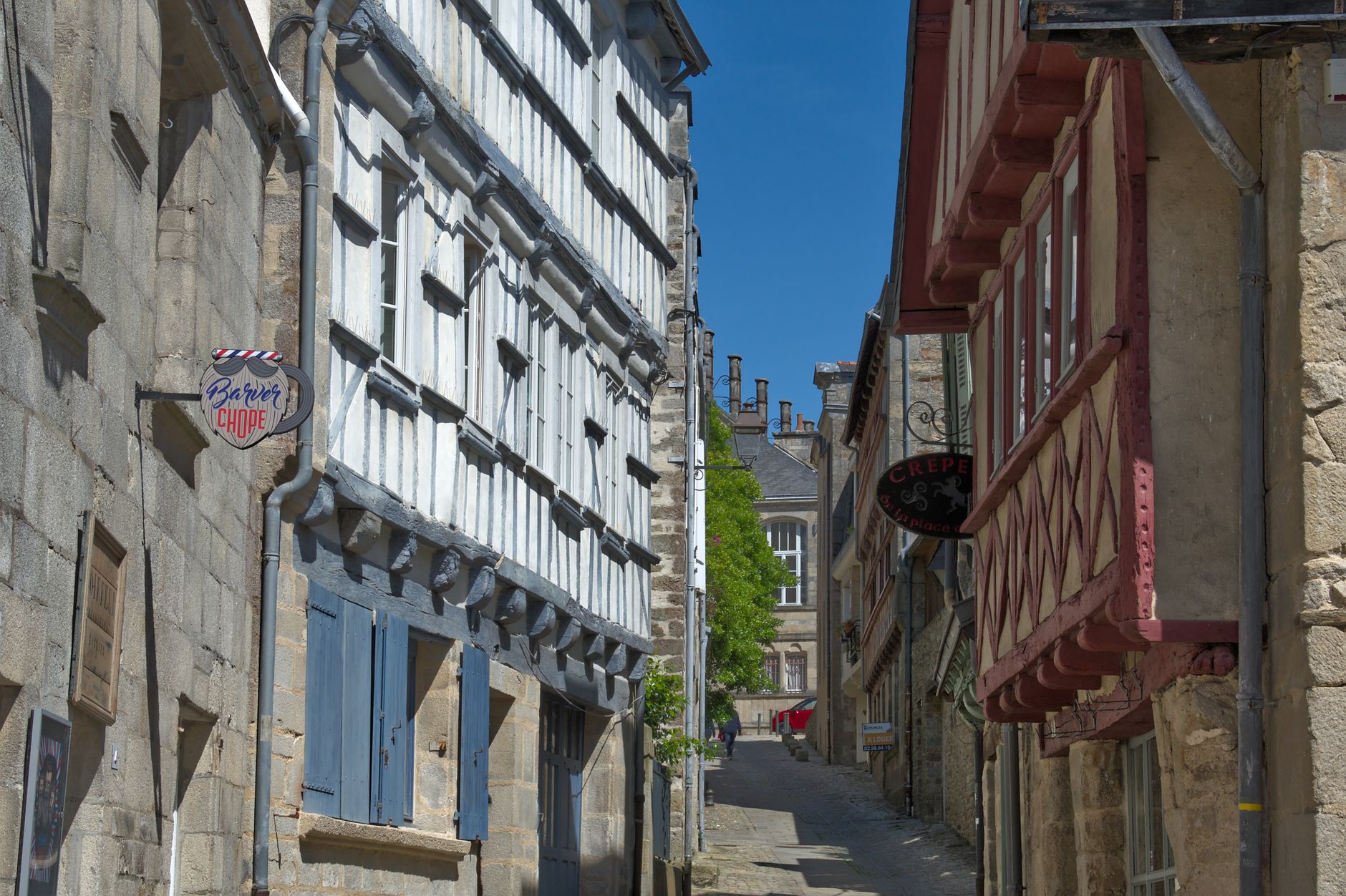
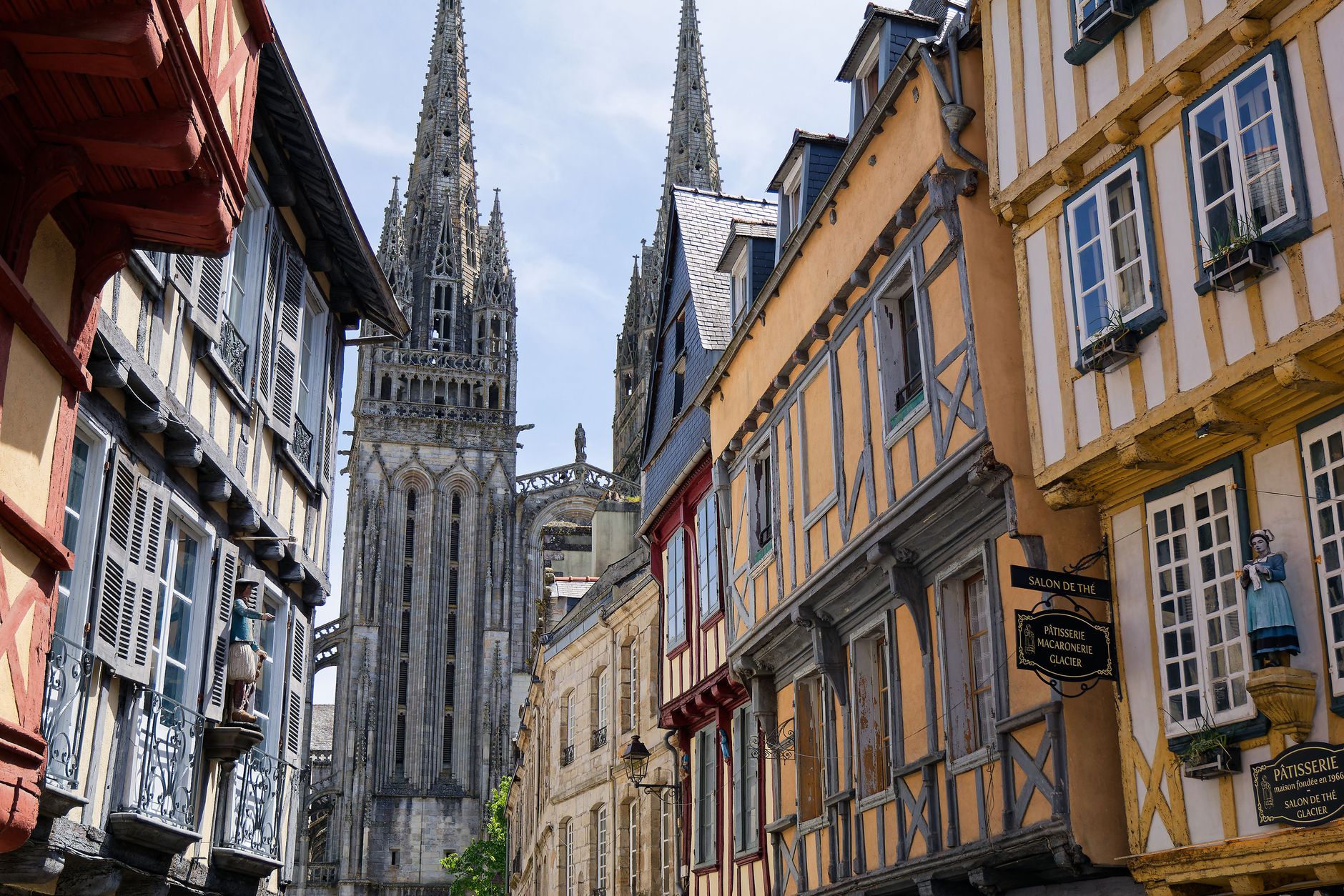
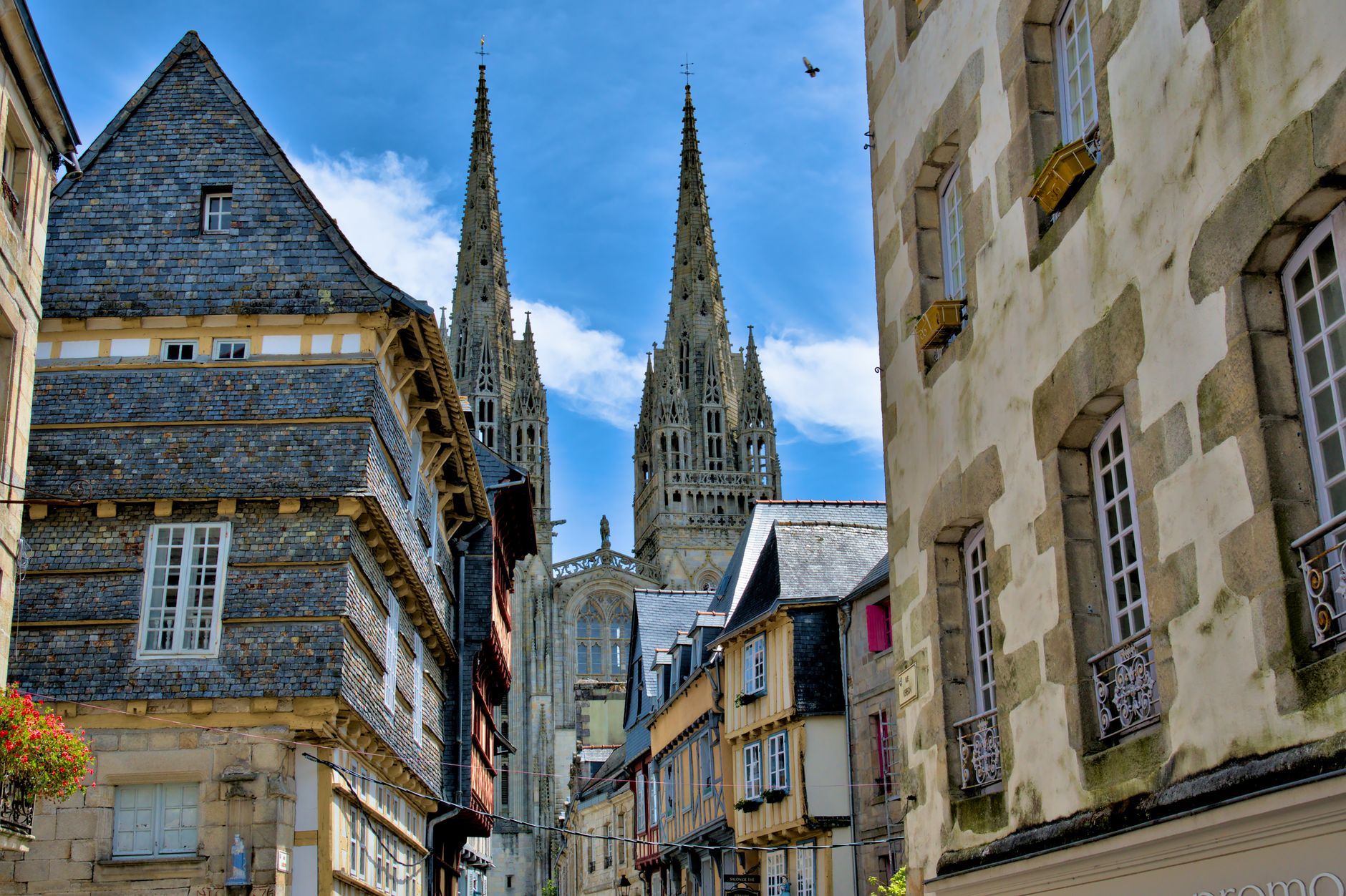
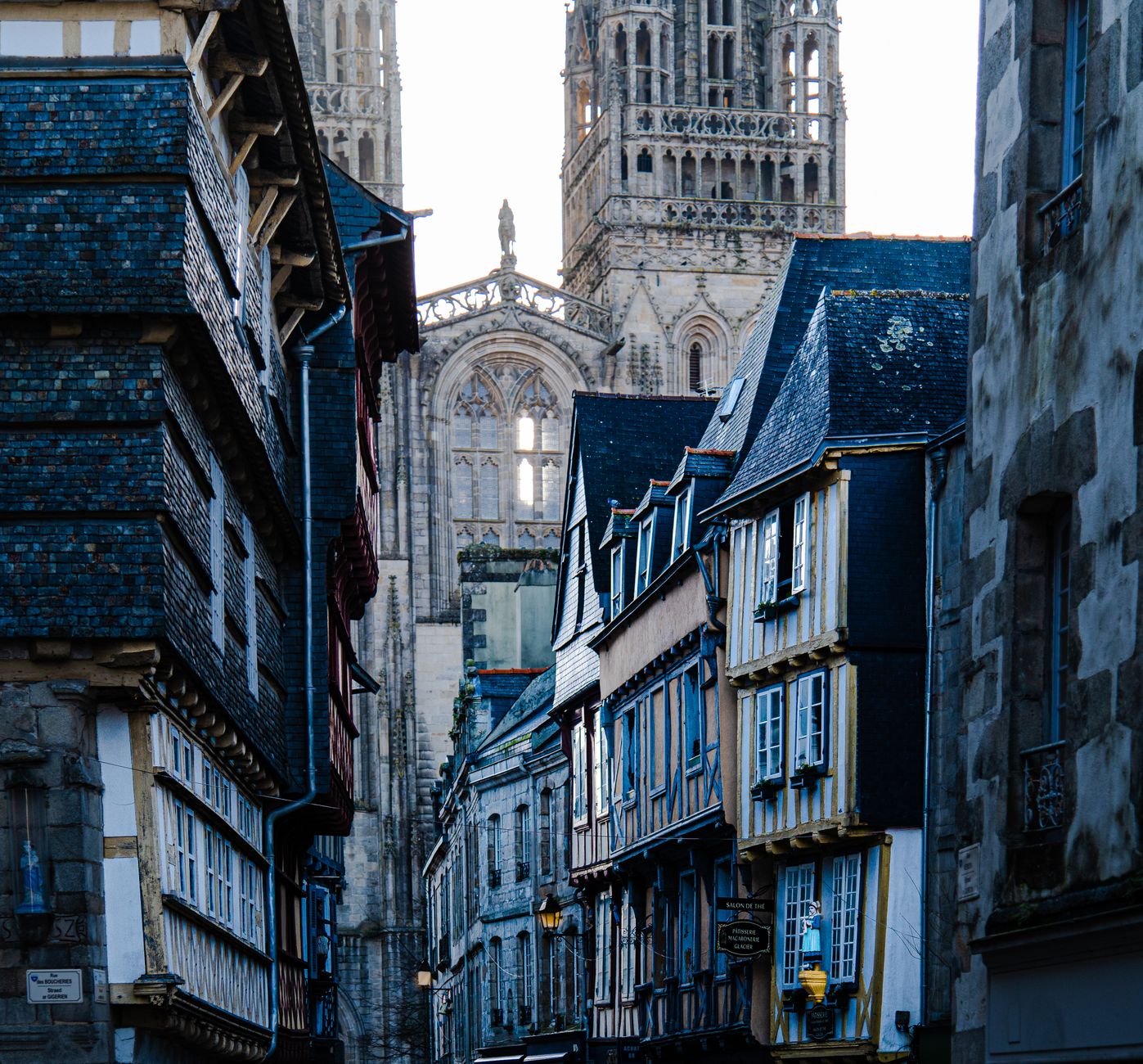
The name gives it away: Quimper comes from the Breton word kemper, meaning confluence, and the city has been defined by the meeting of two rivers — Le Steir and L'Odet — since the Romans set up a small port here in the first century. Walk the old quarter and the street names do the talking: Rue Kéréon for the shoemakers, Place au Beurre where butter was traded, Rue des Boucheries for the butchers. The geography and the commerce are still written into the cobblestones.
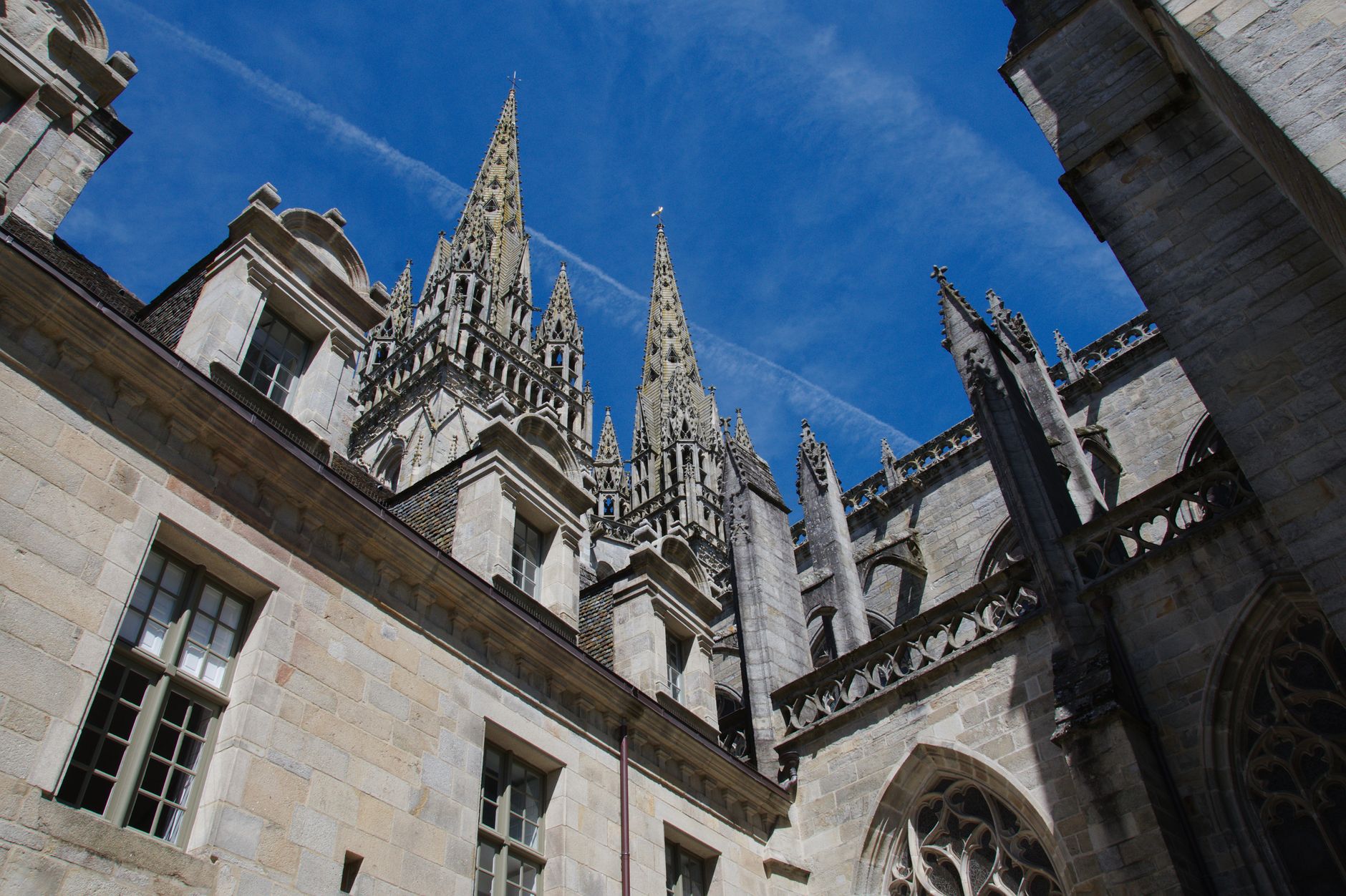
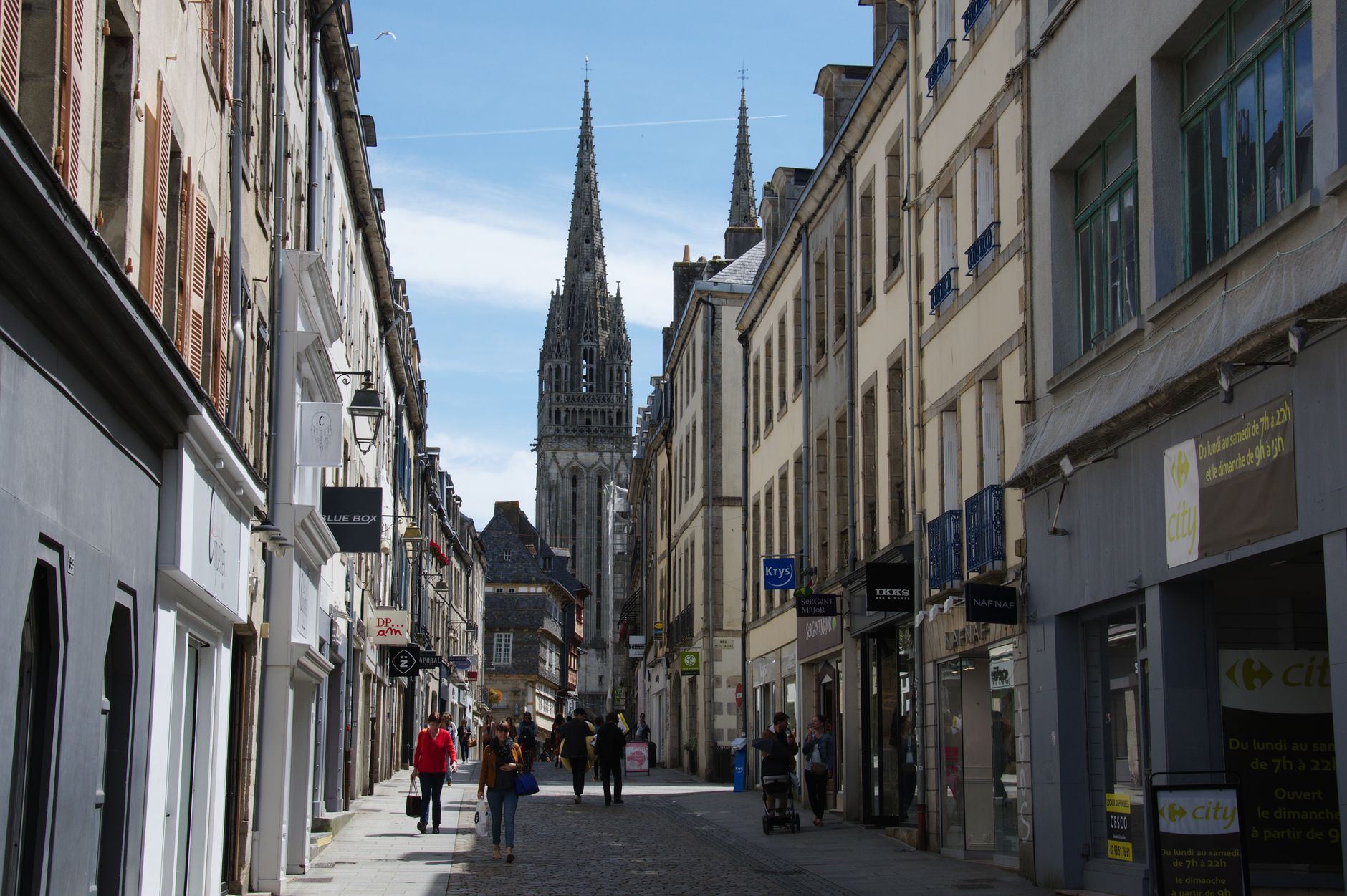
At the centre of it all stands the Cathédrale Saint-Corentin, whose nave bends slightly off-axis — not by accident, but to avoid swampy ground during medieval construction. That small, practical imperfection is a good lens for the city: old, considered, quietly itself.
💛 What travellers fall for
People who come back tend to time it around the faïenceries in Locmaria, where the pottery tradition goes back to 1690 — worth an hour even if you don't buy anything. The Musée des Beaux-Arts surprises most visitors with its Rubens and its Pont-Aven canvases in the same rooms. Le Jardin de la Retraite, tucked behind the ramparts, is easy to walk past and worth not doing so.
Experiences you don't want to miss


Deals in Quimper
Book directly at the provider
How Quimper came to be
Quimper's first settled life was Roman, a river-mouth port in Locmaria during the first century CE. By 495, it had become a bishopric, its founding bishop the figure known as Saint Corentin — one of the seven saints credited with establishing Brittany as a Christian territory. The city grew as capital of the counts of Cornouailles, joining the Duchy of Brittany in the eleventh century, though the War of the Breton Succession (1341–1364) left it considerably damaged.
The cathedral begun in 1239 took centuries to complete; its spires weren't finished until 1854–1856, paid for by the citizens themselves. The faïence industry arrived in 1690 with the opening of the first manufactory in Locmaria, and that craft — blue-and-yellow earthenware decorated with Breton figures — became the city's most recognisable export. In January 1790, Quimper was named county town of its new département.
Who and what shaped it
People who shaped it
Landmark buildings
See Quimper in motion
Plan your visit
On the map
When to go
Brittany's Atlantic position keeps temperatures moderate year-round — summers are mild and rarely hot, winters damp rather than cold. Rain is possible in any season, so a layer and something waterproof are sensible companions even in July.
Right now
Background & history adapted from Wikipedia (CC BY-SA) · specs from Wikidata (CC0) · weather from Open-Meteo · map data © OpenStreetMap contributors · photos from Wikimedia Commons / Unsplash with per-image credit. No third-party reviews or social posts reproduced.