
Qena
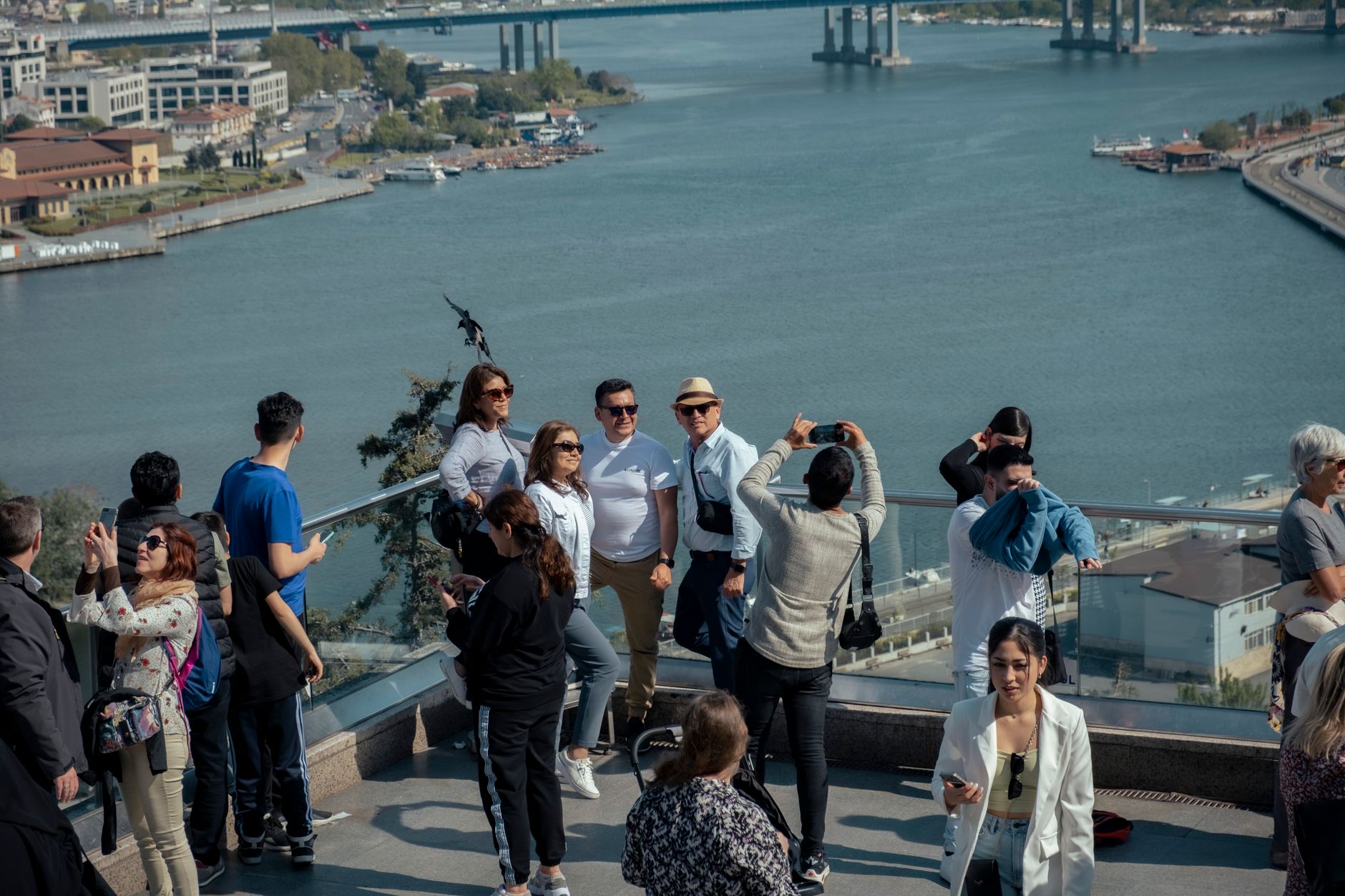
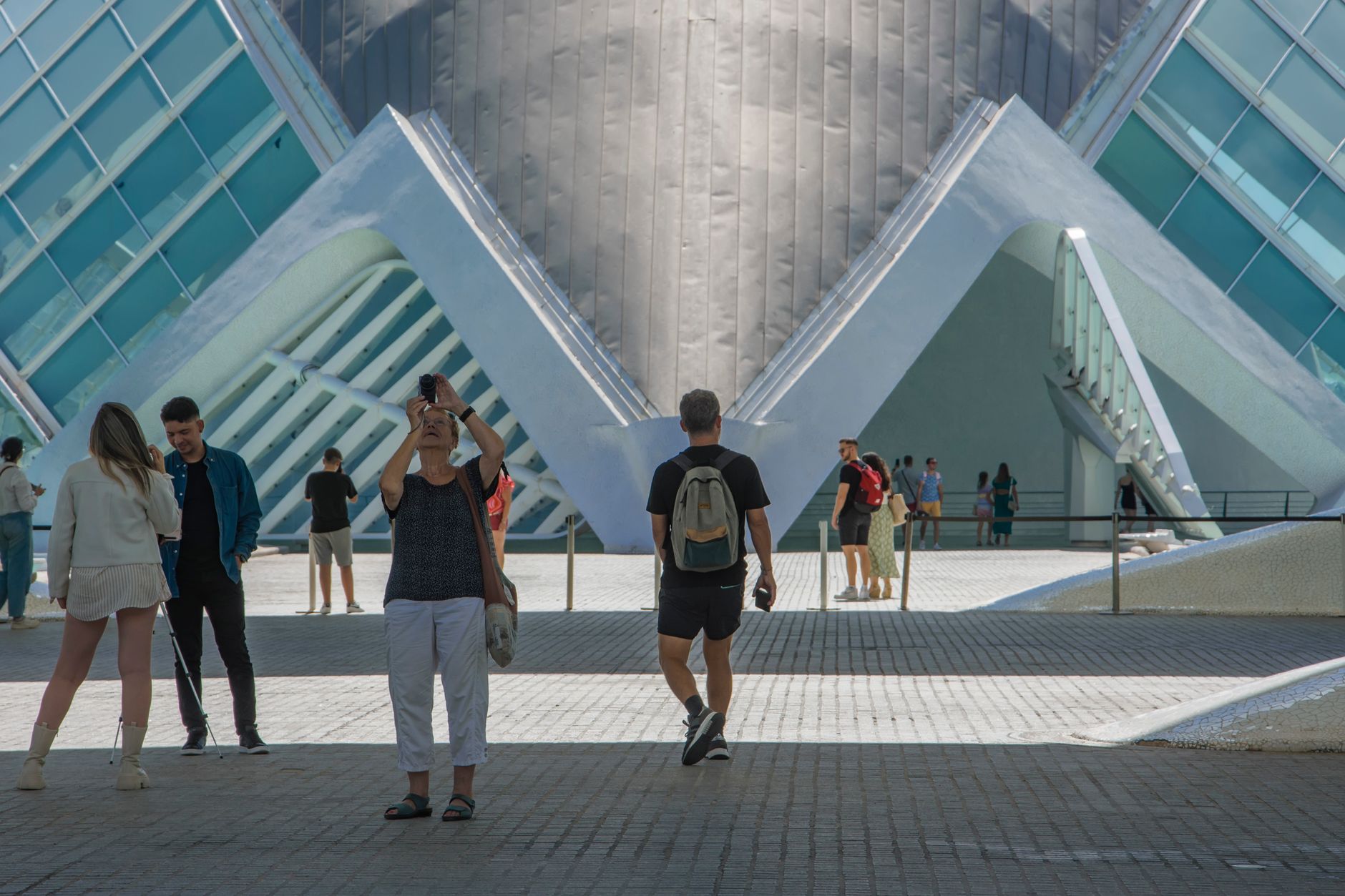
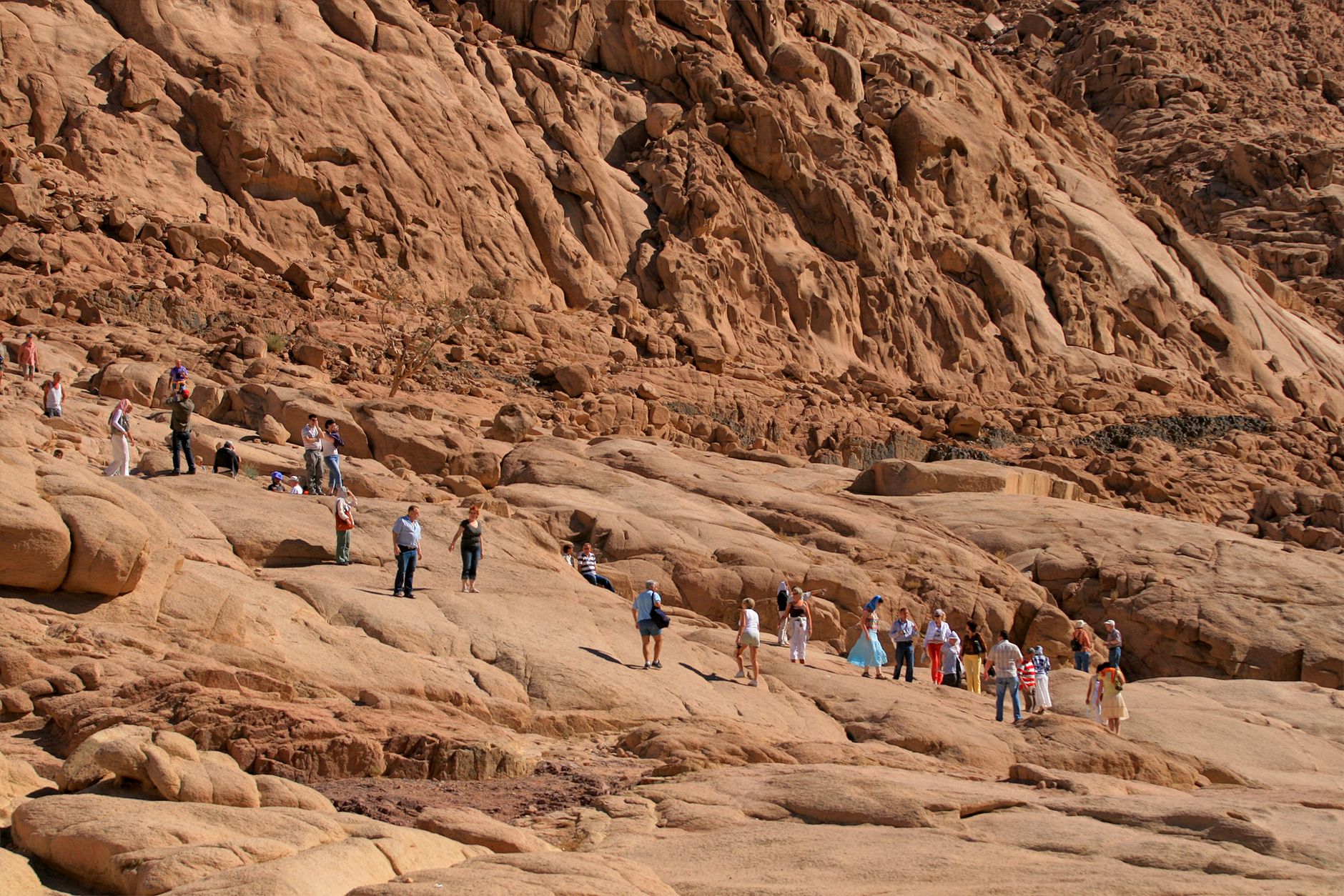
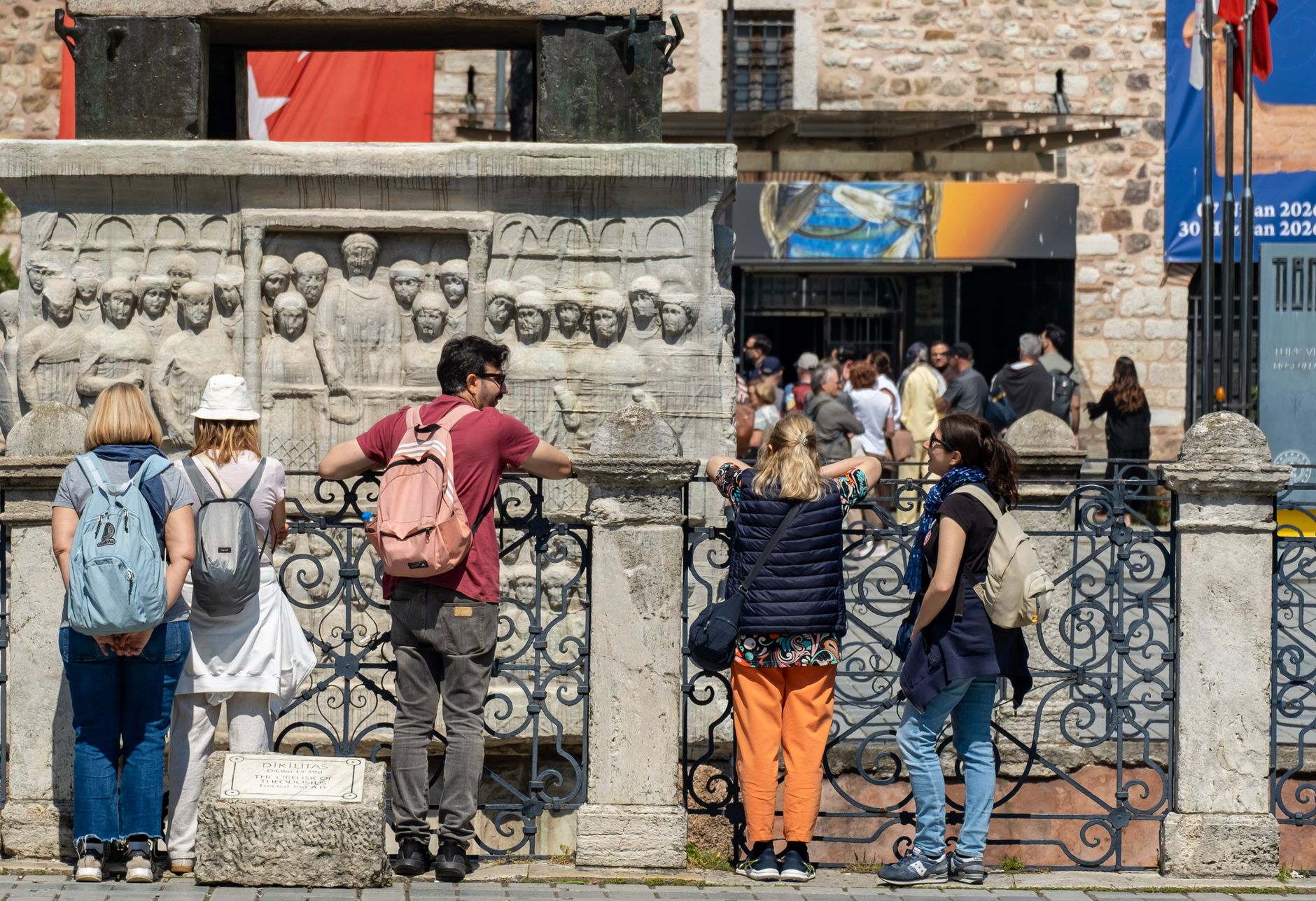
Qena sits on the east bank of the Nile about 63 kilometres north of Luxor, and most travellers pass through it on the way to somewhere else — which is their loss. The city's own skyline is anchored by the Sidi Abd el-Rahim Mosque, built in 1195 over the tomb of a Sufi saint and still a living centre of pilgrimage and gathering, not a relic.
Five kilometres across the river, the Dendera Temple Complex — 40,000 square metres enclosed within a mudbrick wall — was raised by Ptolemy XII and finished under Cleopatra VII. That combination of medieval Islamic scholarship and pharaonic stone is the particular texture of Qena, a city that has been quietly accumulating significance for a very long time.
💛 What travellers fall for
People who come back tend to arrive for Dendera and stay for the mosque. The microbus network is cheaper and more useful than it looks — agree a fare with a taxi driver first to calibrate what you should be paying. Early morning at the Sidi Abd el-Rahim Mosque, before the heat builds, is when the courtyard feels most itself.
Deals in Qena
Book directly at the provider
How Qena came to be
The ground around Qena has been occupied longer than almost anywhere in Egypt — a burial near Taramsa Hill dates to roughly 68,000 BCE. In the ancient record the settlement was called Shabt, always secondary to the religious complex at Dendera nearby. Greek settlers renamed it Kaine, simply 'the new city', and Rome later knew it as Maximianopolis.
After the decline of the old beliefs, Qena reorganised itself around Islamic learning and became one of the significant scholarly centres of Upper Egypt through the Middle Ages. The arrival of Sheikh Abd el-Rahim al-Qenawi — who returned from Mecca to establish a Sufi centre here — gave the city a spiritual identity it still carries. When Mamluk-era trade routes shifted northward across the Eastern Desert toward Red Sea ports, Qena found itself on the new line of movement, and it has remained a transit and market hub ever since. In 1960 it became the seat of its own governorate.
Who and what shaped it
People who shaped it
Landmark buildings
See Qena in motion
Plan your visit
On the map
When to go
Qena runs hot desert rules: almost no rain, summers that regularly touch 40°C and have once reached 50°C, and a January cold that can drop near freezing overnight — the city has the widest day-to-night temperature swing of any place in Egypt. Come between October and April, and bring a layer for the evenings.
Right now
Background & history adapted from Wikipedia (CC BY-SA) · specs from Wikidata (CC0) · weather from Open-Meteo · map data © OpenStreetMap contributors · photos from Wikimedia Commons / Unsplash with per-image credit. No third-party reviews or social posts reproduced.