
표선 (Pyoseon-myeon)
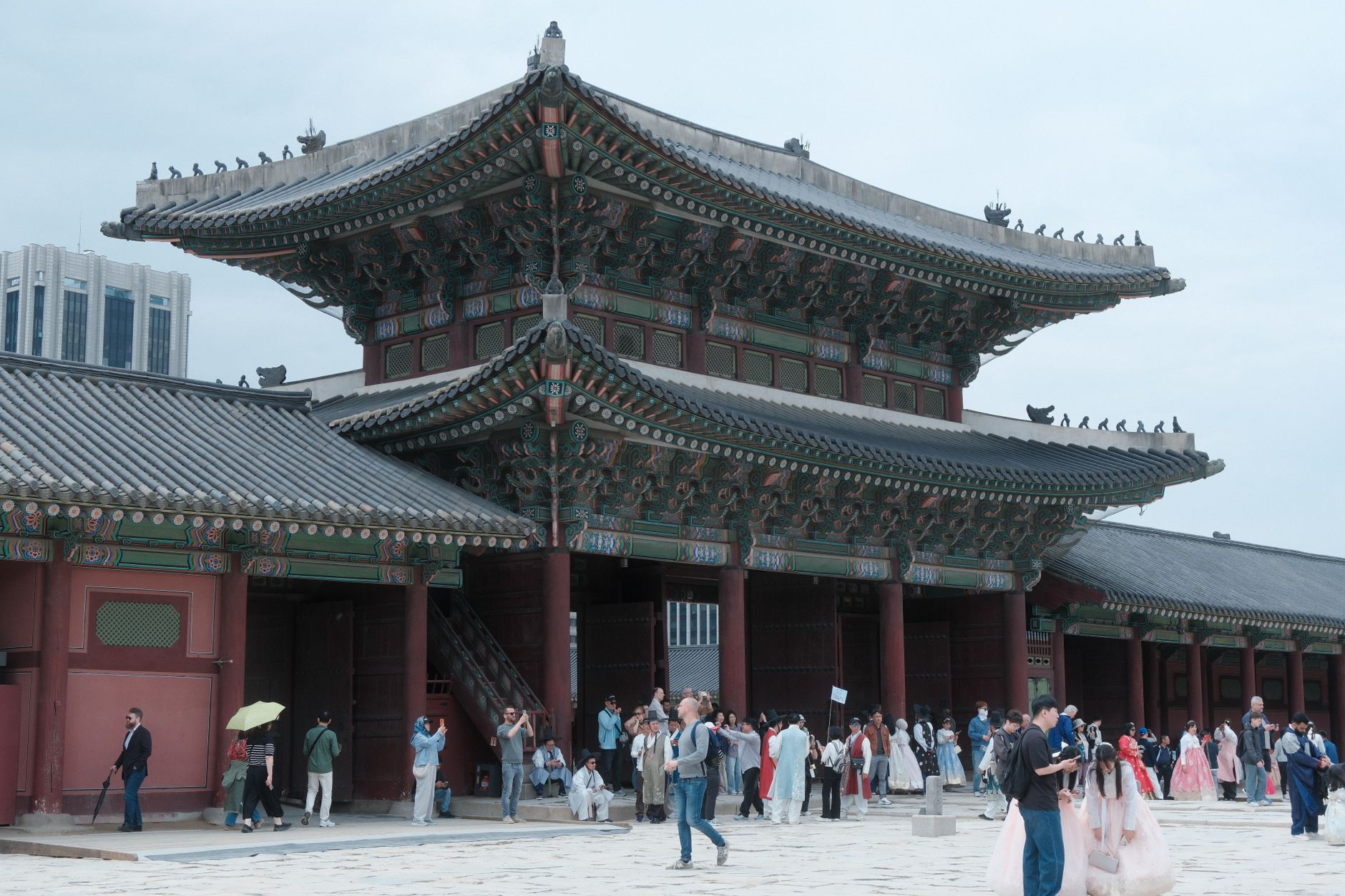
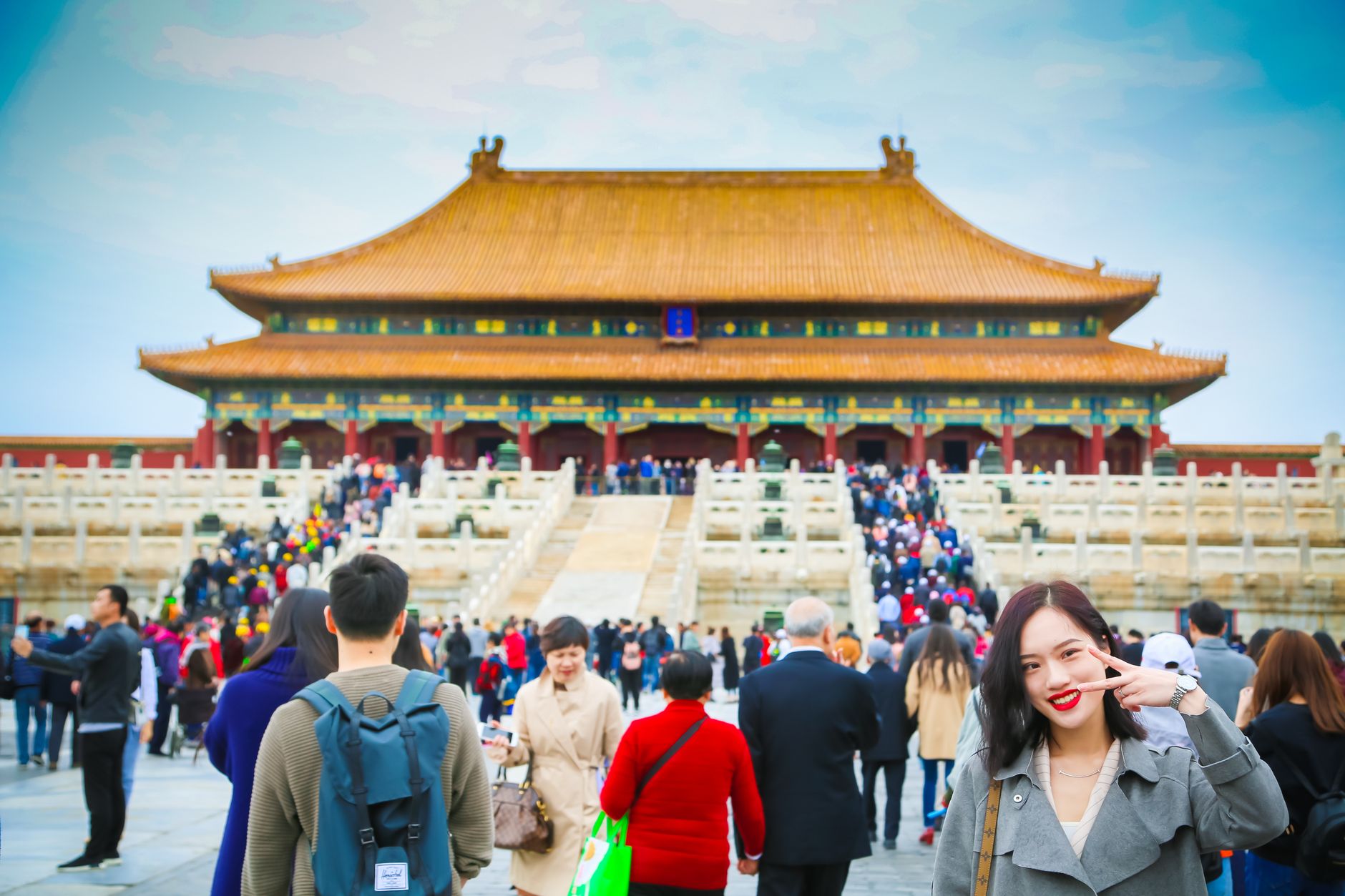
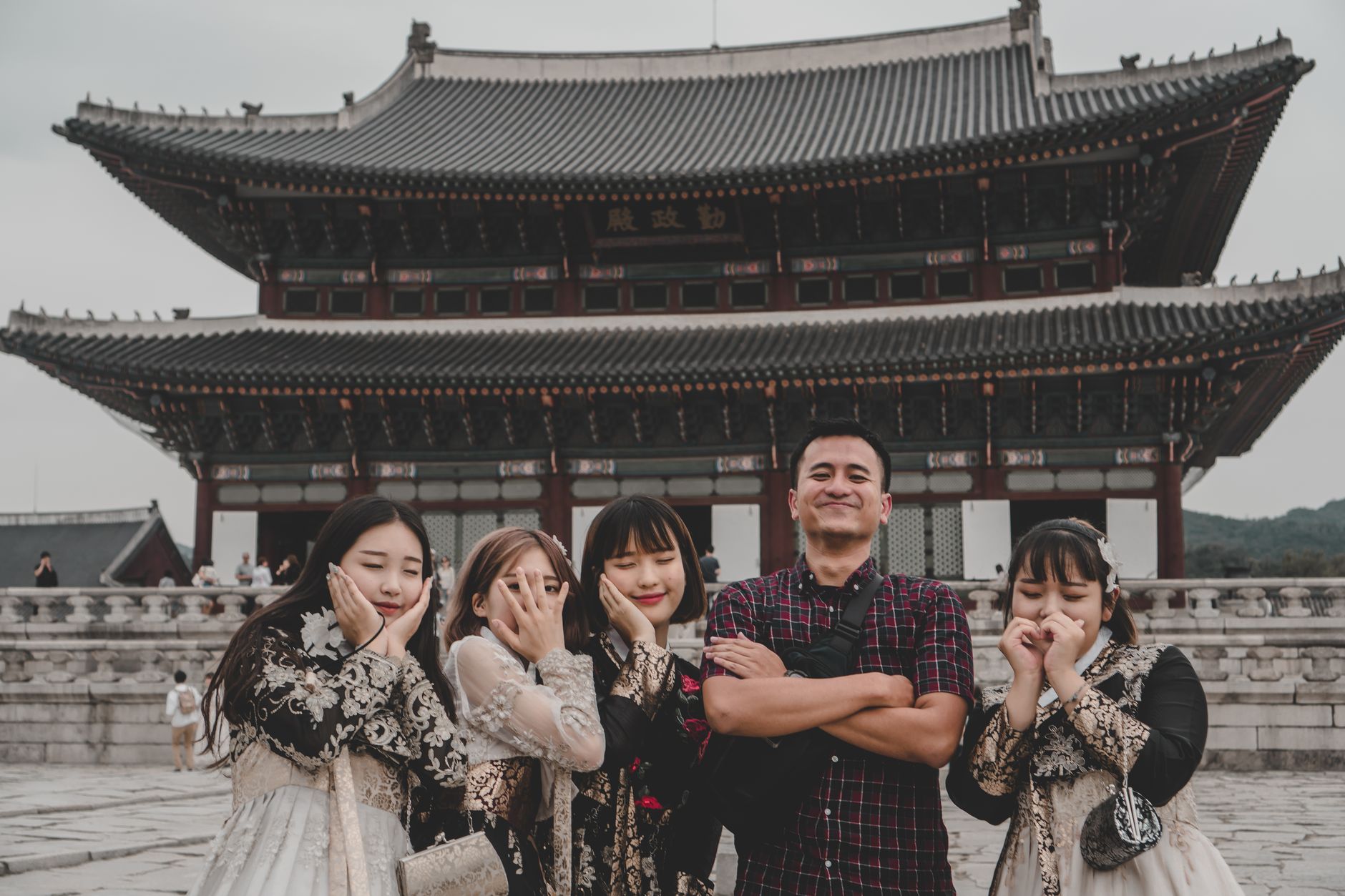
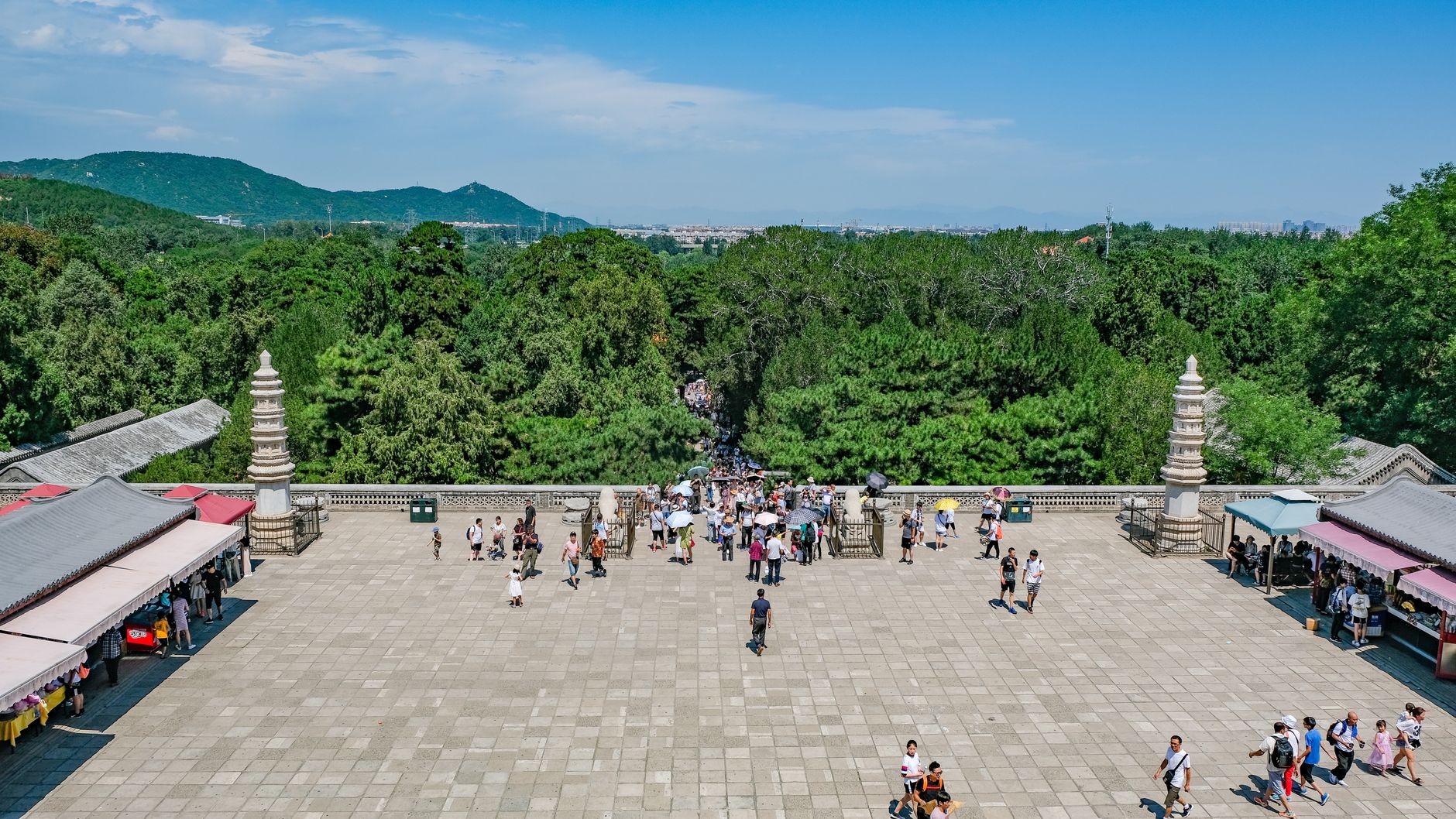

The sand at Pyoseon Beach is not ordinary sand — it is ground shell, white and fine, and when the tide pulls back it stretches for what feels like an impossible distance across the south-east coast of Jeju. A metre of water returns at high tide, turning the flats into a shallow, glass-calm pond. That specific rhythm, ebb and flood, sets the pace of the whole township.
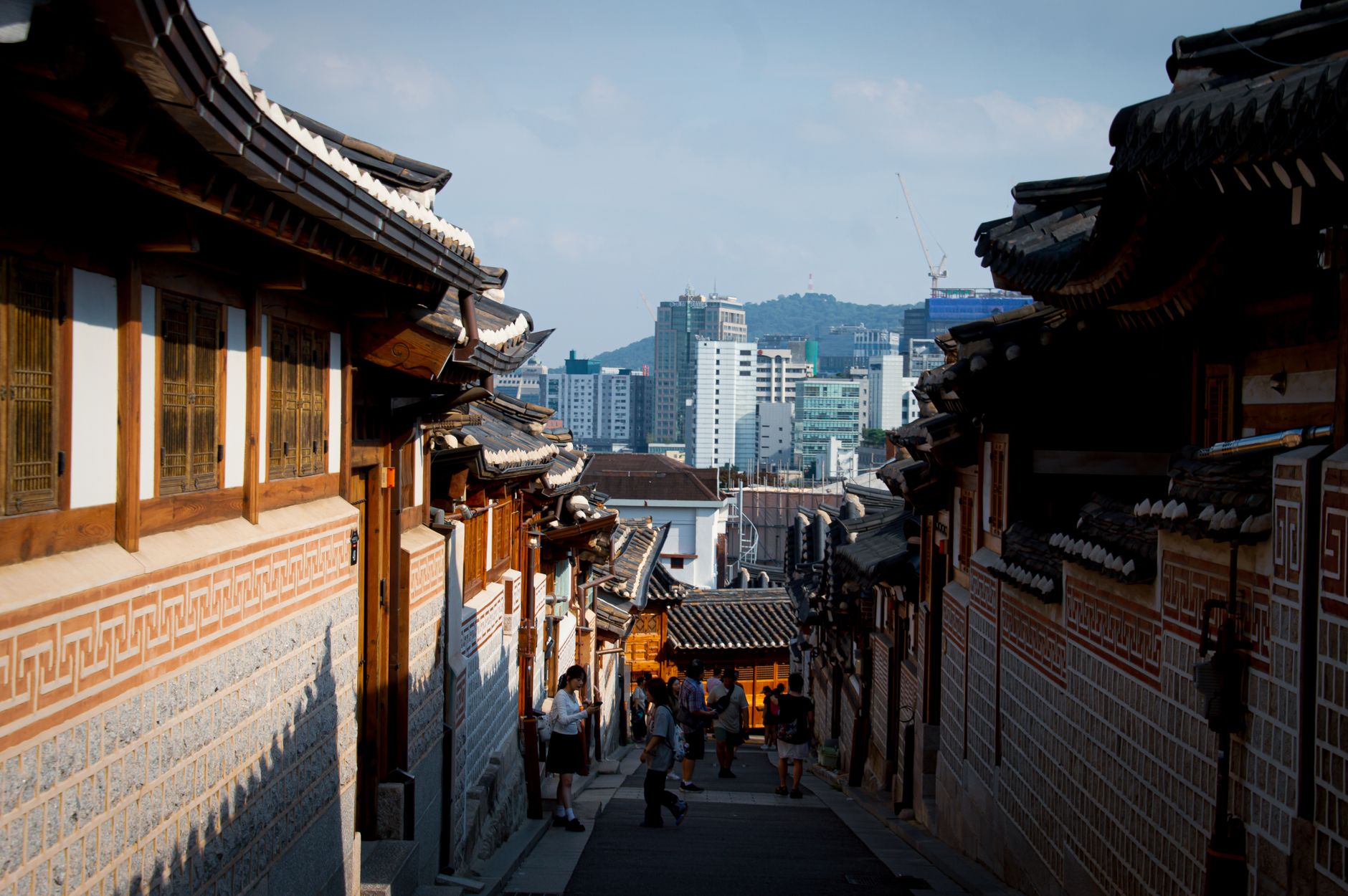
Pyoseon-myeon holds two of the island's most serious attempts to preserve what Jeju looked like before concrete arrived: the reconstructed and relocated buildings of Jeju Folk Village, and Seongeup, a lived-in old village where the stone walls and thatched rooflines are the real thing.
💛 What travellers fall for
People who come back tend to time it for low tide in the early morning, before the August festival crowds arrive. The walk from the Folk Village gate down to the beach takes about two minutes — worth doing even if you saw everything inside the park the day before. The shell-sand is noticeably different underfoot.
Deals in 표선 (Pyoseon-myeon)
Book directly at the provider

How 표선 (Pyoseon-myeon) came to be
In 1216, the Goryeo court reorganised Jeju into three administrative districts, and the eastern portion — then called Jeongeui, now Pyoseon — became a seat of local government in its own right. That decision left a physical mark: Jeongjeongeupseong, a fortress whose construction began after the Mongol invasion of 1270, still stands in the township.
The wall was not built once and left. Officials repaired and extended it through the late Goryeo and into the Joseon period, each round of work driven by the threat of Japanese pirate raids along the southern coast. The fortress and the nearby folk village together make Pyoseon one of the more legible places on Jeju for reading several centuries of the island's history in a single afternoon.
Who and what shaped it
Landmark buildings
See 표선 (Pyoseon-myeon) in motion
Plan your visit
On the map
When to go
Summer (June–August) brings heat around 32–34°C, high humidity, a monsoon rainy season, and the possibility of typhoons from July onward. Spring and autumn are the easier seasons — mild temperatures, clearer skies, and in spring the canola flowers that cover the surrounding fields.
Right now
Background & history adapted from Wikipedia (CC BY-SA) · specs from Wikidata (CC0) · weather from Open-Meteo · map data © OpenStreetMap contributors · photos from Wikimedia Commons / Unsplash with per-image credit. No third-party reviews or social posts reproduced.