
Purmerend
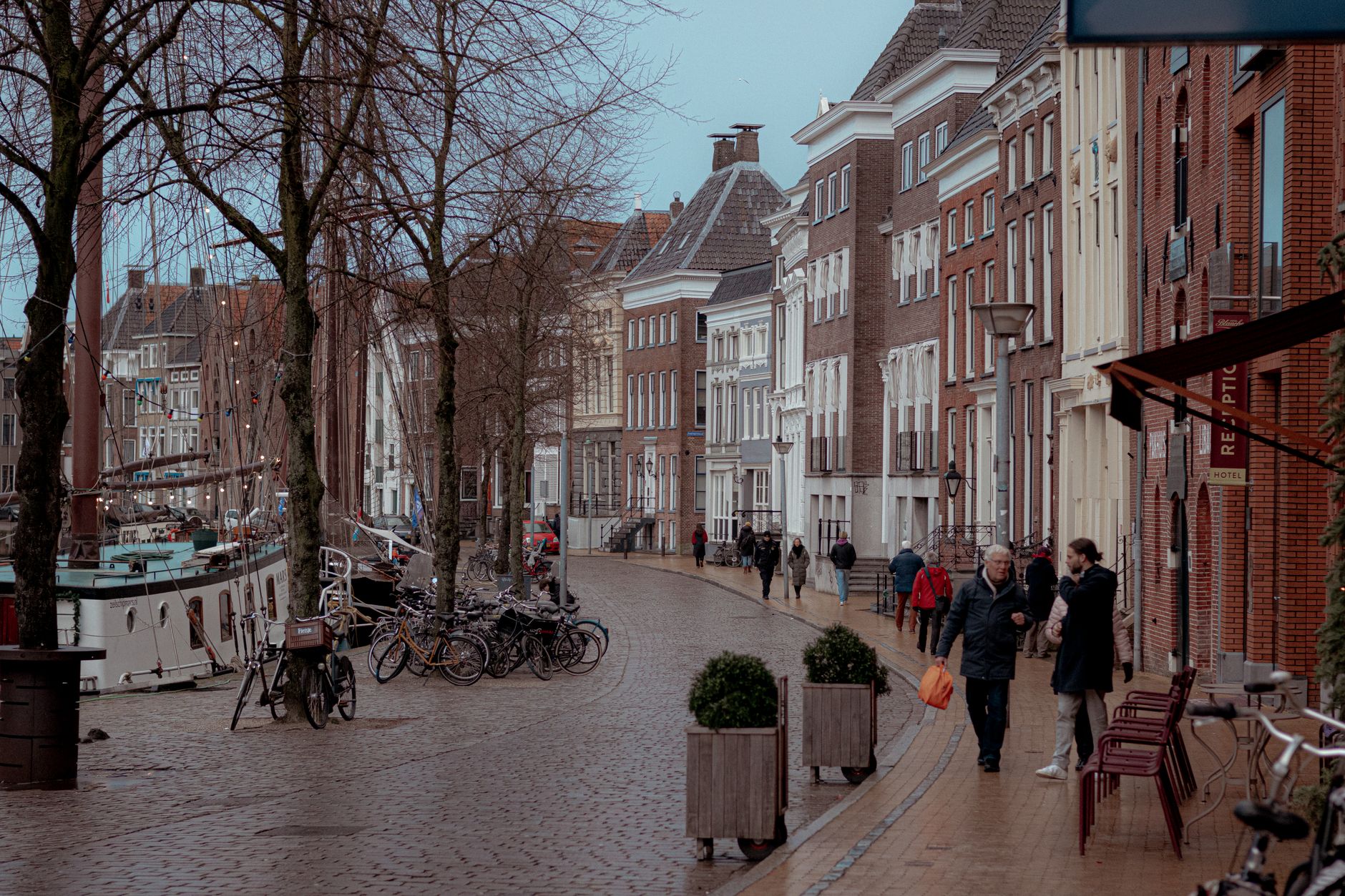
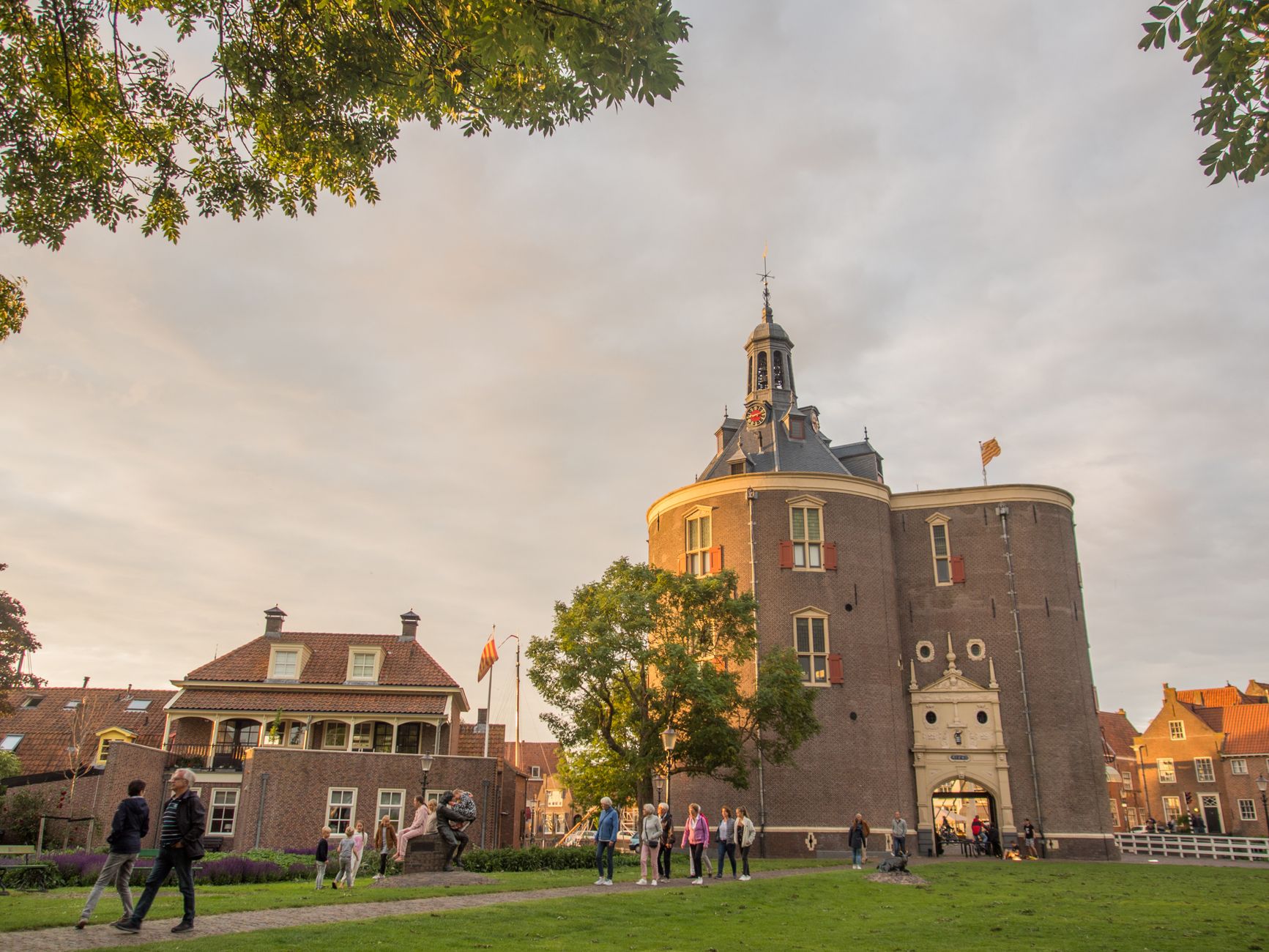
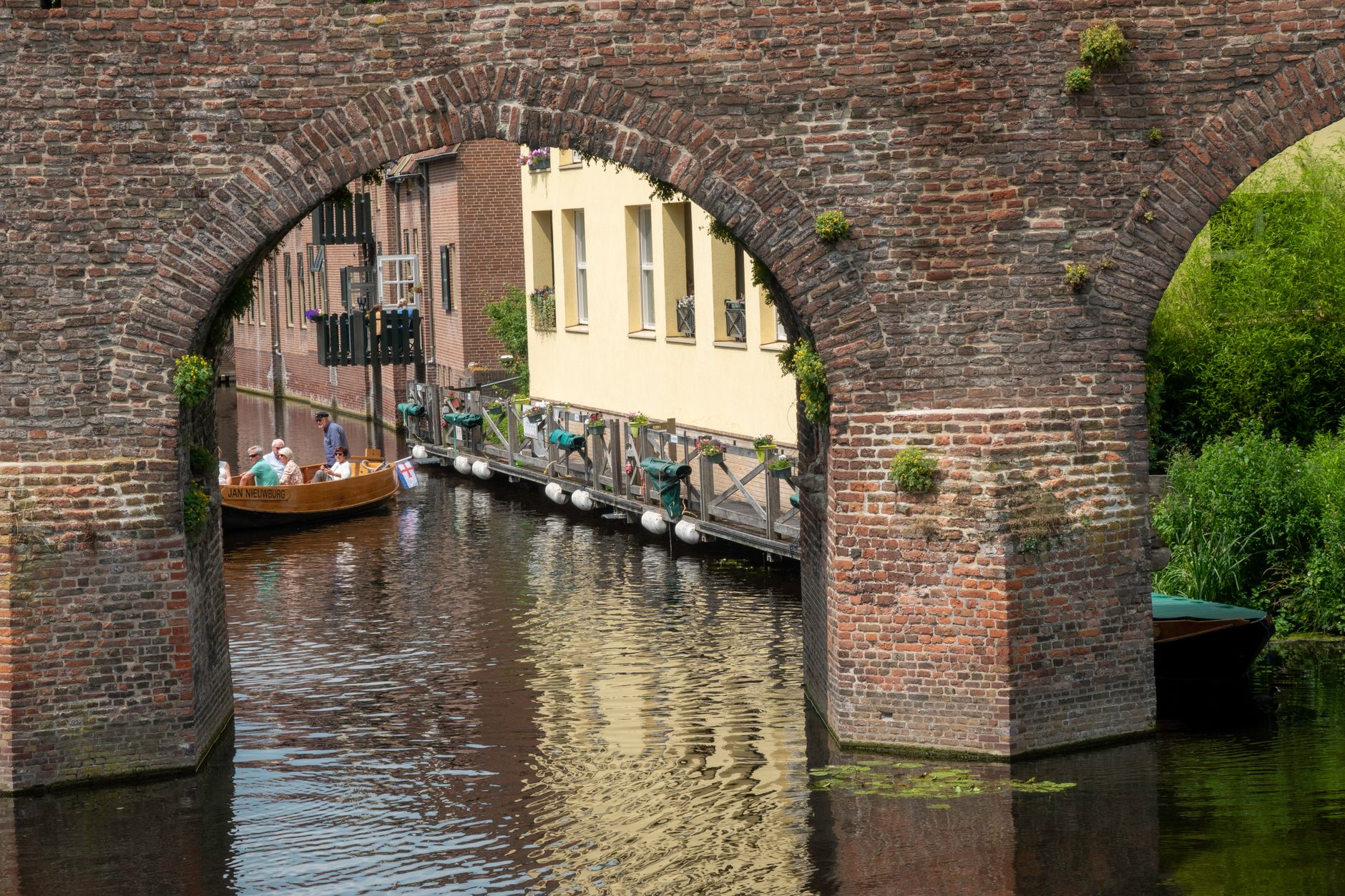
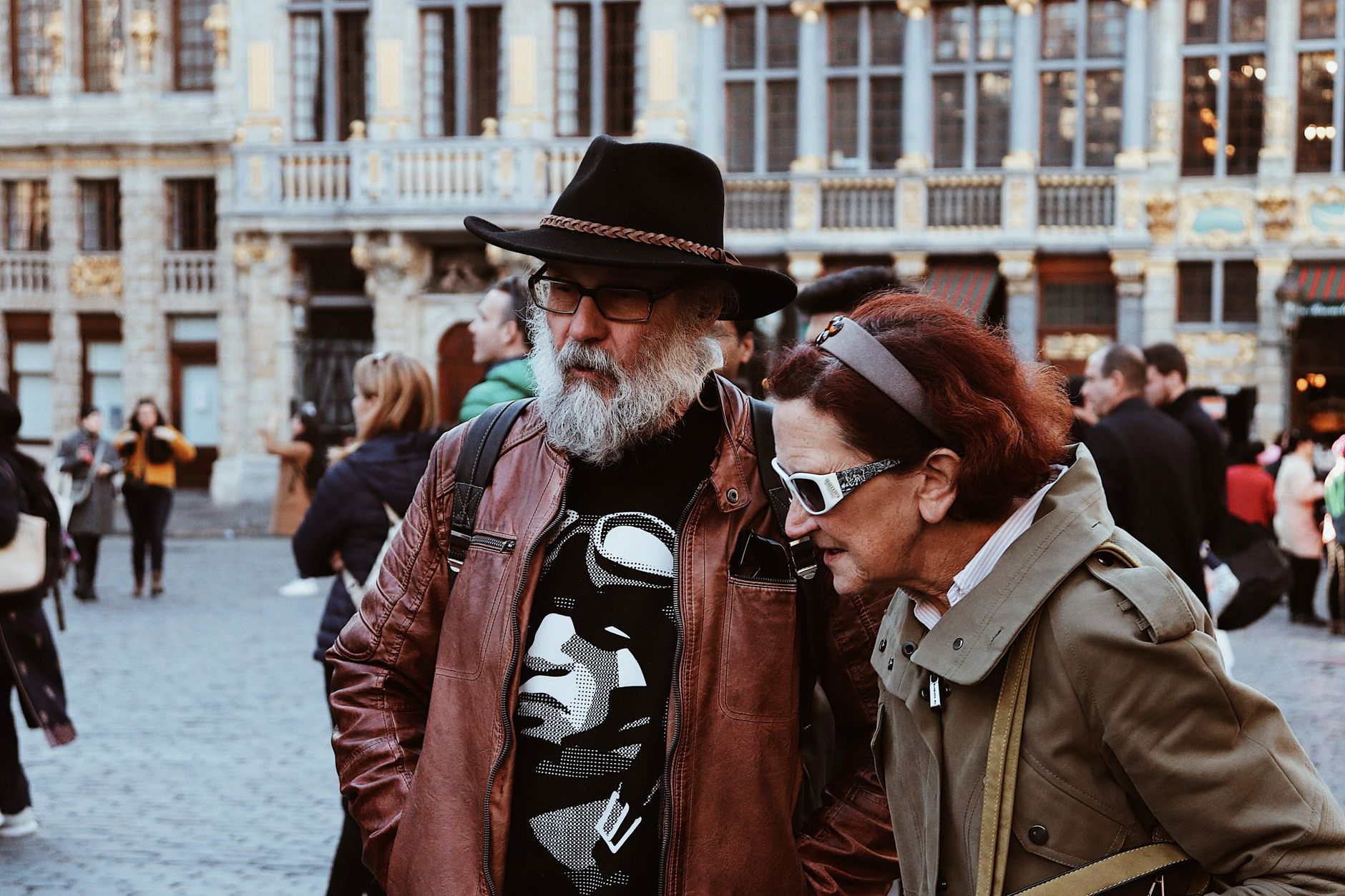
Purmerend sits about twenty kilometres north of Amsterdam, close enough to reach by train in under half an hour, far enough to feel like somewhere people actually live. The central square, Koemarkt, tells you the town's whole economic story in a glance: cattle were traded here from 1572, making it one of Europe's major livestock markets for four centuries, until the market finally moved to an industrial estate on the northern edge of town in 2008.
What remains is a compact old centre with a domed nineteenth-century church, a museum installed in the former town hall, and streets that scale to walking. Since the merger with the Beemster municipality in 2022, the city proper now reaches into the UNESCO-listed Beemster polder landscape just to the north.
💛 What travellers fall for
People who come back tend to time it around the weekly market and walk the Koemarkt slowly — the square's oldest buildings date to 1645 and repay a second look. They also mention the train connection: 148 services a day to Amsterdam means you can treat Purmerend as an easy half-day without any scheduling anxiety.
Deals in Purmerend
Book directly at the provider


How Purmerend came to be
Purmerend owes its existence to a single act of aristocratic patronage. In 1410 Count William VI of Holland granted Amsterdam banker Willem Eggert permission to build a fortified castle, Slot Purmerstein, on the site. The castle was finished by 1413, and a town grew around it. City rights followed in 1434; fifty years later, in 1484, Count Jan van Egmond granted the right to hold two annual fairs and a weekly market — the foundation of the cattle trade that would define the place for the next five centuries. The castle itself quietly fell apart and was demolished in 1741.
German forces occupied Purmerend on 14 May 1940; Canadian and Allied troops liberated it on 9 May 1945. In 2003, perhaps as a nod to its long tradition of public gatherings, the city was officially named Kermisstad van Nederland — Funfair City of the Netherlands.
Who and what shaped it
People who shaped it
Landmark buildings
See Purmerend in motion
Plan your visit
On the map
When to go
Summers are mild rather than warm, with highs around 22°C in August and reliable sun through June and July; May averages over seven hours of sunshine a day. Winters are grey and damp, with temperatures hovering between 3°C and 6°C from December through February — a waterproof layer earns its keep year-round.
Right now
Background & history adapted from Wikipedia (CC BY-SA) · specs from Wikidata (CC0) · weather from Open-Meteo · map data © OpenStreetMap contributors · photos from Wikimedia Commons / Unsplash with per-image credit. No third-party reviews or social posts reproduced.