
Puerto Villamil
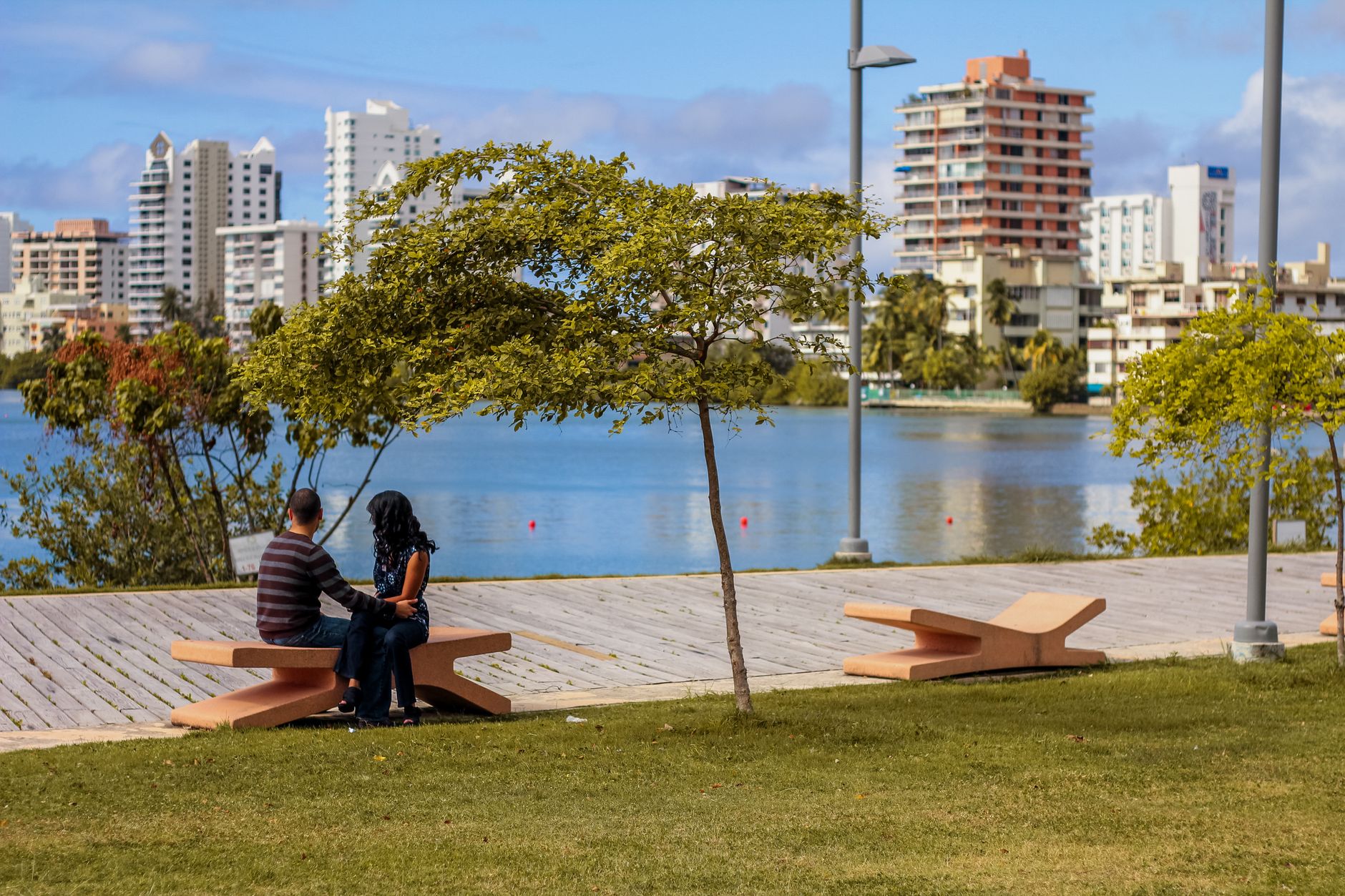
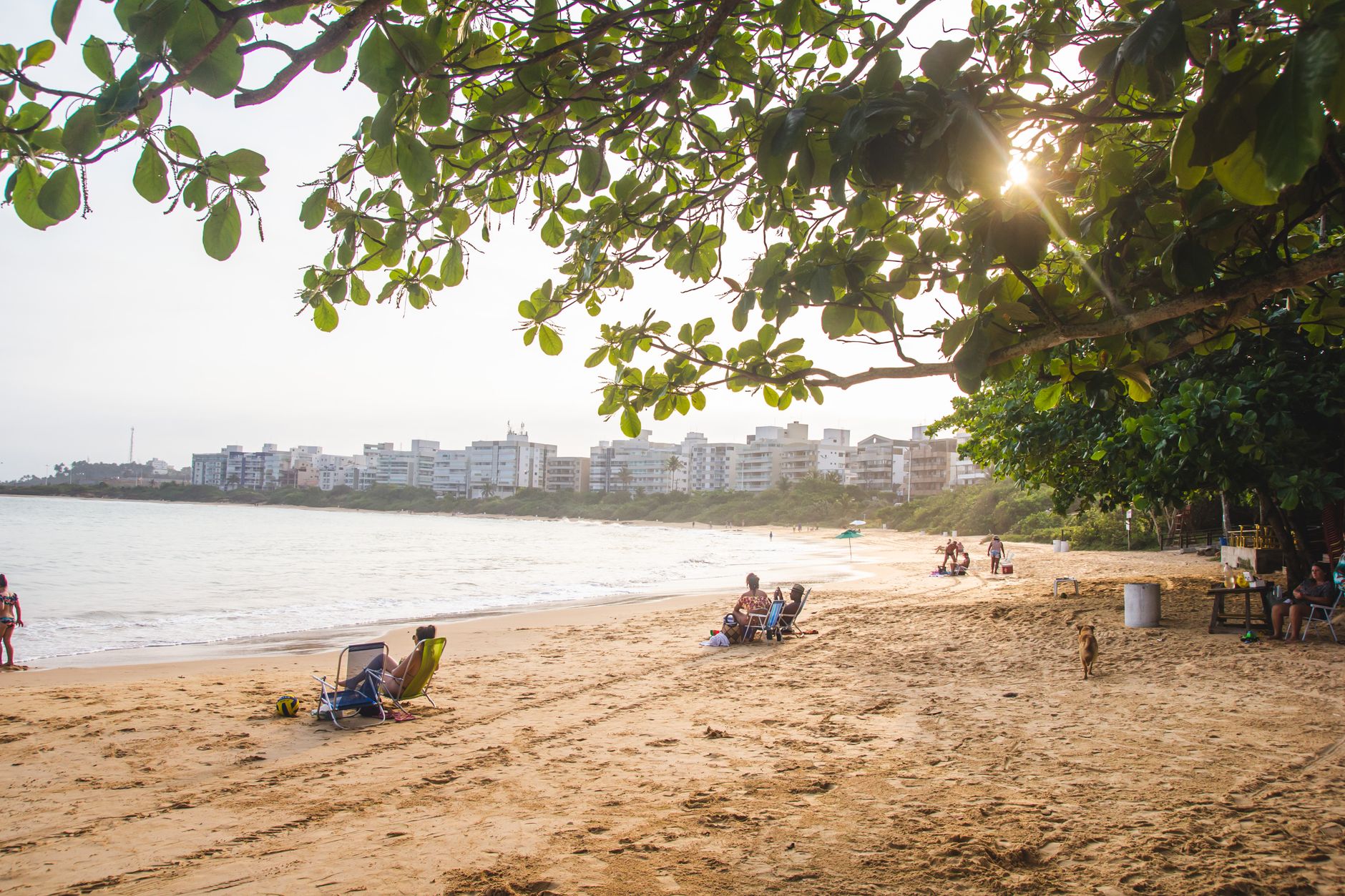
Puerto Villamil sits at the southern edge of Isabela, the largest island in the Galápagos, where the streets are sandy and flamingos wade in lagoons within walking distance of the waterfront. It is the only town on the island, small enough that a bike covers most of it in an afternoon.
What makes it distinct is the scale of the wild things pressing in close. Five subspecies of giant tortoise live at the breeding center a mile from the main strip. White-tip sharks rest in a lava channel just offshore. The Wall of Tears — a 25-meter structure built by prison labor — stands five kilometers west, still without explanation for why it was built so high.
💛 What travellers fall for
People who come back tend to do the lagoon trail early, before the heat builds, when the flamingos are still moving. They also mention the church, Iglesia Cristo Salvador — the stained-glass windows replace saints with frigate birds and marine iguanas, which is either irreverent or exactly right depending on your disposition.
Deals in Puerto Villamil
Book directly at the provider

How Puerto Villamil came to be
The town owes its existence to a failed plan. In 1893, a Guayaquileño named Antonio Gil set out to colonize Floreana Island, didn't manage it, and instead turned his attention to the southern coast of Isabela — founding Puerto Villamil and, later, the highland settlement of Santo Tomás. The town's name honors General José María Villamil, a figure in Ecuador's independence movement and the first governor of the Galápagos.
In 1946 the Ecuadorian government sent 94 prisoners to Isabela, establishing a penal colony whose most visible legacy is the Wall of Tears — a massive lava-block wall that inmates were forced to build and dismantle without practical purpose. A rebellion ended the colony in 1958. Tourism arrived slowly: one hotel in 1980, three by 1990, thirteen by 2006, and an airport completed in 2003.
Who and what shaped it
People who shaped it
Landmark buildings
See Puerto Villamil in motion
Plan your visit
On the map
When to go
Temperatures run between about 21°C in the cooler months of September and October and around 27°C in January and February, which also bring the most sunshine. April sees the heaviest rainfall; October is the driest month of the year.
Right now
Background & history adapted from Wikipedia (CC BY-SA) · specs from Wikidata (CC0) · weather from Open-Meteo · map data © OpenStreetMap contributors · photos from Wikimedia Commons / Unsplash with per-image credit. No third-party reviews or social posts reproduced.