
Puerto Velasco Ibarra
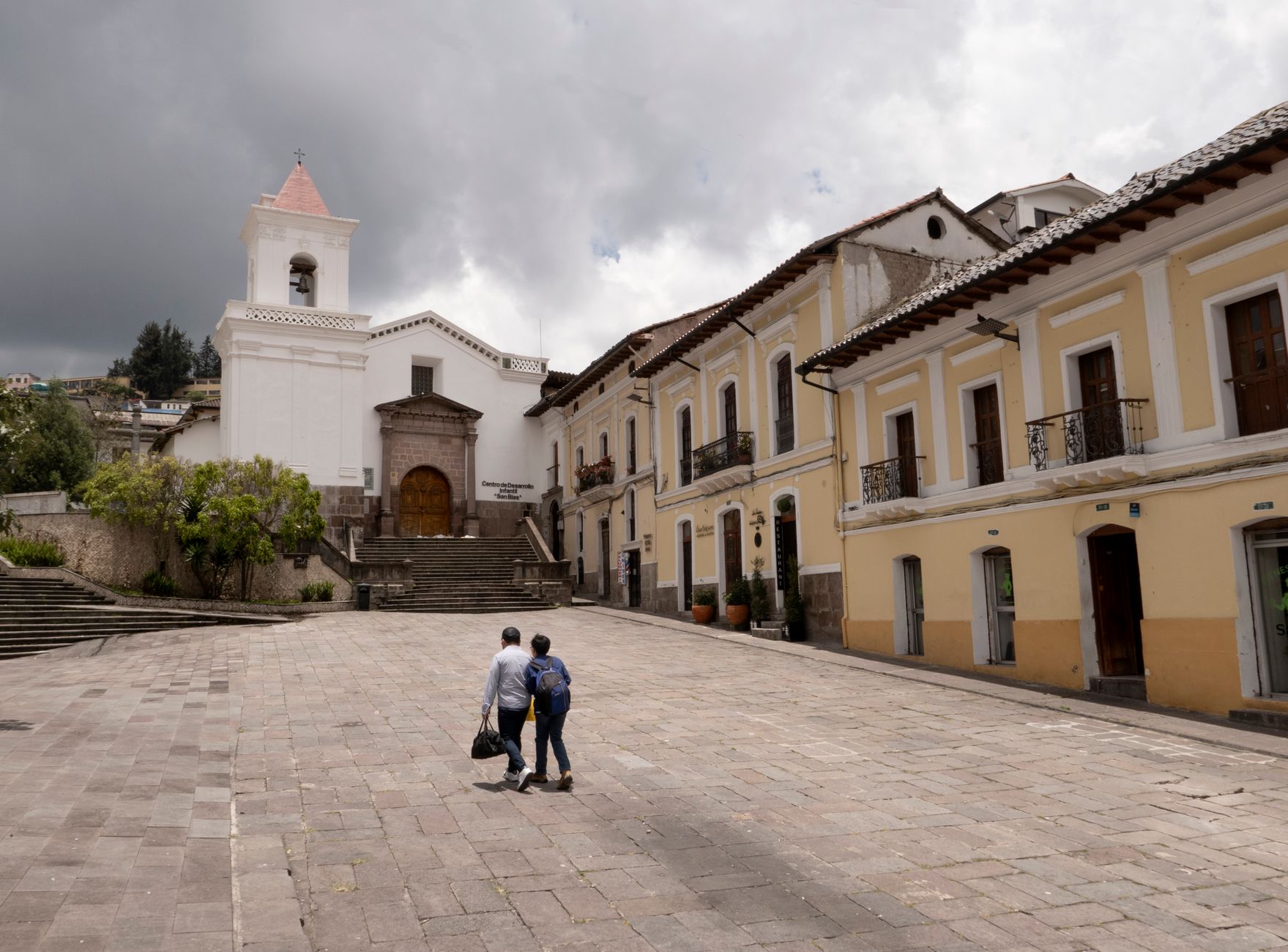
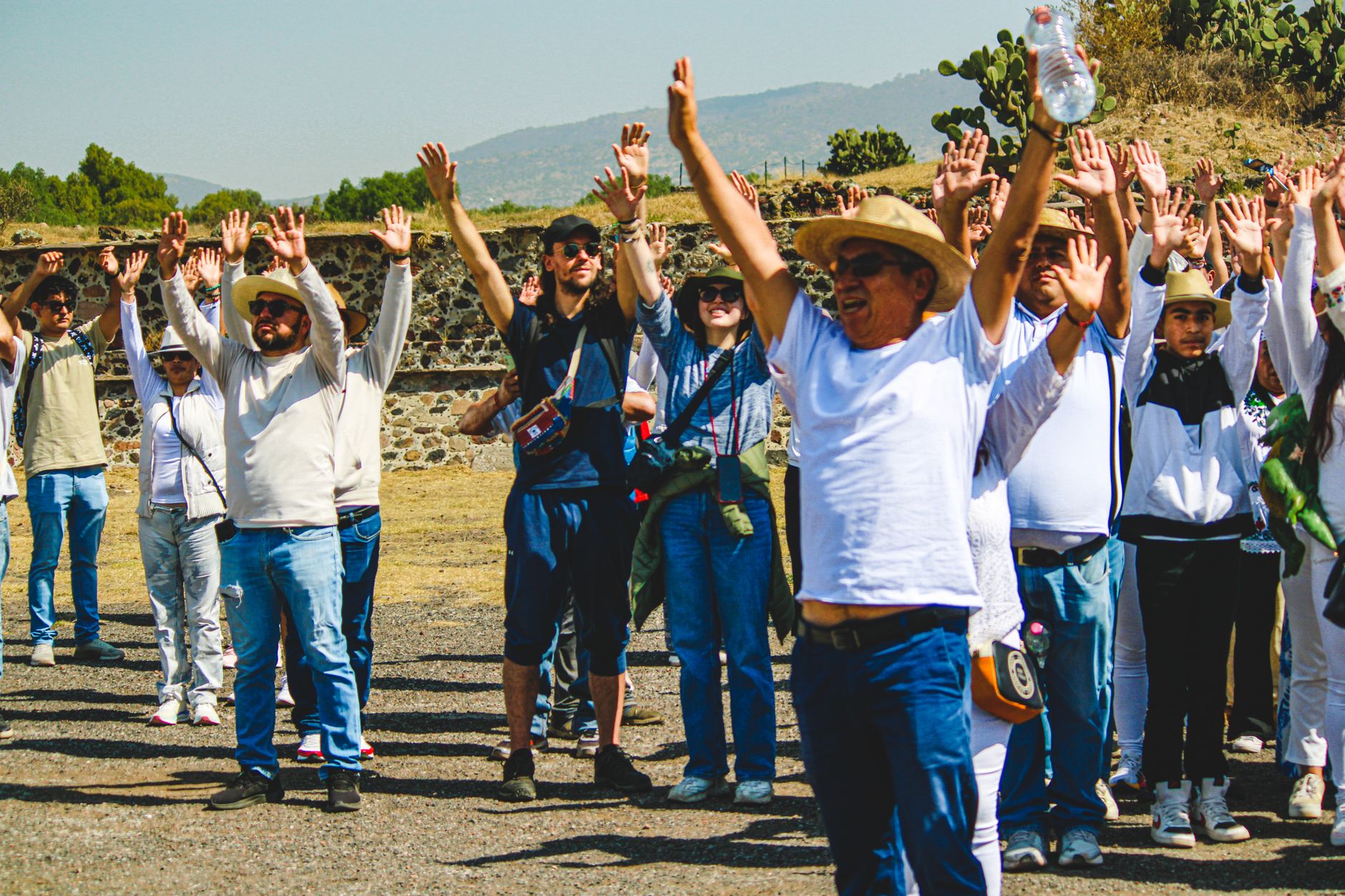
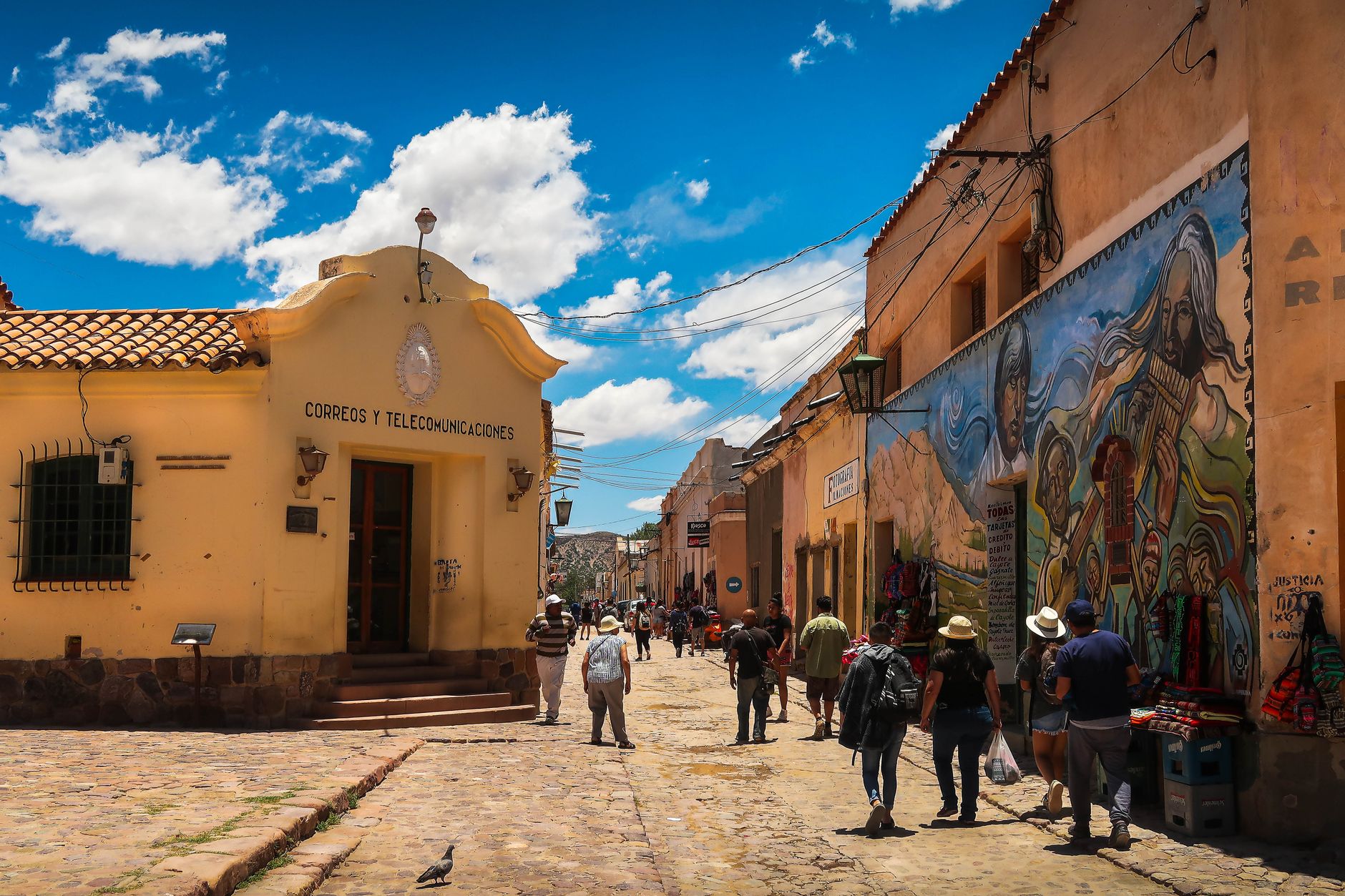
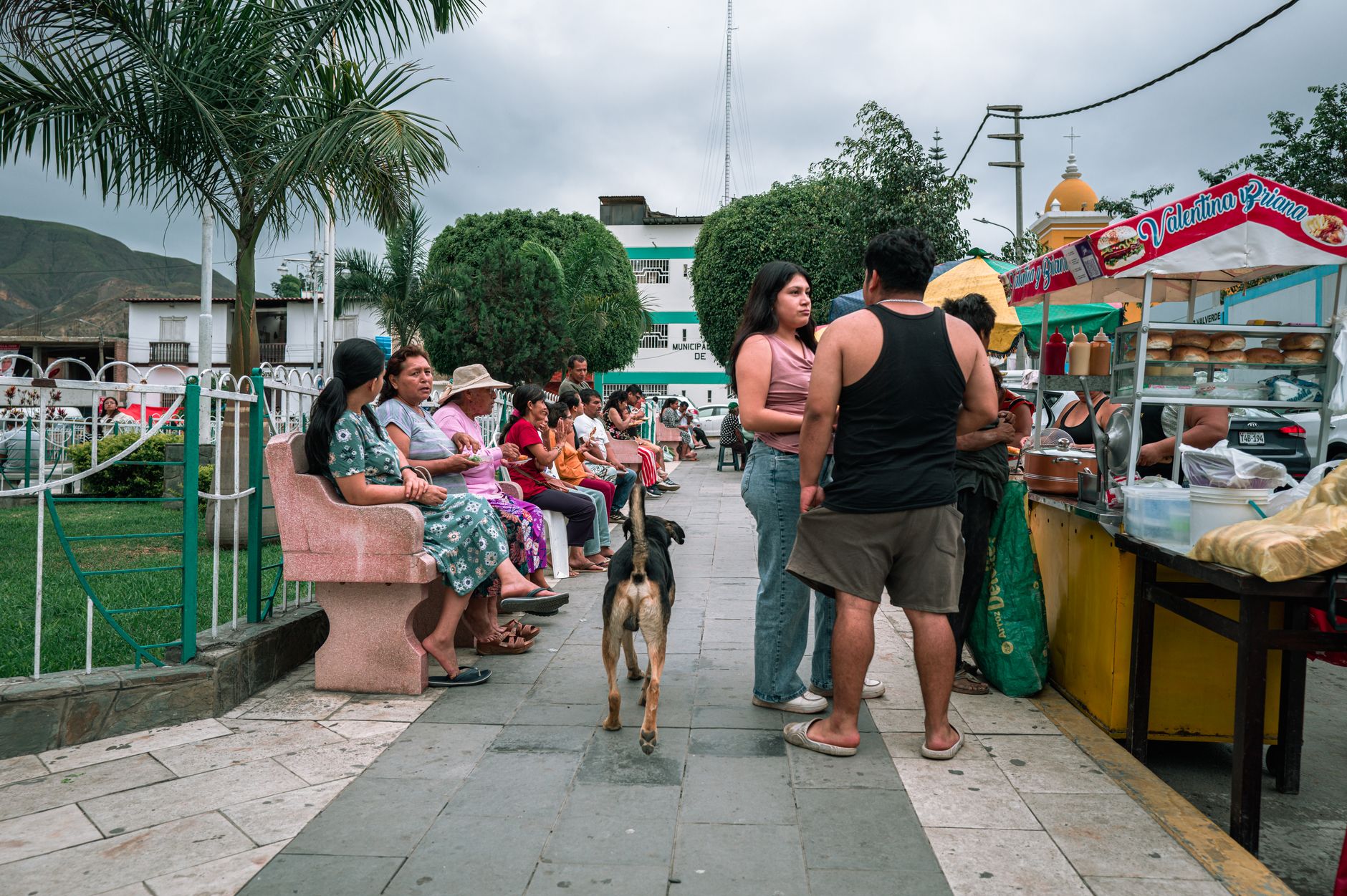

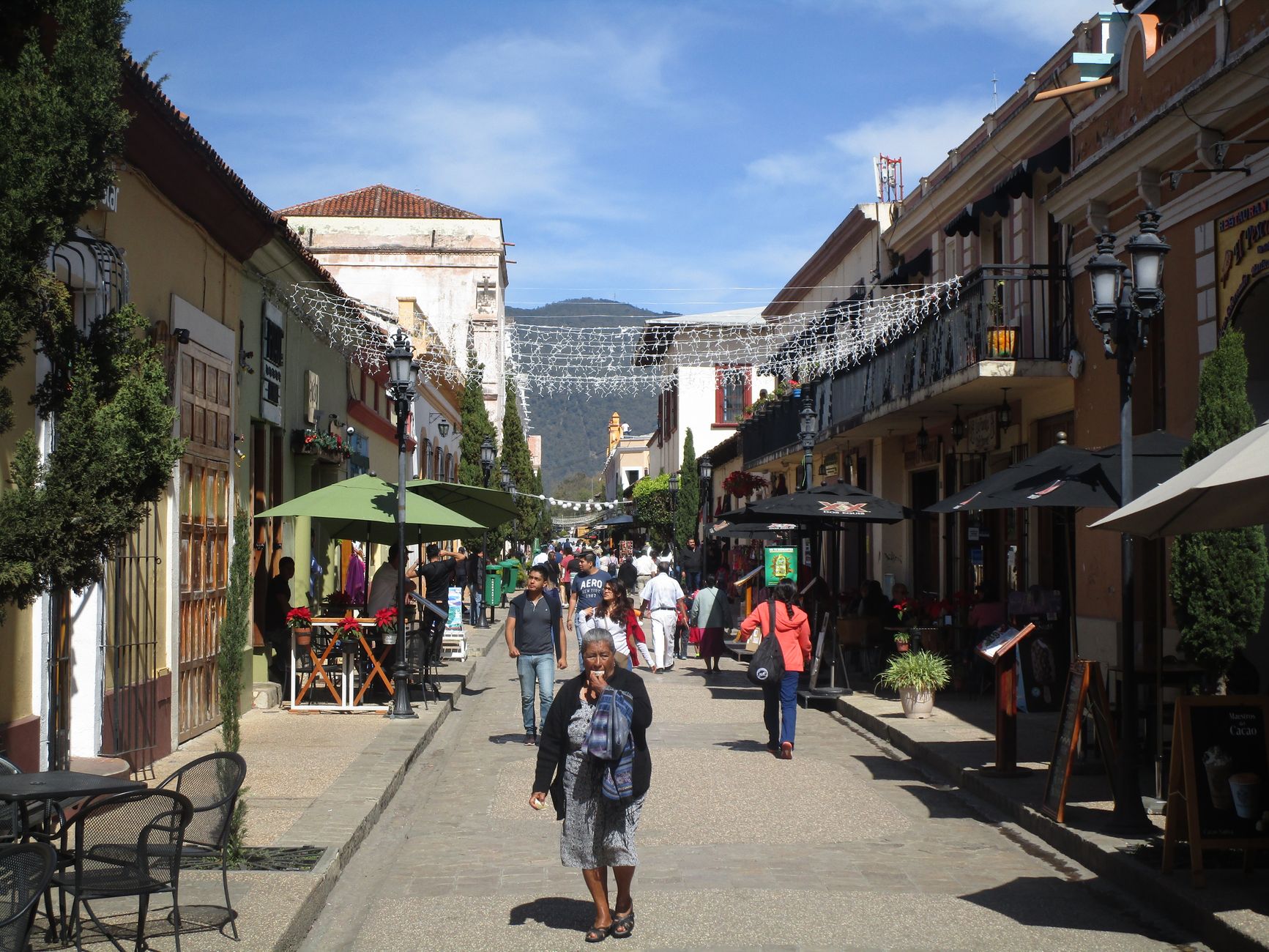
Puerto Velasco Ibarra sits at the end of a two-and-a-half-hour ferry ride from Santa Cruz, on an island where roughly a hundred people have chosen to live year-round. The black-sand beach greets you first, sheltered and quiet, and behind it one road runs straight from the waterfront up into the mountains where the freshwater comes from. That's essentially the whole infrastructure of the place.
Floreana is the smallest of the inhabited Galápagos islands, and Puerto Velasco Ibarra is its only settlement. The ferry arrives once a day, leaves once a day, and the $2 water taxi between pier and boat is non-negotiable. Bring cash, bring snacks, and leave your expectations of convenience on Santa Cruz.
💛 What travellers fall for
People who've made the crossing more than once tend to mention the same things: sit at the waterfront bench behind the municipal hall and you'll pick up free WiFi from the radio dish. And don't skip the Post Office Bay barrel — leaving a postcard there, addressed to someone back home, and hand-delivering one left by a stranger, turns out to be the most memorable errand you'll run in the archipelago.
Deals in Puerto Velasco Ibarra
Book directly at the provider

How Puerto Velasco Ibarra came to be
Floreana was the first Galápagos island to be colonized, claimed by Ecuador in 1832 and initially used as a penal colony — a harsh posting on a remote volcanic island where fresh water had to be tracked up from the mountains. The town itself is named after José María Velasco Ibarra, the Ecuadorian politician who served as president five non-consecutive times between 1934 and 1972, a figure whose turbulent career somehow fits a place with this much complicated history.
In the 1930s, the island attracted a strange cast of European settlers, most famously the Wittmer family and the self-styled Baroness Eloise Bosquet de Wagner Wehrhorn, who arrived with two or three companions and claimed descent from Austrian royalty — a claim that was never confirmed. The Baroness disappeared under circumstances that were never fully explained. The Wittmers stayed. Their descendants still run Pension Wittmer, the island's only hotel, and the story of those early settlers became known as the Galápagos Affair.
Who and what shaped it
People who shaped it
Landmark buildings
See Puerto Velasco Ibarra in motion
Plan your visit
On the map
When to go
The wet season is overcast and oppressive; the dry season trades that for muggy, partly cloudy days. Either way, it's hot — temperatures run between about 71°F and 89°F year-round, and nearly half of all days see some rain, so a light layer and sun protection both earn their place in your bag.
Right now
Background & history adapted from Wikipedia (CC BY-SA) · specs from Wikidata (CC0) · weather from Open-Meteo · map data © OpenStreetMap contributors · photos from Wikimedia Commons / Unsplash with per-image credit. No third-party reviews or social posts reproduced.