
Puerto Natales
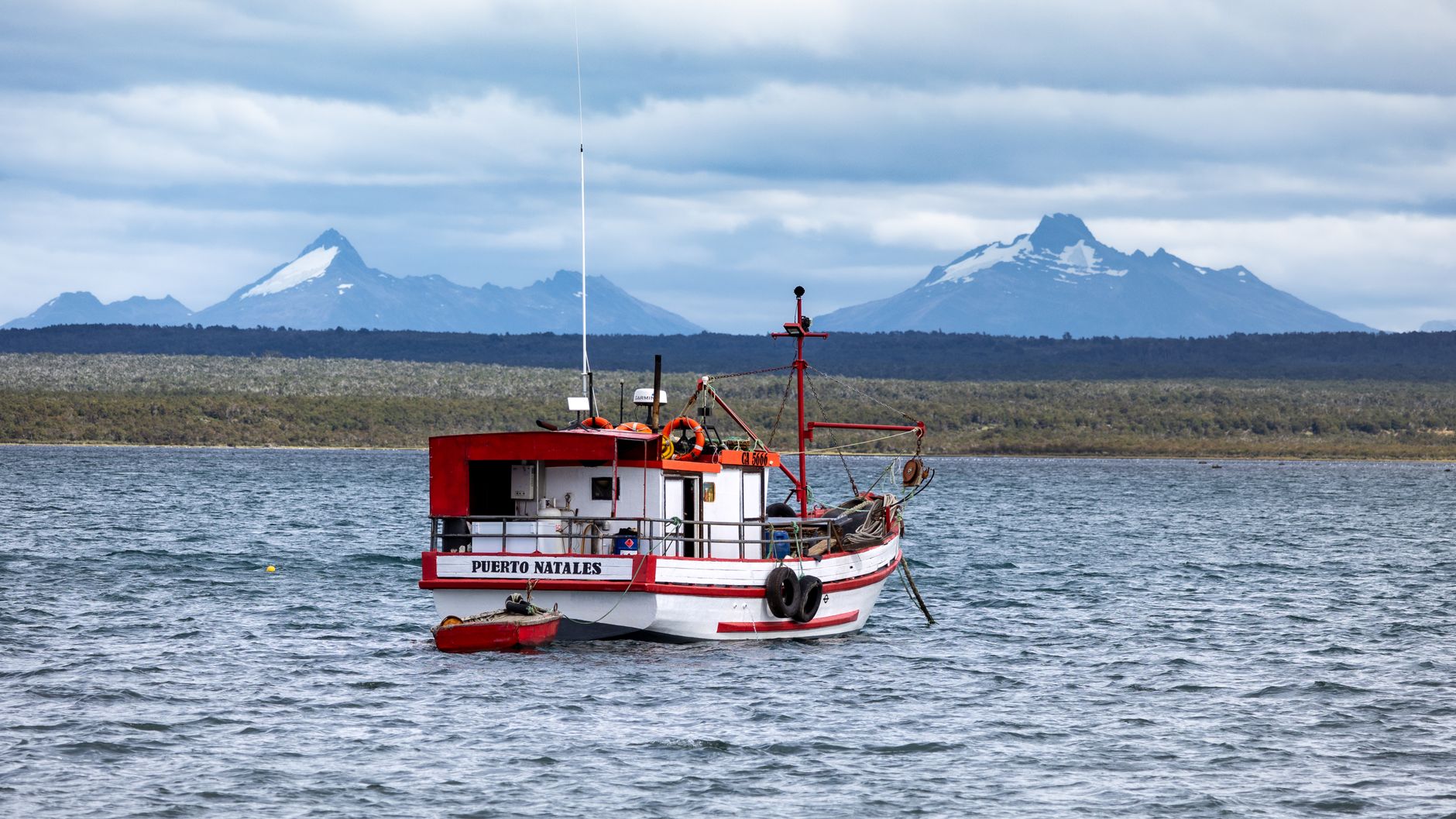
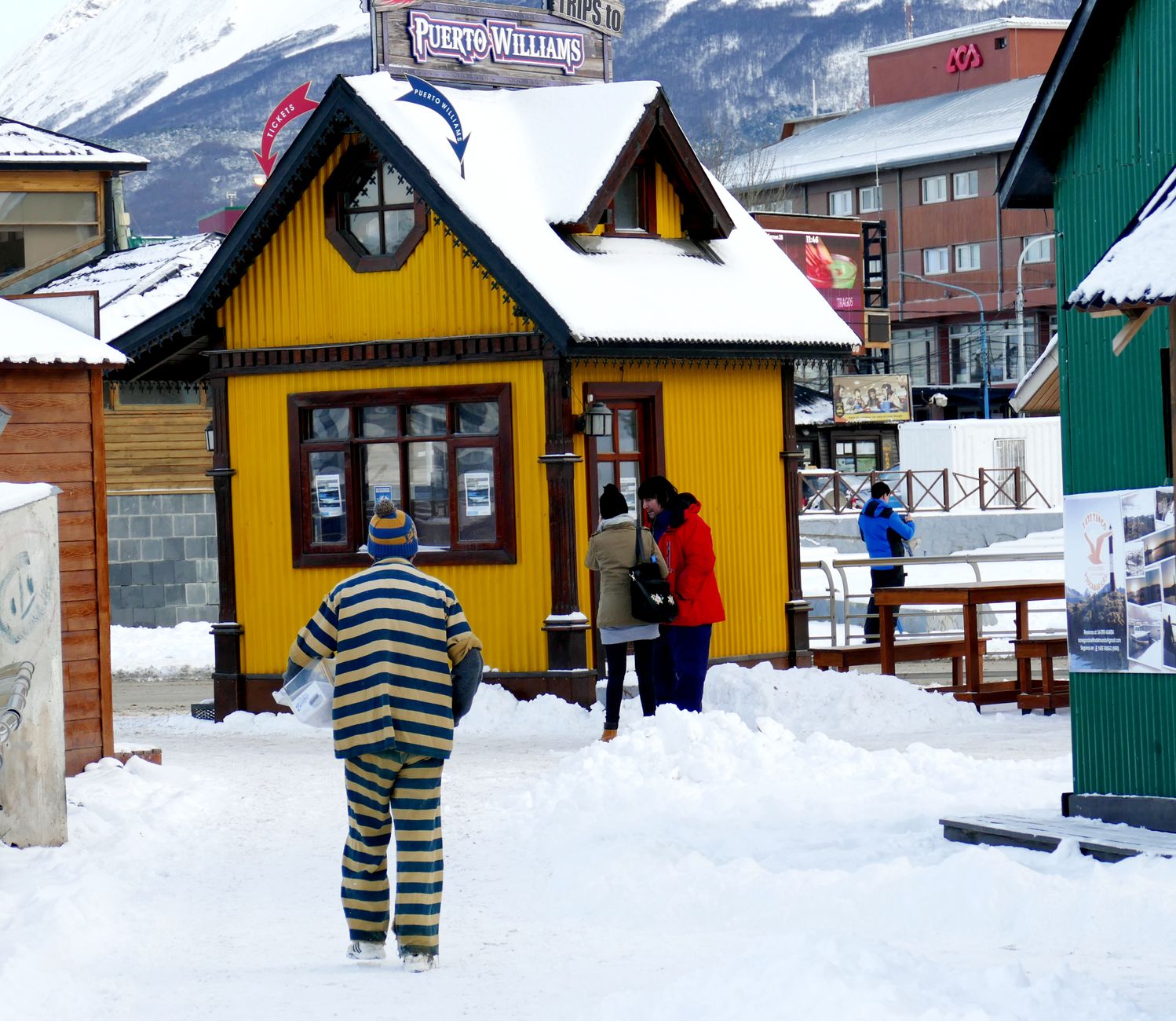


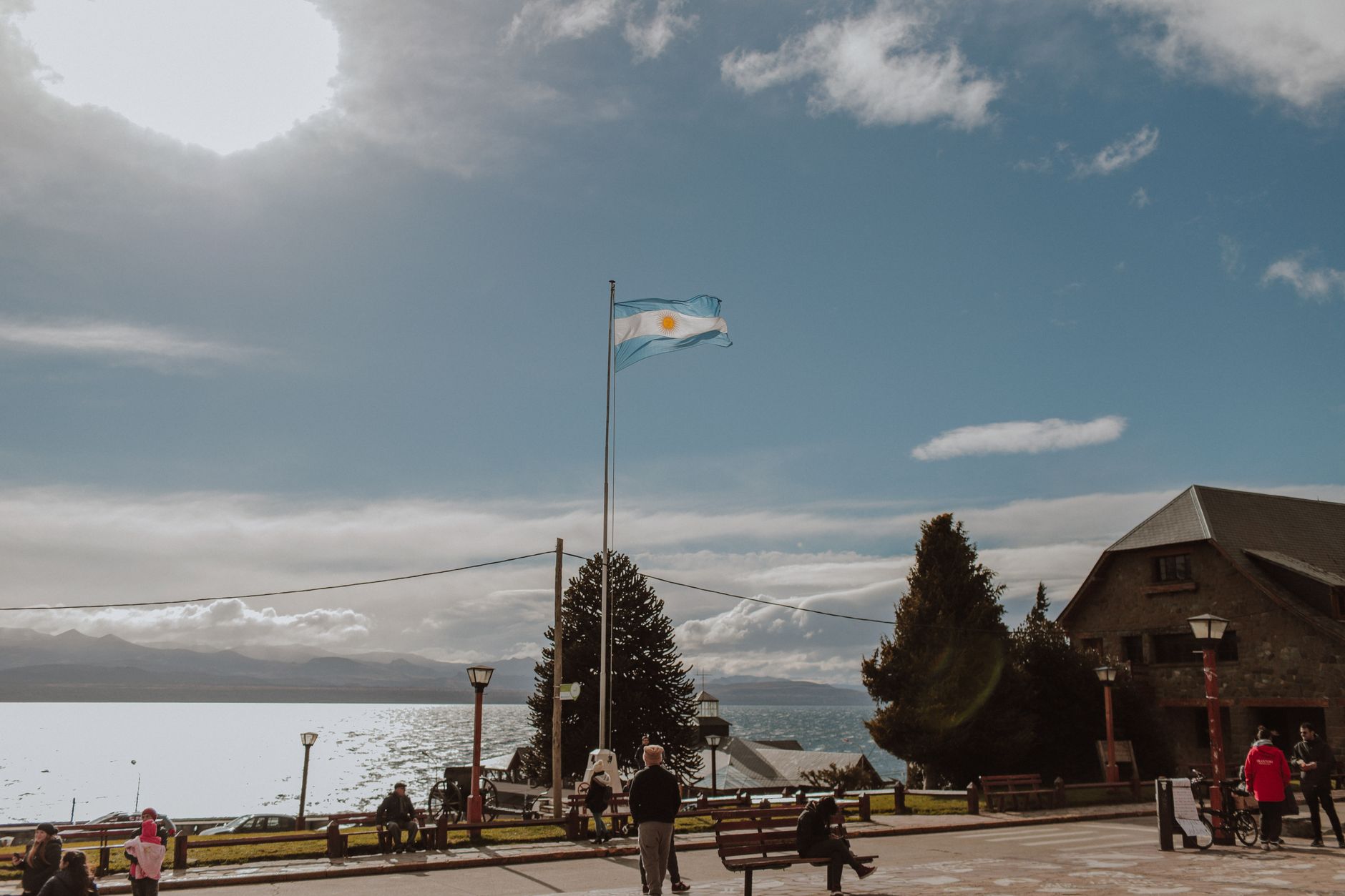
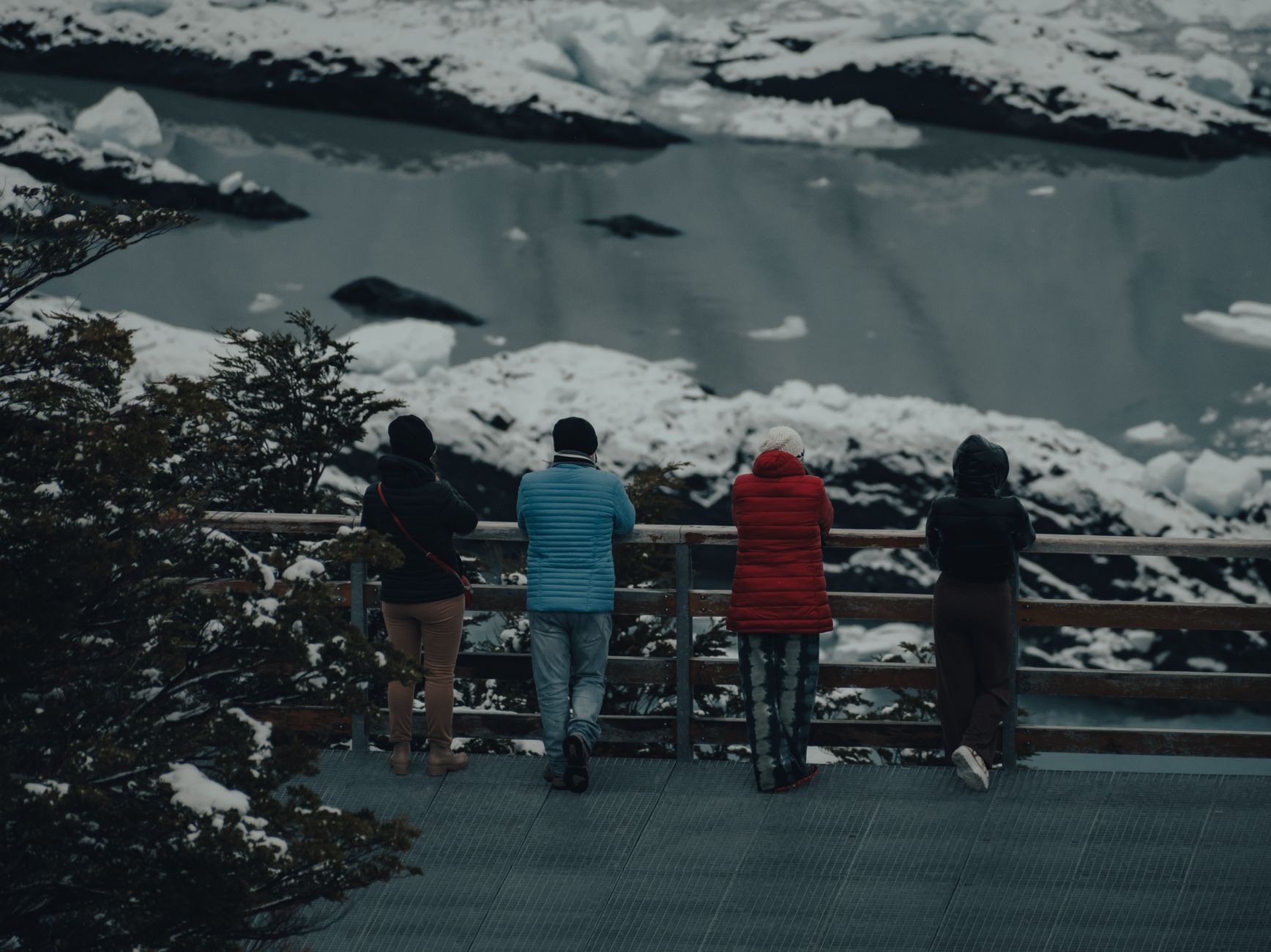
Puerto Natales sits at the edge of Última Esperanza Sound — Last Hope Sound, a name a 16th-century Spanish sailor gave this stretch of water after failing to find what he was looking for. The town that grew here is functional and weathered, its wooden storefronts facing a grey-green fjord where the wind comes in sideways most days of the year.
Most people arrive because Torres del Paine is 147 kilometres up the road, and that's fine — Puerto Natales has made its peace with being a staging post. But the old cold-storage plant at Bories, the stubbed pilings of the Braun & Blanchard pier, and a cave 24 kilometres out where someone found the preserved skin of a giant ground sloth in 1895 give the place its own quiet weight.
💛 What travellers fall for
People who pass through more than once tend to mention the same things: eat before you get on the bus to the park, walk the waterfront at dusk when the light goes sideways across the sound, and spend an hour at the Frigorífico Bories even if you're not staying at The Singular — the industrial bones of the 1913 plant are worth the taxi fare alone.
Deals in Puerto Natales
Book directly at the provider

How Puerto Natales came to be
The province was named Última Esperanza in 1557 by Juan Ladrillero, a Spanish navigator searching for the western mouth of the Strait of Magellan who never found it. The town itself came later, founded on May 31, 1911 as a port to serve the booming sheep industry — its name drawn from the Latin for birth, marking the Christmas Eve discovery of the Natales River by an earlier expedition.
Two years after the town's founding, the Frigorífico Bories cold-storage plant opened 4 kilometres up the shore, processing wool and mutton with British machinery until it closed in 1993. The sheep economy faded through the second half of the 20th century; many residents drifted to the coal mines at Río Turbio across the Argentine border. Tourism eventually filled the gap, anchored by the park to the north and, in 1895, by German settler Hermann Eberhard's discovery of Cueva del Milodón — a cave containing the preserved remains of a Mylodon darwini, an extinct giant ground sloth.
Who and what shaped it
People who shaped it
Landmark buildings
See Puerto Natales in motion
Plan your visit
On the map
When to go
Summer (December–February) brings mild temperatures up to around 20°C and up to 16 hours of daylight, but the wind is relentless and layers are non-negotiable. Winter drops to near freezing with regular frosts and snow, and the days shorten considerably — the landscape is striking, but access to the park becomes more limited.
Right now
Background & history adapted from Wikipedia (CC BY-SA) · specs from Wikidata (CC0) · weather from Open-Meteo · map data © OpenStreetMap contributors · photos from Wikimedia Commons / Unsplash with per-image credit. No third-party reviews or social posts reproduced.