
Puerto Madryn
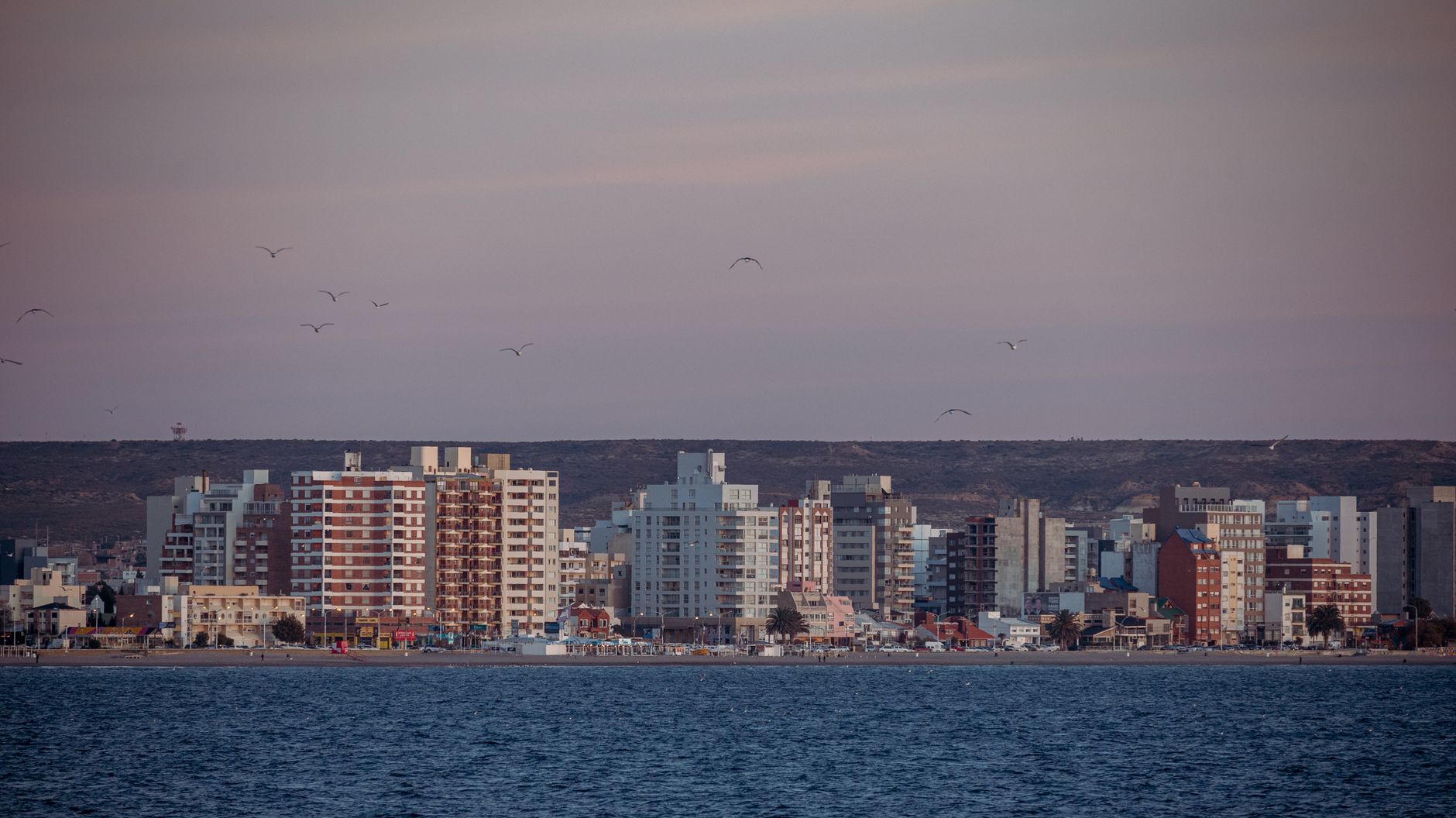
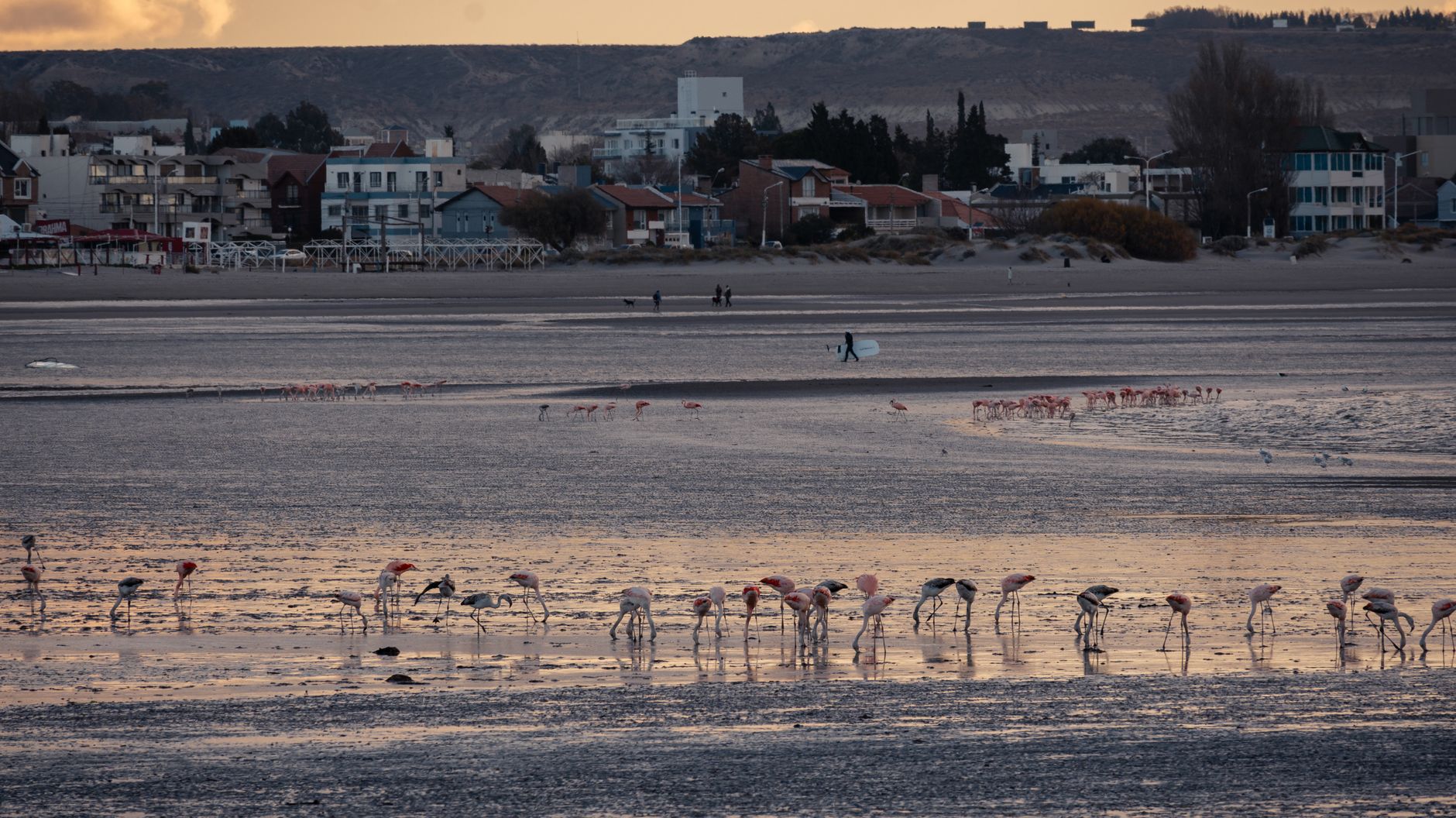
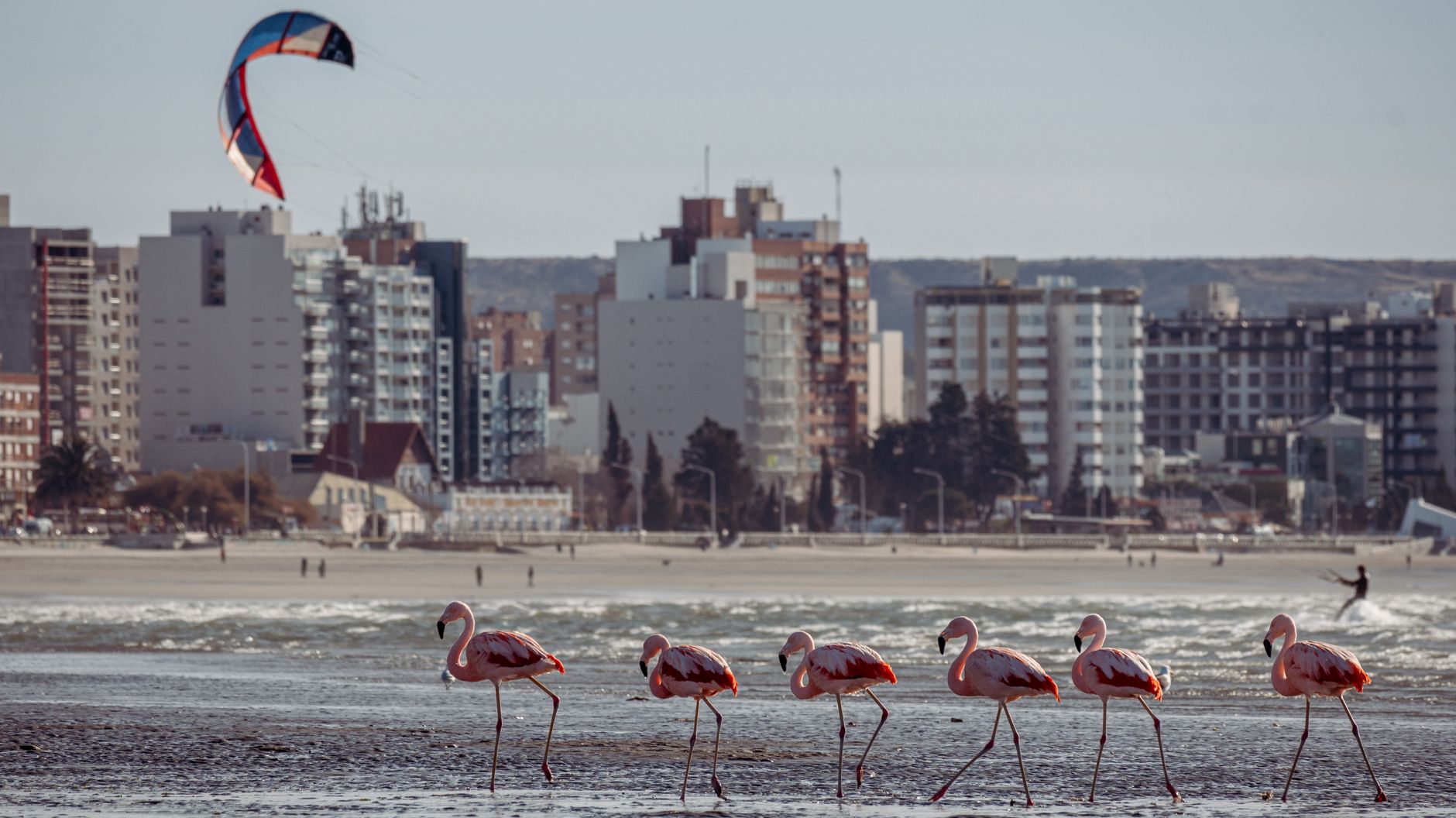
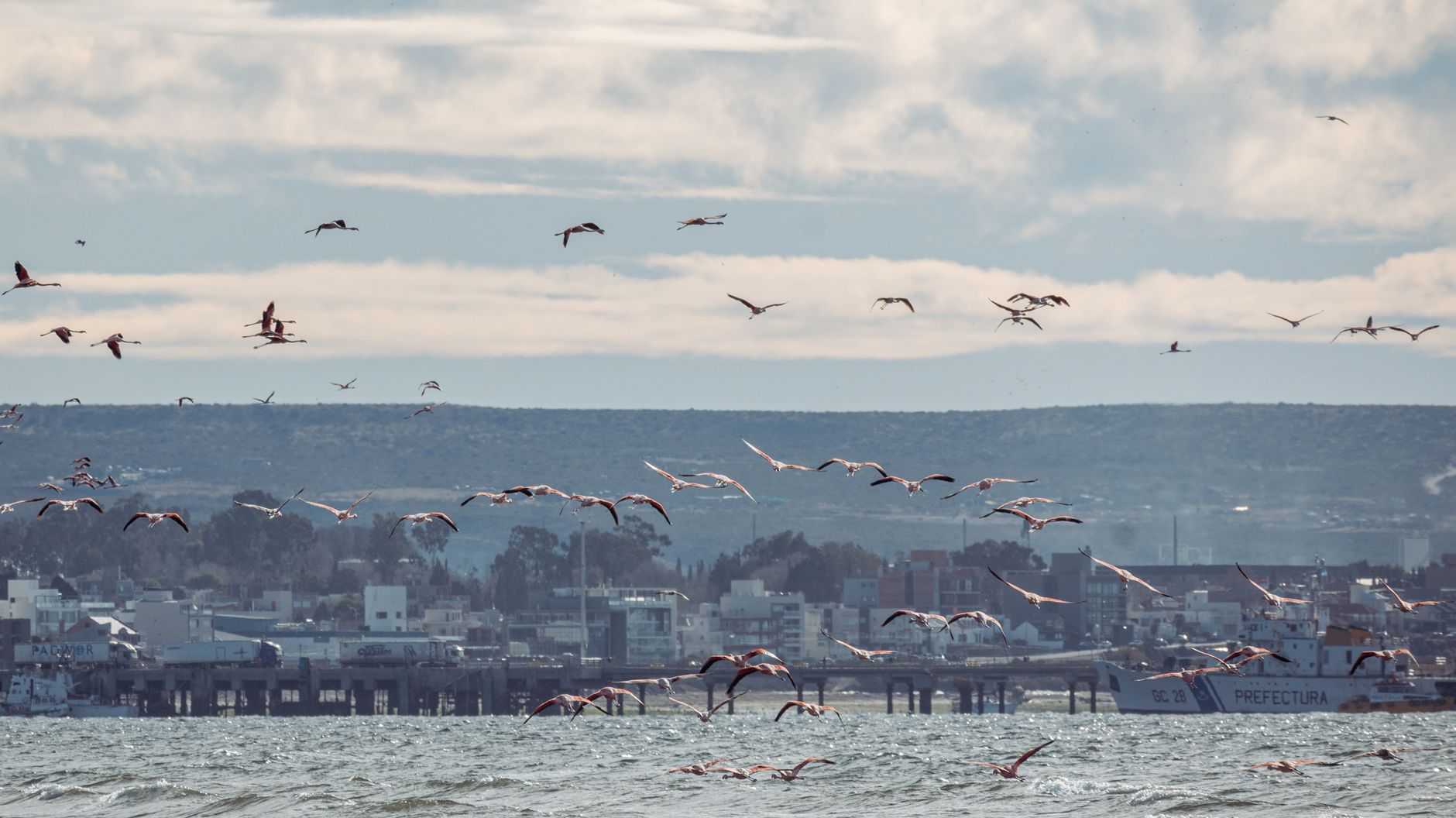
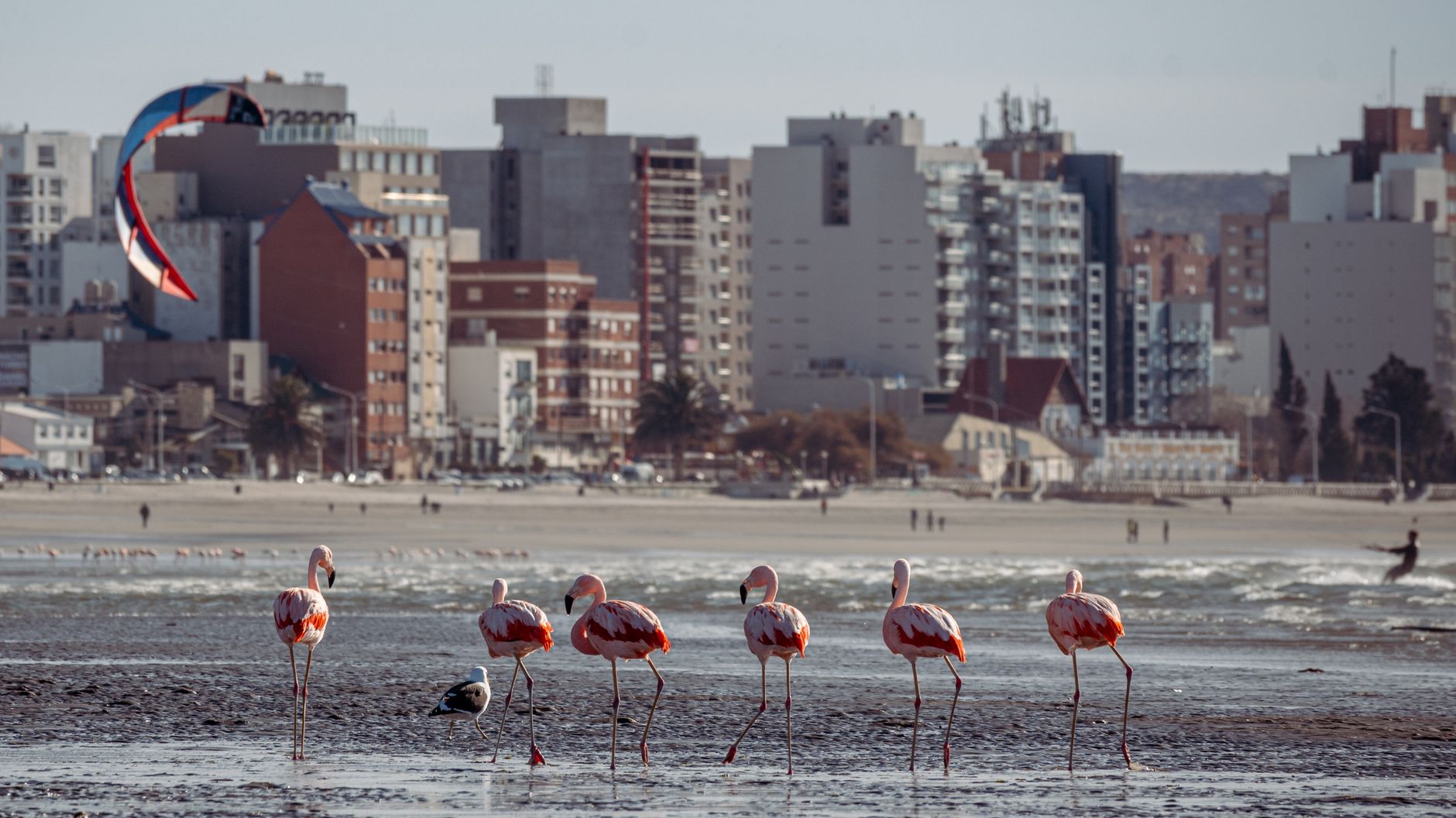
Stand on the shore at El Doradillo and a southern right whale may surface close enough that you can hear it breathe. The beach sits inside Golfo Nuevo, a bay formed by Península Valdés and Punta Ninfas that gives the water unusual depth right at the tideline — within twenty metres of shore, which is why the whales come here at all, and why Puerto Madryn has quietly become one of the more reliable places on earth to watch them from dry land.
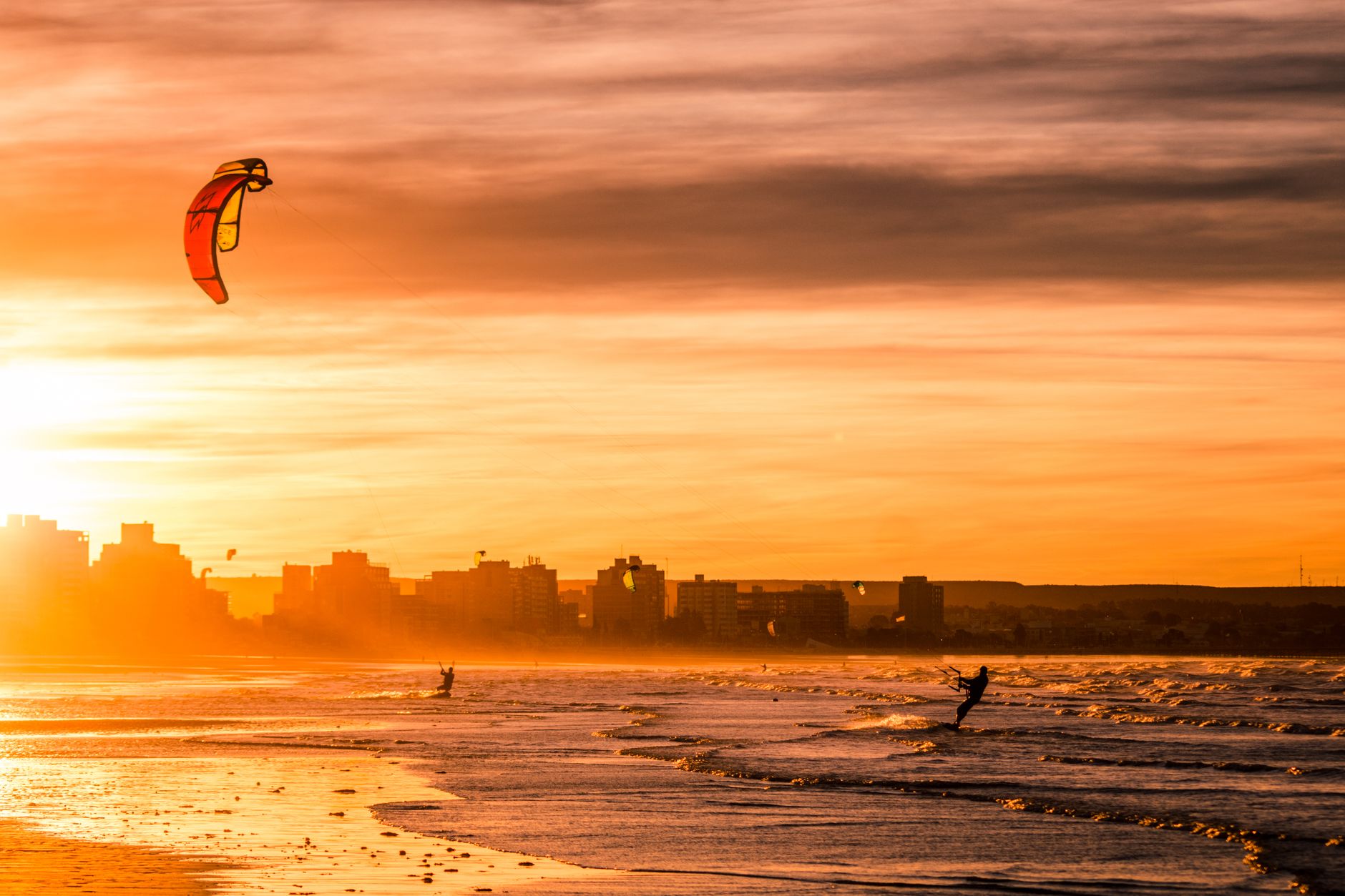
The city itself is compact and walkable, with a boulevard along the water — Alte. Guillermo Brown — where the architecture gets interesting and the restaurants face the gulf. Around 103,000 people live here now, some of them still speaking Patagonian Welsh, a thread that runs back to the town's founding and surfaces in place names, festivals, and the occasional conversation.
💛 What travellers fall for
People who return tend to time their visit around the whales (May through November, peak in winter), but they also mention the Ecocentro as worth a second look — less a museum than a thoughtfully made space where art and marine science share the same rooms, right on the coastal edge. Give it two hours, not one.
Deals in Puerto Madryn
Book directly at the provider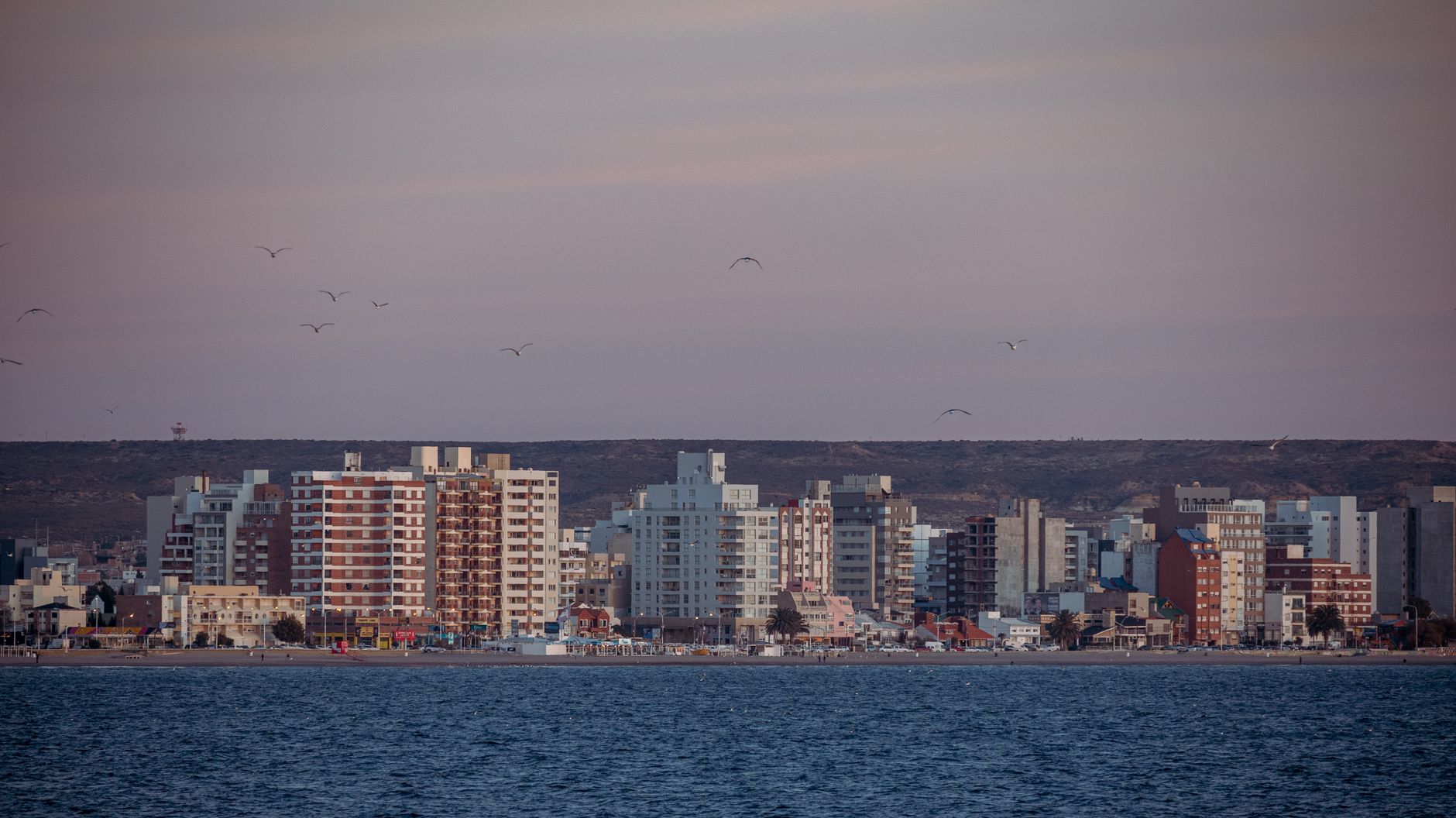
How Puerto Madryn came to be
On 28 July 1865, 150 Welsh immigrants stepped off the clipper Mimosa onto this stretch of Patagonian coast. The town that grew around their landing was named after Love Jones Parry, who had traveled to Patagonia around 1863 with Lewis Jones to scout a colony site, and who owned Madryn Castle back in Wales. A railway built by Welsh, Spanish, and Italian immigrants connected the settlement to Trelew by 1889, and a central station operated until 1961.
For most of the twentieth century Puerto Madryn remained a small port city. Then, in the 1970s, the Aluar aluminum plant arrived and the population roughly tripled within a decade. The Ecocentro followed in 2000, and the Oceanographic Museum — housed in the 1915 Chalet Pujol — recently reopened after renovations in early 2024.
Who and what shaped it
People who shaped it
Landmark buildings
See Puerto Madryn in motion
Plan your visit
On the map
When to go
Puerto Madryn is cool and arid year-round, with strong Patagonian winds that make layering sensible in every season. Summer days reach around 30°C (86°F) but nights cool quickly; winter days sit around 14°C (57°F), with nights near freezing. Spring and autumn — particularly March, April, October, and November — are the most reliably pleasant for time spent outside.
Right now
Background & history adapted from Wikipedia (CC BY-SA) · specs from Wikidata (CC0) · weather from Open-Meteo · map data © OpenStreetMap contributors · photos from Wikimedia Commons / Unsplash with per-image credit. No third-party reviews or social posts reproduced.