
Puerto del Rosario
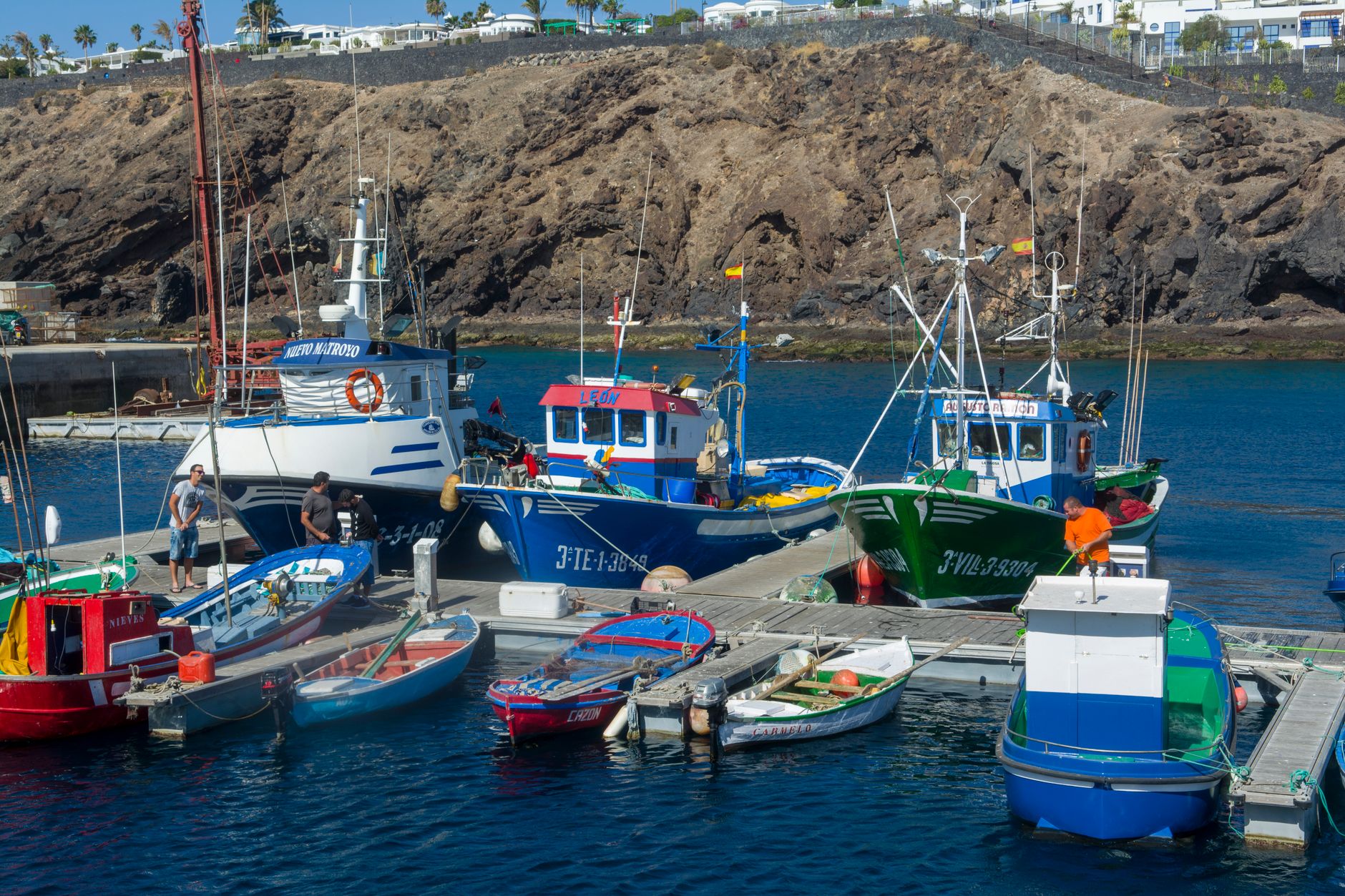
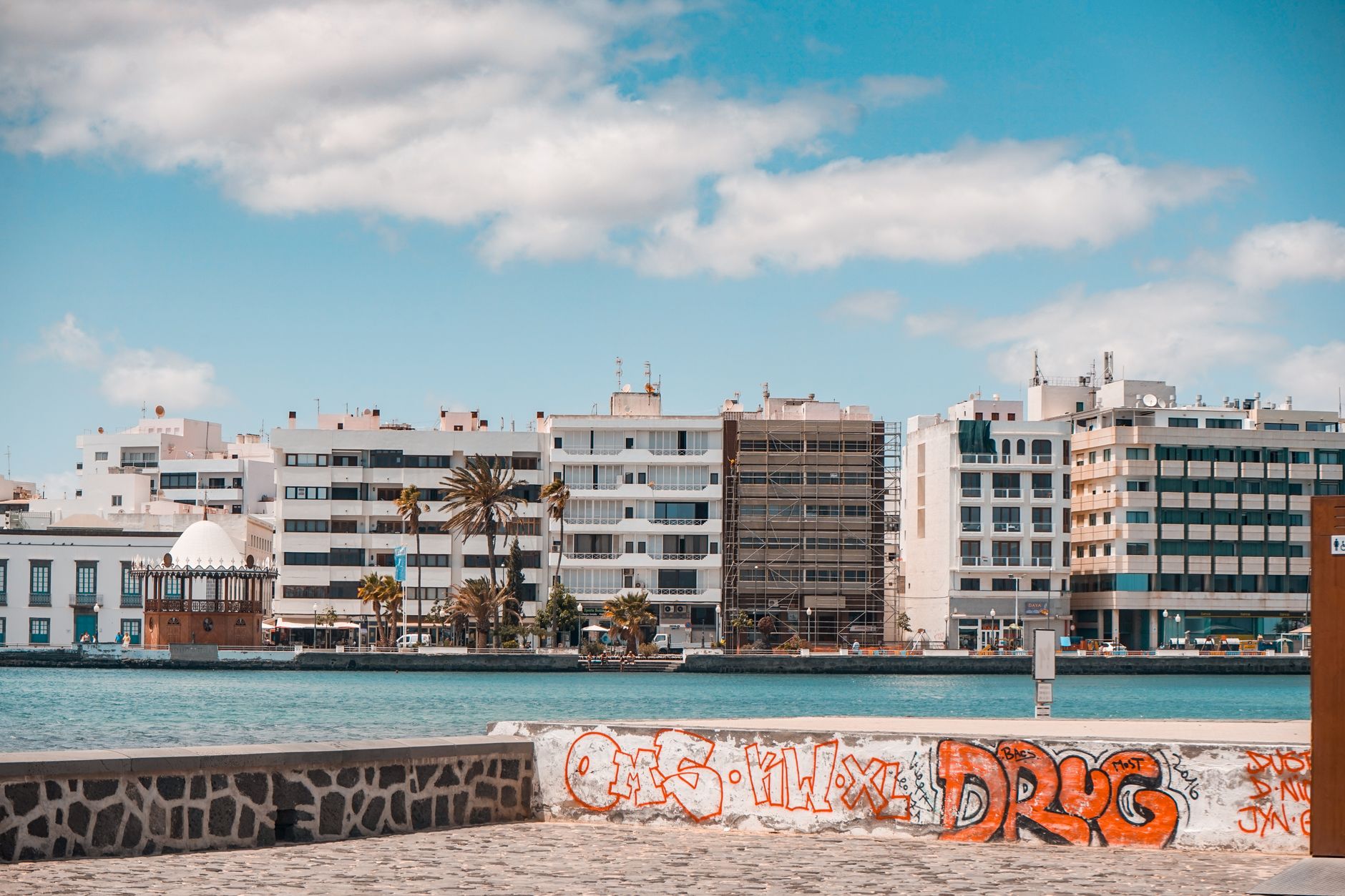
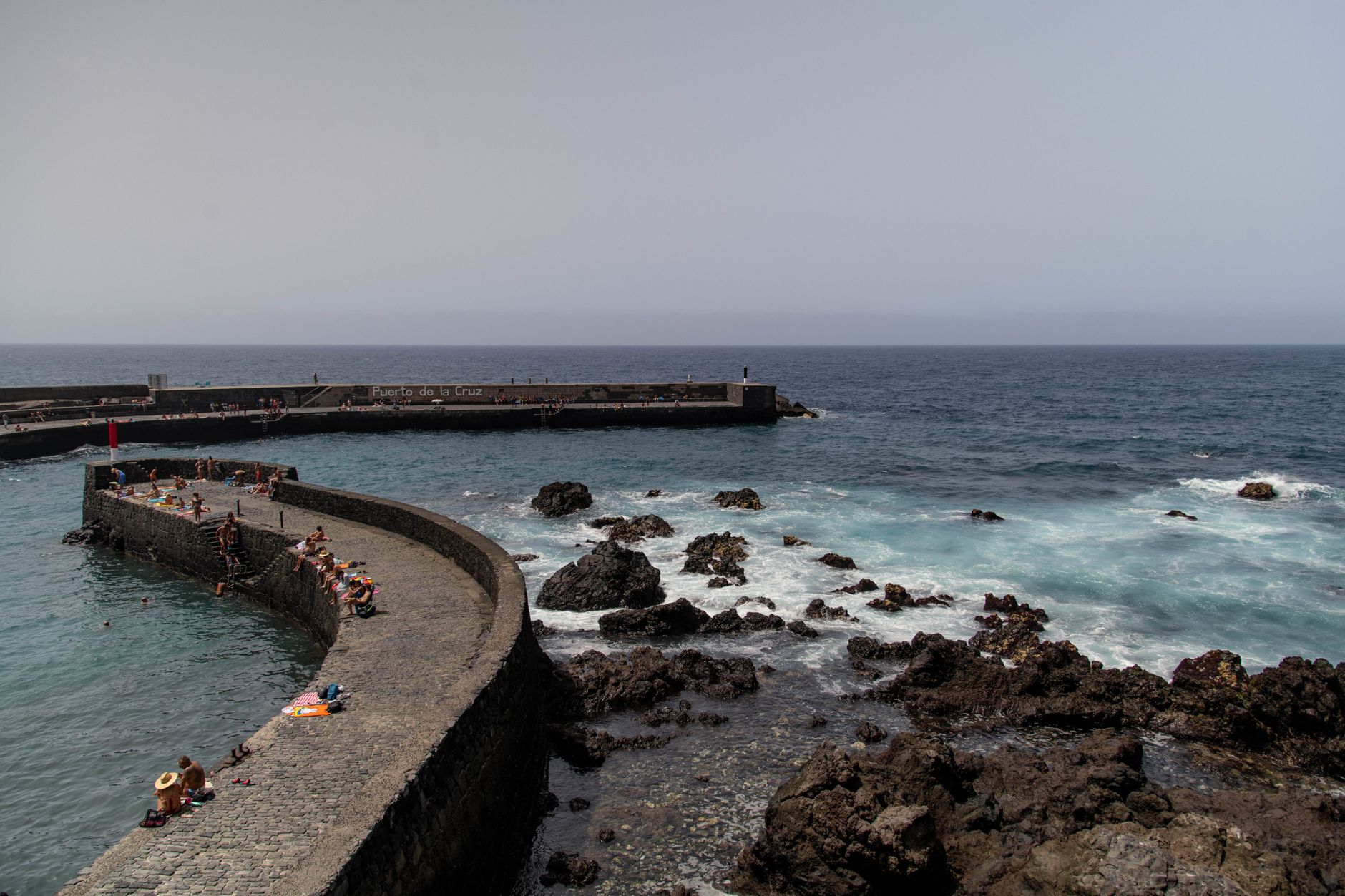
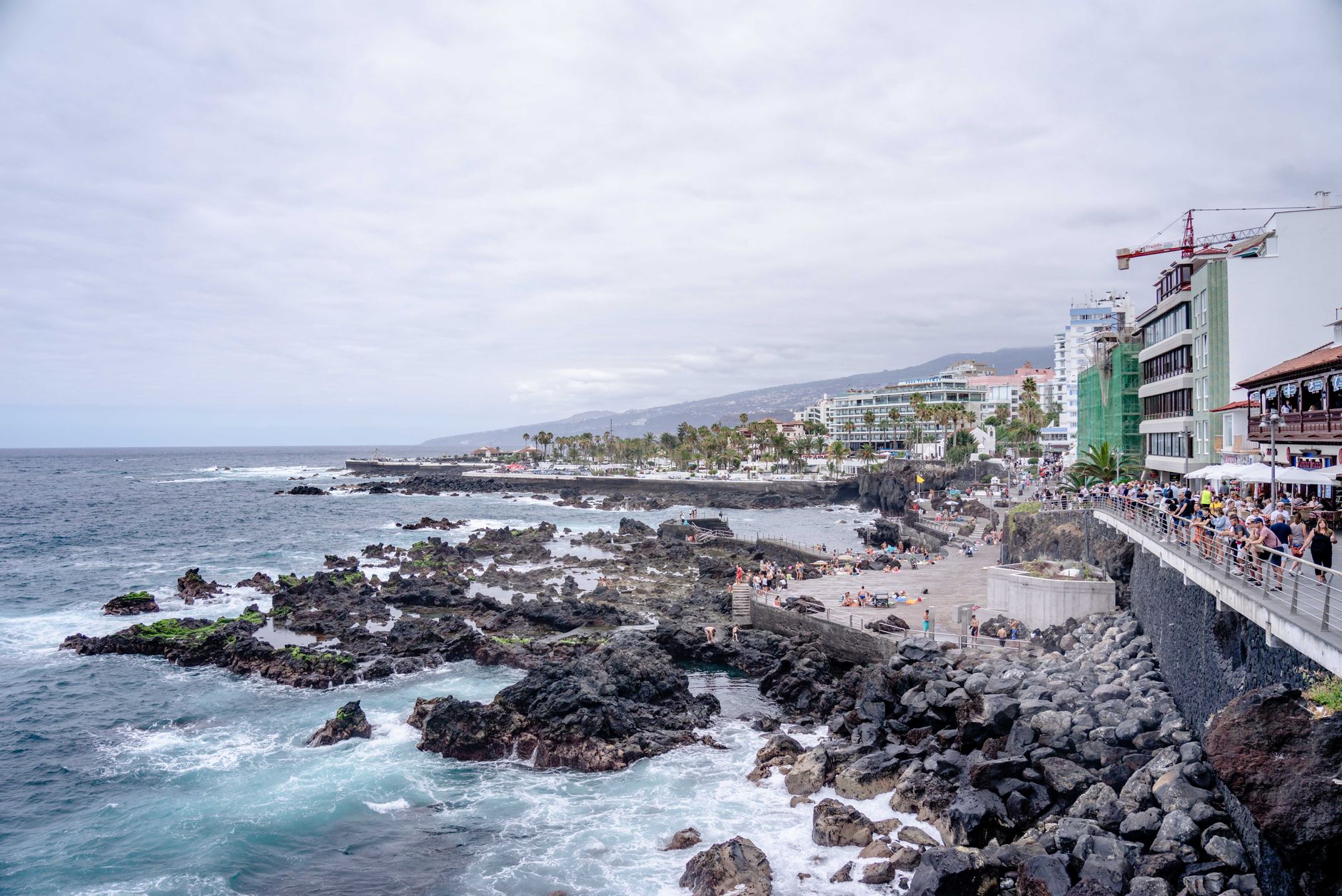
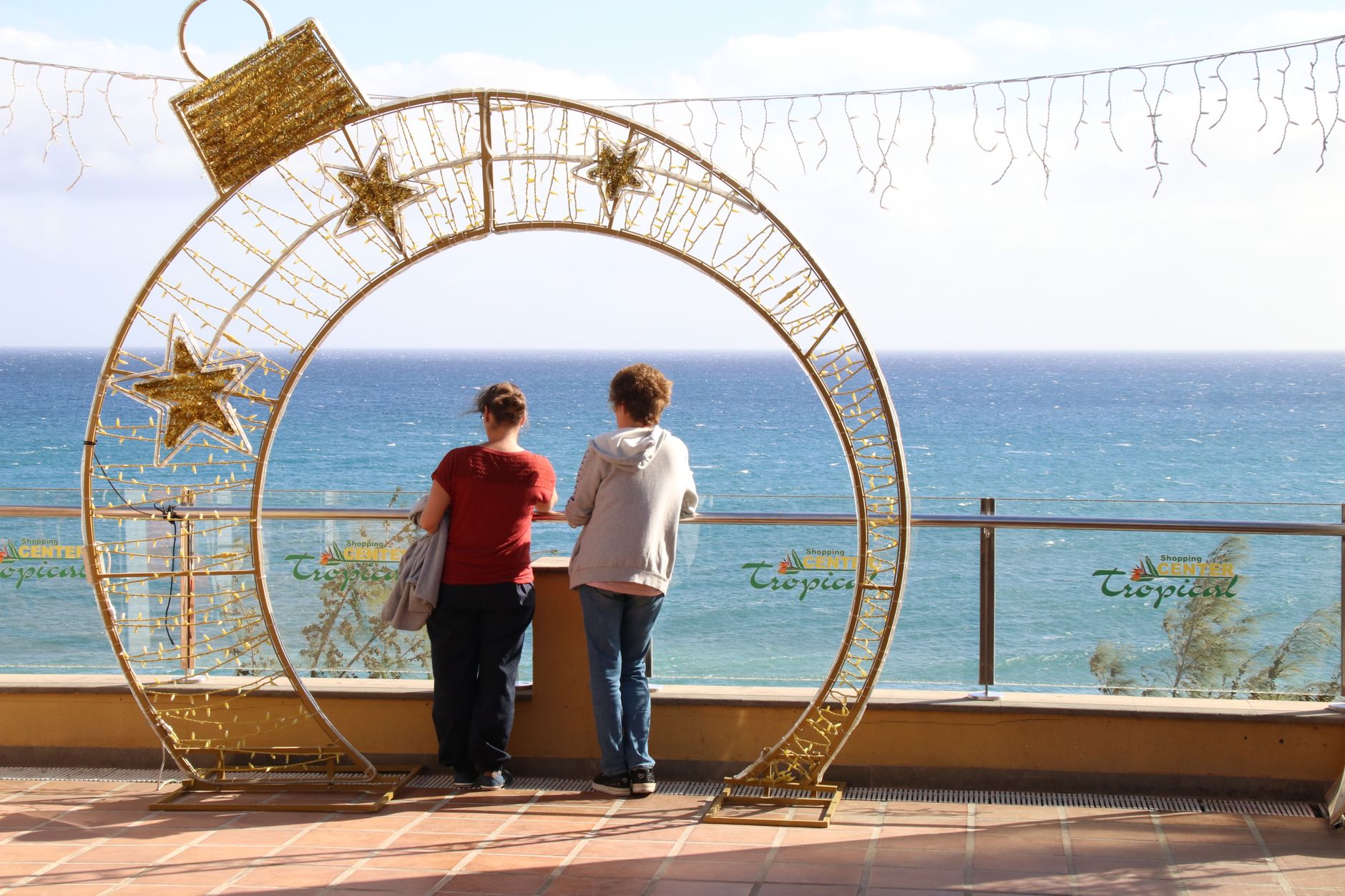

Puerto del Rosario earns its name from a church, not a flower garden — the whitewashed Iglesia Nuestra Señora del Rosario still anchors the seafront, its Marseille-cast bells imported when the town was barely a generation old. Most visitors to Fuerteventura touch down six kilometres to the south and head straight for the dunes and resort strips, which means the island's capital gets to be itself: a working port city with a promenade lined not by souvenir stalls but by more than a hundred outdoor sculptures.
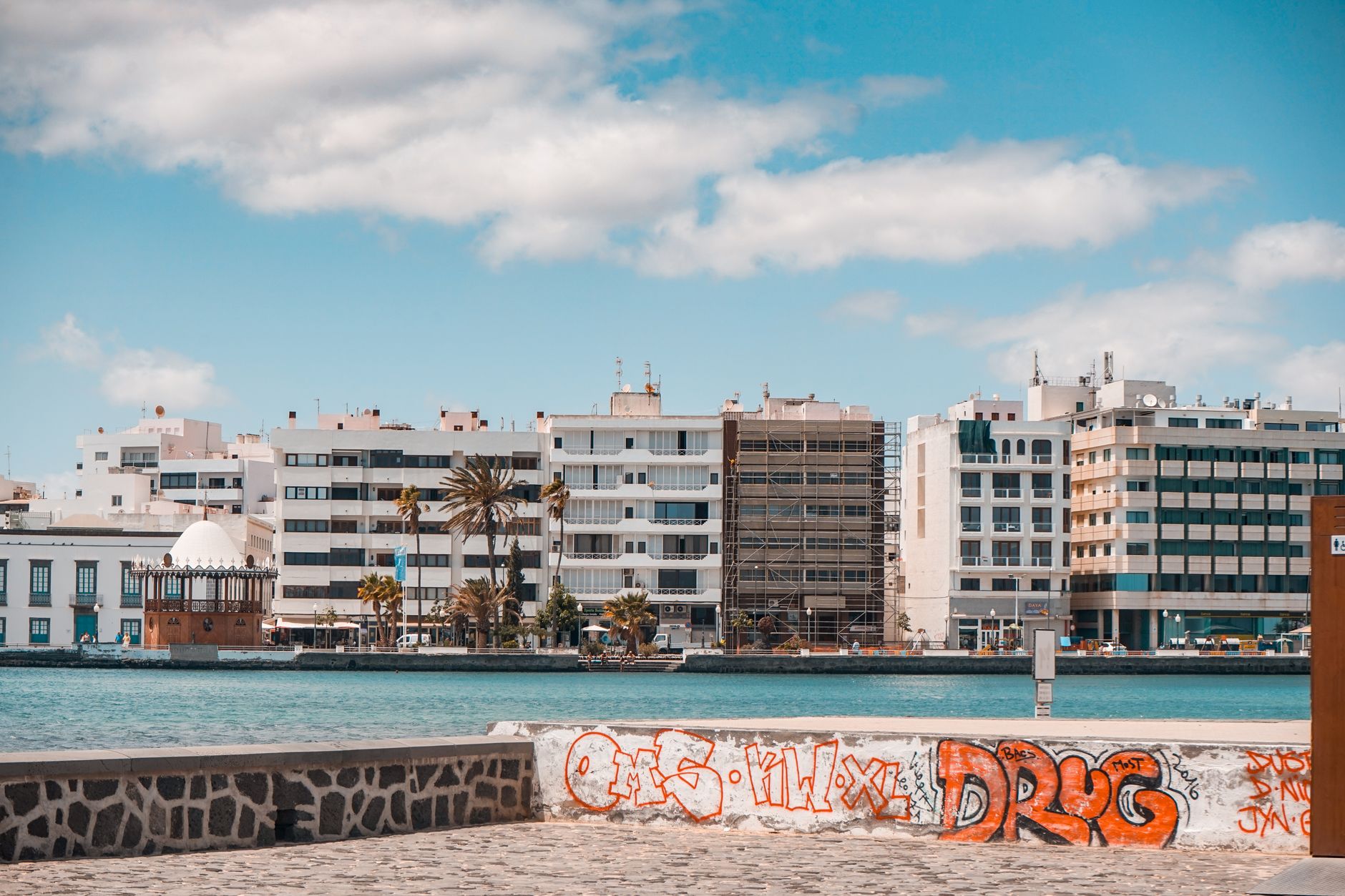
The street-art programme alone makes a slow afternoon worthwhile — some 400 walls were whitewashed and repainted from 2011 onward, turning ordinary residential blocks into an open-air gallery that rewards wandering without a map.
💛 What travellers fall for
Return visitors tend to mention the same things: arrive on foot from the ferry terminal rather than by taxi, walk Calle Primero de Mayo before the shops open, and find the snail sculptures by Juan Bordes along the marina promenade when the light is low. The Casa Museo Unamuno is smaller than you expect and better than you expect — give it an hour.
Experiences you don't want to miss



Deals in Puerto del Rosario
Book directly at the provider
How Puerto del Rosario came to be
The settlement now known as Puerto del Rosario spent its first century as Puerto de Cabras — Port of Goats — a name that stuck in documents from at least 1797. Its economy ran on quicklime and barilla, the salt-tolerant plant harvested for soda production and shipped from the pier. A tavern opened by Maria Estrada in the early 19th century was among the catalysts that turned a coastal landing point into something resembling a town. The first chapel, dedicated to the Virgin of the Rosary, was consecrated in 1824; the municipality broke from Tetir in 1835.
By 1860 the town had replaced the ancient inland capital of Betancuria as the seat of island government — a shift that acknowledged where trade and population had quietly moved. The rename to Puerto del Rosario came in 1956, tidying the official record to match the church that had long given the place its identity.
Who and what shaped it
People who shaped it
Landmark buildings
See Puerto del Rosario in motion
Plan your visit
On the map
When to go
The Köppen classification is hot desert, which in practice means little rain at any time of year — December is the wettest month at roughly 20 mm — and temperatures that stay mild rather than extreme: around 20°C in February, peaking near 26°C in September. The Canary Island trade winds keep summer from feeling as hot as the latitude suggests, but they can also make the waterfront breezy in spring.
Right now
Background & history adapted from Wikipedia (CC BY-SA) · specs from Wikidata (CC0) · weather from Open-Meteo · map data © OpenStreetMap contributors · photos from Wikimedia Commons / Unsplash with per-image credit. No third-party reviews or social posts reproduced.