
Puerto Cancún
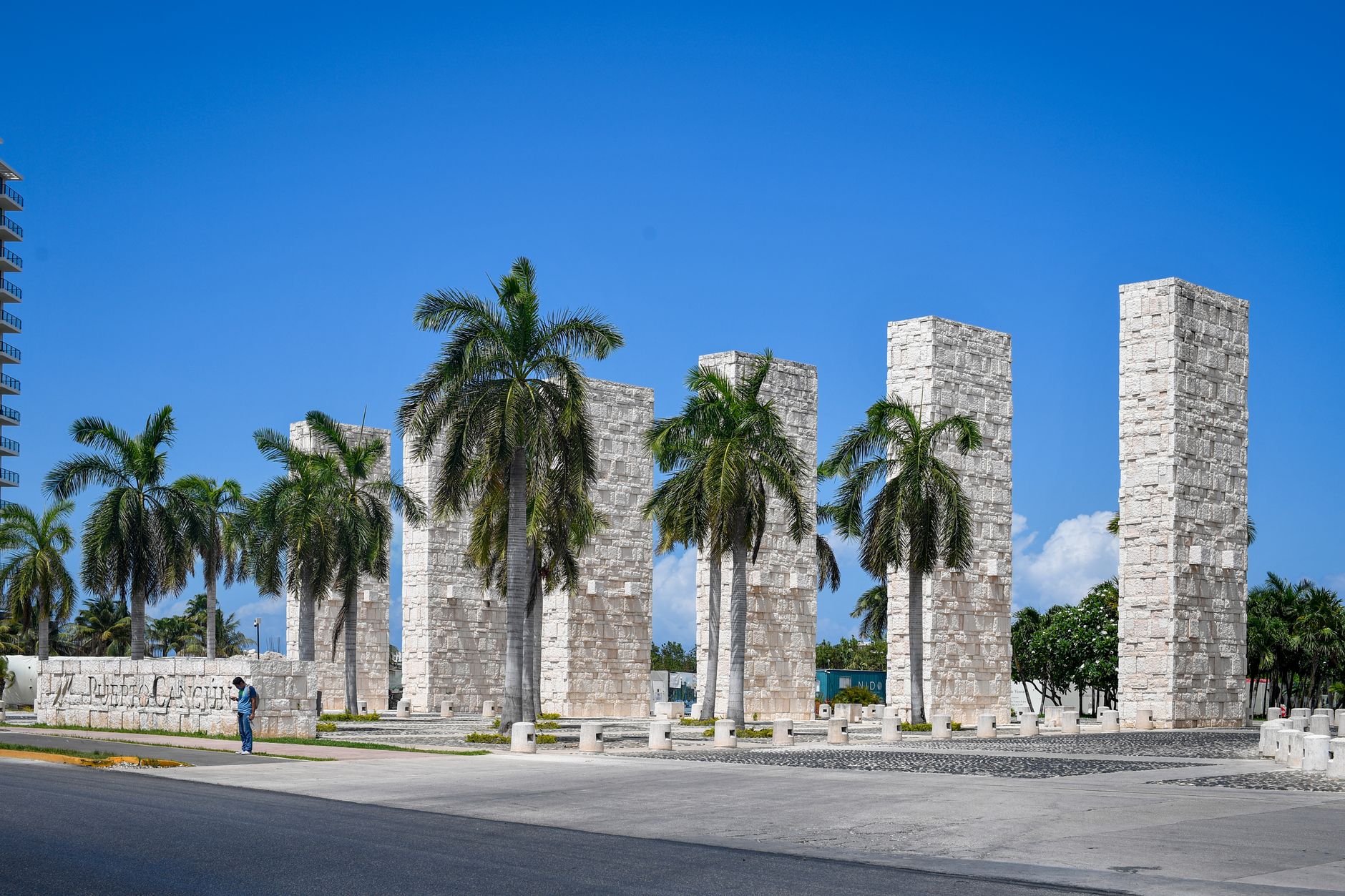
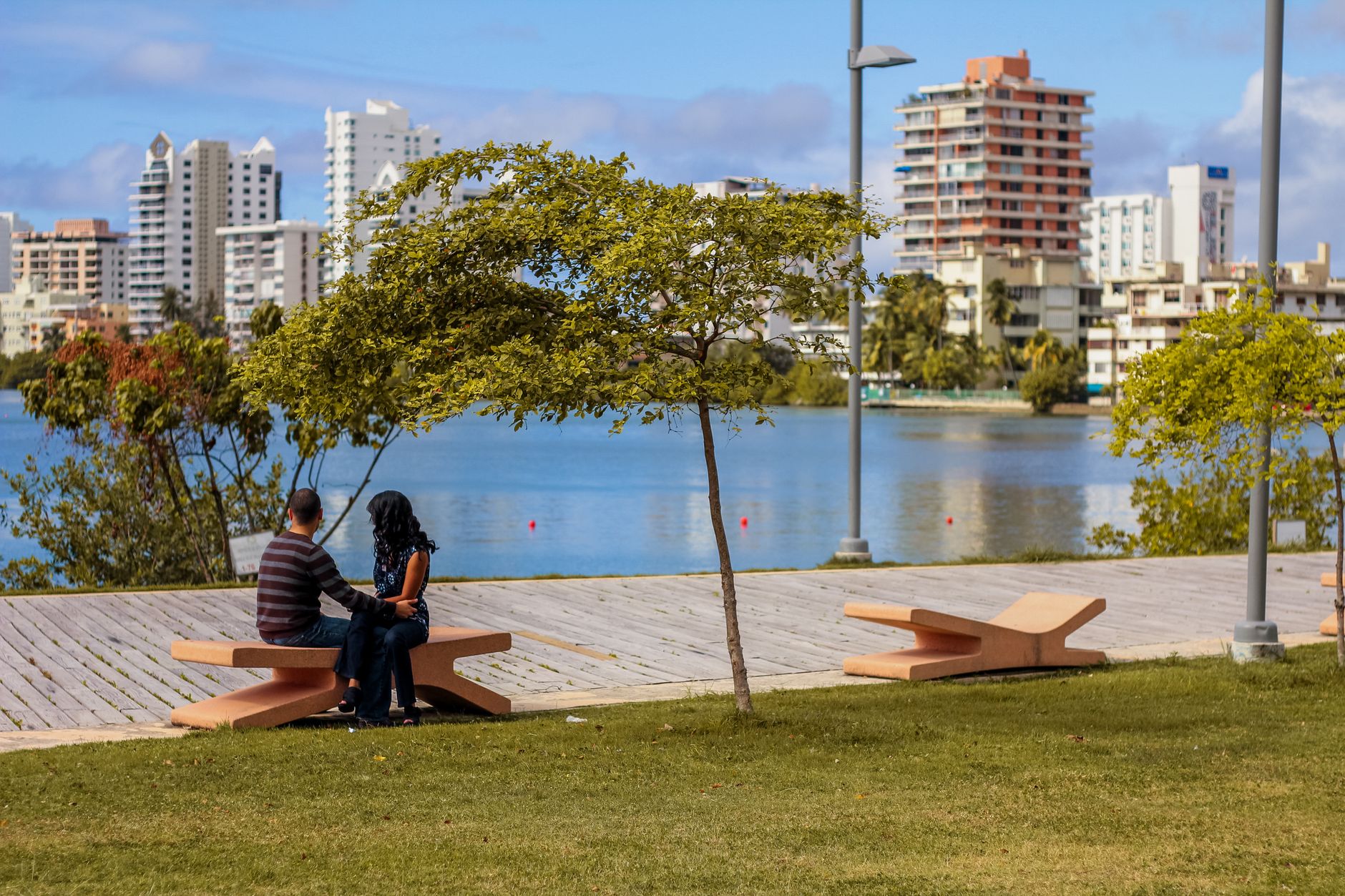
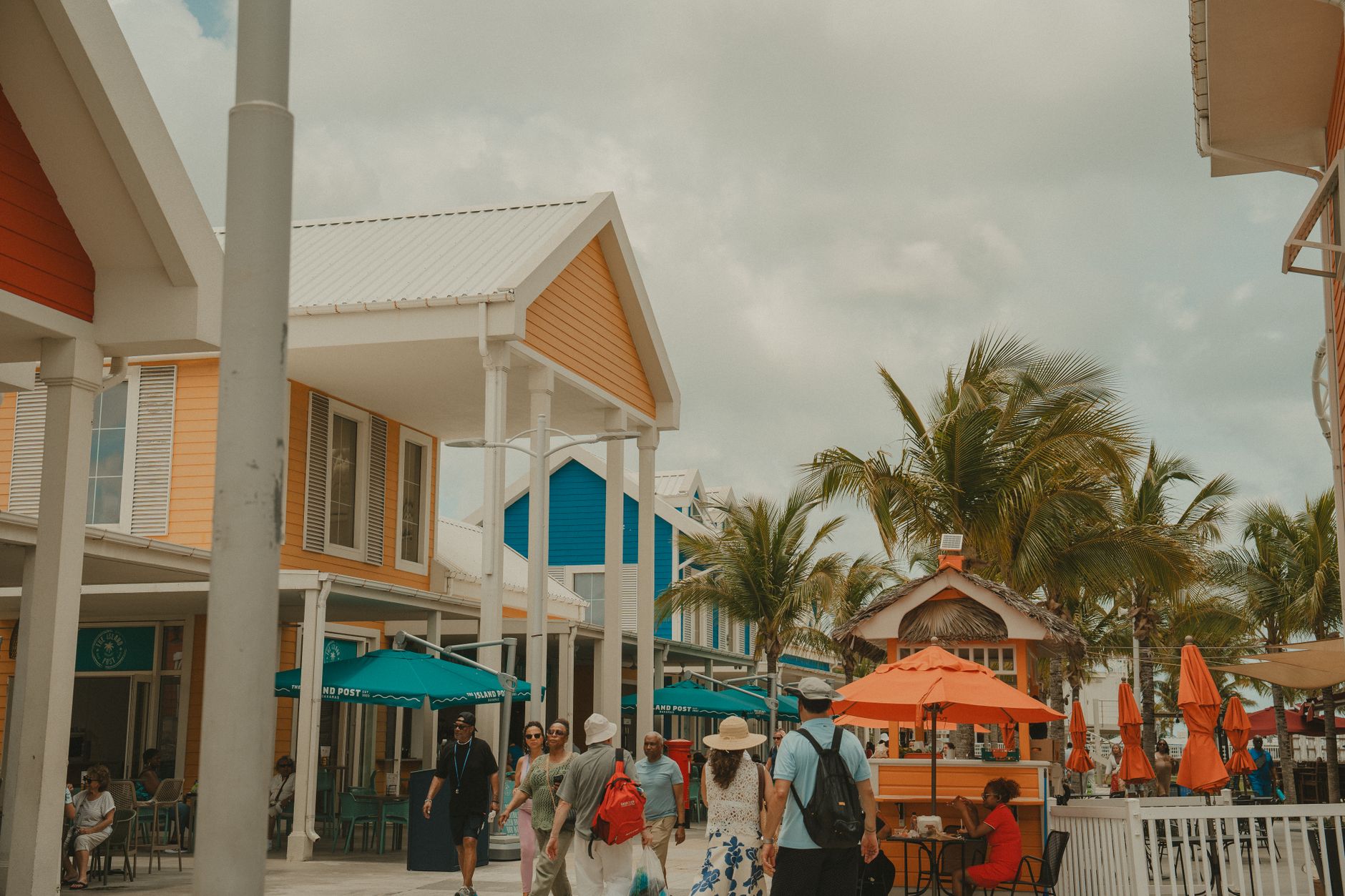
Puerto Cancún is where the canal meets the Caribbean and the city tries something different. An 800-acre master-planned development built around a full-service marina, it occupies the narrow strip of land between the lagoon and the sea, north of the Hotel Zone's resort corridor. Private waterways thread between condominiums, the Tom Weiskopf-designed golf course ends its 18th hole on a small island in the main channel, and the Marina Town Center lines the waterfront with restaurants and a Cinépolis with reclining seats and table service.
This is Cancún in a quieter register — fewer day-trippers, more residents walking dogs along the dock. It sits close enough to the Hotel Zone and downtown to use both, but its own internal logic is water and walking.
💛 What travellers fall for
Regulars tend to land at Hiromi for sushi when they want to avoid the Hotel Zone crowds, and at the Cinépolis VIP on a weekday afternoon when the rest of the city feels loud. The 18th hole island is worth seeing even if you're not golfing — the channel view at that point is genuinely unlike anything else in Cancún.
Deals in Puerto Cancún
Book directly at the provider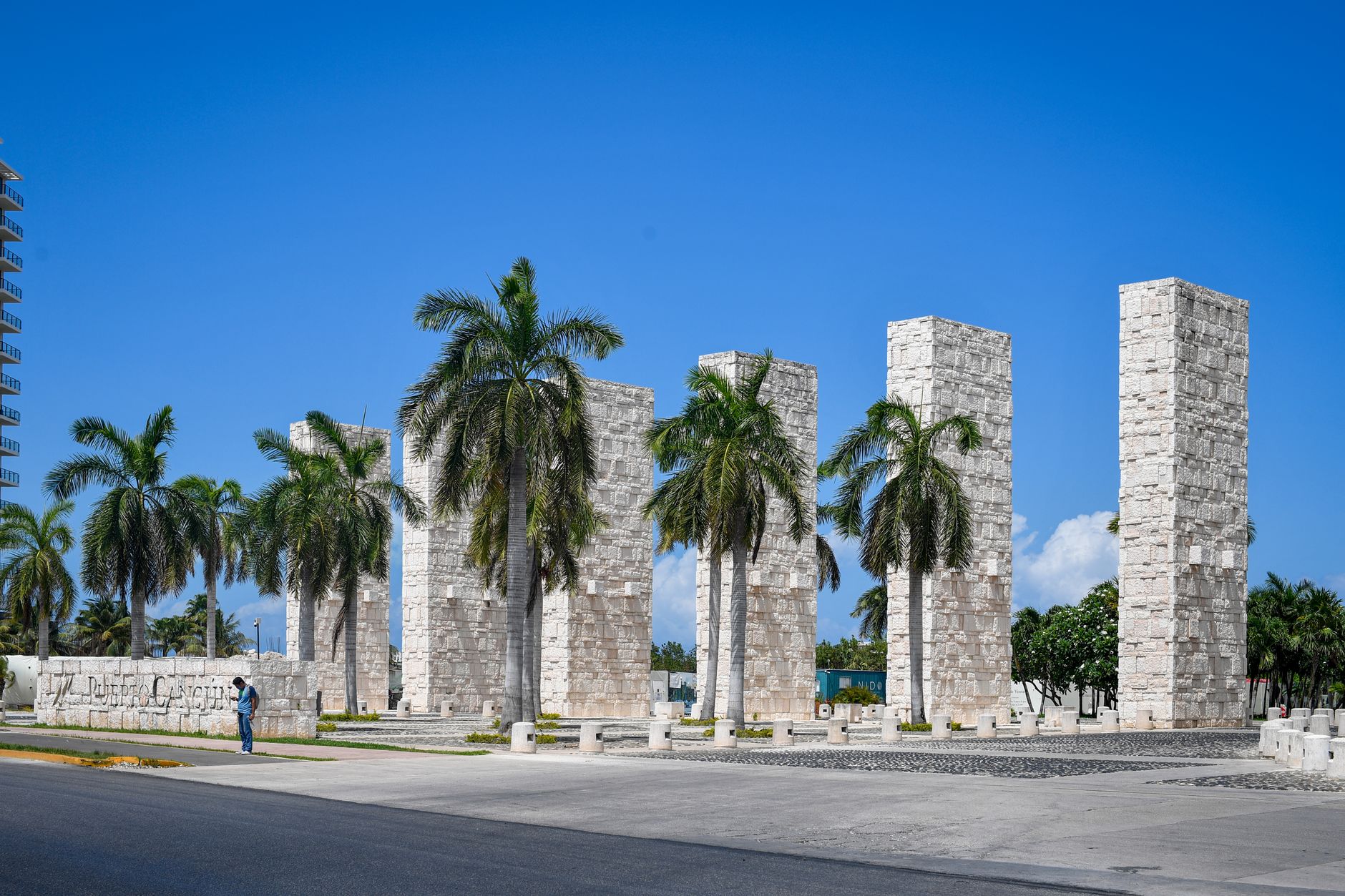

How Puerto Cancún came to be
Puerto Cancún was conceived as a joint venture between Fonatur — the Mexican government trust that originally built Cancún from scratch in the 1970s — and American developer Michael Eugene Kelly. The project was master-planned by the firm EDSA alongside Mexican architect Humberto Artigas, and the golf course was commissioned from Tom Weiskopf, known for courses that use natural topography rather than fight it.
Kelly later became the subject of a Ponzi scheme conviction, a shadow that complicated the development's trajectory. Construction continued in phases nonetheless, and the marina and commercial core did open, though not every promised amenity materialised on schedule. The 270-acre ecological reserve incorporated into the site was part of the original plan — an unusual inclusion for a luxury real-estate project of this scale.
Who and what shaped it
People who shaped it
Landmark buildings
See Puerto Cancún in motion
Plan your visit
On the map
When to go
November through April brings the most comfortable conditions: warm, relatively dry, with sea temperatures still good for swimming. The rainy season runs May through October, with genuine hurricane risk from August onward — not a reason to avoid it entirely, but worth tracking forecasts if you're visiting between August and October.
Right now
Background & history adapted from Wikipedia (CC BY-SA) · specs from Wikidata (CC0) · weather from Open-Meteo · map data © OpenStreetMap contributors · photos from Wikimedia Commons / Unsplash with per-image credit. No third-party reviews or social posts reproduced.