
Puerto Calero
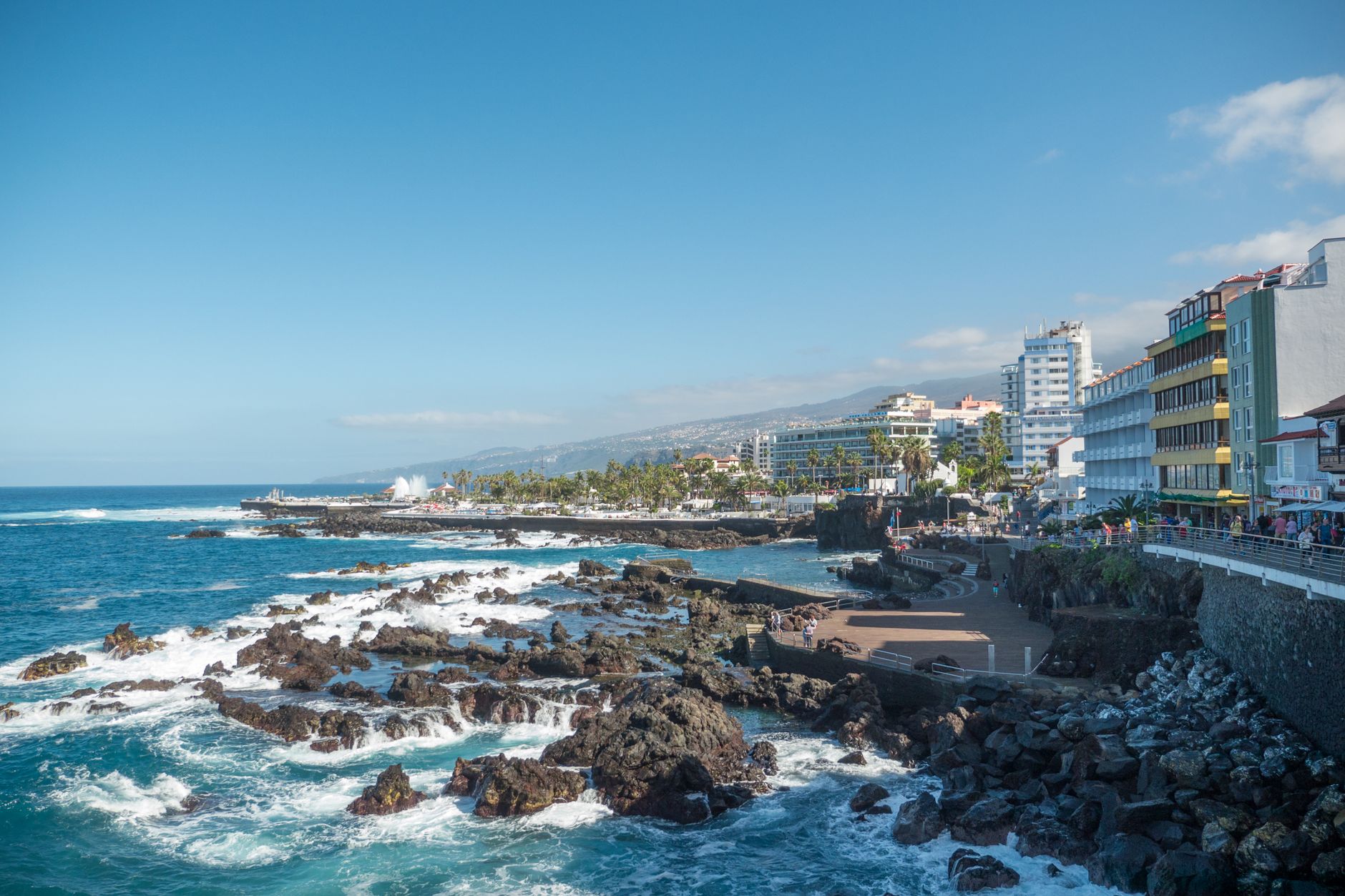
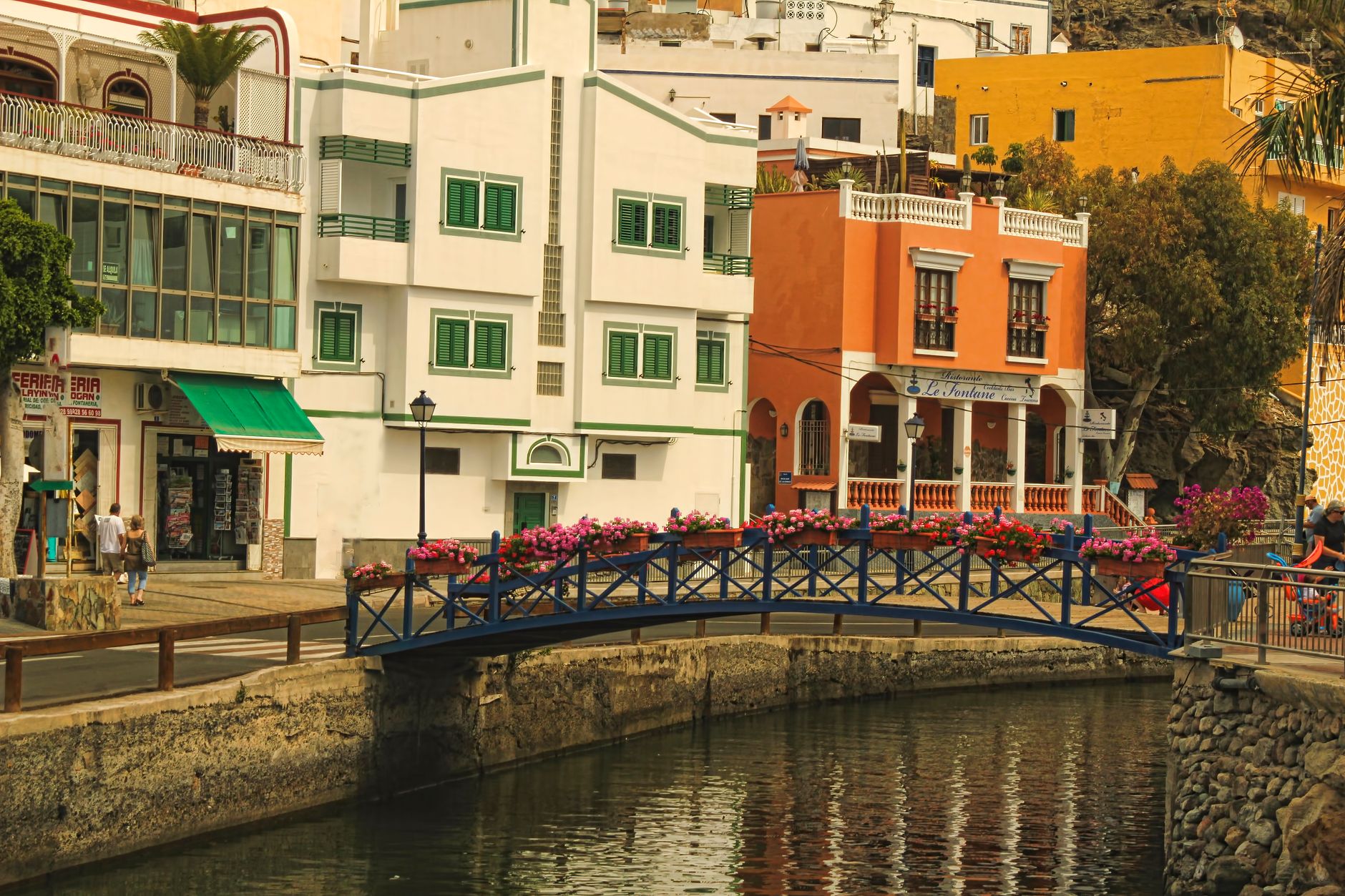
At the end of the main breakwater, a small red-and-black lighthouse marks the edge of Puerto Calero — and, in a way, the edge of what this corner of Lanzarote used to be. Before 1989, there was no marina here at all. What you walk through now — 450 berths, waterfront restaurants along the outer quay, the promenade of Calle Isla de Los Lobos with its shops pressed against the inner arc — was conjured from a coastline that had nothing of the sort.
The scale stays human. Vessels up to 80 metres can moor here, but the place doesn't feel like a superyacht showroom. Restaurants face the water; you eat looking at hulls and rigging. The coastal path south toward Playa Quemada, and north toward Puerto del Carmen, means the marina is also a useful waypoint rather than a destination you have to drive to and drive away from.
💛 What travellers fall for
People who come back tend to arrive by water taxi from Puerto del Carmen rather than by car — it reframes the whole approach. The outer restaurant strip at dusk, when the light drops behind the volcanic ridges inland, is the moment most worth timing. Calle Isla de Los Lobos is quieter in the morning, before the day-trippers arrive by boat.
Experiences you don't want to miss


Deals in Puerto Calero
Book directly at the provider

How Puerto Calero came to be
The story of Puerto Calero begins with one person's specific ambition. José Calero Rodríguez, born in the inland village of La Asomada, left Lanzarote in the 1960s and spent roughly two decades building businesses in Liberia. When he returned, aged 35, he looked at the island's coastline and decided it needed a marina — the first on Lanzarote. Construction started in 1983; the marina opened in 1989 with 190 berths.
The name Calero carries its own history: it refers to workers in the lime-kilns that once supplied ash for the Canarian soap trade. By 1999, the marina had doubled in size to mark its tenth anniversary. A super-berth section for vessels between 25 and 50 metres followed in 2006, and in 2025 the operating concession was renewed for a further 35 years. José Calero also founded the Canarian Sailing Circuit, a competition running between Lanzarote and Tenerife.
Who and what shaped it
People who shaped it
Landmark buildings
See Puerto Calero in motion
Plan your visit
On the map
When to go
Lanzarote's hot desert climate means Puerto Calero is genuinely usable year-round: July brings ten hours of daily sun and almost no rain, while even February — the coolest month — rarely drops below 14°C at night. The busiest periods tend to cluster around northern European school holidays in winter and spring, when the reliable sunshine draws the most visitors.
Right now
Background & history adapted from Wikipedia (CC BY-SA) · specs from Wikidata (CC0) · weather from Open-Meteo · map data © OpenStreetMap contributors · photos from Wikimedia Commons / Unsplash with per-image credit. No third-party reviews or social posts reproduced.