
Puerto Baquerizo Moreno
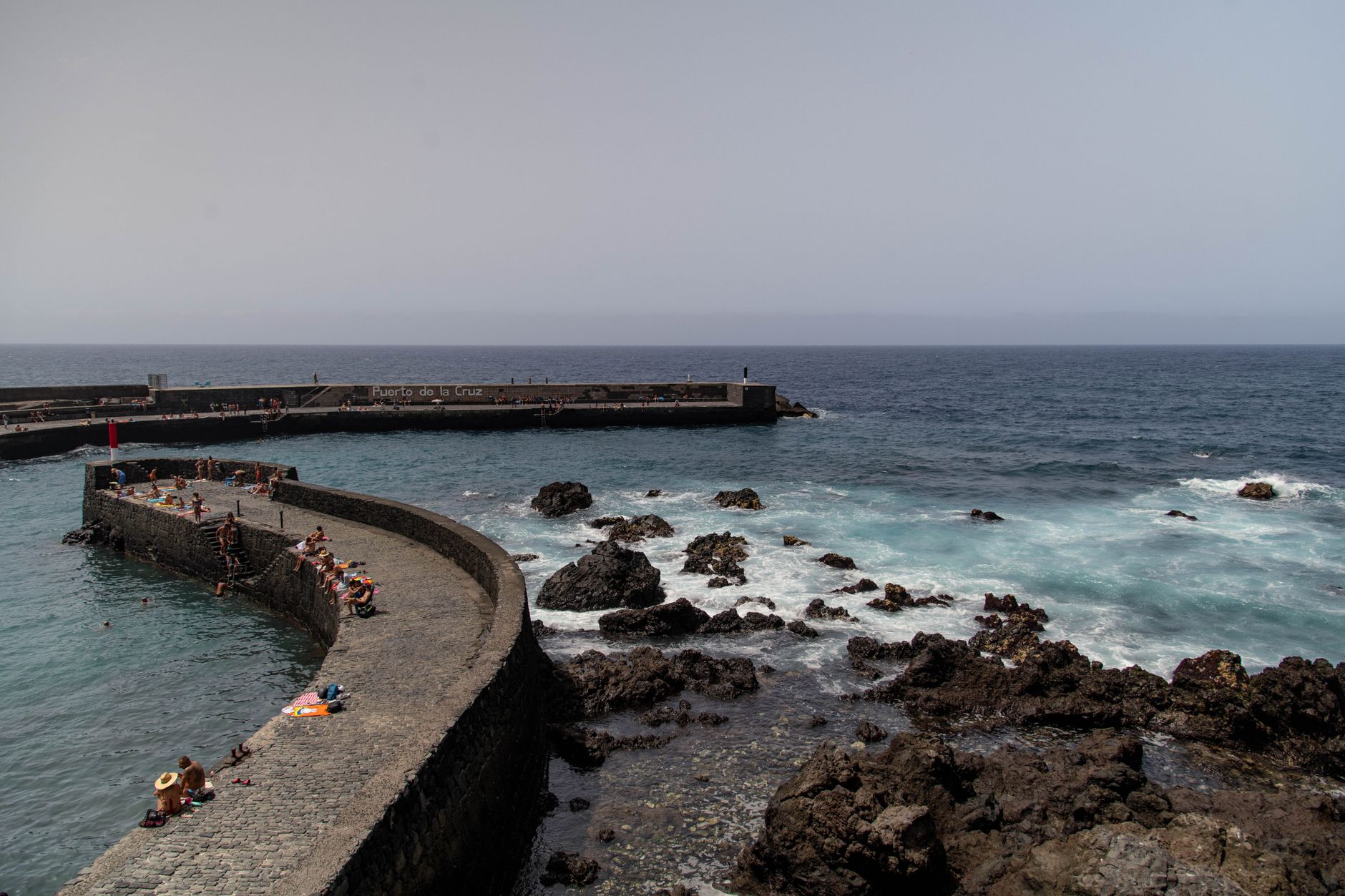
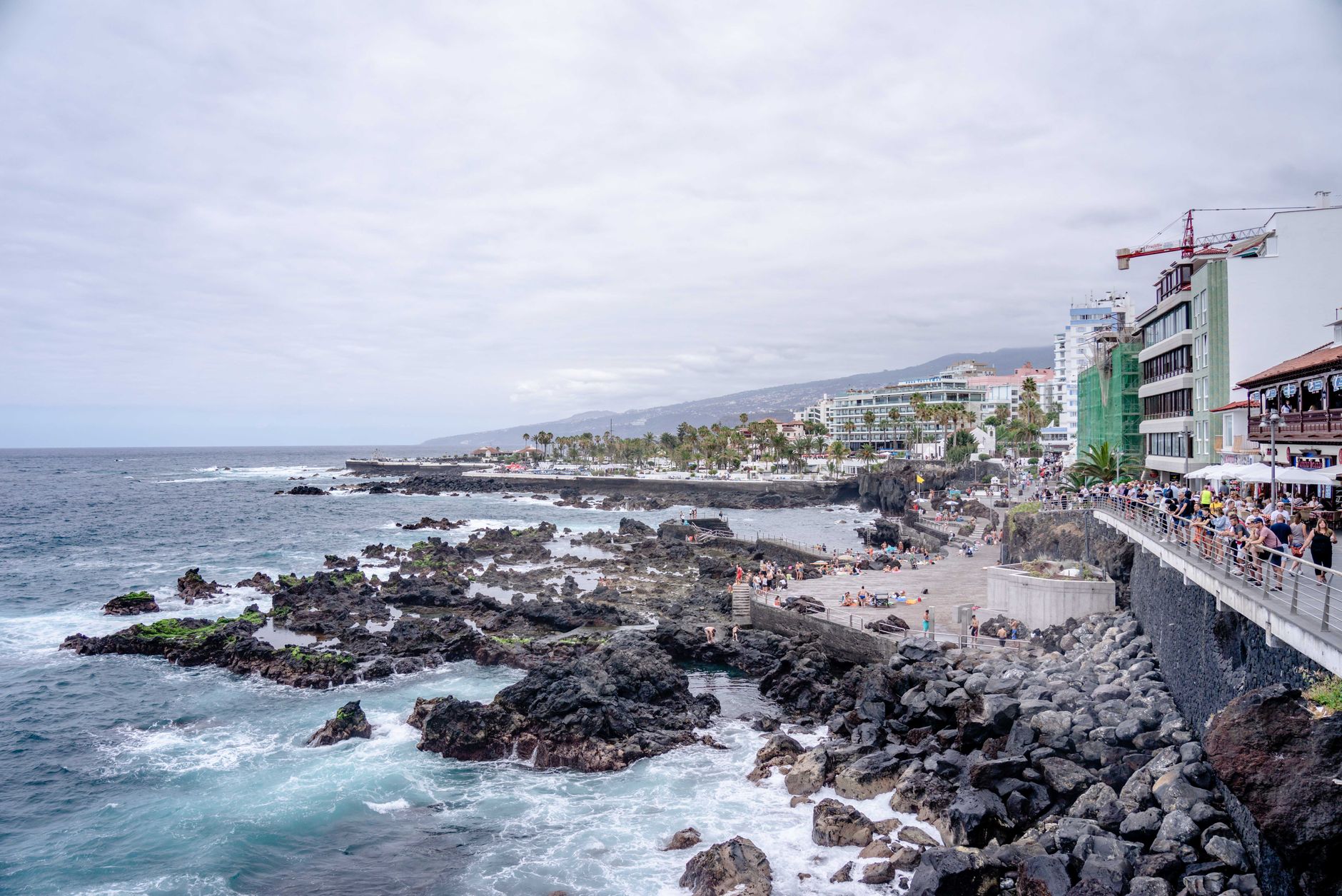
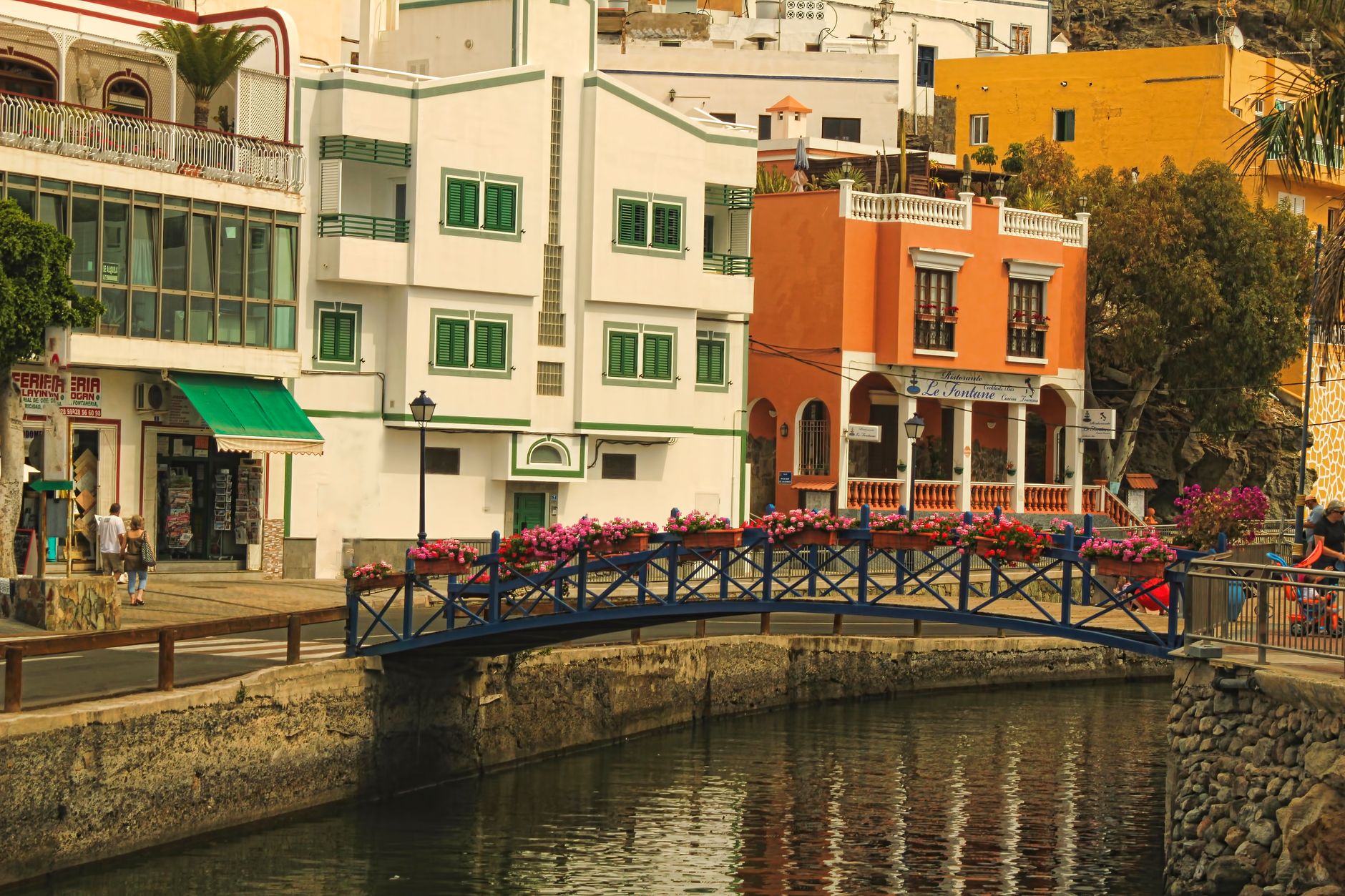
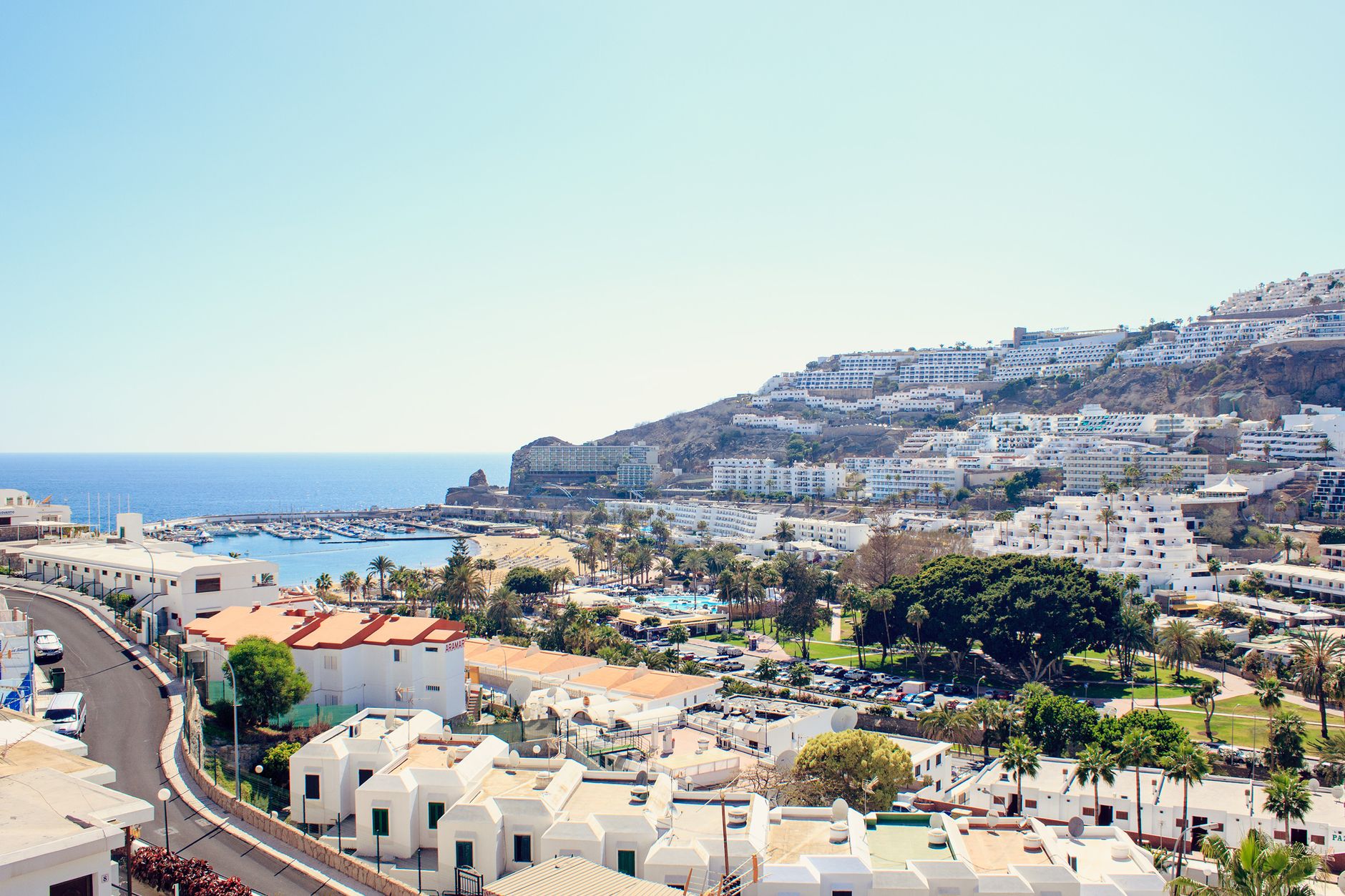
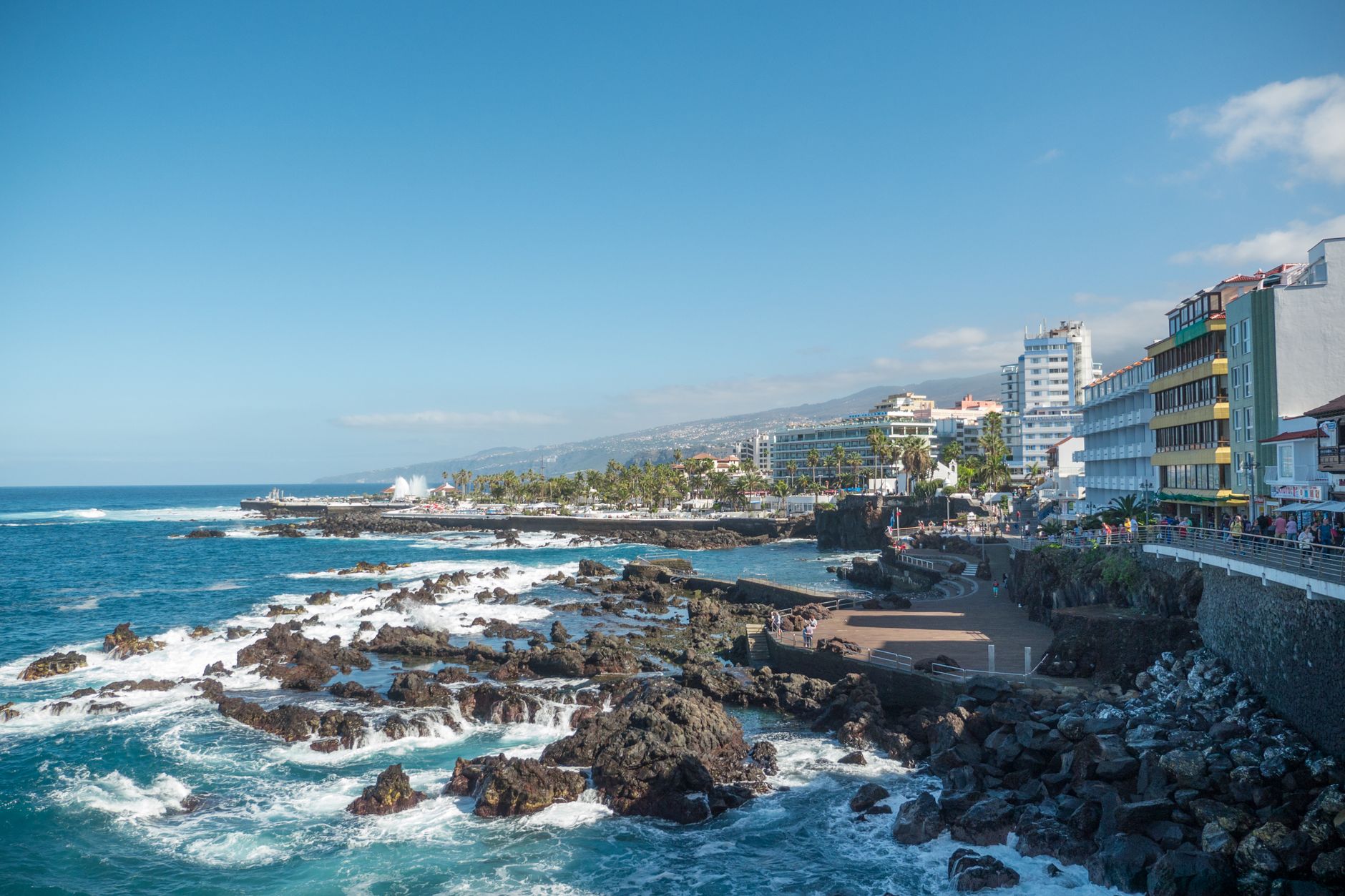
Puerto Baquerizo Moreno is the capital of the Galápagos Islands and the oldest continuously inhabited settlement in the archipelago — a small, sun-bleached town of roughly 7,300 people spread across less than three square kilometres on the western shore of San Cristóbal. Sea lions park themselves along the Malecón Charles Darwin as casually as locals do, and the cathedral at the centre of town has murals where New Testament scenes play out against a backdrop of blue-footed boobies and giant tortoises.
This is the administrative and civic heart of the Galápagos, which means it has the texture of a real working town rather than a pure tourist staging post. The Centro de Interpretación and the Natural History Museum sit within walking distance of each other, and the airport is close enough that you can be on the waterfront within minutes of landing.
💛 What travellers fall for
People who come back tend to mention the same two things: the $2 taxi from the airport — a genuine two-minute ride — and the morning ferry rhythm before the boats leave for Puerto Ayora. Arrive the evening before a crossing, walk the Malecón at dusk when the sea lions are loudest, and you get a version of this town most day-trippers miss entirely.
Deals in Puerto Baquerizo Moreno
Book directly at the provider

How Puerto Baquerizo Moreno came to be
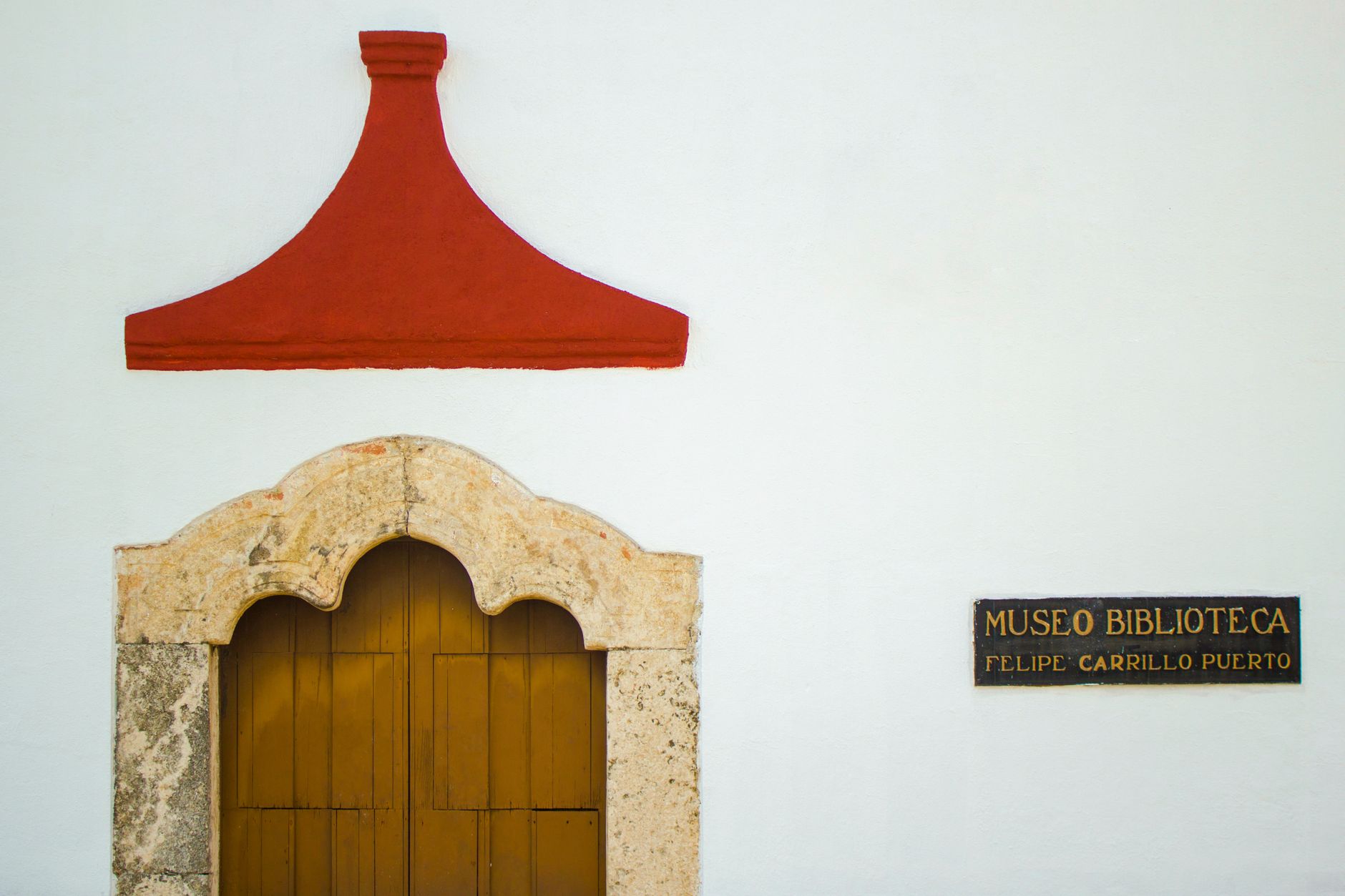
The town began as Puerto Chico, a modest outpost established during the mid-19th century colonisation of San Cristóbal by General Villamil Playas. Its close neighbour, El Progreso, was founded in 1879 as a hacienda with a sugar refinery — a place whose harsh labour conditions and two recorded assassinations marked an uncomfortable chapter in the island's early economy.
The town took its current name after Ecuadorian president Alfredo Baquerizo Moreno visited in July 1917, becoming the first sitting head of state to reach the archipelago. His tour was partly motivated by concerns over possible U.S. acquisition of local estates, and it prompted immediate administrative attention to the islands. The Immaculate Conception Cathedral, which now serves as the seat of the Apostolic Vicariate of Galápagos — a jurisdiction elevated by Pope Benedict XVI in 2008 — anchors the town centre much as it has for decades.
Who and what shaped it
People who shaped it
Landmark buildings
See Puerto Baquerizo Moreno in motion
Plan your visit
On the map
When to go
Temperatures stay remarkably stable year-round given the equatorial location, shifting only a few degrees between seasons. January through March is the warmest and driest window for a visit; from June to November, a fog-like drizzle called garúa rolls in, skies stay overcast, and persistent winds push the felt temperature noticeably lower than the thermometer suggests.
Right now
Background & history adapted from Wikipedia (CC BY-SA) · specs from Wikidata (CC0) · weather from Open-Meteo · map data © OpenStreetMap contributors · photos from Wikimedia Commons / Unsplash with per-image credit. No third-party reviews or social posts reproduced.