
Pucallpa
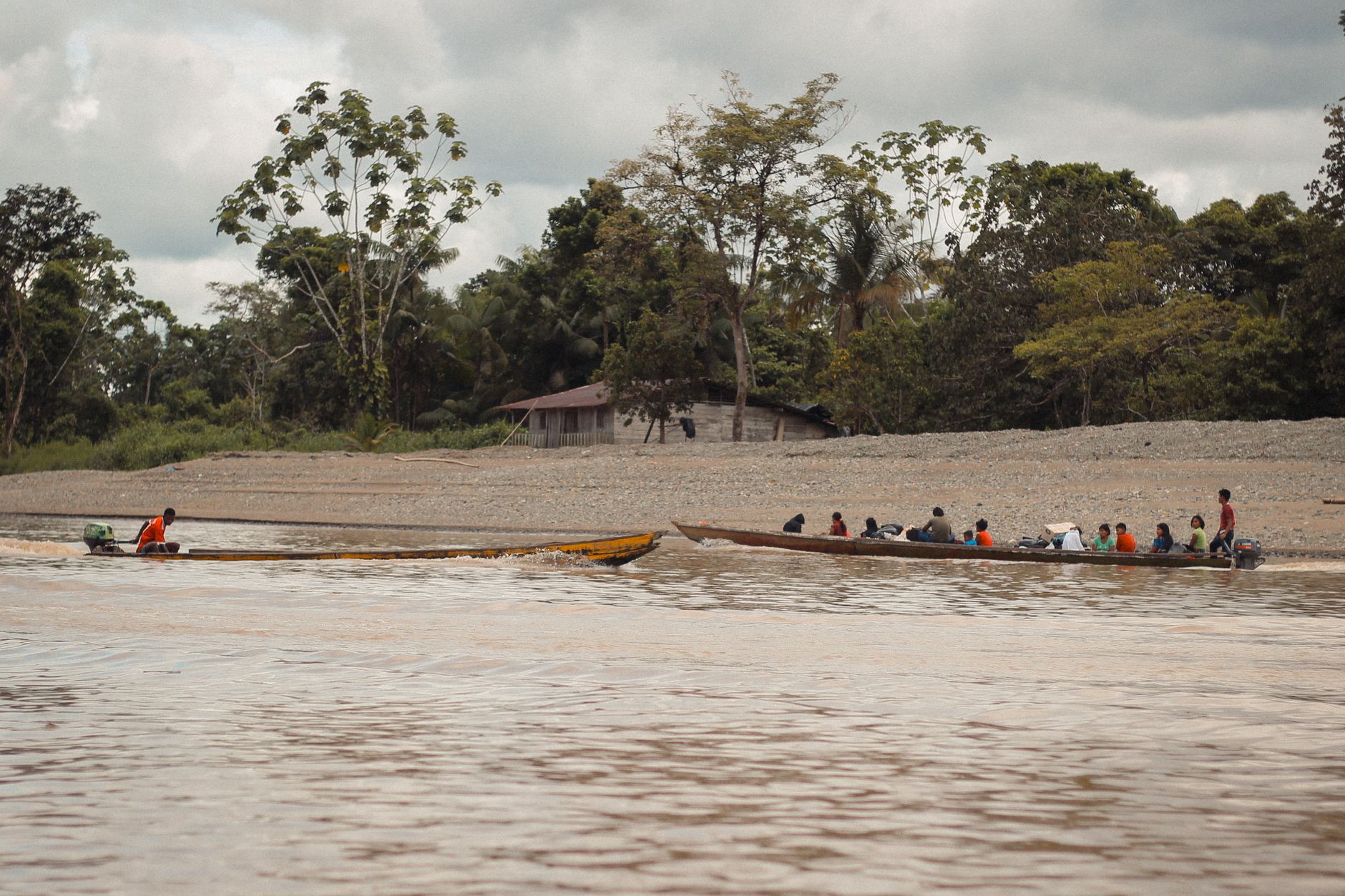
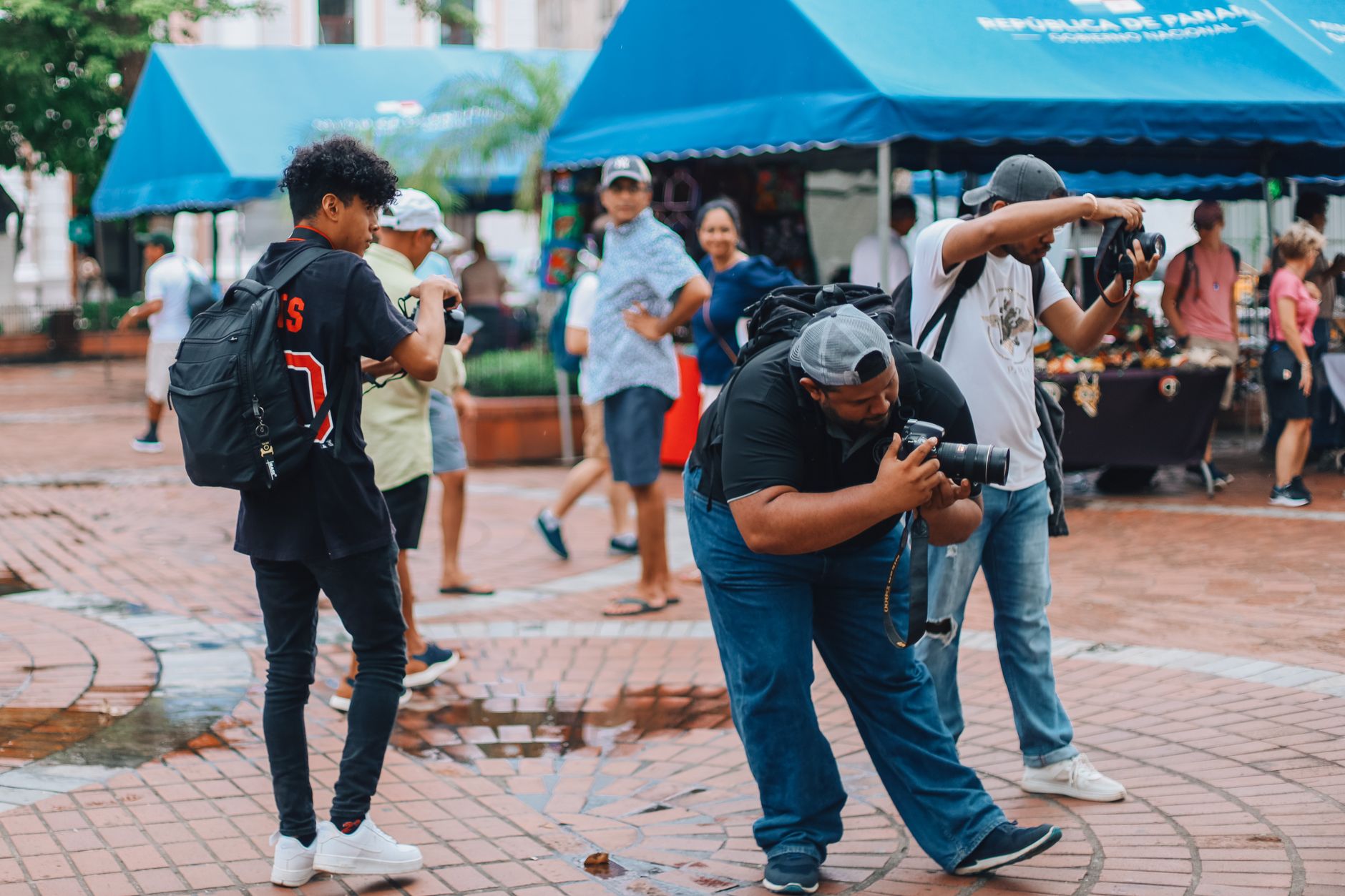
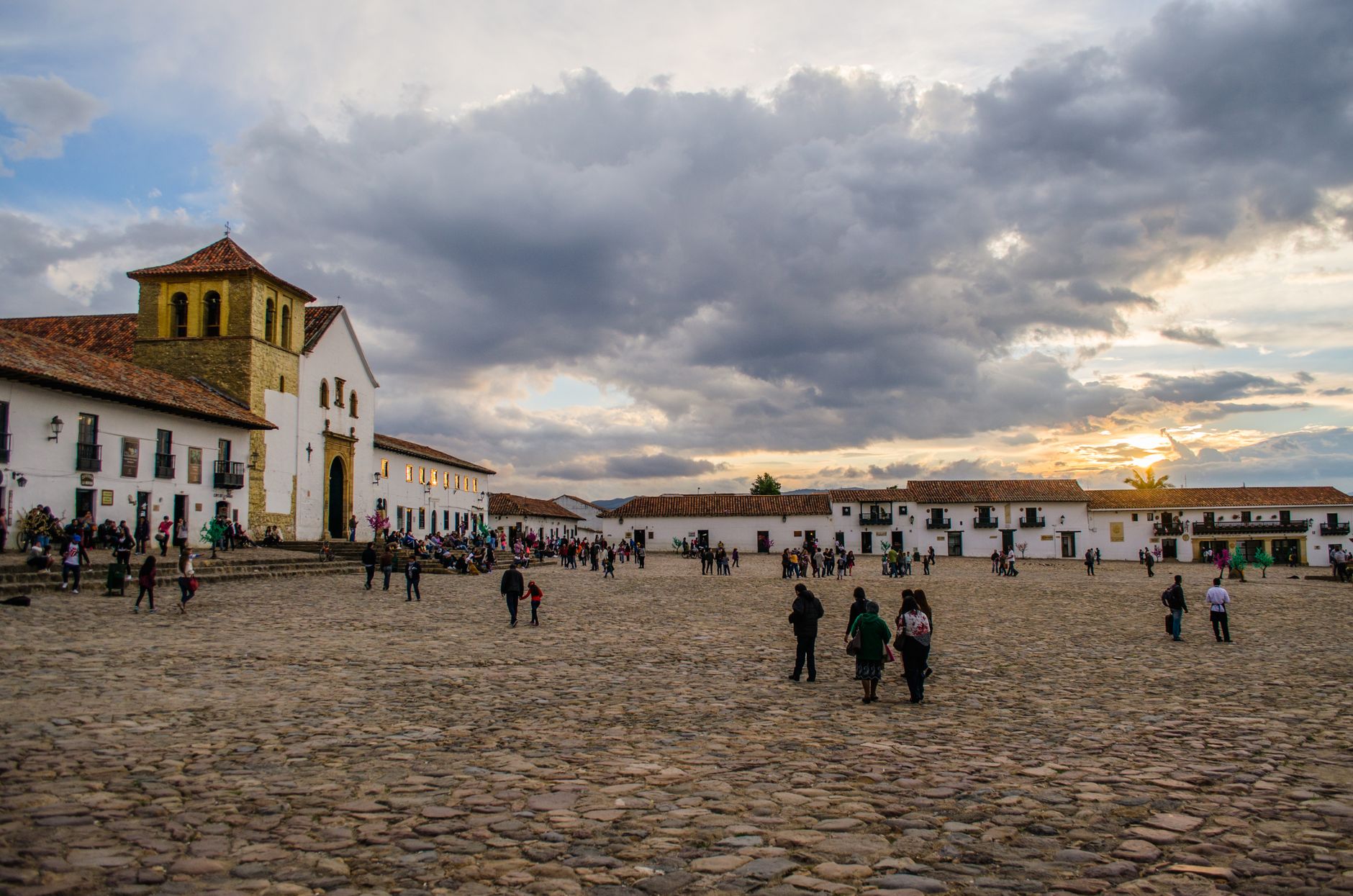
Pucallpa sits on the western bank of the Ucayali River — Peru's gateway into the deep Amazon — where the road from Lima finally gives out and the river takes over. Mototaxis outnumber cars three to one, and the air carries the particular density of a city that the jungle is always trying to reclaim.
The oxbow lake of Yarinacocha, eight kilometres northeast of the centre, is where the city exhales. Its dark waters — the name means 'black water' in Shipibo — reflect a skyline of canopy rather than concrete, and dugout canoes still move across it with the unhurried logic of a place that has never needed to rush.
💛 What travellers fall for
Regulars tend to skip the main plaza on arrival and head straight to Yarinacocha by mototaxi — roughly six soles from the suburbs. They also know that Pablo Amaringo's painting workshop, the Usko-Ayar school in the south of the city, is worth finding: the work there is unlike anything sold in Lima's tourist markets.
Deals in Pucallpa
Book directly at the provider

How Pucallpa came to be
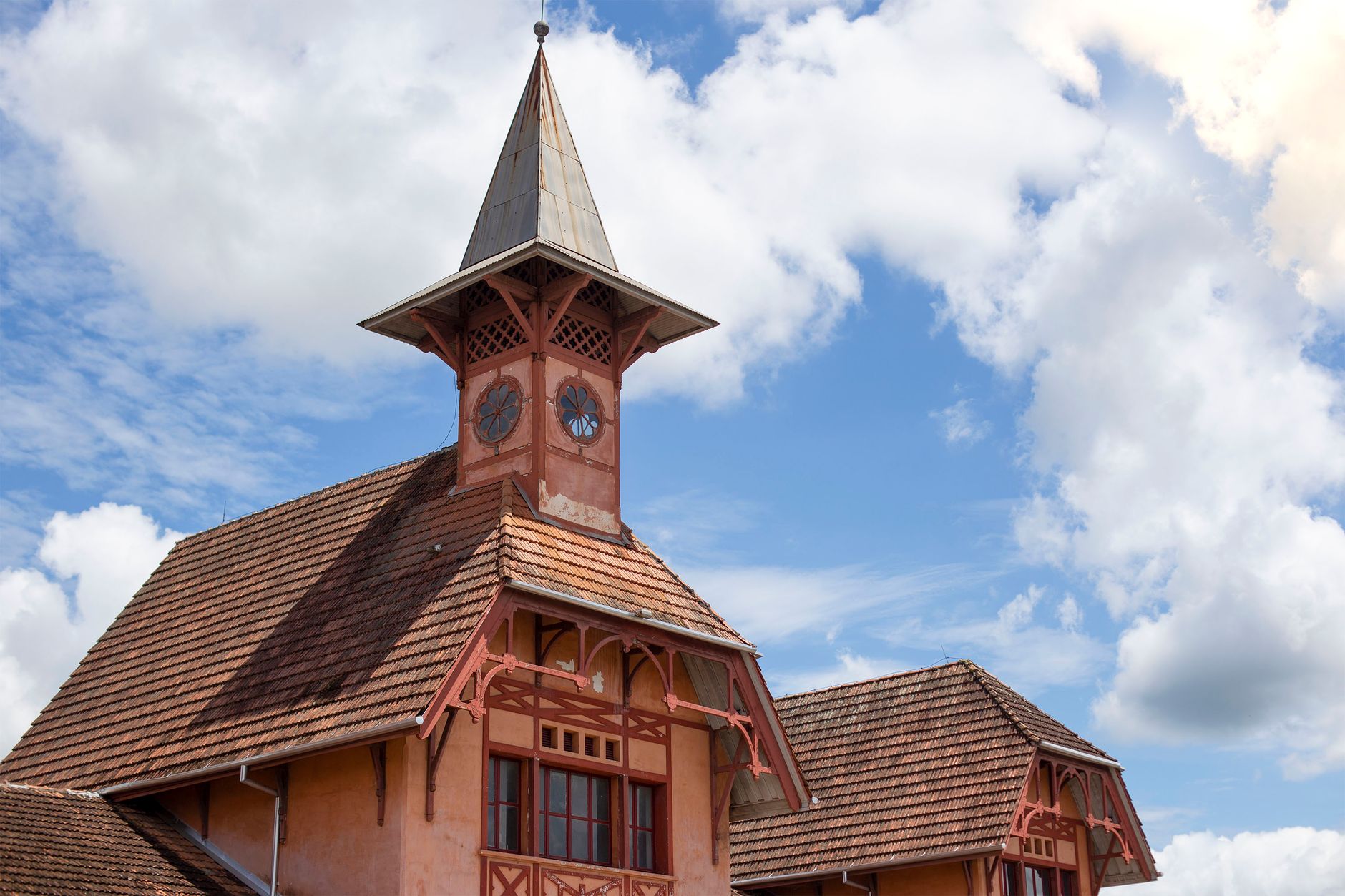
Franciscan missionaries first brought Shipibo-Conibo families to settle the area in the 1840s, but Pucallpa grew slowly, without a single founding moment. The date officially recognised is October 13, 1888, when a group of colonists led by Eduardo del Águila Tello put down roots; by 1901 the city had its first Municipal Council, which awarded the formal title of founders to two Brazilians, Antonio Maya de Brito and Agustín Cauper Videira.
For decades it remained cut off from the coast until 1945, when a highway through Tingo María finally connected it to Lima — a road that transformed Pucallpa from a river outpost into a regional hub. The city became capital of the newly created Department of Ucayali on June 18, 1980, and by 2017 its population had reached 341,465, making it Peru's tenth most populated city.
Who and what shaped it
People who shaped it
Landmark buildings
See Pucallpa in motion
Plan your visit
On the map
When to go
Pucallpa is hot year-round, averaging 31–33°C. The wet season runs October to April, with January through March bringing rain on more than twenty days a month; June to August is drier, with eight to twelve rainy days and marginally cooler nights — the most comfortable time to be outdoors or on the water.
Right now
Background & history adapted from Wikipedia (CC BY-SA) · specs from Wikidata (CC0) · weather from Open-Meteo · map data © OpenStreetMap contributors · photos from Wikimedia Commons / Unsplash with per-image credit. No third-party reviews or social posts reproduced.