
Praiano
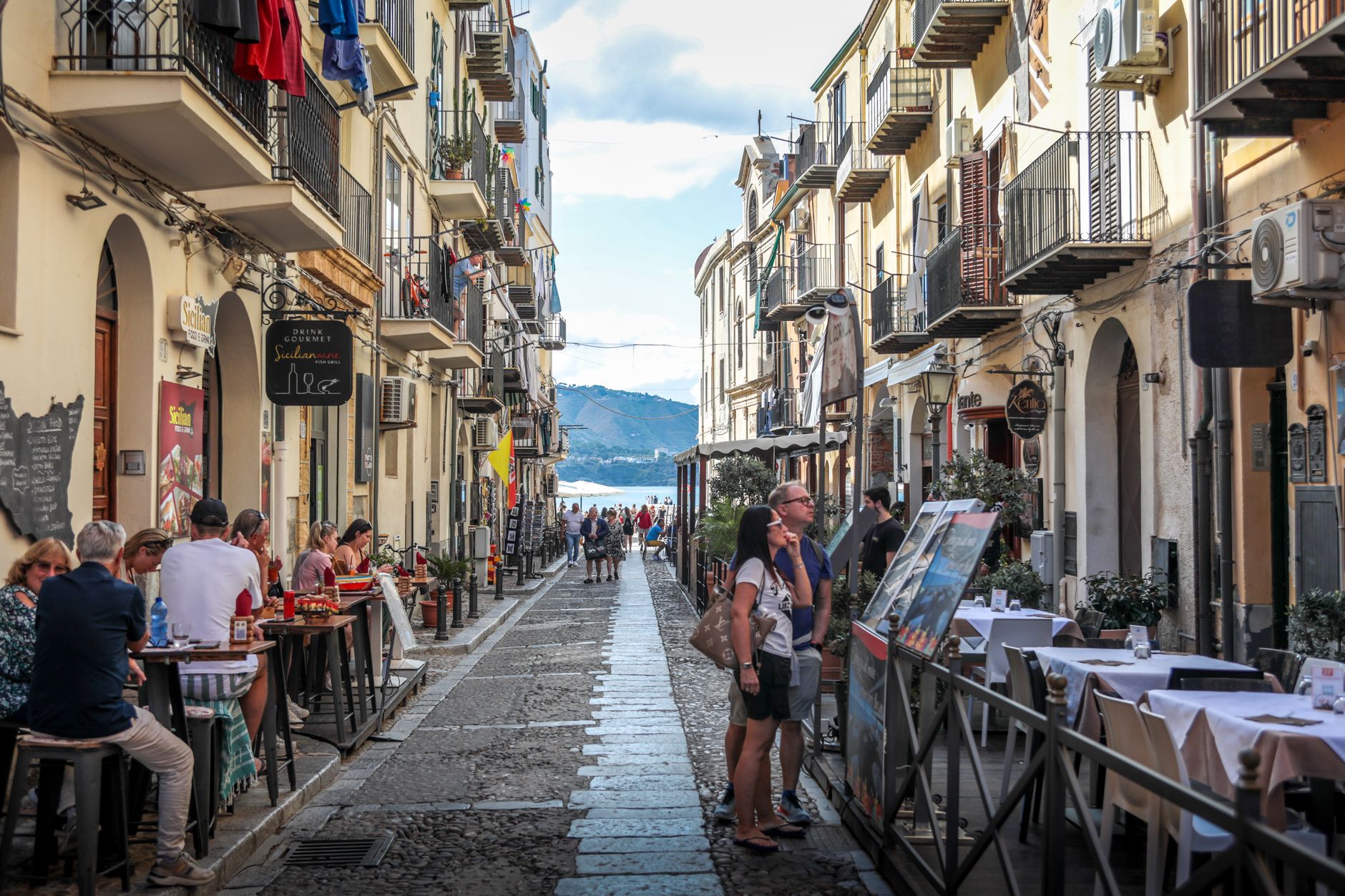
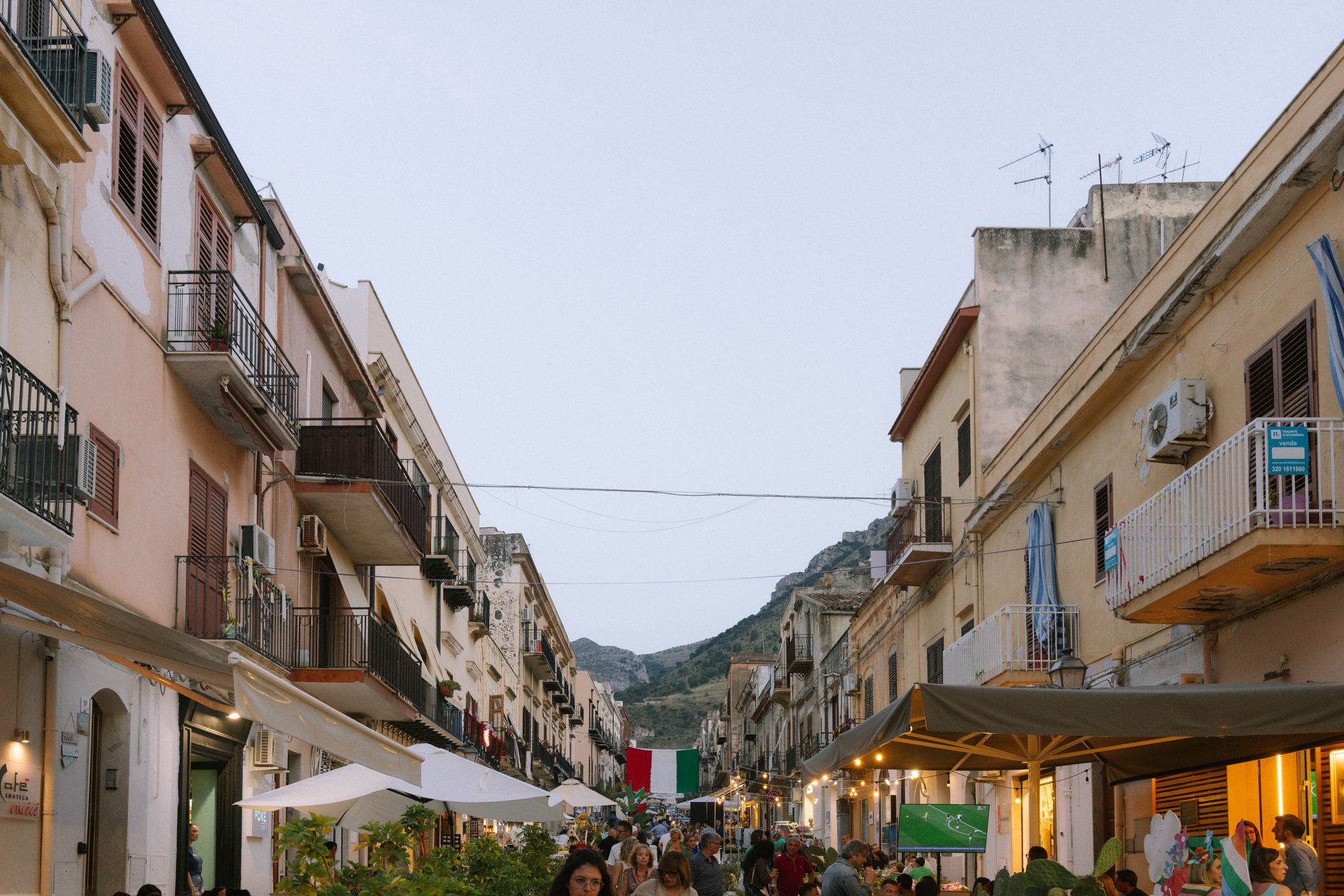
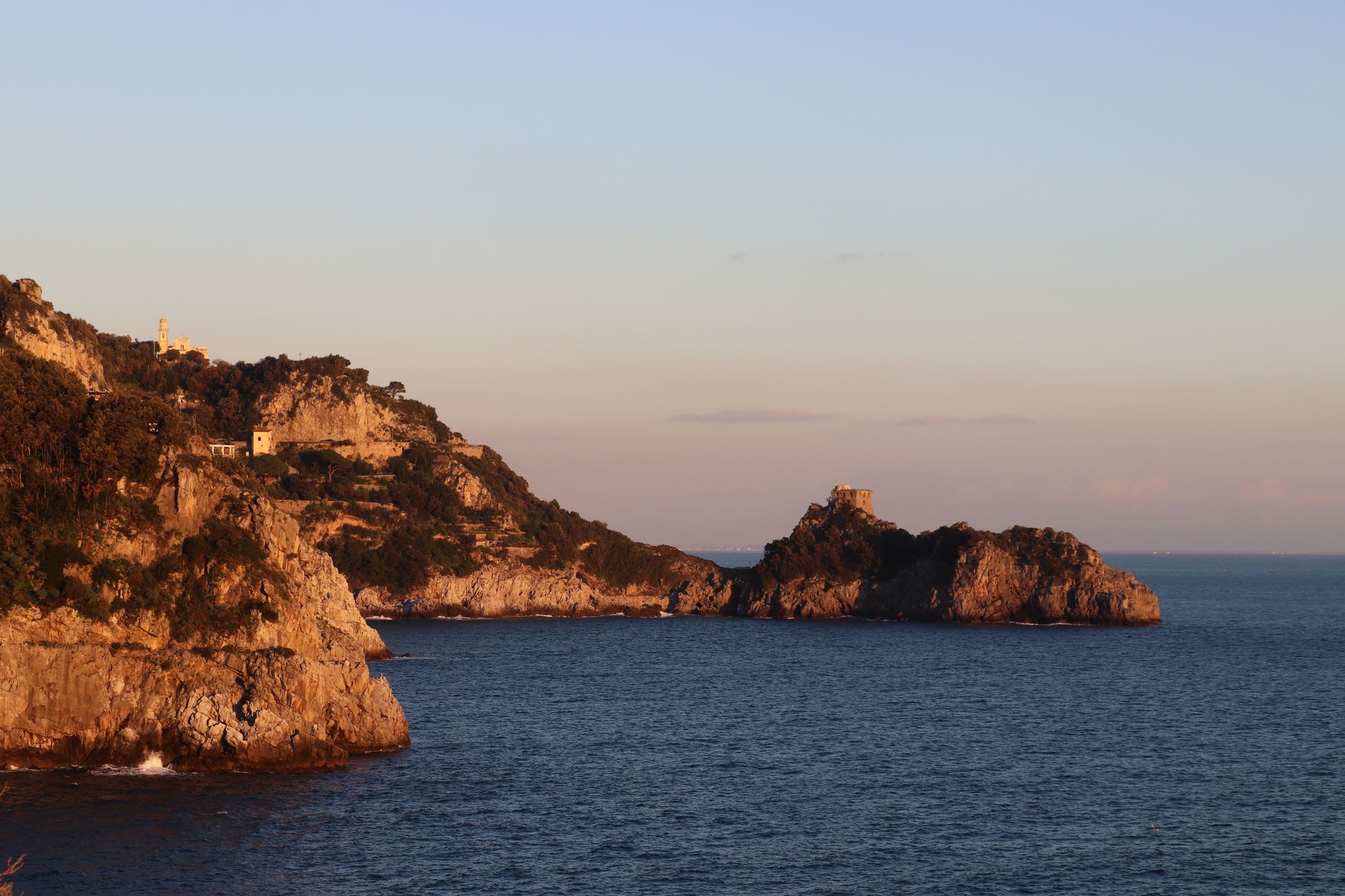
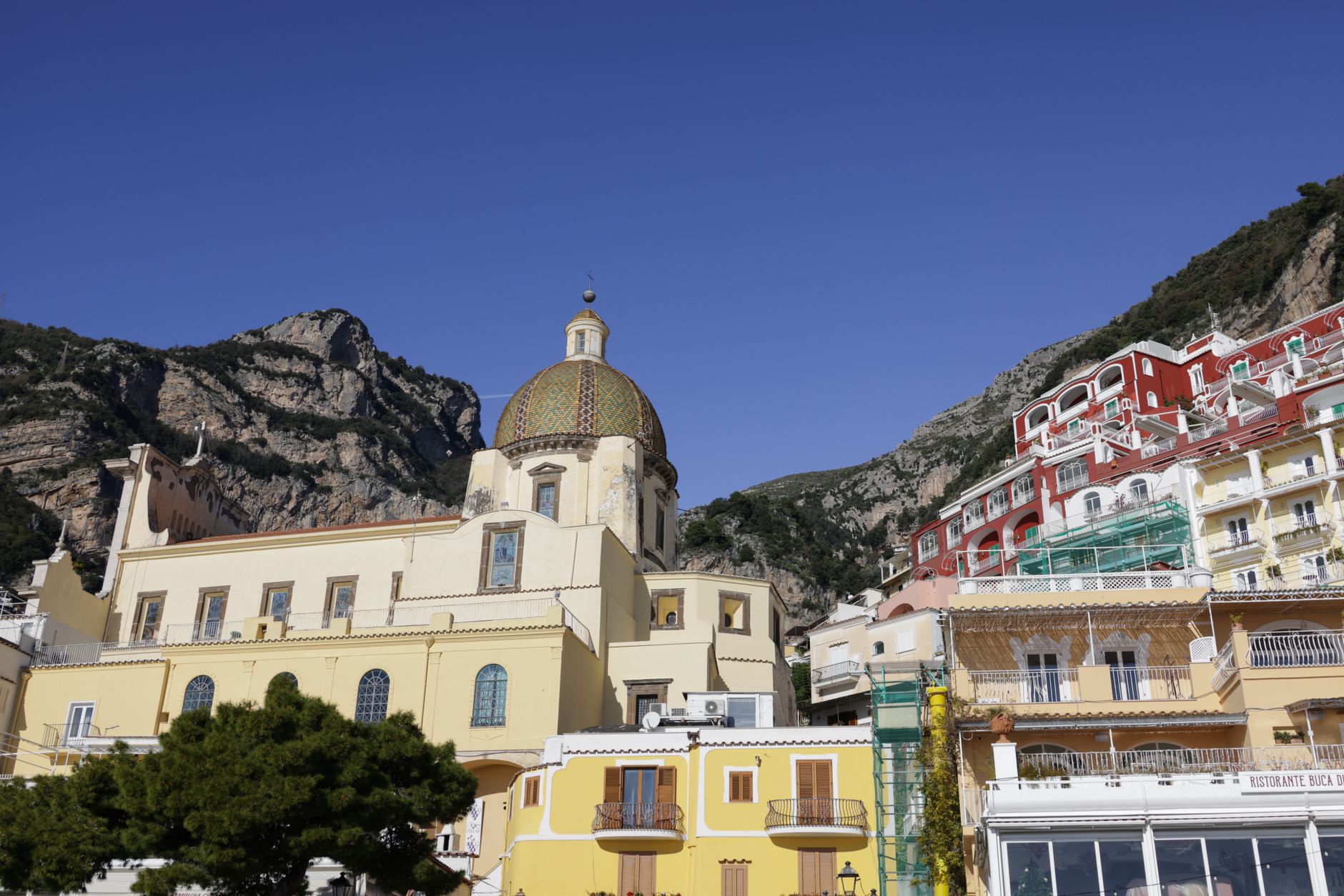
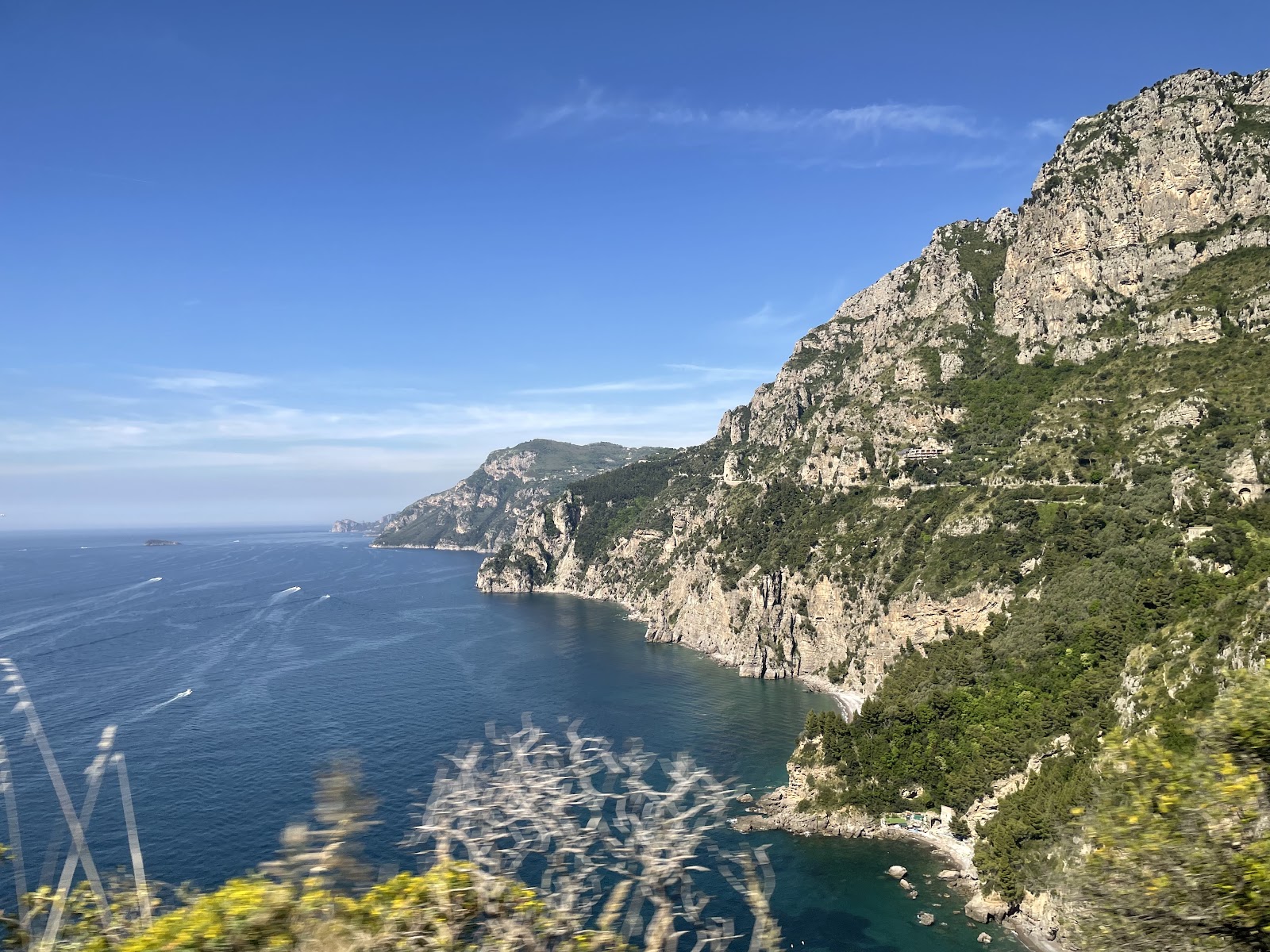
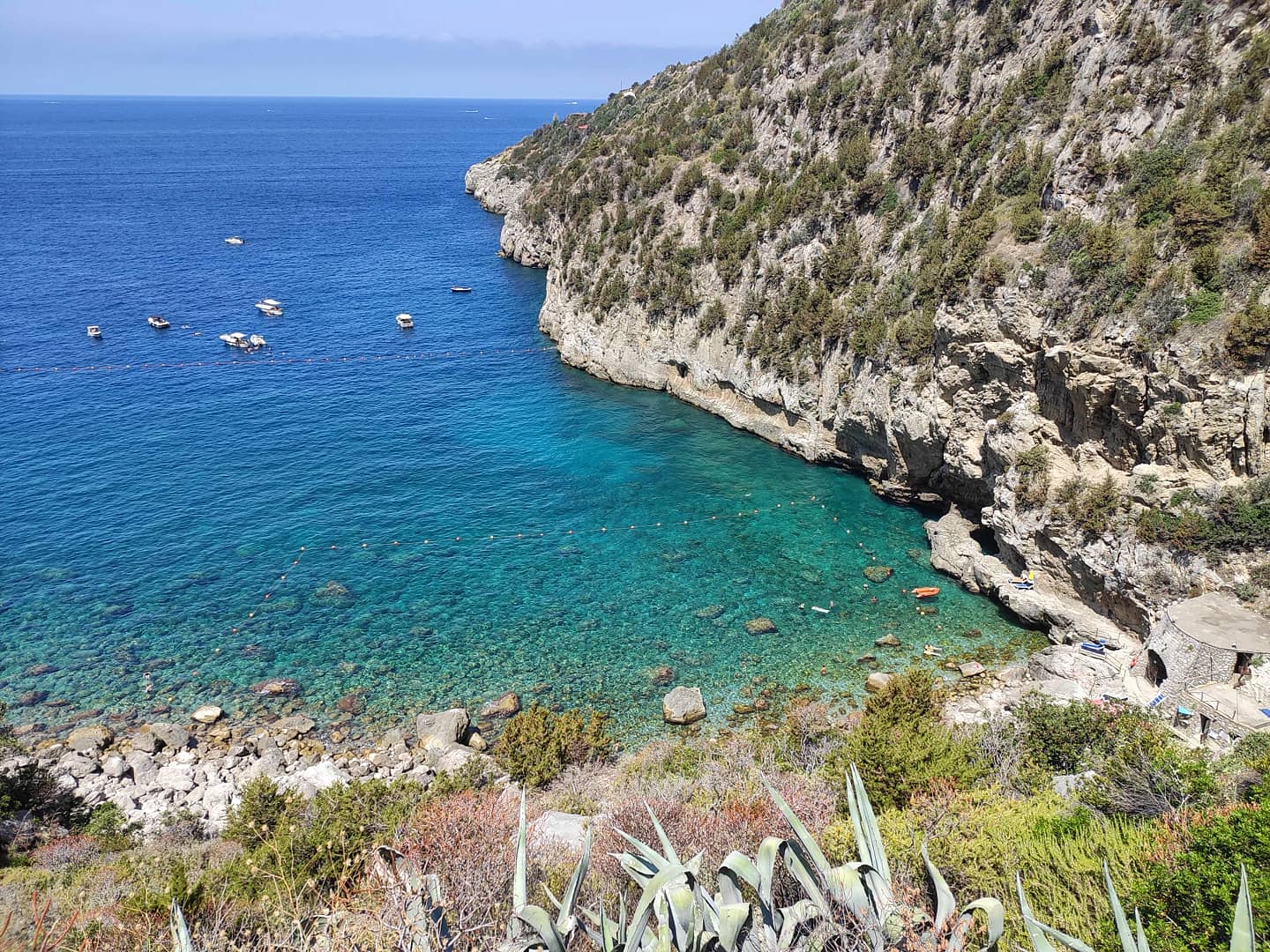
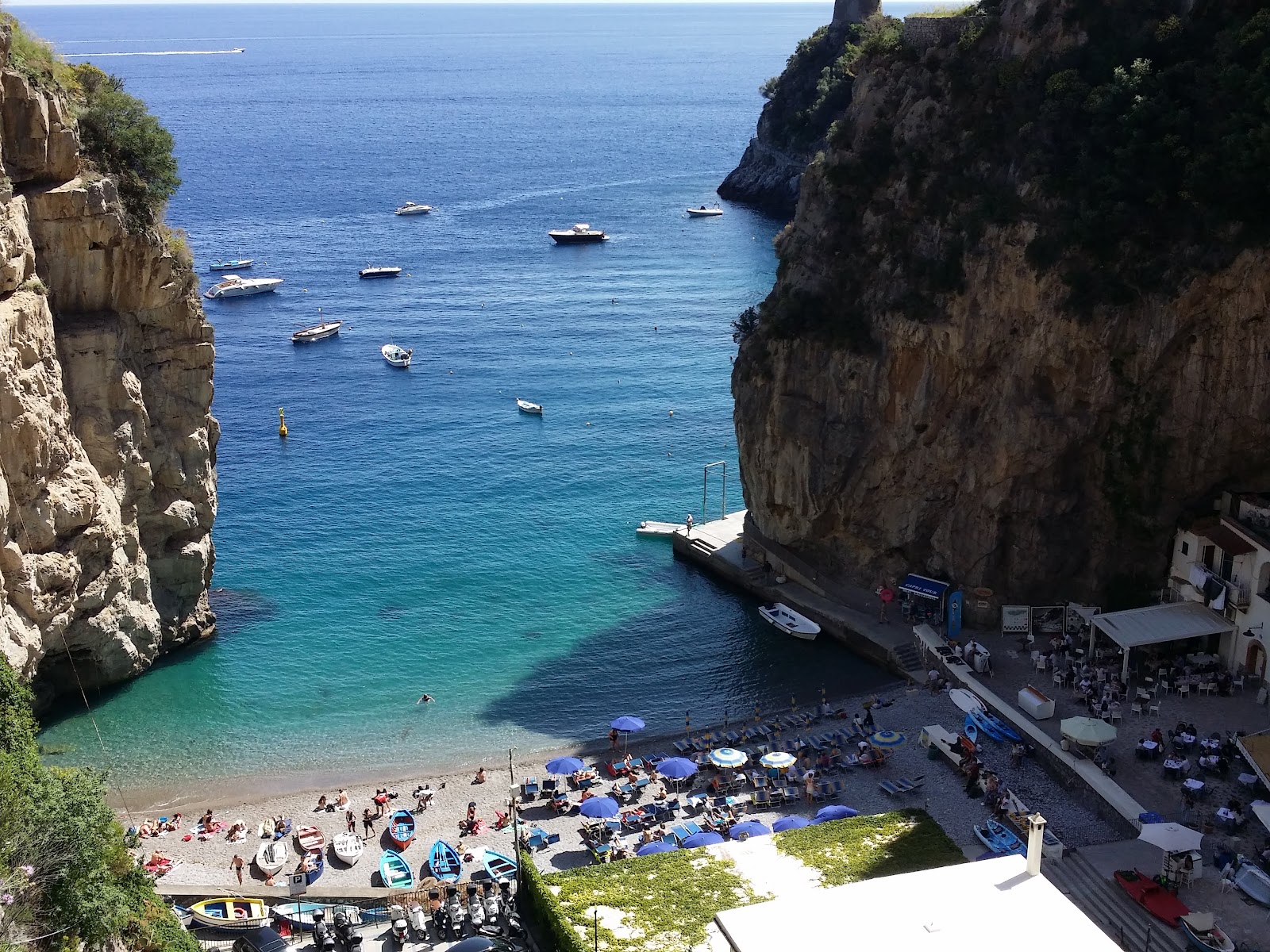
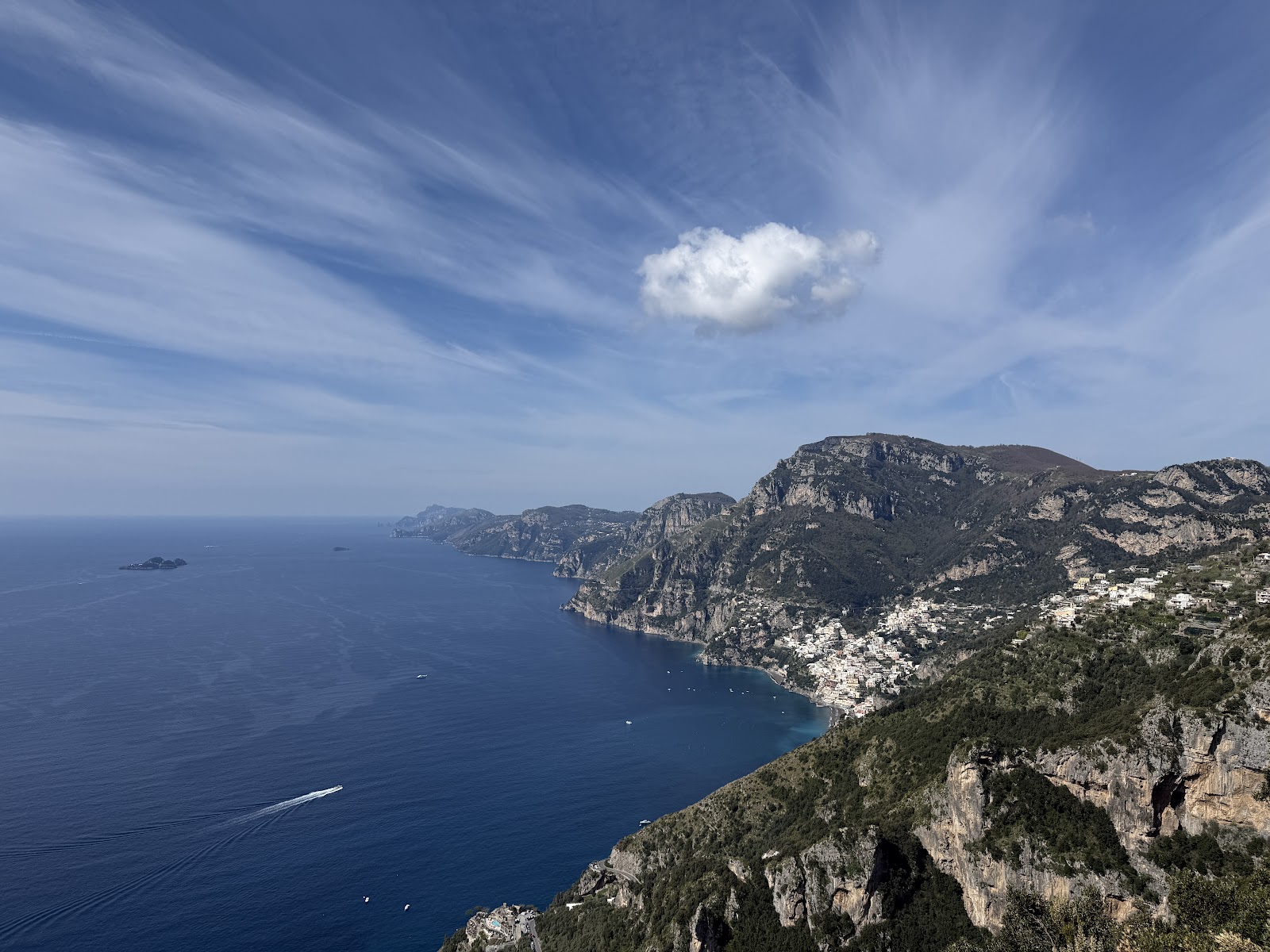
Praiano sits roughly halfway between Positano and Amalfi — close enough to both that most visitors pass straight through on the coast road, which means the town largely keeps to itself. The cliffs here drop sheer to the sea, and the small beach at Marina di Praia is hemmed in by erosion-scarred rock at the mouth of a narrow valley. Up above, the two frazioni of Vettica Maggiore and Praiano proper stack themselves against Monte Sant'Angelo a Tre Pizzi, their churches capped in the glazed majolica tiles that catch the afternoon light from some distance off.
The name traces back to the Latin pelagium — open sea — and the place has always oriented itself outward: first as the summer address of the doges of Amalfi, then through silk and coral and fishing. Tourism arrived last, and here it still feels like the most recent addition rather than the whole point.
💛 What travellers fall for
People who come back tend to mention the same few things: the majolica floor inside San Luca Evangelista — birds and flowers circling Saint Luke in tile laid in 1789 — and the walk up to Santa Maria a Castro at 364 metres, where a 15th-century fresco waits in a church most day-trippers never locate. The SITA bus stops are numbered, which helps once you learn which number goes which direction.
Experiences you don't want to miss



Deals in Praiano
Book directly at the provider
How Praiano came to be
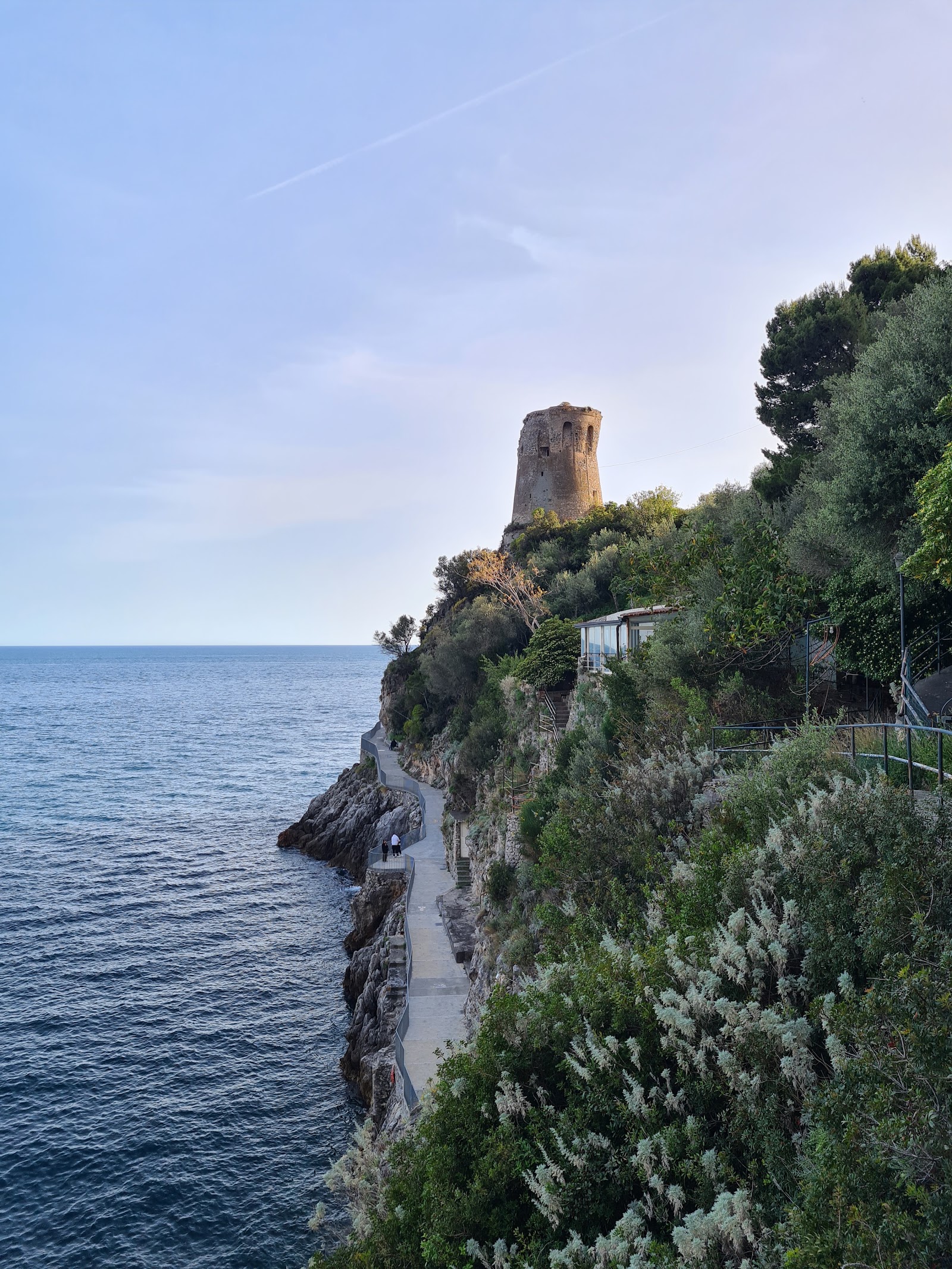
Praiano's earliest recorded prominence came in the 10th and 11th centuries, when the doges of the Duchy of Amalfi used it as a summer residence — a quieter retreat just along the cliff from their seat of power. Through the medieval period the town consolidated around its two settlements, and the Angevin rulers later added the fortified tower known as Assiola as coastal defence. By 1500, a Torre a Mare and a dockyard called Scarricaturo had been built, marking the town's serious entry into maritime trade.
For centuries Praiano ran on silk; the industry vanished in the 19th century, and it was coral — discovered in local waters around the same period — that kept the economy turning until fishing and, eventually, tourism took over. In 1997, the frazione of Vettica Maggiore was included in the UNESCO World Heritage inscription of the Amalfi Coast.
Who and what shaped it
People who shaped it
Landmark buildings
See Praiano in motion
Plan your visit
On the map
When to go
May through October is the practical window, with daytime temperatures climbing from around 20°C in spring to a peak of 28°C in August when the sea reaches 26°C. November brings the heaviest rain — nearly 200mm across the month — and January days can drop to 9°C, though the coast stays mild by northern standards even in winter.
Right now
↡ Attractions


Background & history adapted from Wikipedia (CC BY-SA) · specs from Wikidata (CC0) · weather from Open-Meteo · map data © OpenStreetMap contributors · photos from Wikimedia Commons / Unsplash with per-image credit. No third-party reviews or social posts reproduced.