
Positano
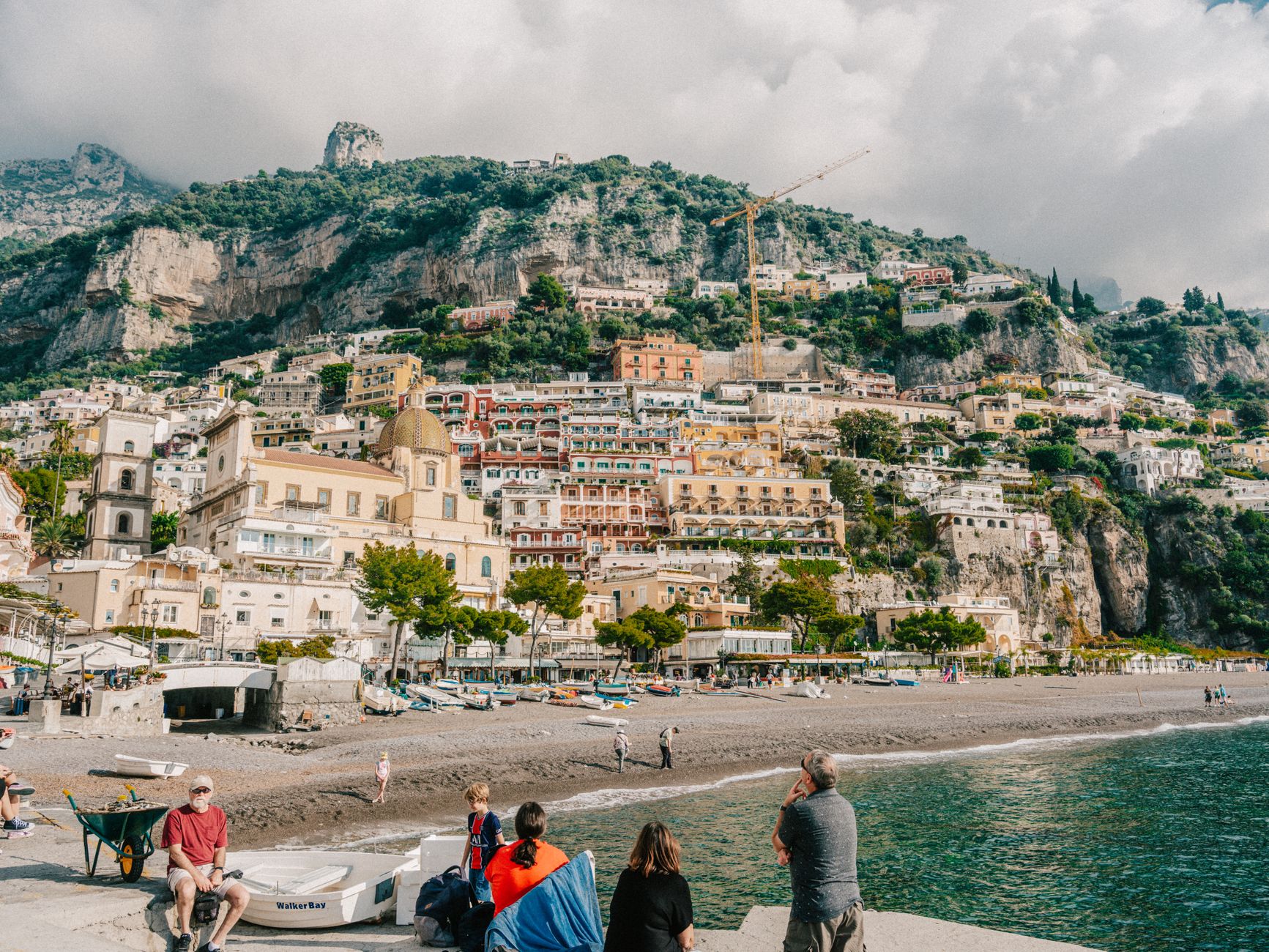
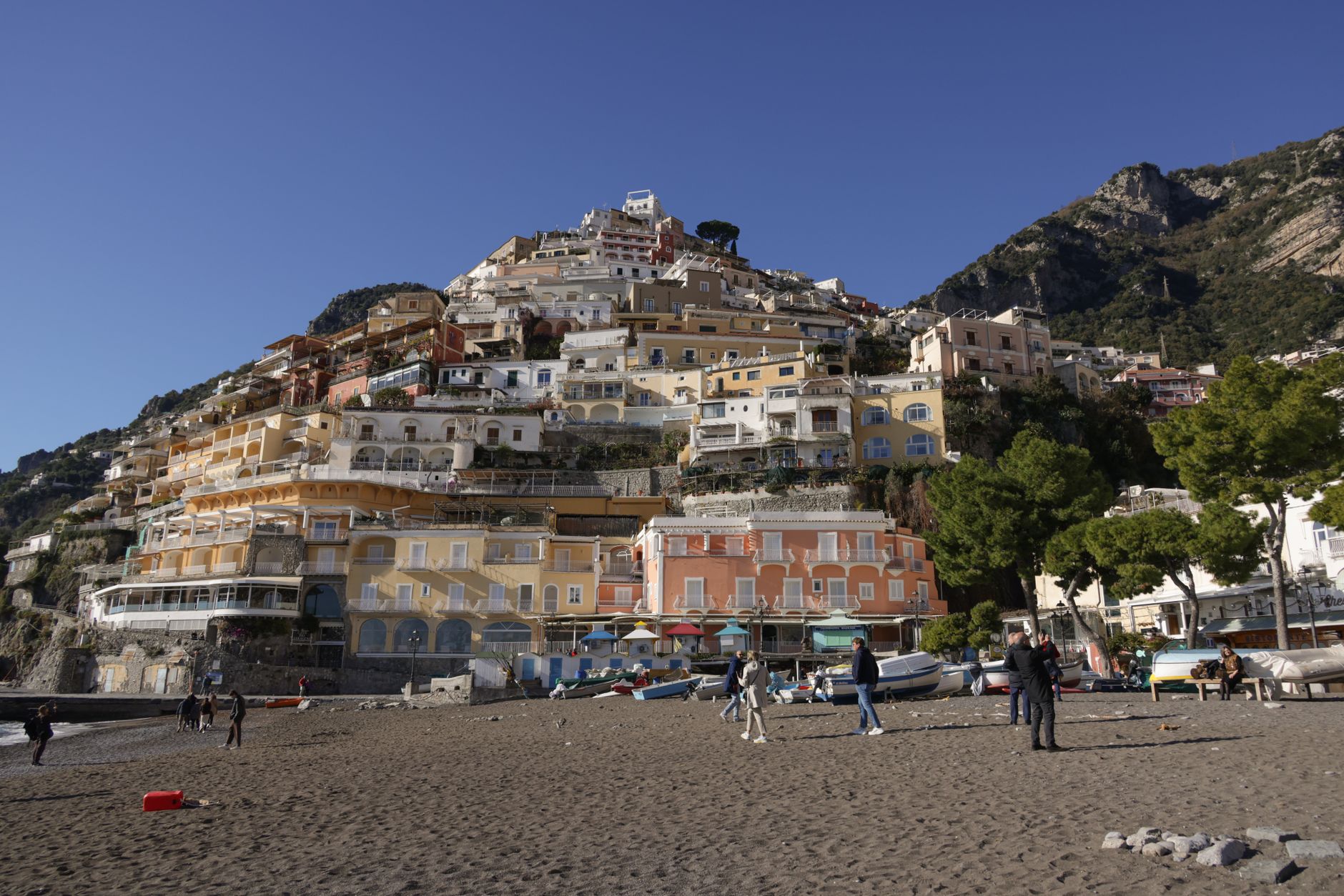
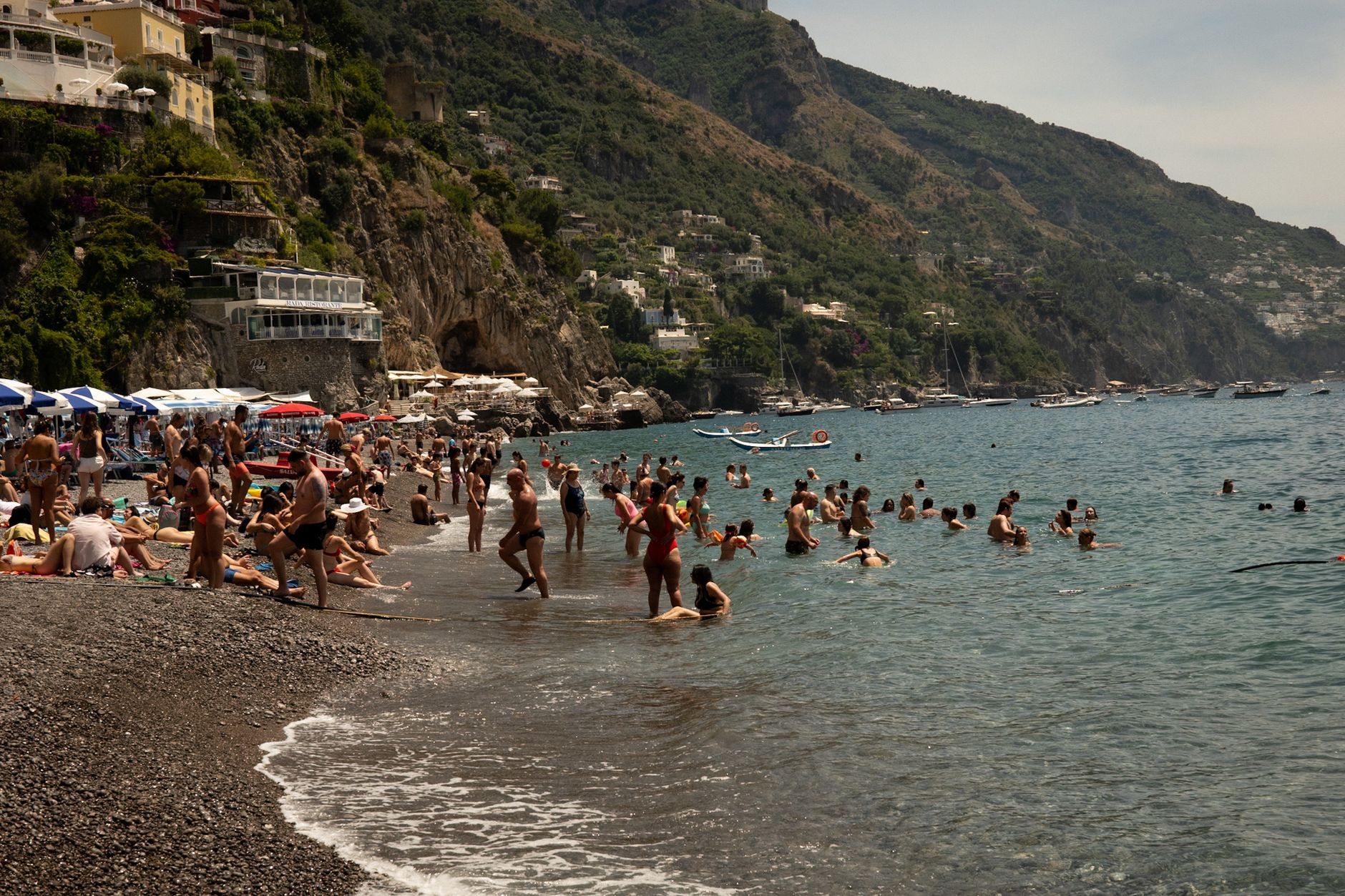
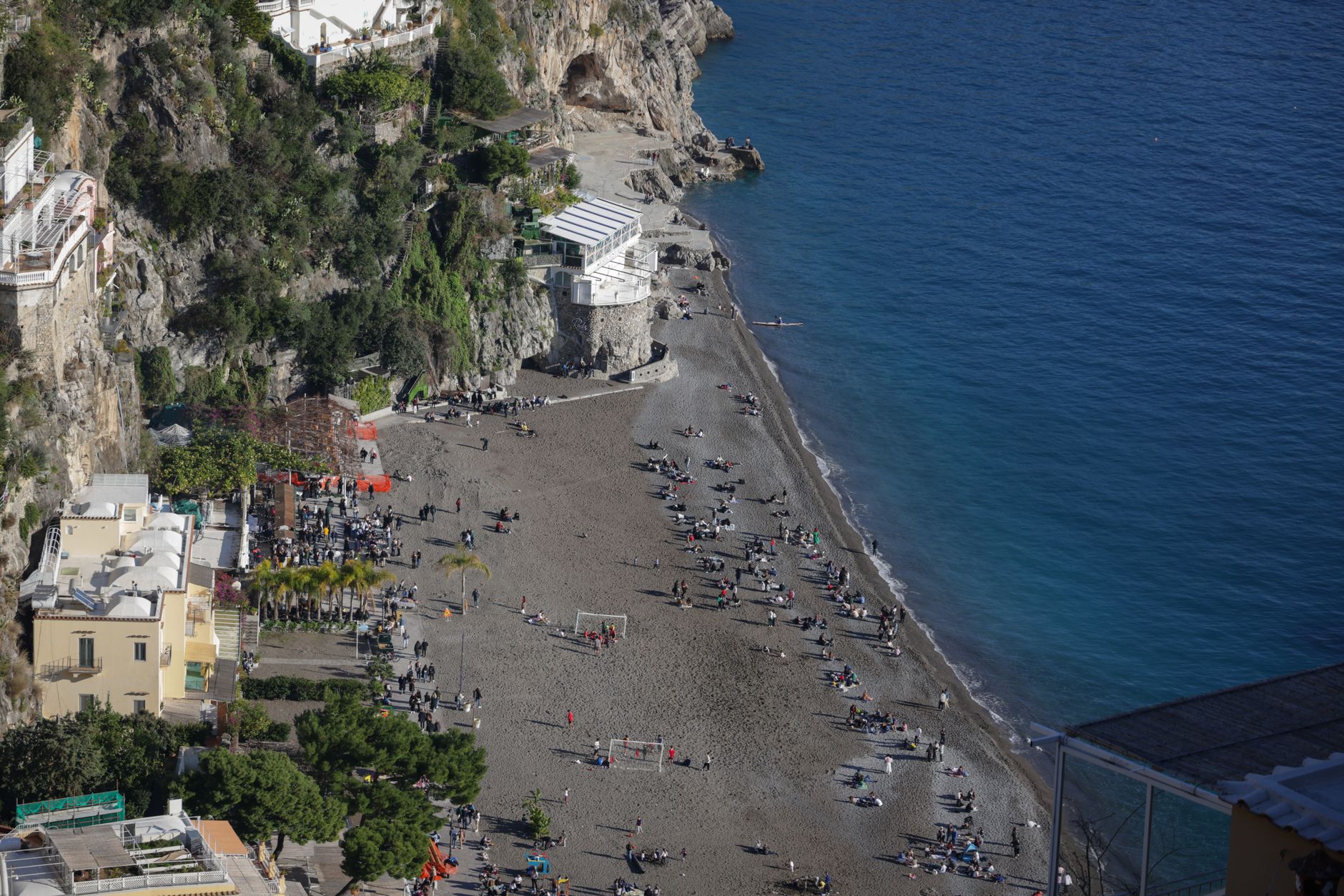
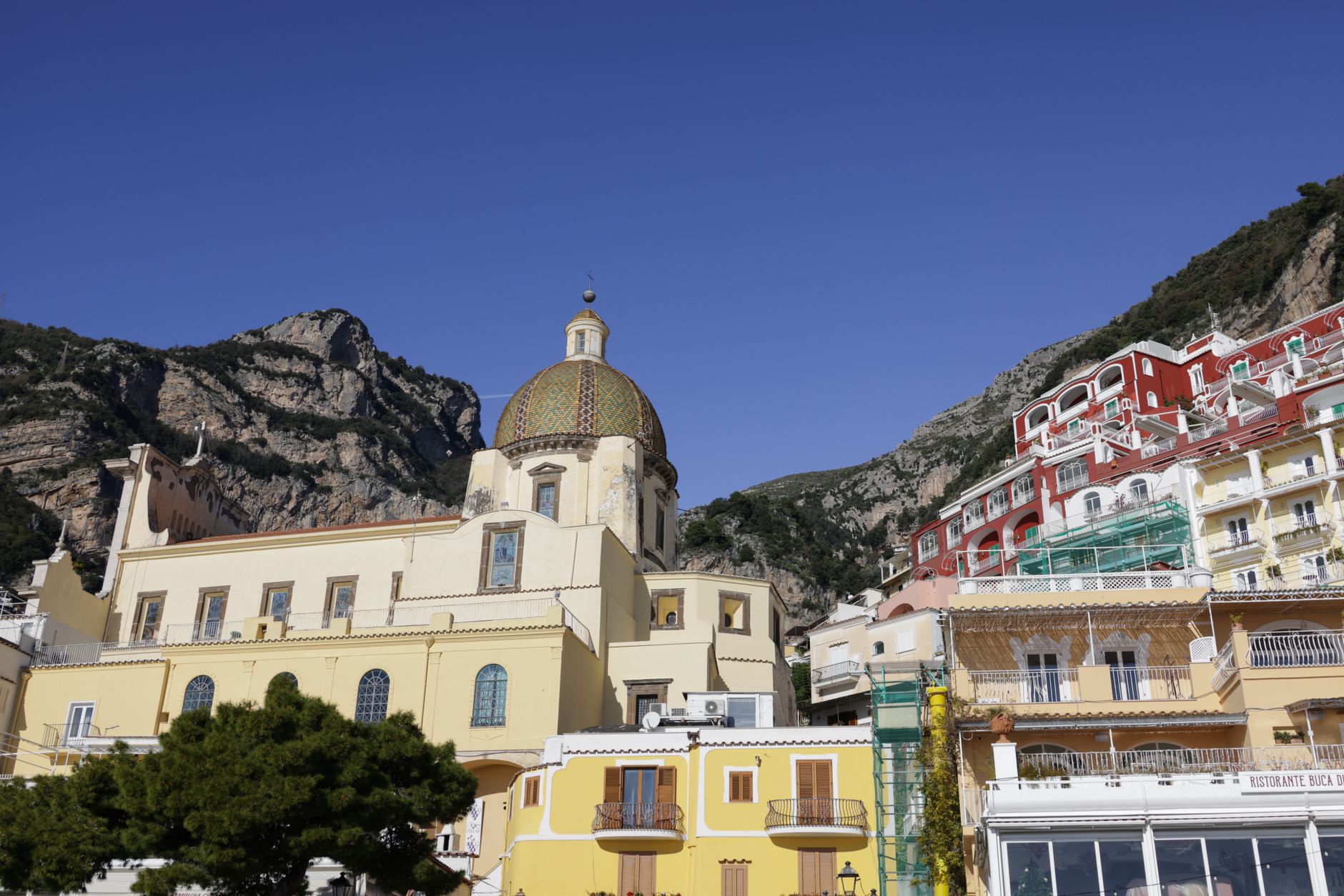
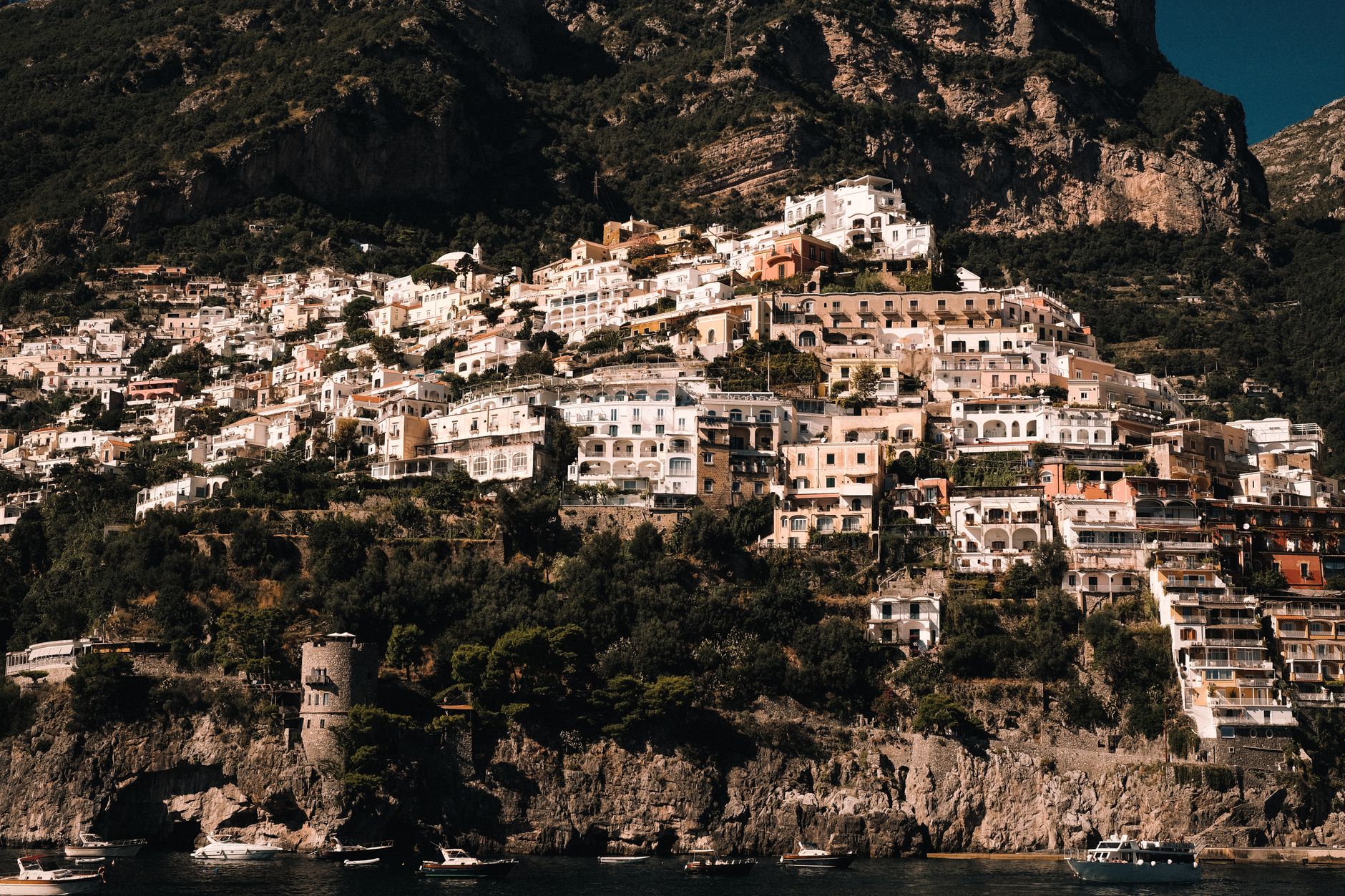
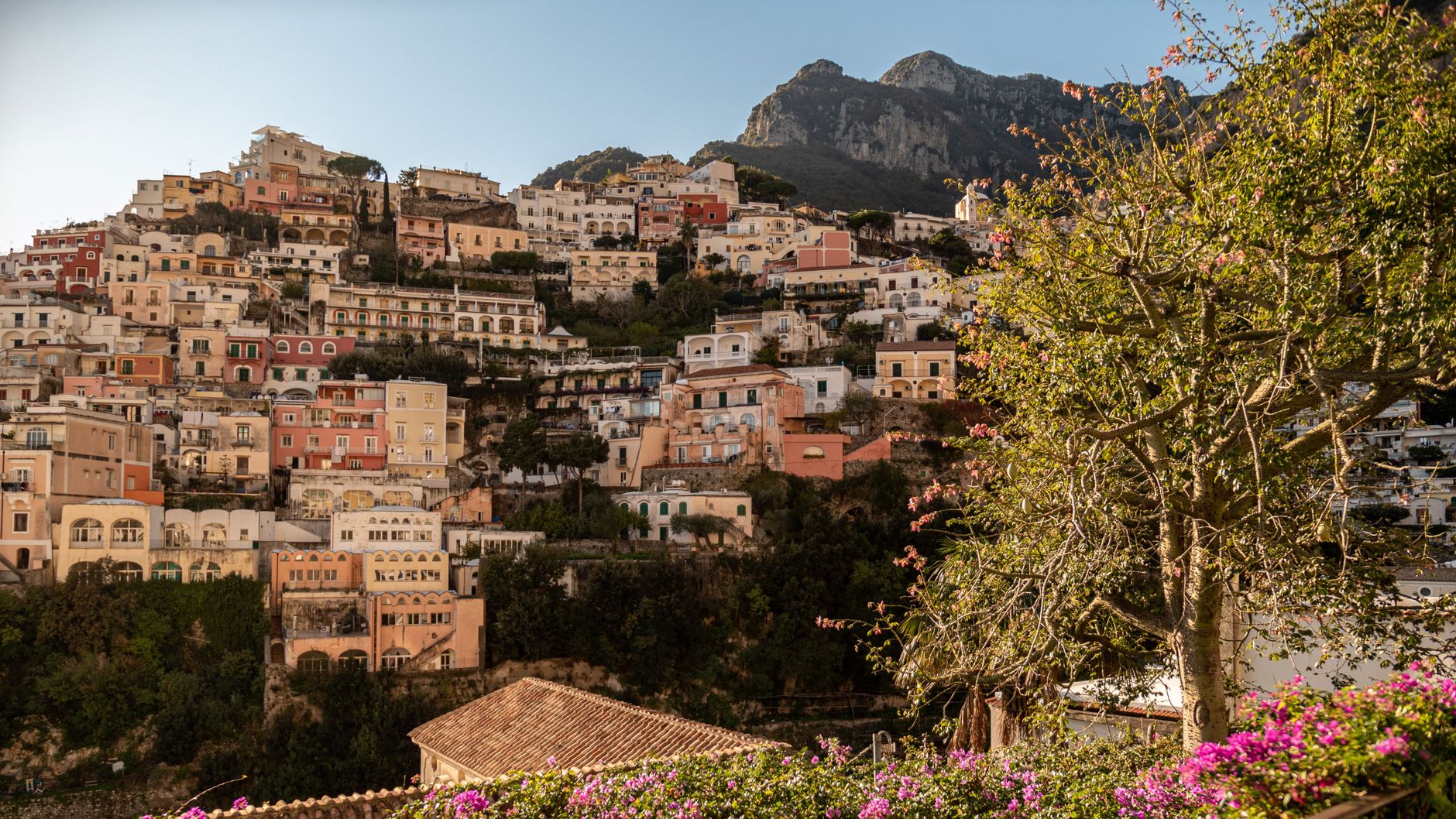
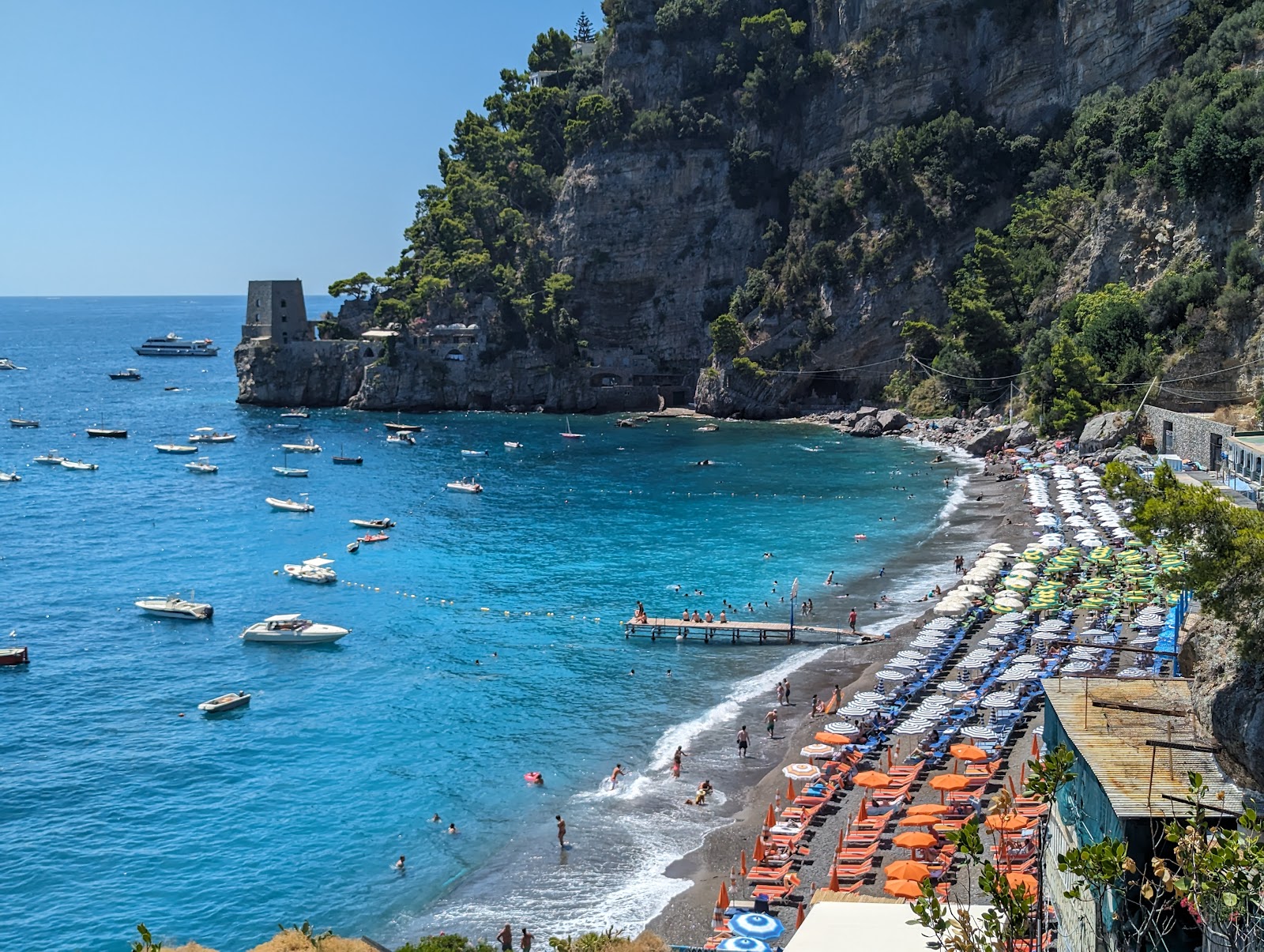
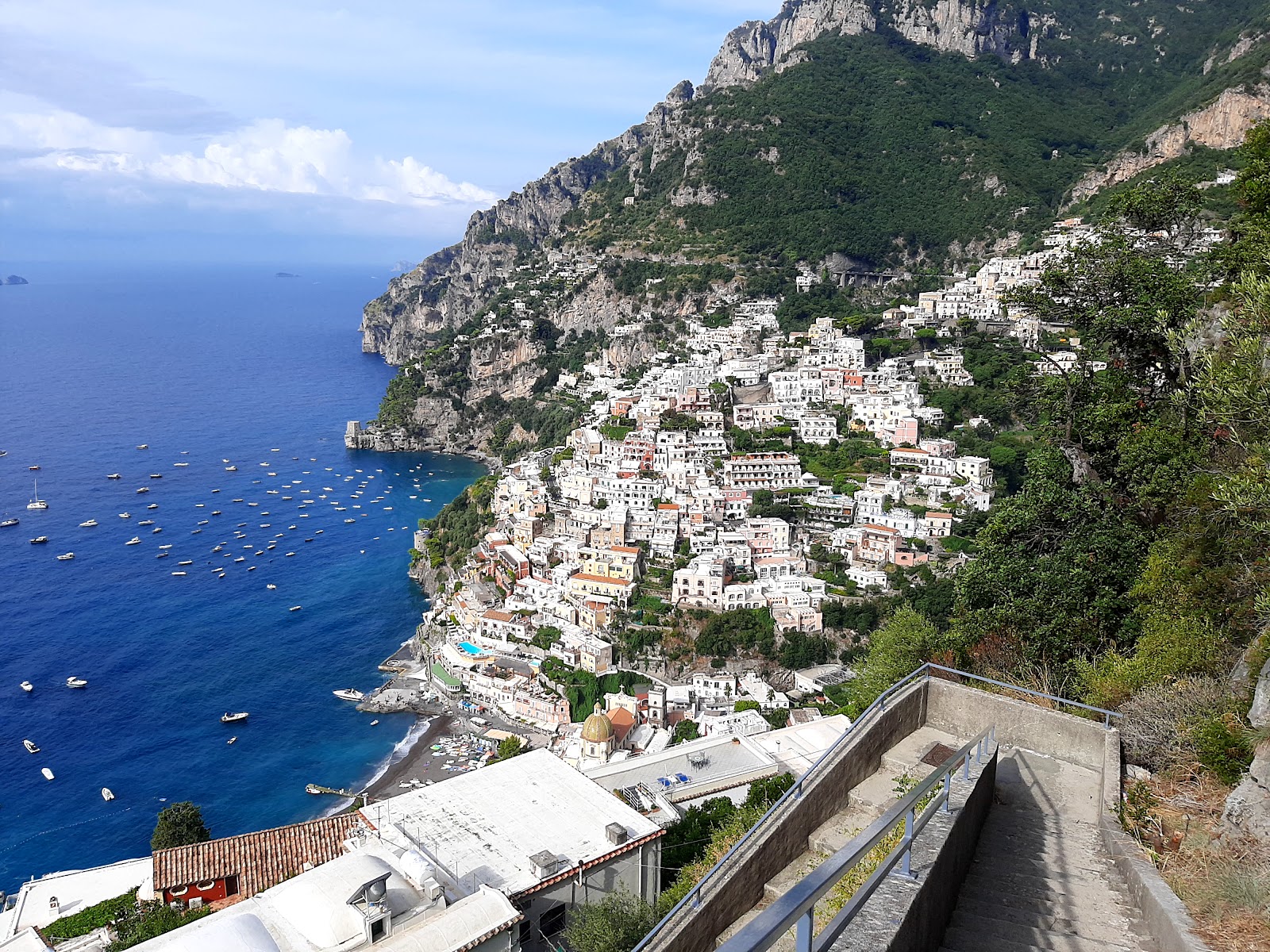
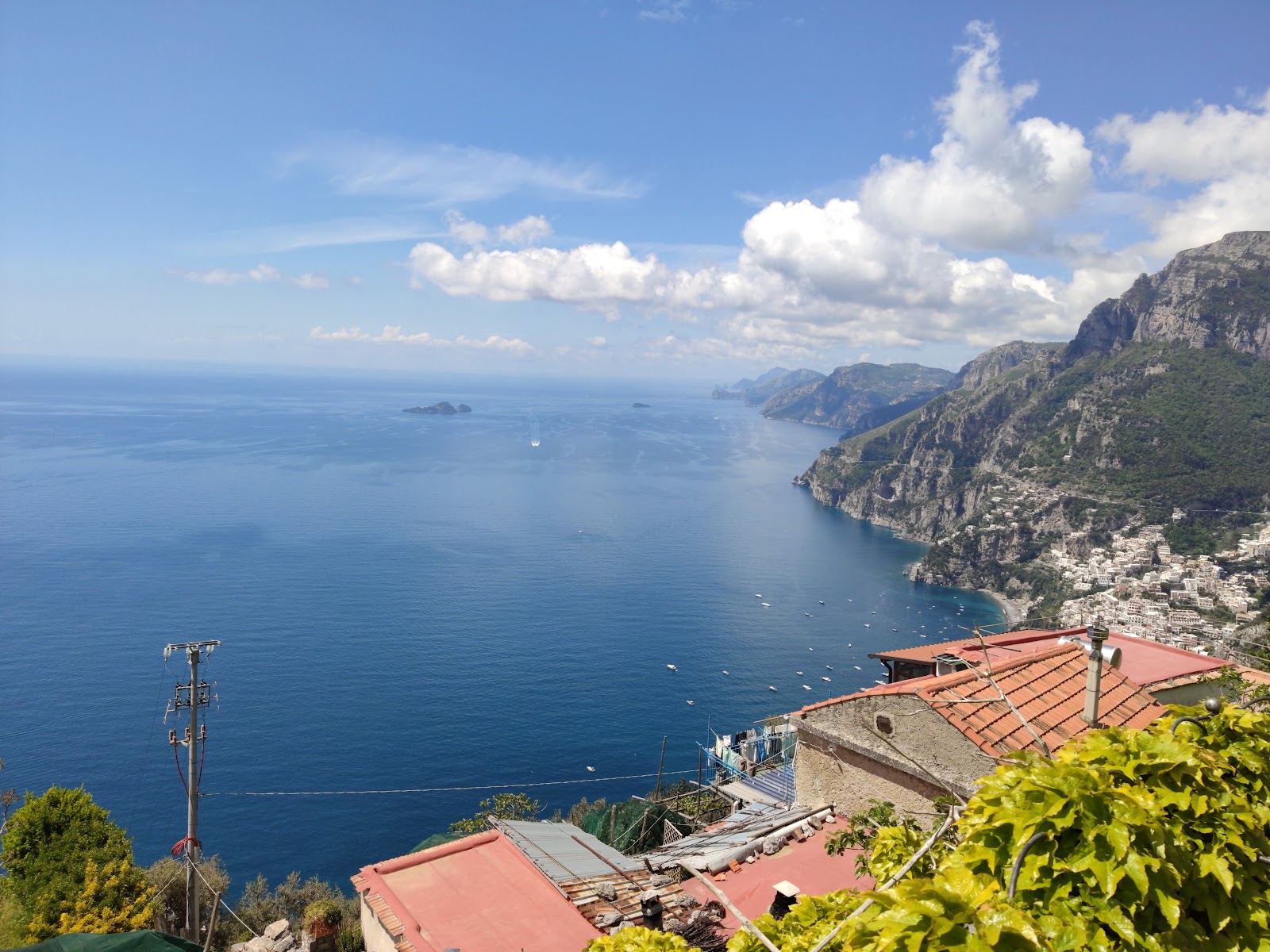
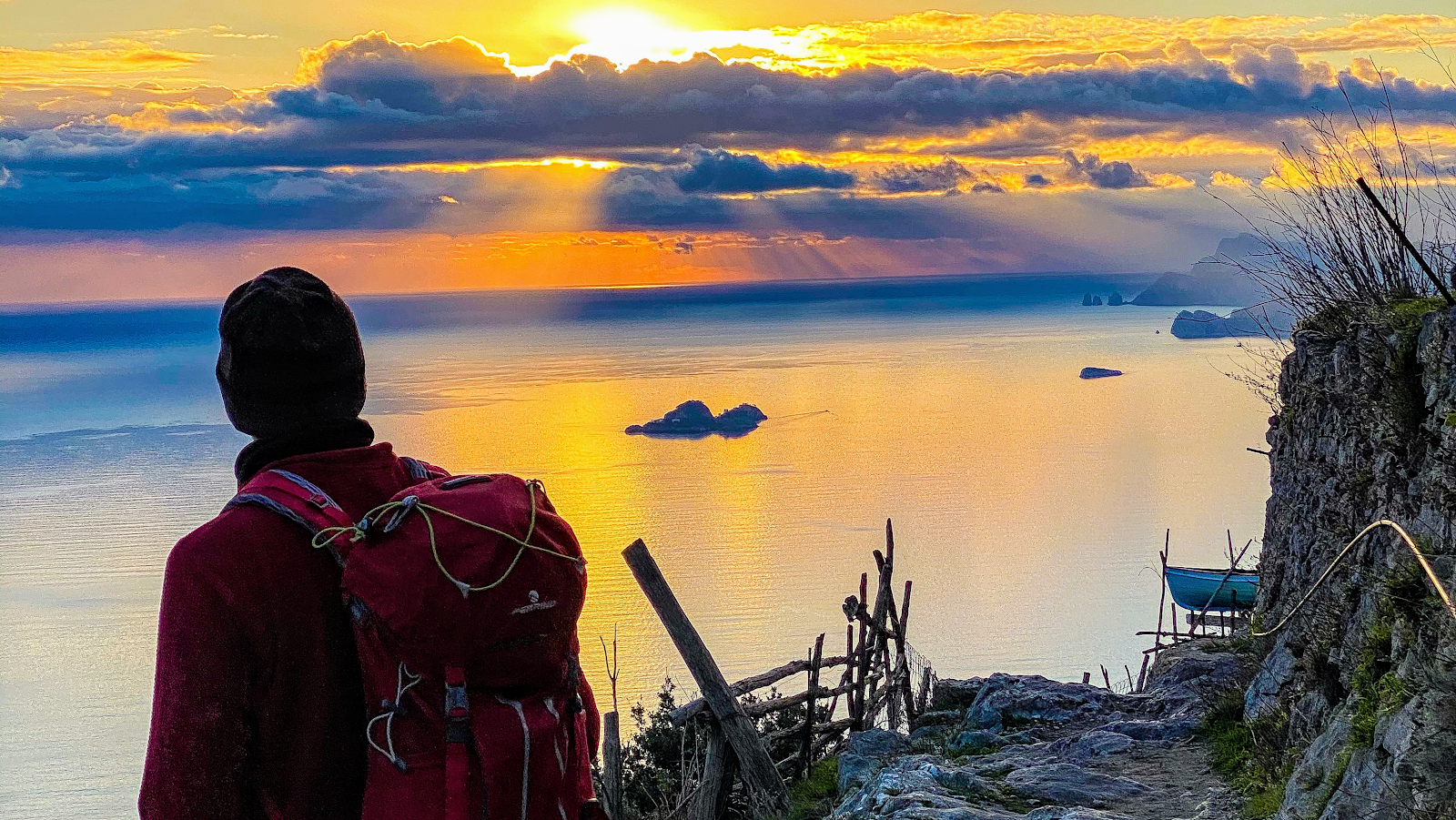
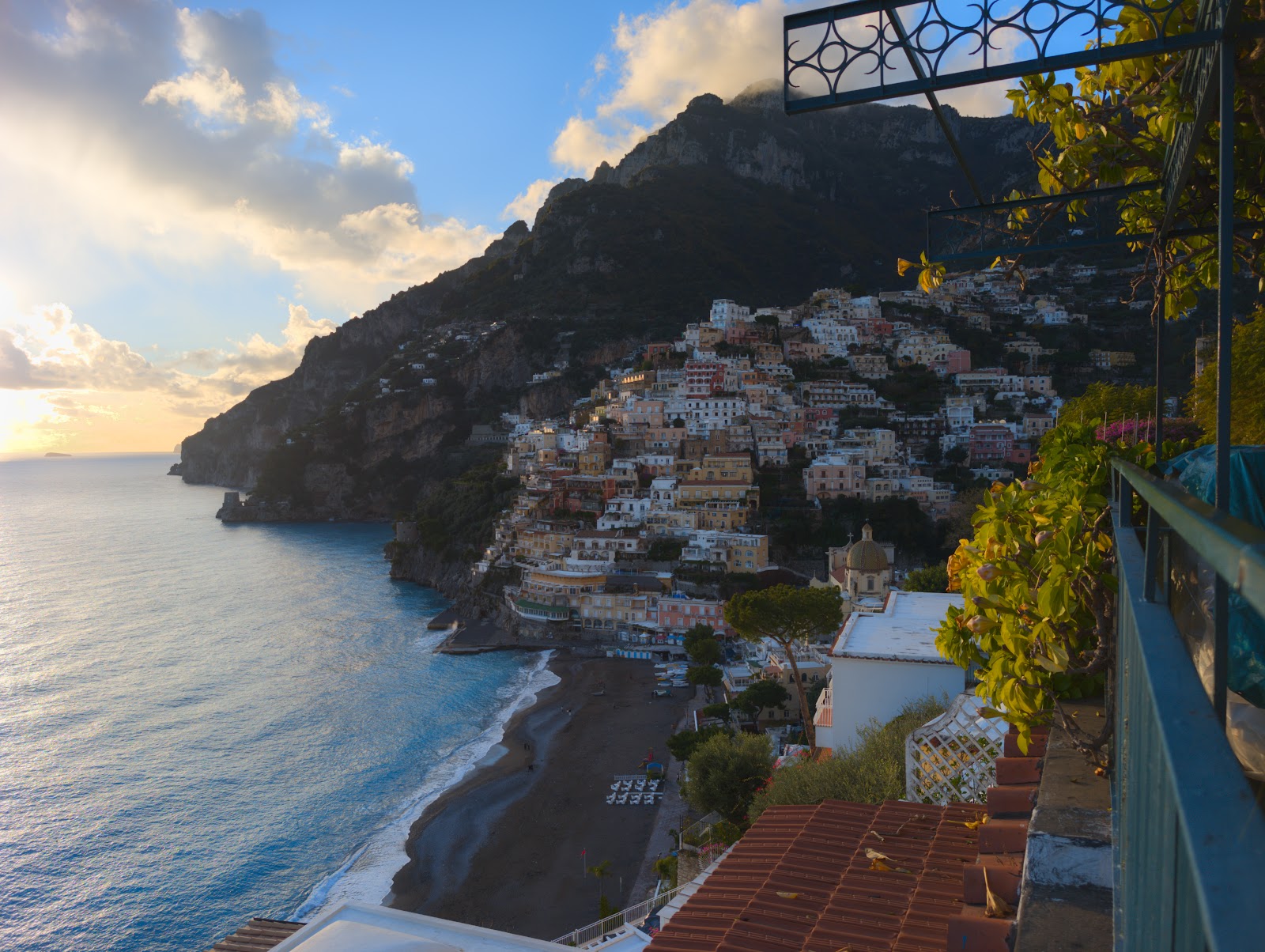
The first thing you notice about Positano is that it doesn't lie flat. The town stacks itself up a near-vertical cliff face above the Tyrrhenian Sea, its pastel houses climbing in tiers until they run out of mountain. The main beach, Spiaggia Grande, is dark grey pebble — almost black in certain light — which gives the whole scene a quality you don't expect: dramatic rather than pretty.
This is a small town that has been many things: a Roman port buried by Vesuvius, a medieval fortified settlement, a pirate-plagued fishing village that hemorrhaged half its population to New York City in the 1800s. The artists arrived in the early 1950s, John Steinbeck among them, and the place has never quite returned to ordinary life since.
💛 What travellers fall for
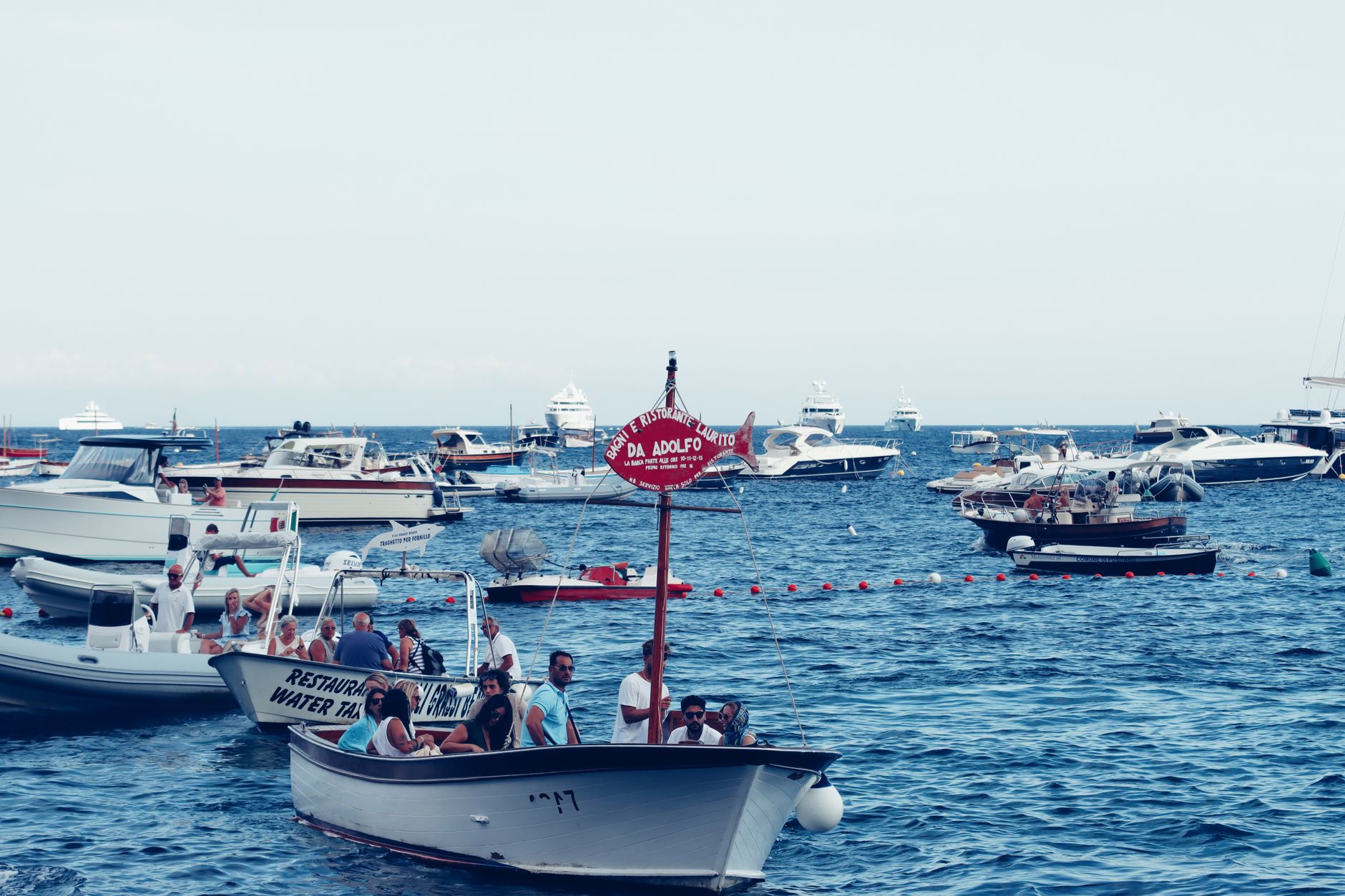
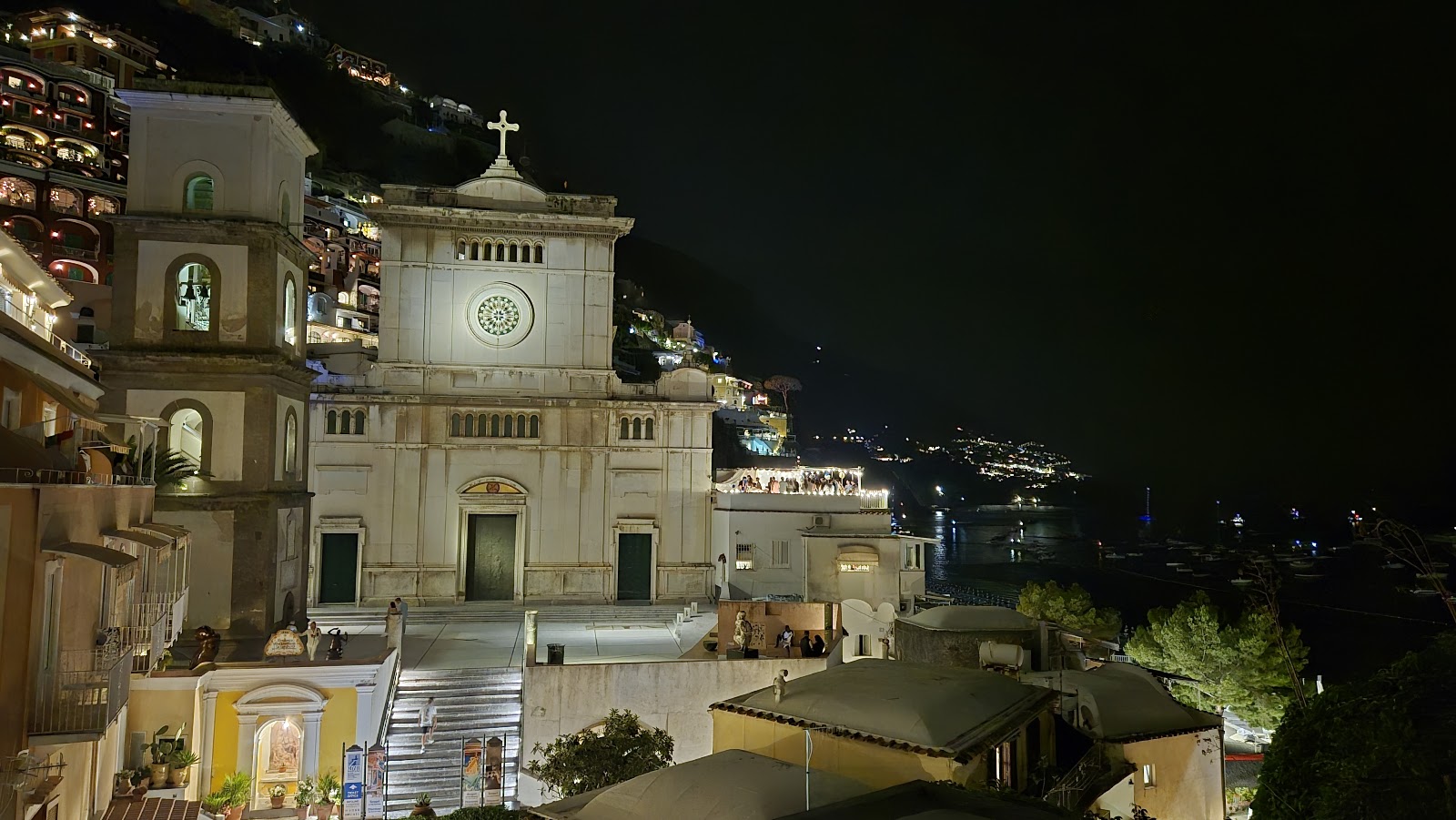
People who come back tend to mention the same handful of things: arriving by ferry rather than road, so the full vertical spectacle hits you at once. Slipping into MAR Positano early in the day, before the queues, to stand in the only frescoed Roman villa room on the entire coast. And finding Fornillo Beach via the footpath from Spiaggia Grande — quieter, and with a name that traces back to Roman bakers' ovens.
Experiences you don't want to miss


Deals in Positano
Book directly at the provider

How Positano came to be
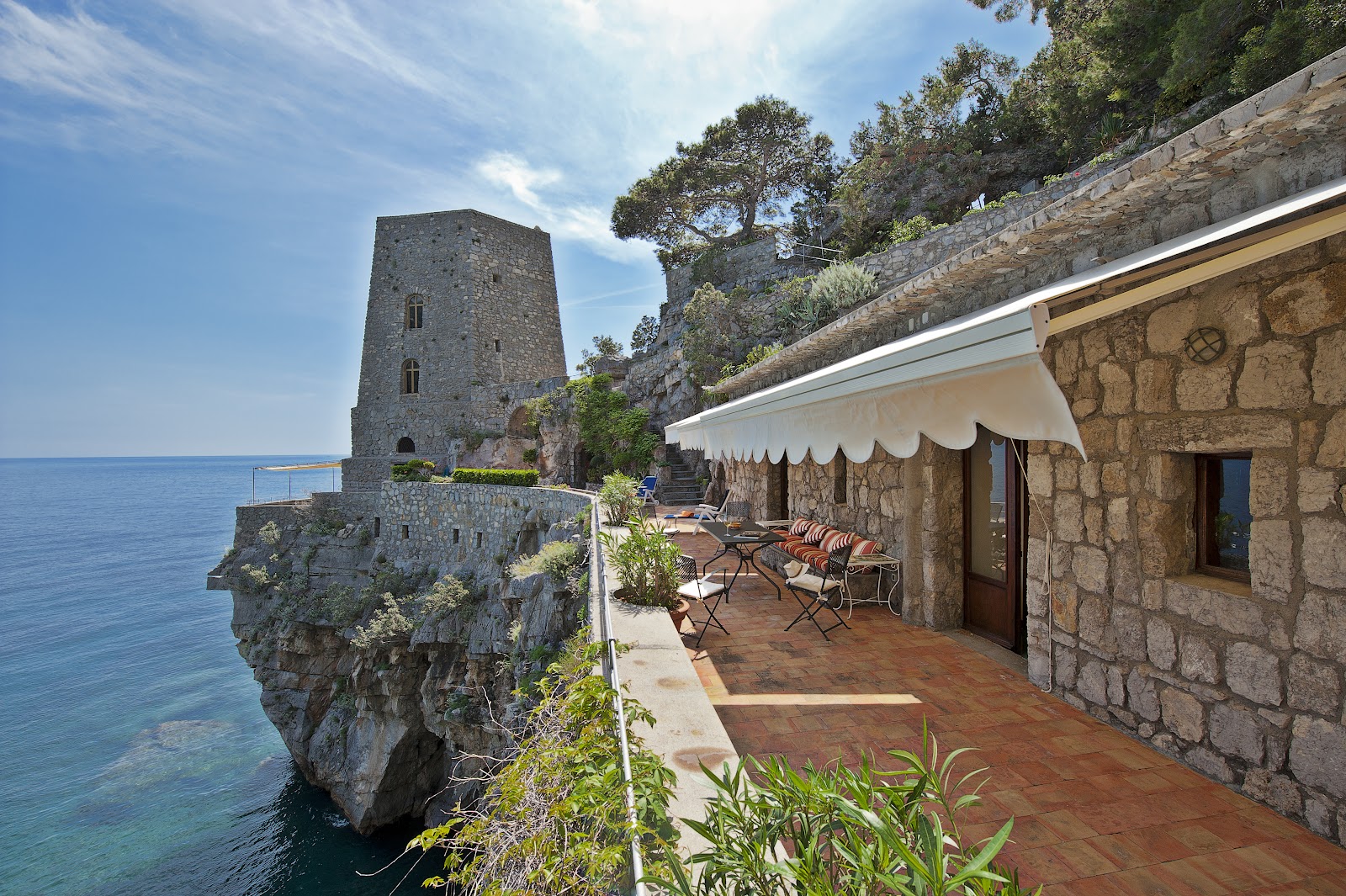
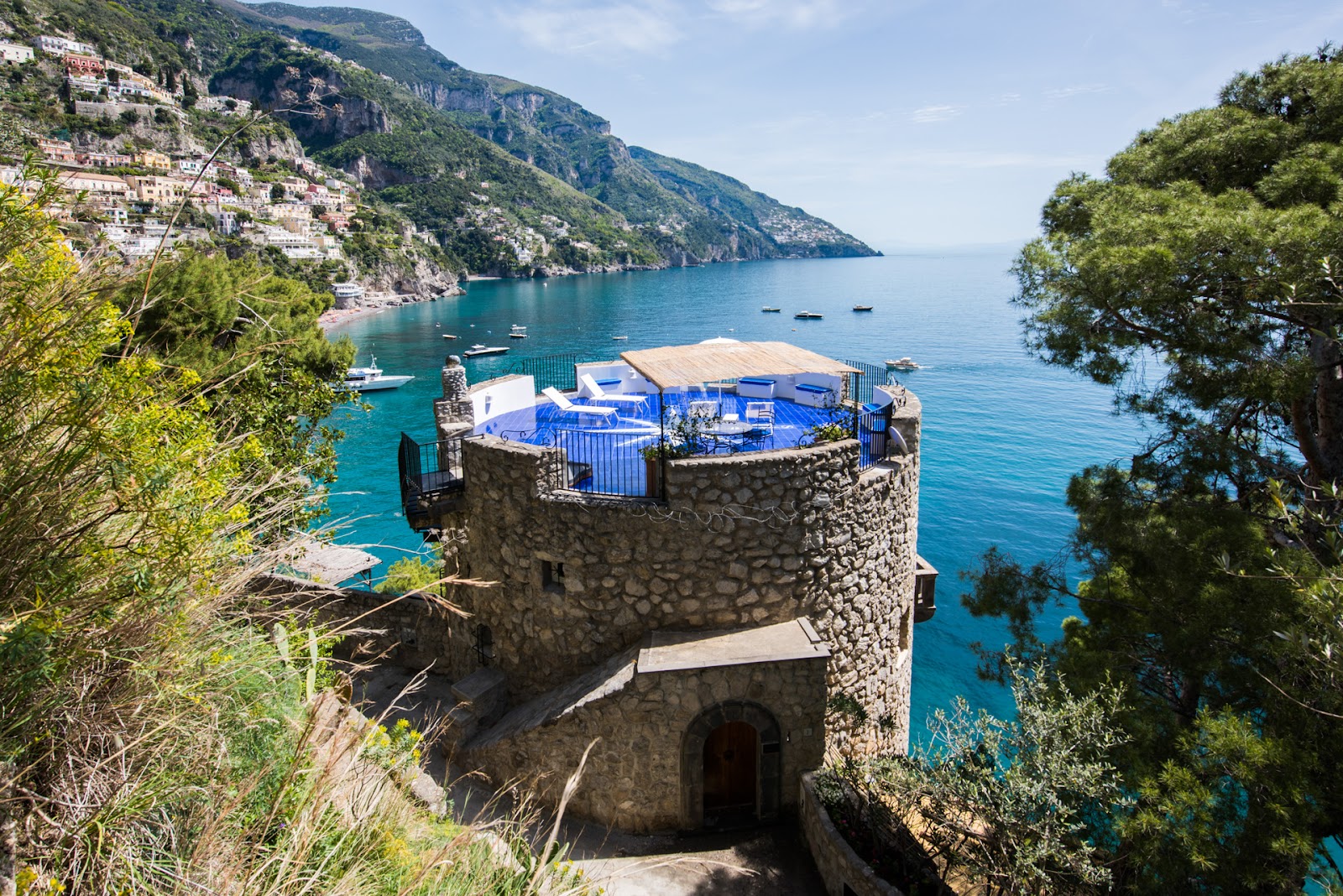
Positano's recorded life begins long before the town itself: a Palaeolithic cave called Grotta La Porta, Greek ships anchoring here around 500 BC, Roman villas that Vesuvius erased in 79 AD. The town as a settled place grew in the 9th century around a Benedictine abbey, swelled by refugees fleeing Saracen raids on Paestum. After Pisa pillaged it in 1268, Positano hardened into something more fortress-like — steep lanes, watchtowers, thick walls.
The 15th to 17th centuries brought genuine prosperity as a market port, then a long decline. A tsunami in 1343, pirate raids through the mid-1400s, and eventually a 19th-century exodus that sent more than half the population to settle in New York. For the first half of the 20th century it was a quiet fishing village. By 1953, Steinbeck was writing about it in Harper's Bazaar under the title 'Positano Bites Deep,' and the transformation was underway.
Who and what shaped it
People who shaped it
Landmark buildings
See Positano in motion
Plan your visit
On the map
When to go
Summers are hot and dry, with July and August bringing intense heat and the largest crowds. Spring and early autumn — April through June, September into October — give you warm sea temperatures and softer light. Winters are mild but many businesses close, and the town takes on a stripped-back, local character.
Right now
↡ Attractions
Background & history adapted from Wikipedia (CC BY-SA) · specs from Wikidata (CC0) · weather from Open-Meteo · map data © OpenStreetMap contributors · photos from Wikimedia Commons / Unsplash with per-image credit. No third-party reviews or social posts reproduced.