
Porthmadog

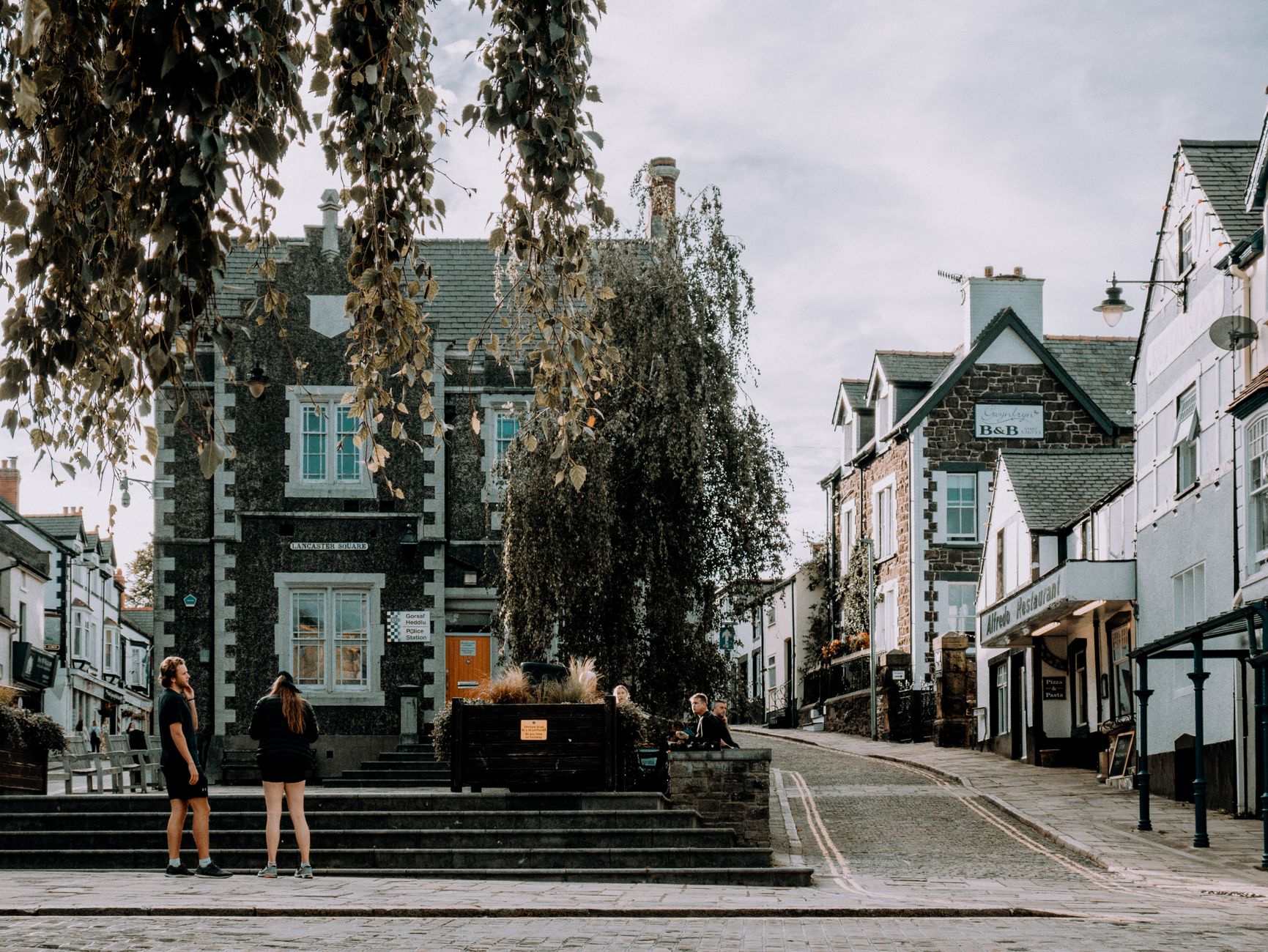
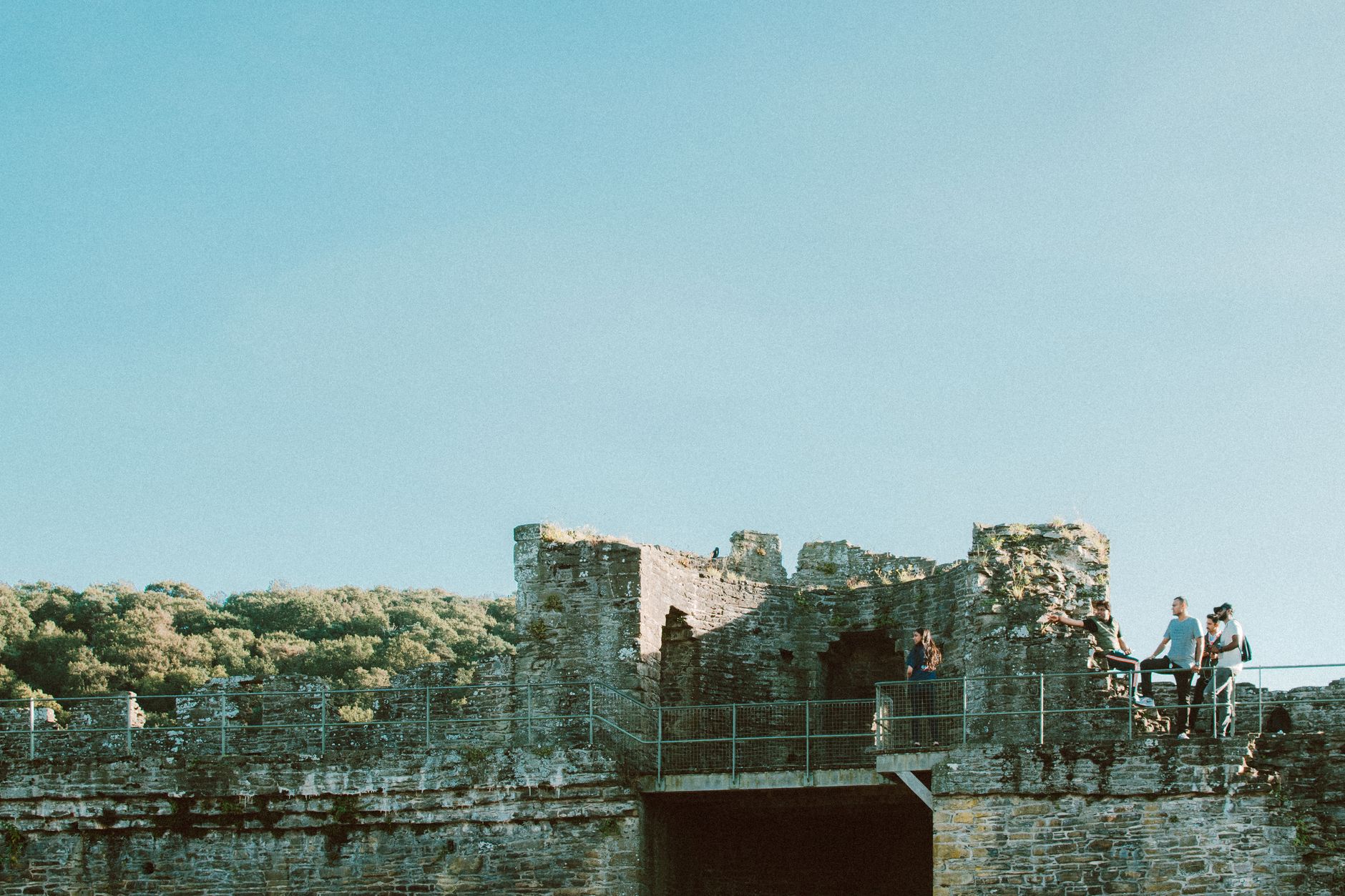
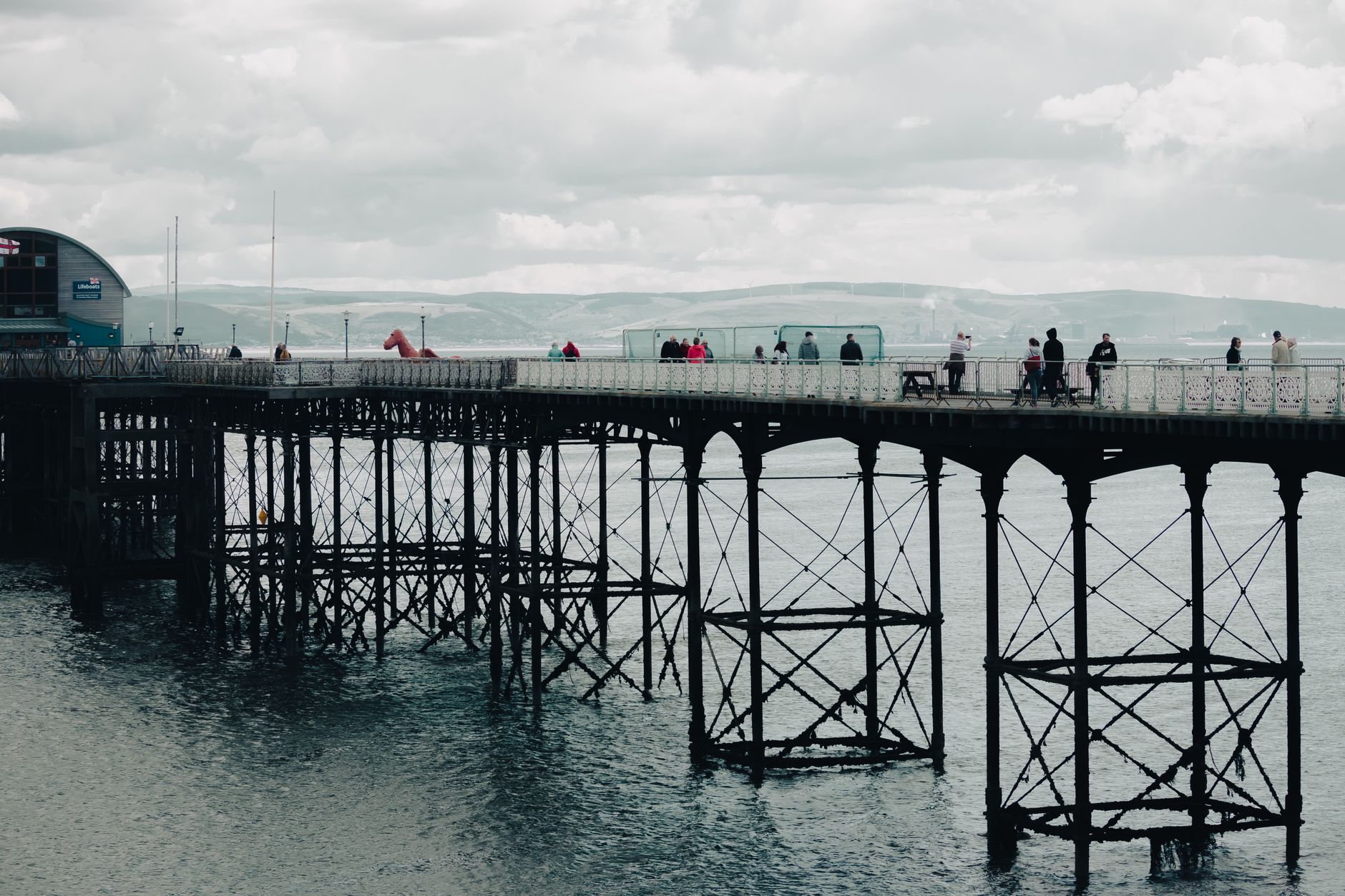

Porthmadog begins with an act of ambition bordering on audacity: in 1811, a lawyer-turned-landowner named William Madocks built a 1.5-mile stone embankment across a tidal estuary and simply willed a town into being. The Cob still carries traffic and the Ffestiniog Railway across what was once open sea.
The town that grew up behind it spent its peak decades loading Welsh slate onto three-masted schooners bound for rooftops across Europe. Walk the old wharf now and the Maritime Museum holds the ledgers and models of that trade — over 116,000 tons shipped in a single year at its height.
💛 What travellers fall for
People who come back tend to time a crossing on the Ffestiniog Railway before the summer crowds arrive. They also mention Kerfoots on Stryd Fawr — the Victorian department store with its cast-iron columns and spiral staircase — less for the shopping than for the stained-glass Millennium Dome inside, which depicts the town as it looked in 1874.
Deals in Porthmadog
Book directly at the provider


How Porthmadog came to be
Before 1811, Traeth Mawr — the Big Beach — was a tidal estuary stretching inland toward Snowdonia. William Alexander Madocks, a barrister and MP, bought the Tan-yr-Allt estate around 1798 and spent the next decade reclaiming land in two stages, the second and larger of which required an act of Parliament. The resulting embankment, the Cob, created the harbour that would bear a version of his name.
The Ffestiniog Railway opened in 1836 to carry slate down from the quarries, and within forty years the population had tripled to over 3,000. The arrival of the Aberystwyth and Welsh Coast Railway in 1867 began a slow decline in shipping traffic; by the 1910s the commercial port was finished. The town was officially spelled Porthmadog — the Welsh form — from 1974.
Who and what shaped it
People who shaped it
Landmark buildings
See Porthmadog in motion
Plan your visit
On the map
When to go
Summers are mild and often overcast, with enough clear days to make the estuary views across the Cob worth the trip. Winter brings persistent rain and strong westerly winds off Cardigan Bay; the shoulder months of May and September tend to offer the most workable balance.
Right now
Background & history adapted from Wikipedia (CC BY-SA) · specs from Wikidata (CC0) · weather from Open-Meteo · map data © OpenStreetMap contributors · photos from Wikimedia Commons / Unsplash with per-image credit. No third-party reviews or social posts reproduced.