
Porschdorf
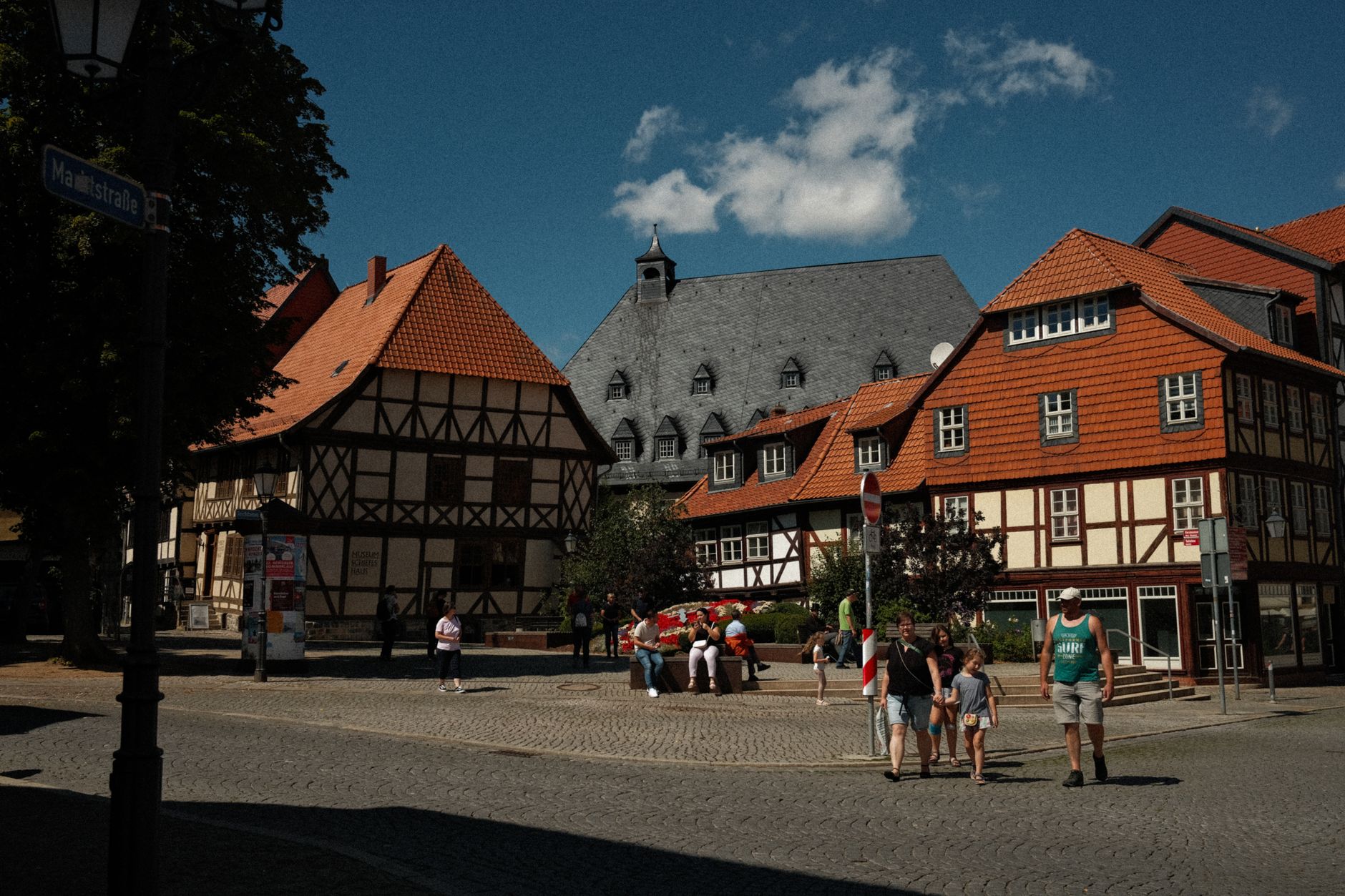

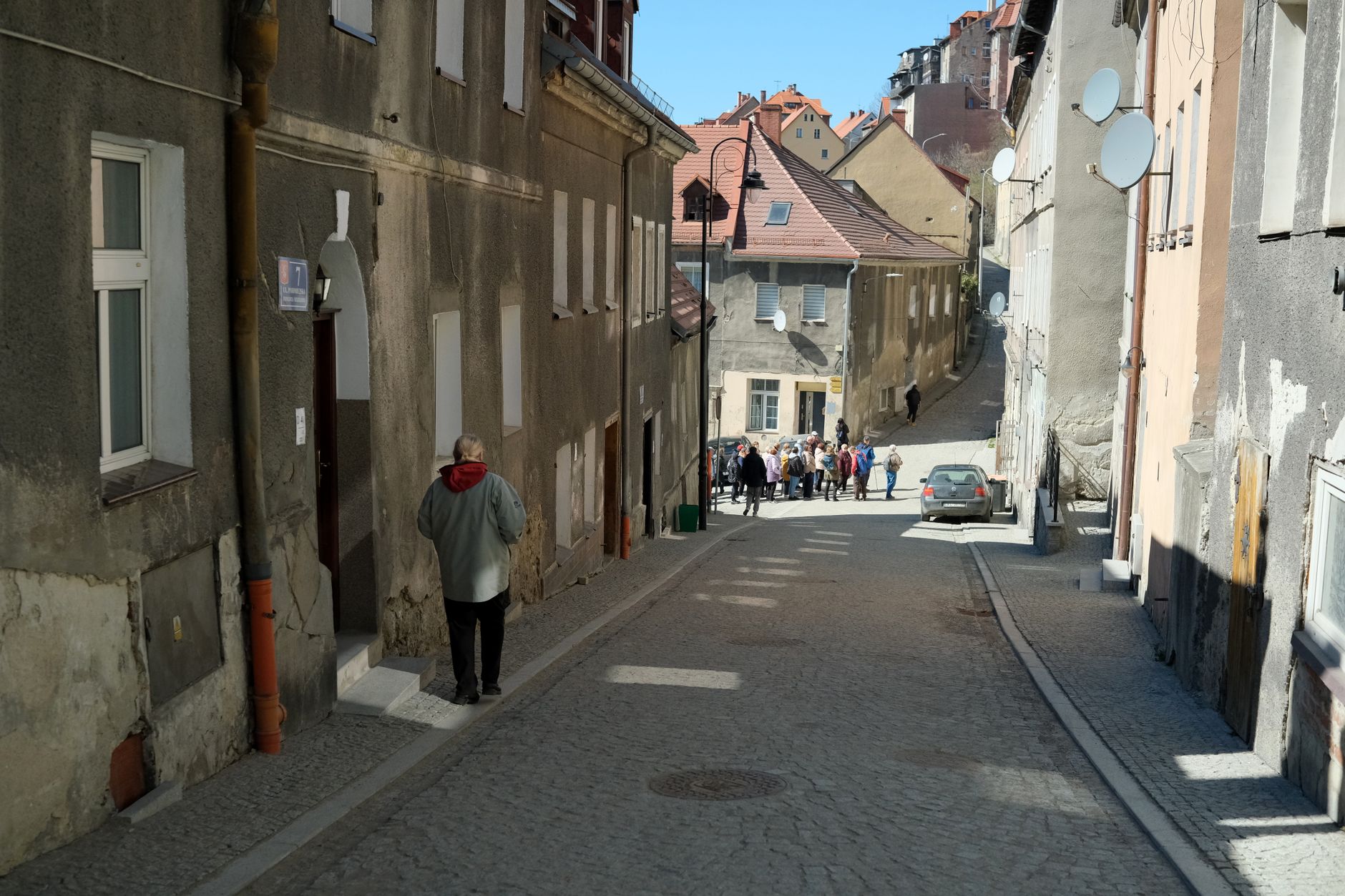
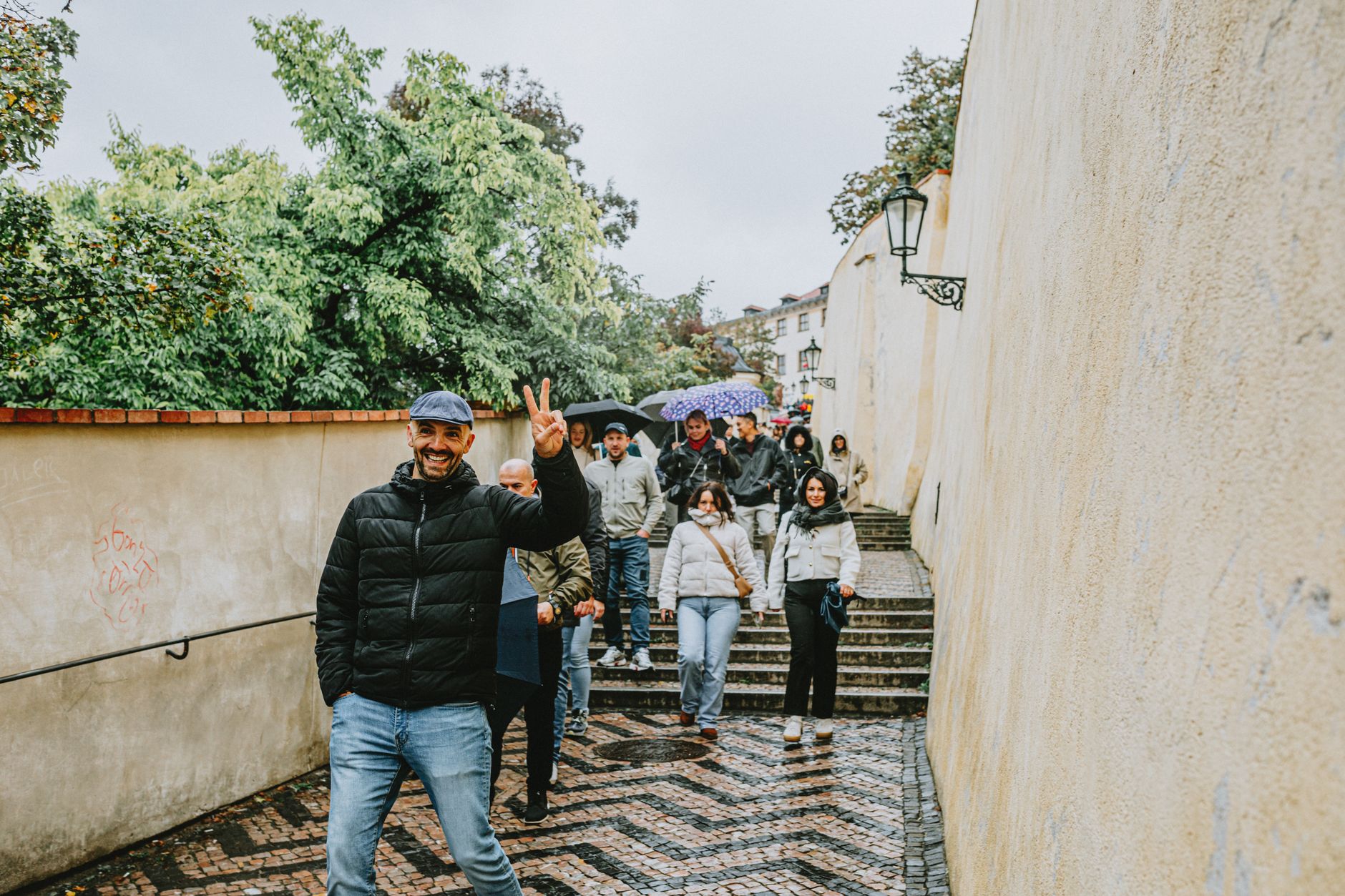

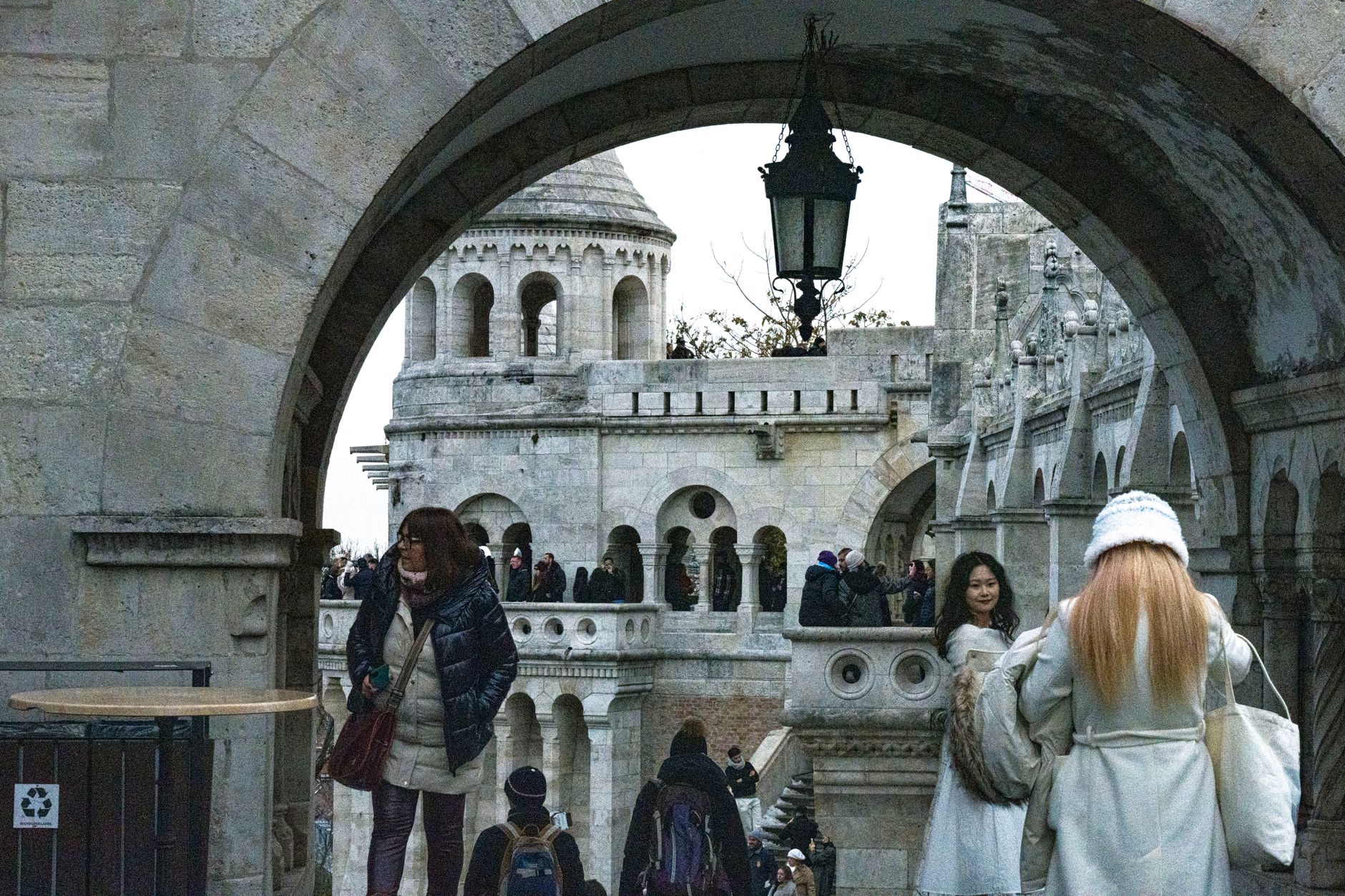
Porschdorf sits where the Elbe valley farmland meets the sandstone edge of Saxon Switzerland National Park — a small place that functions less as a destination than as a threshold. The National Park Railway stops here, a cross-border service running between Děčín in Czechia and Rumburk via Bad Schandau and Sebnitz, and that train is itself part of the experience: slow, unhurried, threaded through rock and river.
Since 2012 Porschdorf has been administered as part of Bad Schandau, its independence folded into the larger municipality. What remains is a quiet village on the park's northern boundary, with the sandstone pinnacles — more than 1,100 of them, carrying some 14,000 climbing routes — rising to the south.
💛 What travellers fall for
People who keep coming back tend to treat the Haltepunkt Porschdorf station as a deliberate pause rather than a stop. Get off here instead of Bad Schandau and you approach the park on foot, through fields rather than tourist infrastructure. The difference in atmosphere in the first twenty minutes is real.
Deals in Porschdorf
Book directly at the provider

How Porschdorf came to be
Porschdorf's darkest chapter came in the final winter of the Second World War. In February 1945, a subcamp of the Flossenbürg concentration camp was established here, holding approximately 250 men — most of them Italian — put to forced labour. When Allied forces closed in that April, the surviving prisoners were sent on a death march toward the Ore Mountains.
The administrative history is quieter but telling. The region's name, Sächsische Schweiz, was stripped from official use in October 1938 and replaced first by Amtshauptmannschaft Pirna, then Kreis Pirna from January 1939 — a bureaucratic erasure of a landscape identity that had to be reclaimed after the war. Porschdorf itself was absorbed into Bad Schandau on 1 January 2012.
Who and what shaped it
Landmark buildings
See Porschdorf in motion
Plan your visit
On the map
When to go
Saxon Switzerland's valley position means winters are cold and overcast, with temperatures near freezing from December through February. Summer — June through August — is warm enough for long days on the trails, though afternoon thunderstorms roll through the sandstone terrain with little warning.
Right now
Background & history adapted from Wikipedia (CC BY-SA) · specs from Wikidata (CC0) · weather from Open-Meteo · map data © OpenStreetMap contributors · photos from Wikimedia Commons / Unsplash with per-image credit. No third-party reviews or social posts reproduced.