
Ponferrada
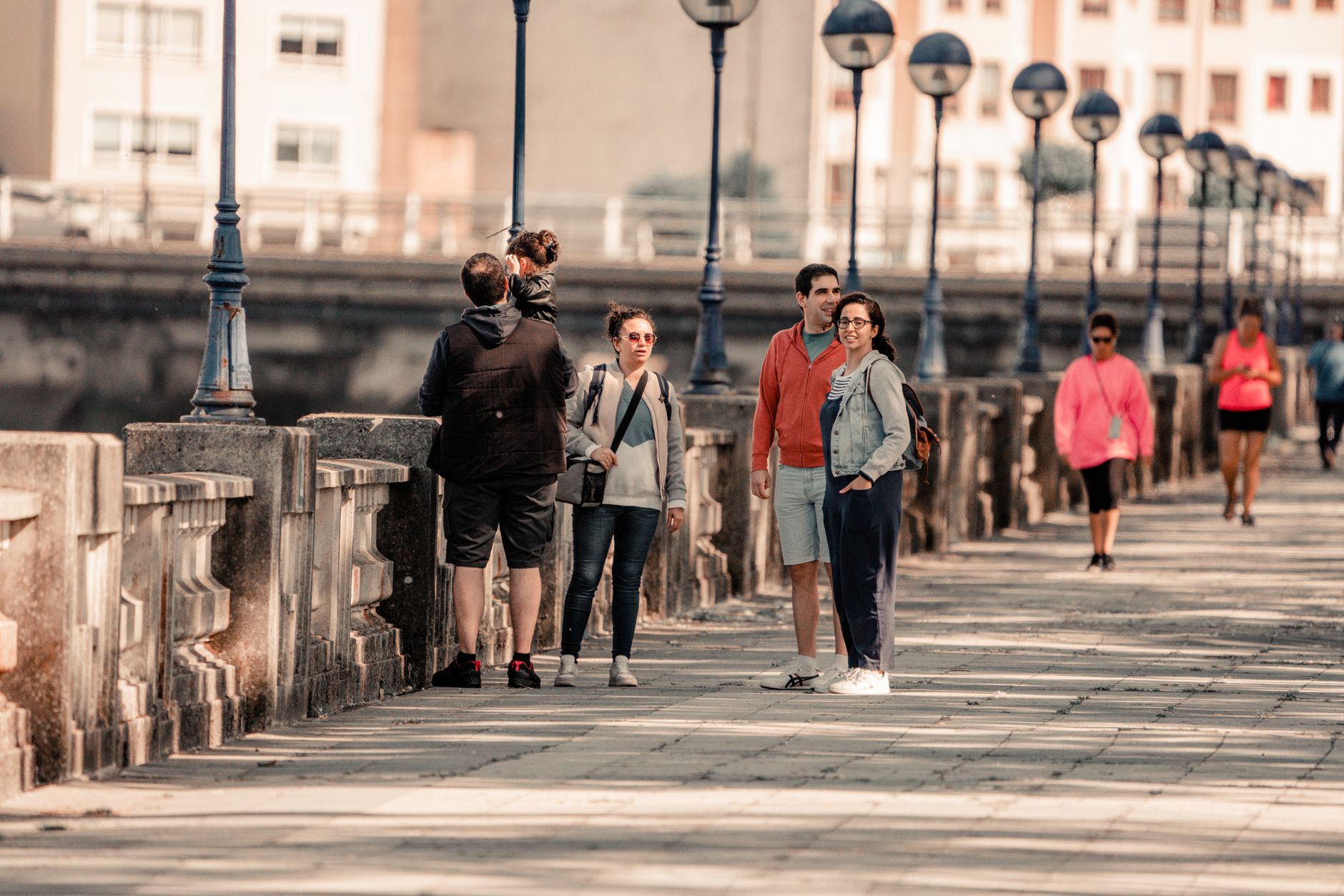
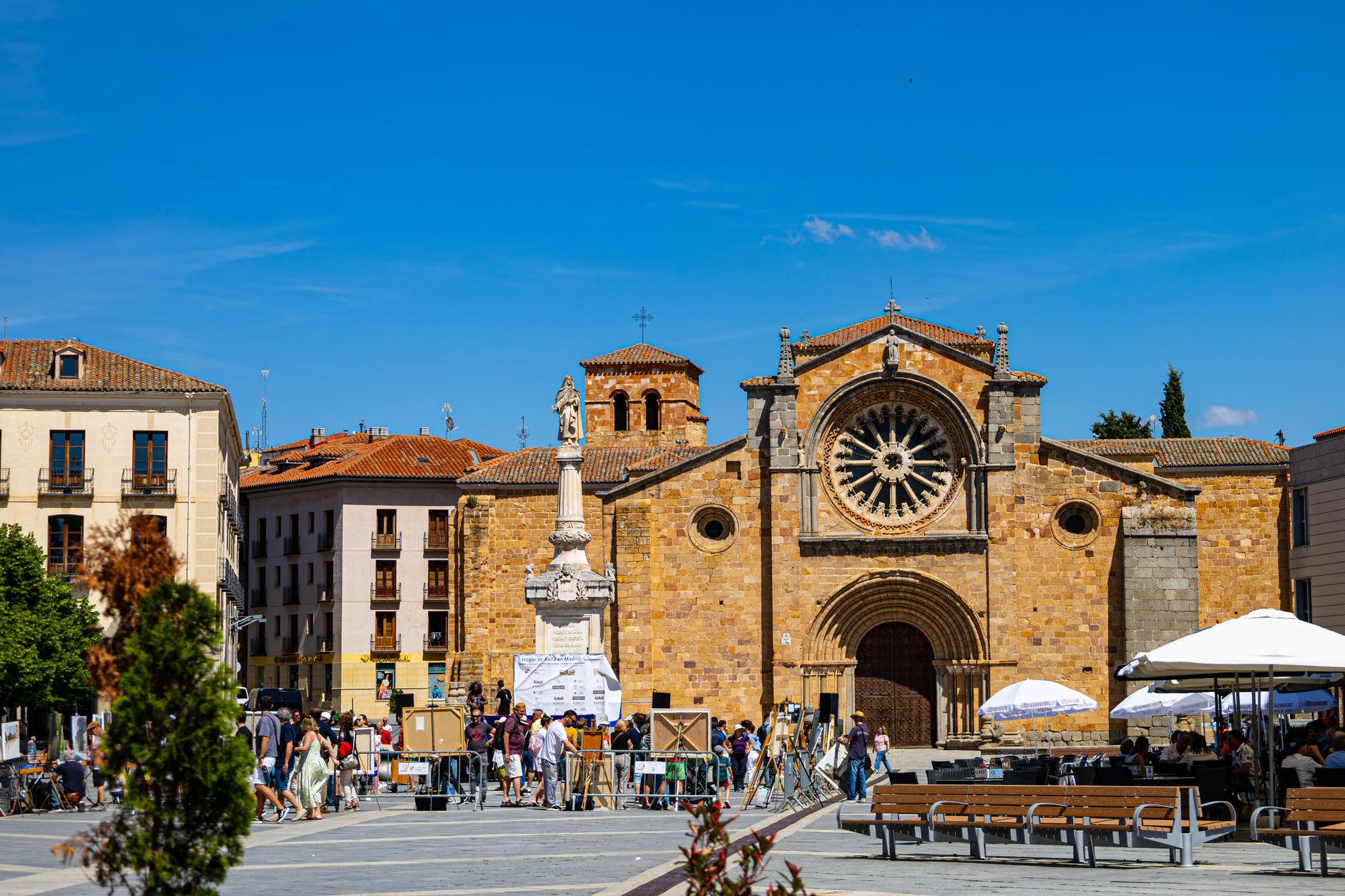
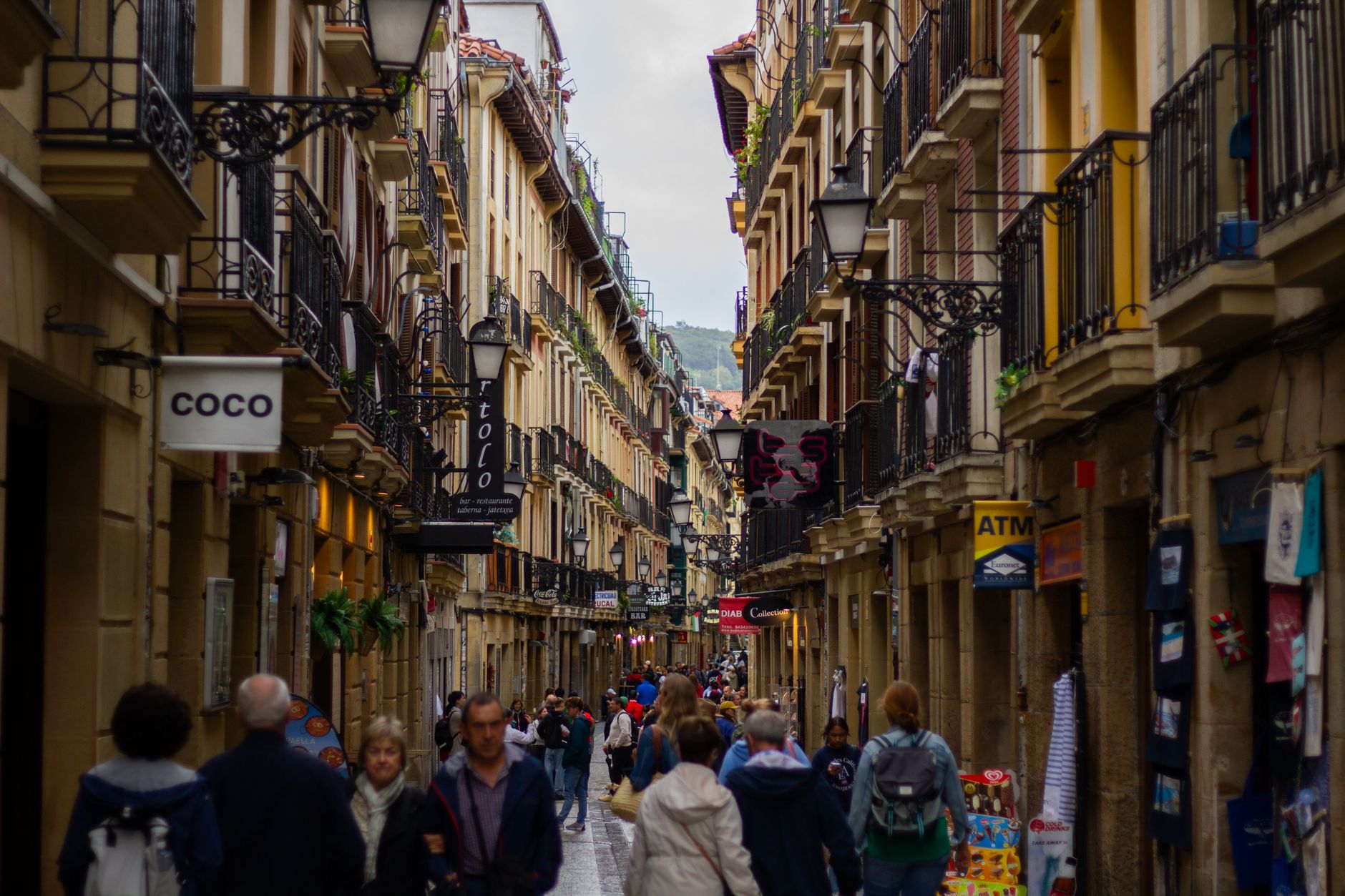
The name gives it away before you arrive: Pons Ferrata, the iron bridge, built by a medieval bishop to keep pilgrims from drowning in the Sil. Ponferrada has been a crossing point ever since — between the meseta and Galicia, between the medieval world and the industrial one, between the Camino's spiritual geography and a working city that mined coal long after the monks and knights had gone.
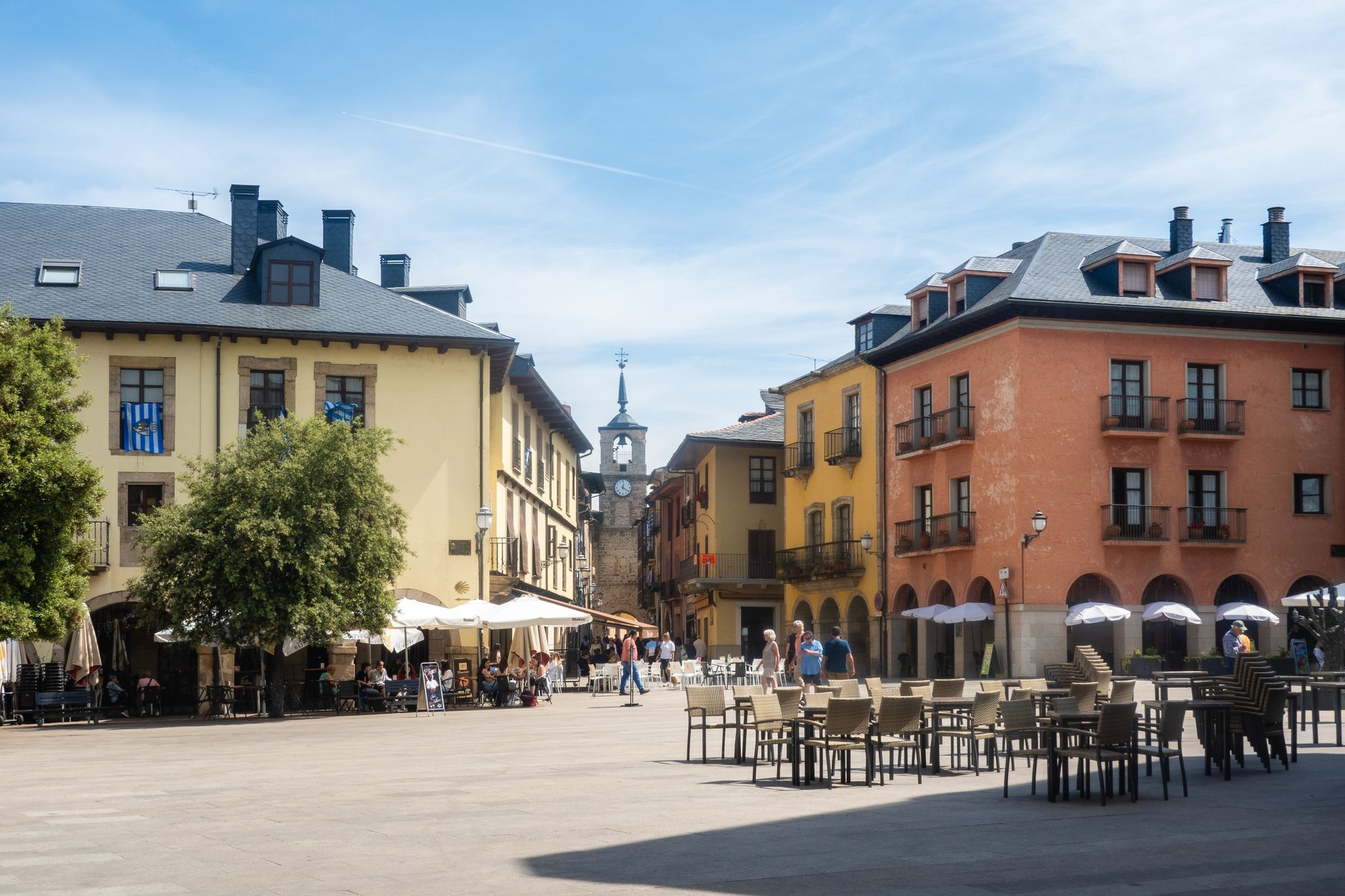
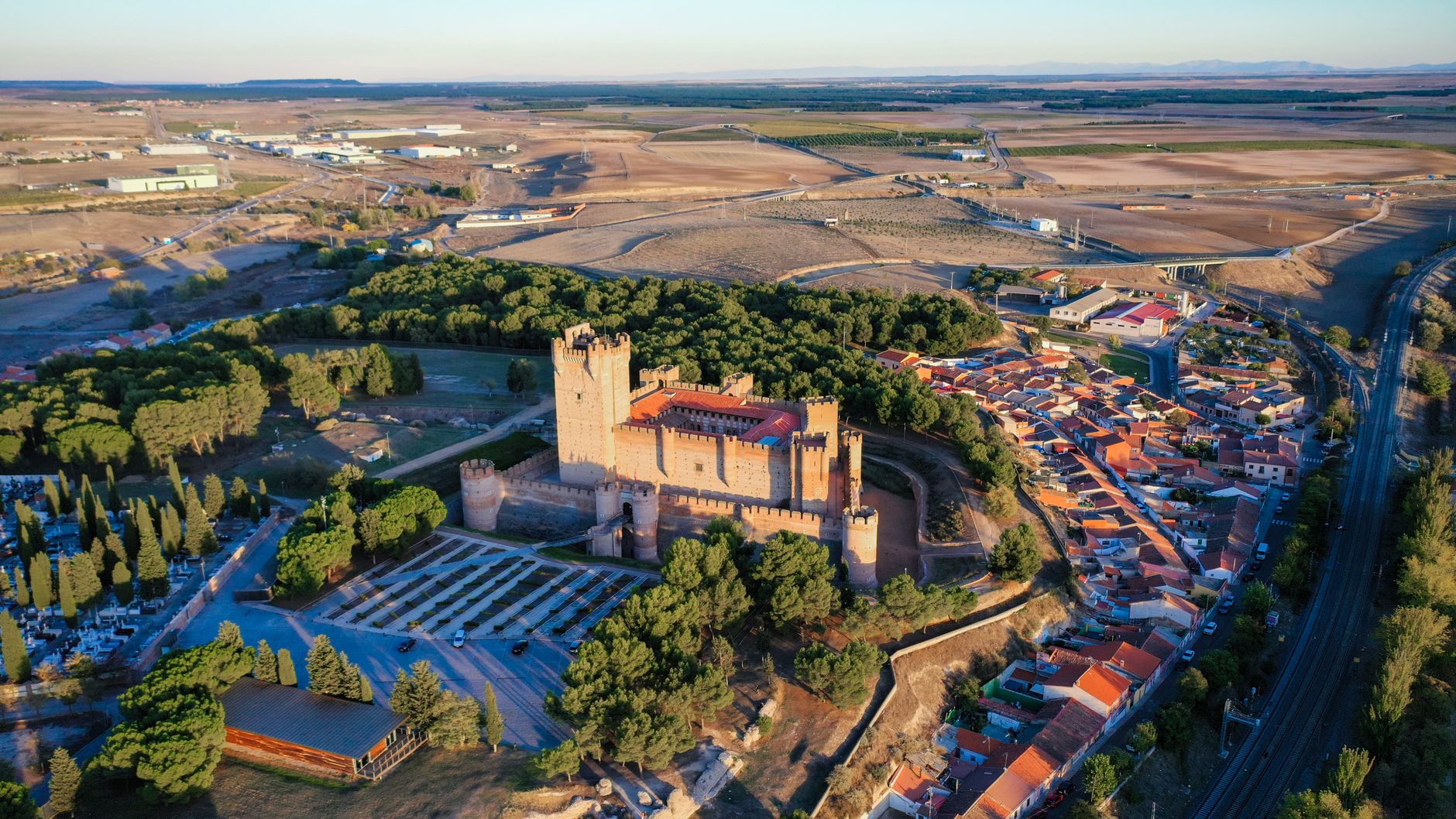
At its centre stands the Templar castle, roughly 16,000 square metres of polygonal stone whose twelve towers were laid out to mirror constellations. The city around it is unpretentious and lived-in, the kind of place where pilgrims rest their boots and locals eat lunch without looking up.
💛 What travellers fall for
People who come back tend to mention the castle's Templars Library — over 1,400 books, some genuinely rare, tucked inside what most visitors assume is just a fortress. Go early on a weekday, before the Camino groups arrive, and you'll have the upper battlements largely to yourself. The pilgrim discount at the entrance is worth asking about even if you're not walking the route.
Experiences you don't want to miss




Deals in Ponferrada
Book directly at the provider
How Ponferrada came to be
Ponferrada's recorded life begins in 928, when a villa was gifted to the Monastery of San Pedro de Montes. The town grew around the pilgrim route, and in the eleventh century Bishop Osmundo of Astorga had an iron-reinforced bridge built across the Sil — the structure that gave the place its Latin name. In 1178, King Fernando II of León handed the settlement to the Knights Templar, who received a small fortress on the site of an older castro and spent a century extending it into the castle that stands today, reportedly finished by 1282.
When the Templar order was dissolved in 1311, the castle passed through other hands — including the Count of Lemos, who expanded it further — before the Catholic Monarchs absorbed it into the Crown in 1486. Centuries later, a different kind of power arrived: the railroad in 1881, then the MSP mining company in 1918, then Spain's first coal-fuelled power plant, Compostilla I, in 1949. The city carries all of these layers at once.
Who and what shaped it
People who shaped it
Landmark buildings
See Ponferrada in motion
Plan your visit
On the map
When to go
Winters are cold and frequently foggy, with snowfall and nights that can drop to -6°C or lower; summers are warm and mostly sunny, though July's heat — averaging 30°C by day — breaks occasionally into cooler, rainy spells. Spring and autumn are the most agreeable seasons for walking the historic quarter.
Right now
Background & history adapted from Wikipedia (CC BY-SA) · specs from Wikidata (CC0) · weather from Open-Meteo · map data © OpenStreetMap contributors · photos from Wikimedia Commons / Unsplash with per-image credit. No third-party reviews or social posts reproduced.