
Poitiers
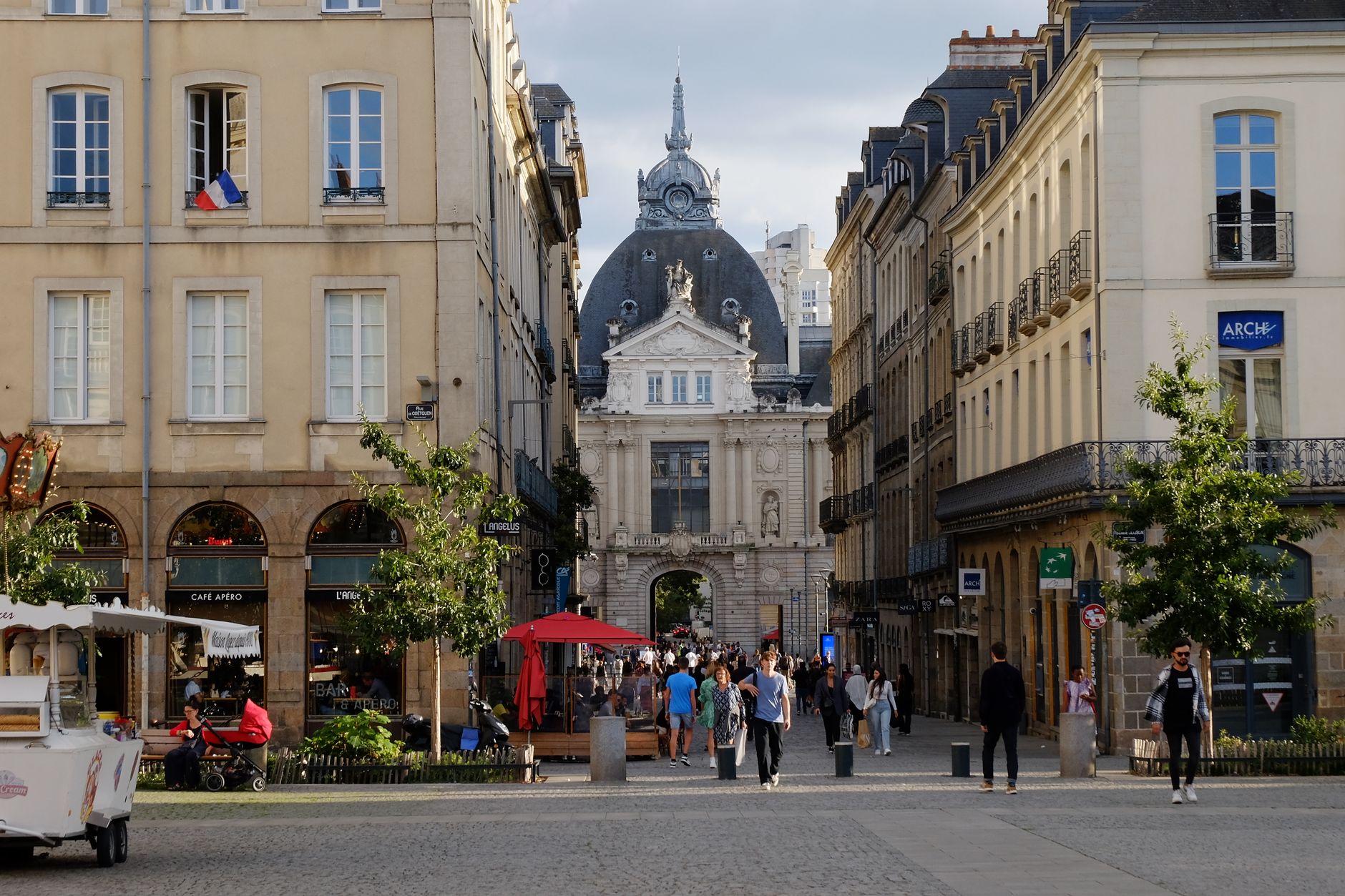
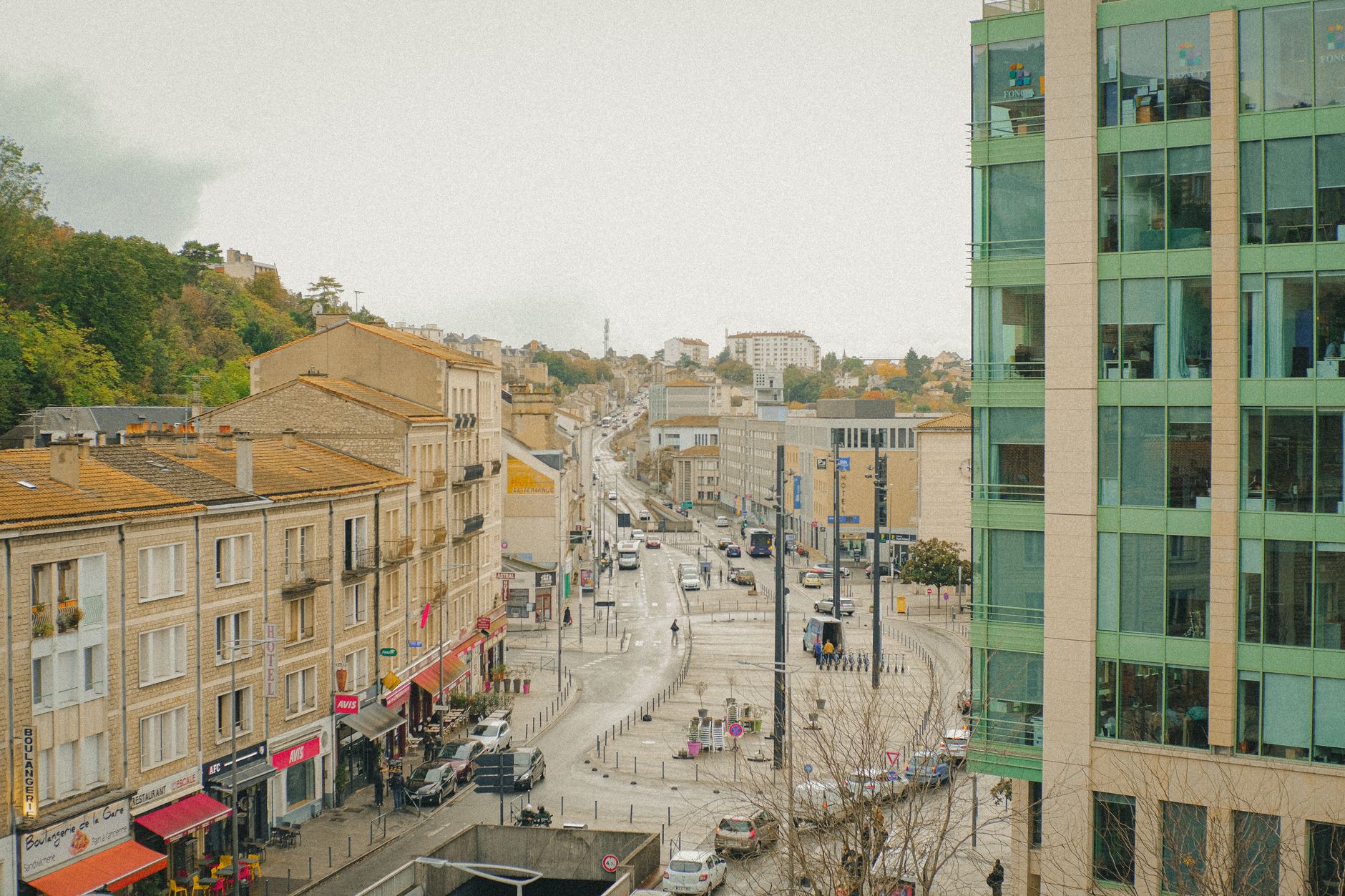


Poitiers sits on a plateau above the Clain river, compact enough to walk end to end in a morning, dense enough to occupy you for days. The Baptistère Saint-Jean — likely the oldest Christian building in France, its fourth-century walls still standing around a pool once deep enough to baptise adults by full immersion — is a ten-minute walk from a TGV station that puts you here in seventy-five minutes from Paris.
The city has been fought over, converted, occupied and interrogated across two millennia, and the stones carry the evidence. Eleanor of Aquitaine held court here, Joan of Arc was questioned here, and the university that opened in 1431 drew Rabelais, Descartes and du Bellay through its doors. None of that is dressed up for tourists. It simply remains.
💛 What travellers fall for
People who come back tend to mention the Musée Sainte-Croix almost as an afterthought — a 1970s building you'd walk past without a second glance, housing one of the more serious Camille Claudel collections in France. Also worth knowing: the Baptistère Saint-Jean charges a small fee and takes cash only, so come prepared.
Experiences you don't want to miss




Deals in Poitiers
Book directly at the provider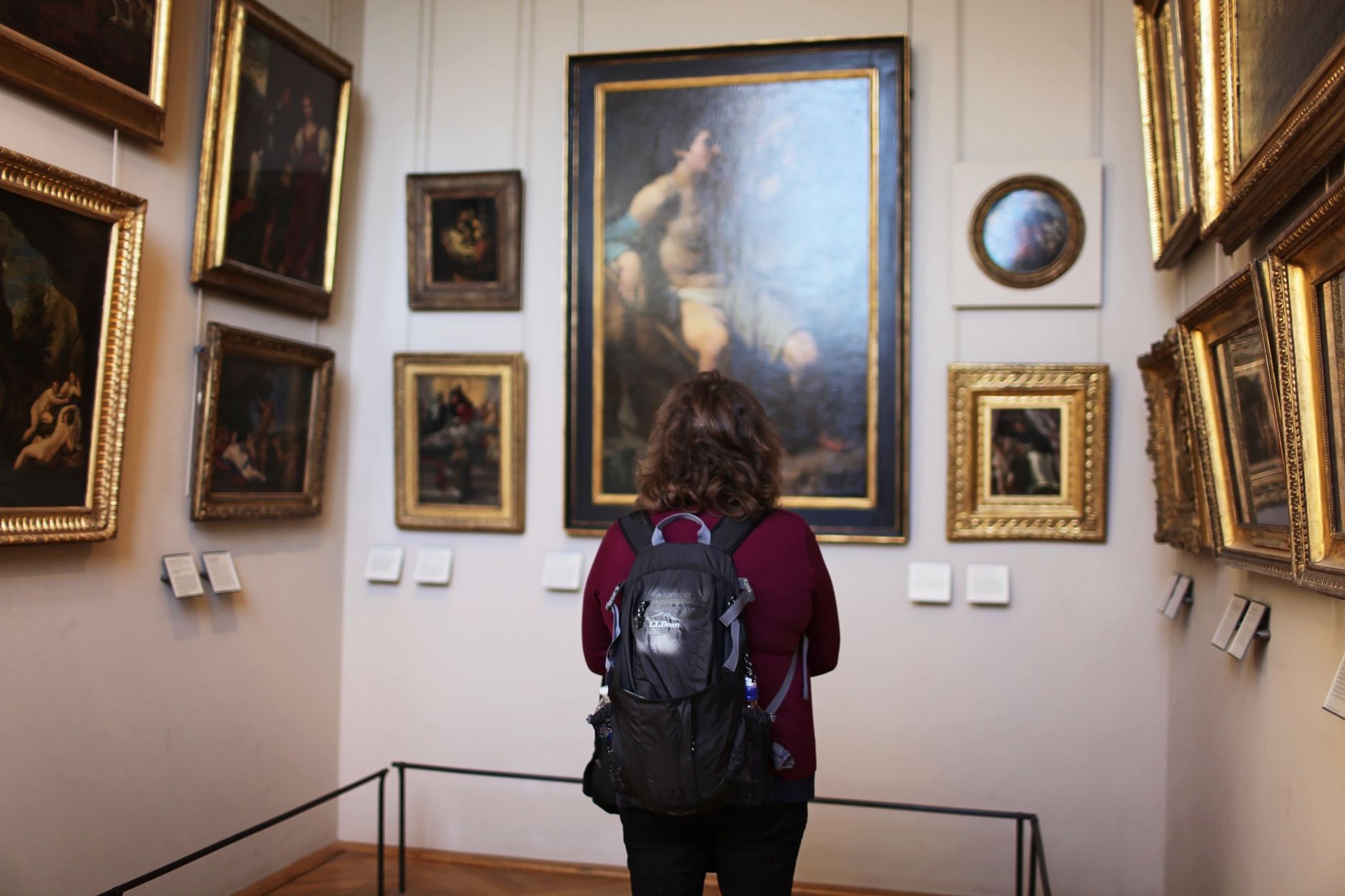


How Poitiers came to be
The Pictones, a Gallic tribe, founded the settlement in the second century BC; Caesar took it in 51 BC. Christianity arrived early and held — by the fourth century the city had its baptistère, and around 350 Hilary was elected bishop. The Visigoths settled here in the fifth century, the Franks defeated them in 507, and in 732 Charles Martel stopped the Saracen advance near the city in one of the more consequential battles of medieval Europe.
In 1152 Poitiers passed to Henry Plantagenet as part of Eleanor of Aquitaine's dowry, and under Eleanor's court it became a centre for troubadour culture and intellectual life. The English won the Battle of Poitiers in 1356; France reclaimed the province by 1374. The university, founded in 1431, pulled in some of the sharpest minds of the following century — and the city has been quietly trading on that density of history ever since.
Who and what shaped it
People who shaped it
Landmark buildings
See Poitiers in motion
Plan your visit
On the map
When to go
Poitiers has an oceanic climate — mild winters rarely dropping below freezing, warm summers with highs around 25–30°C in July and August, and rainfall spread fairly evenly through the year. Spring and early autumn are the easiest seasons to walk the city; summer afternoons can be warm but seldom oppressive.
Right now
Background & history adapted from Wikipedia (CC BY-SA) · specs from Wikidata (CC0) · weather from Open-Meteo · map data © OpenStreetMap contributors · photos from Wikimedia Commons / Unsplash with per-image credit. No third-party reviews or social posts reproduced.