
Playa Tortugas
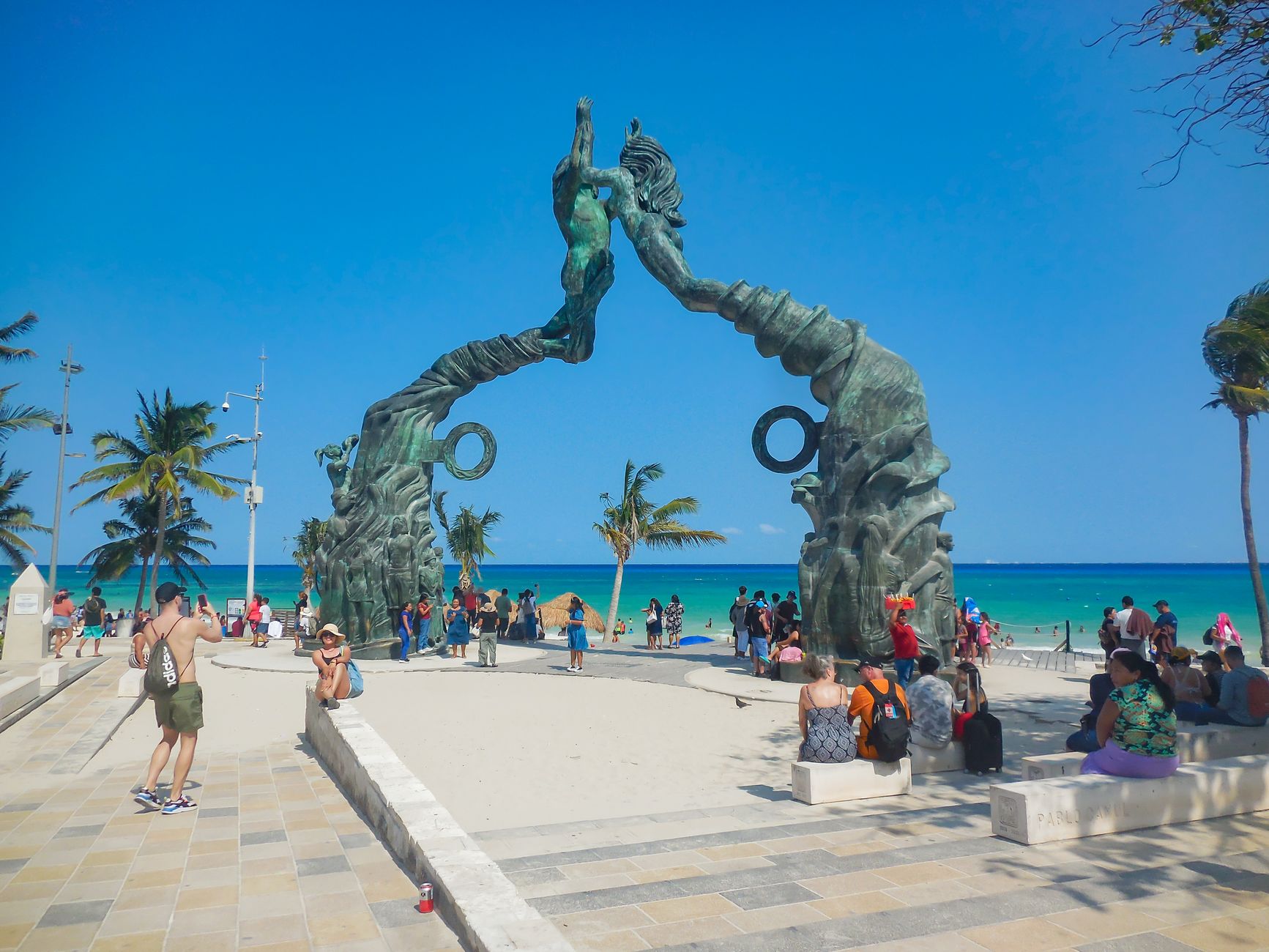
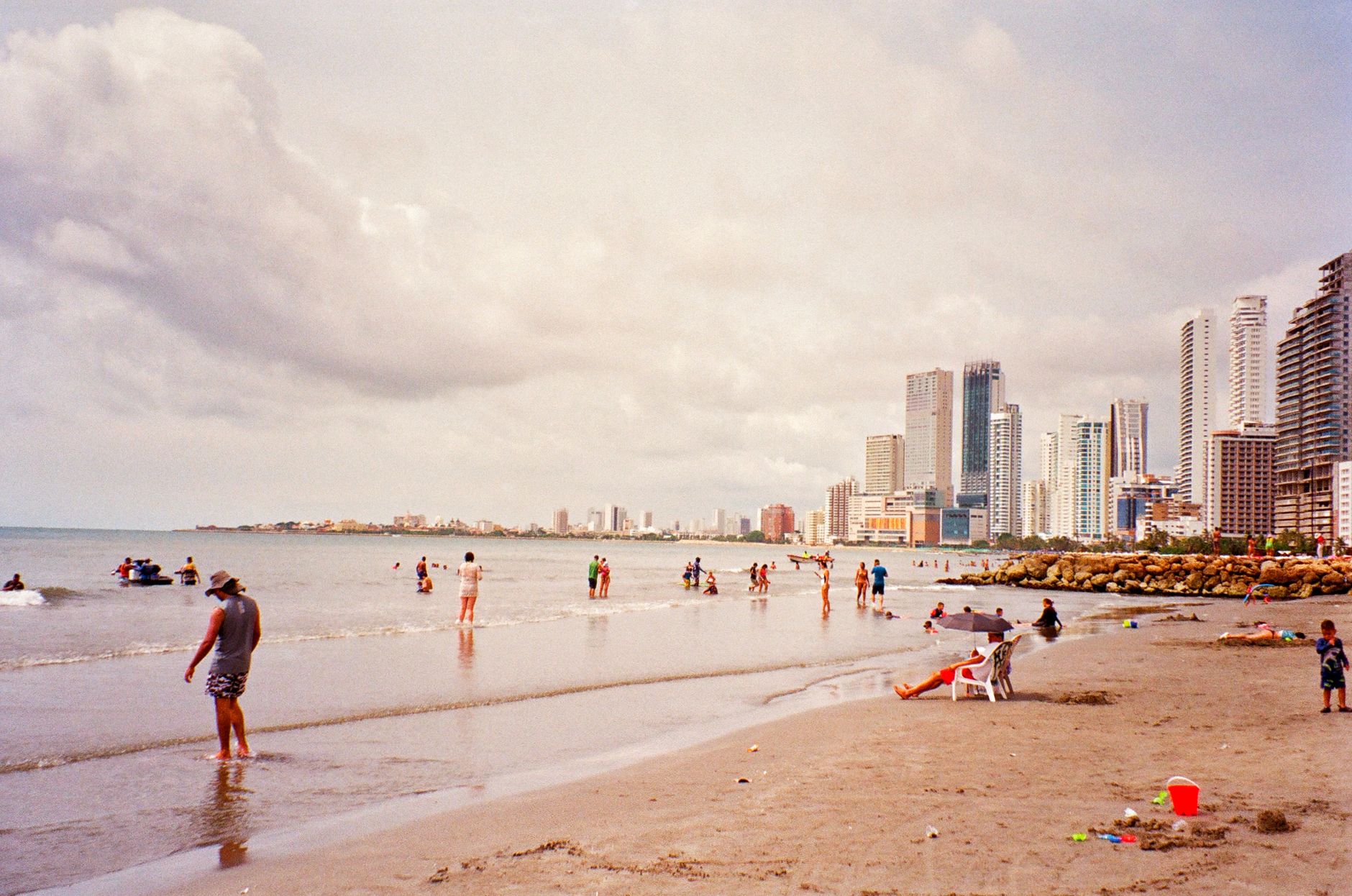
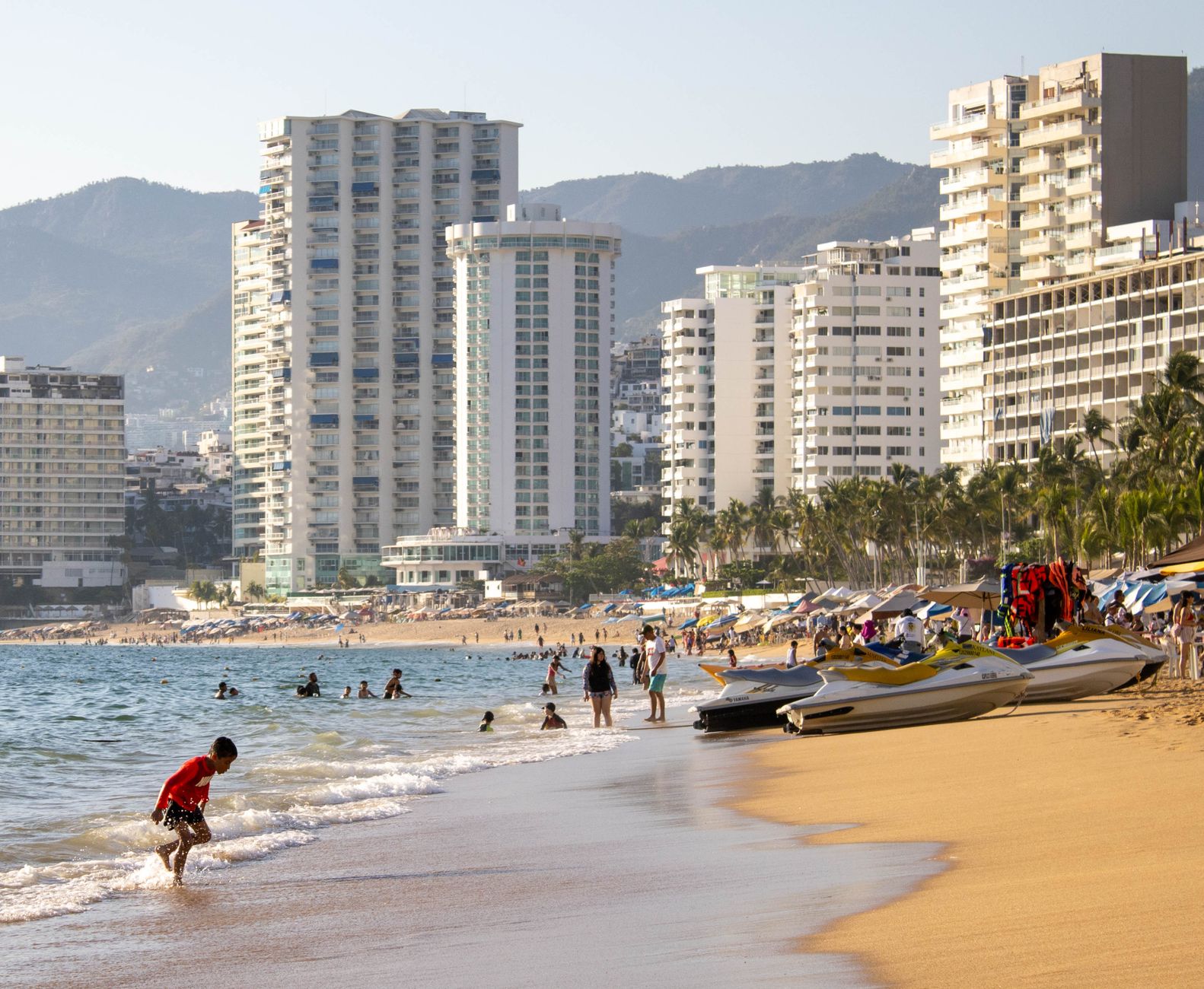
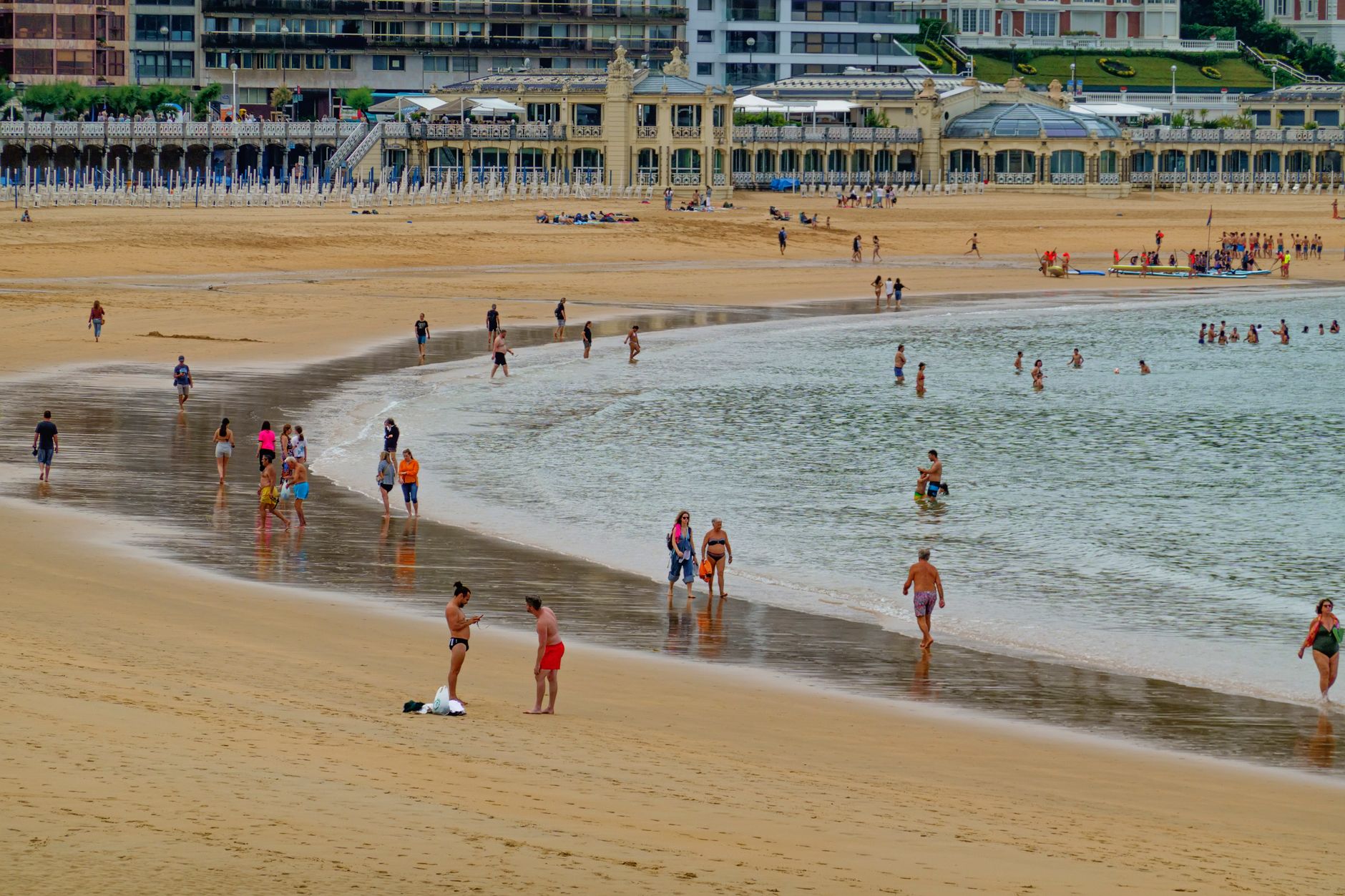
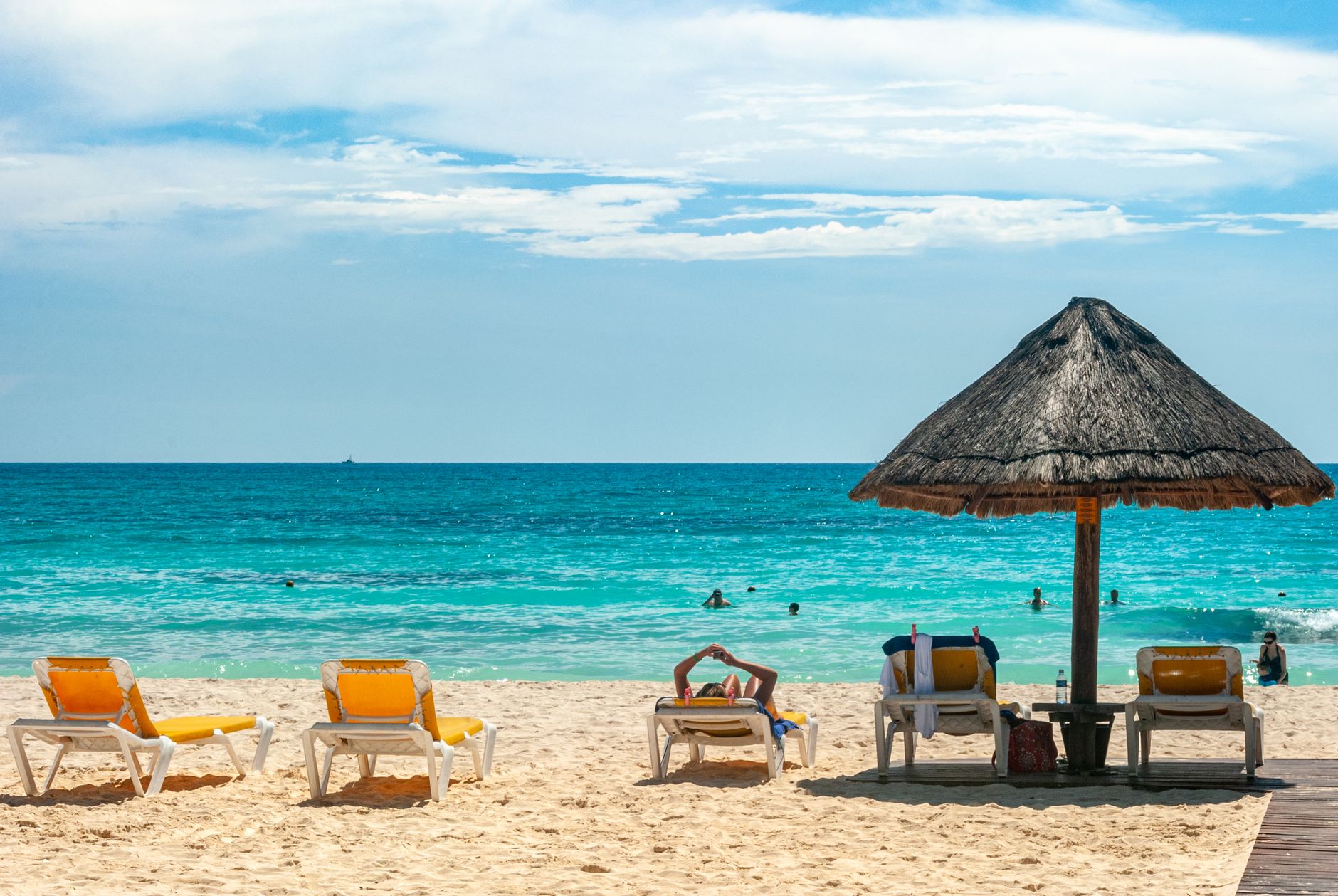
At Km 6.5 on Boulevard Kukulcán, a pier pushes out over the Caribbean and ferries load up for Isla Mujeres while someone, somewhere nearby, is about to jump 25 metres into the sea from a bungee platform. That compression of the ordinary and the absurd is very Playa Tortugas. The beach runs 1.3 kilometres, natural breakwaters keep the water shallow and calm, and the sand fills up fast by midday with volleyball games, snorkelling rental stands, and people carrying drinks into the surf.
The name means Turtle Beach — sea turtles still occasionally nest along this stretch between May and October, though sightings are rare now. By evening, the open-air bars that line the shore switch registers entirely, music carrying out onto the sand long after the lifeguard has gone home.
💛 What travellers fall for
People who come back tend to agree on a few things: get here before 10 AM if you want a chair without negotiating, bring exact change for the showers near the ferry terminal (10–20 pesos), and don't overlook the beachfront market — the artisan stalls are worth a slow walk even if you buy nothing.
Deals in Playa Tortugas
Book directly at the provider


How Playa Tortugas came to be
Before Cancún existed, this stretch of coast was coconut plantation. The city was effectively founded in 1970 as a deliberate government project to build a world-class resort destination from near-scratch, and nine hotels opened across the zona hotelera through that first decade, establishing the tourist infrastructure that still shapes the area today.
Playa Tortugas grew into its role as the public beach counterpart to the more resort-heavy stretches nearby — a place where the ferry to Isla Mujeres docked, where locals and visitors shared the same sand, and where the pier became a small hub of its own. No single founder or architect is on record for the beach as a destination; it accumulated its character gradually, shaped more by use than by design.
Who and what shaped it
Landmark buildings
See Playa Tortugas in motion
Plan your visit
On the map
When to go
November through April brings the most reliable beach weather — lower humidity, temperatures around 23–25 °C, and less rain. From May through October the heat climbs toward 28–29 °C but so does the chance of afternoon downpours and, between August and October, the real possibility of a hurricane tracking through the region.
Right now
Background & history adapted from Wikipedia (CC BY-SA) · specs from Wikidata (CC0) · weather from Open-Meteo · map data © OpenStreetMap contributors · photos from Wikimedia Commons / Unsplash with per-image credit. No third-party reviews or social posts reproduced.