
Playa de las Américas
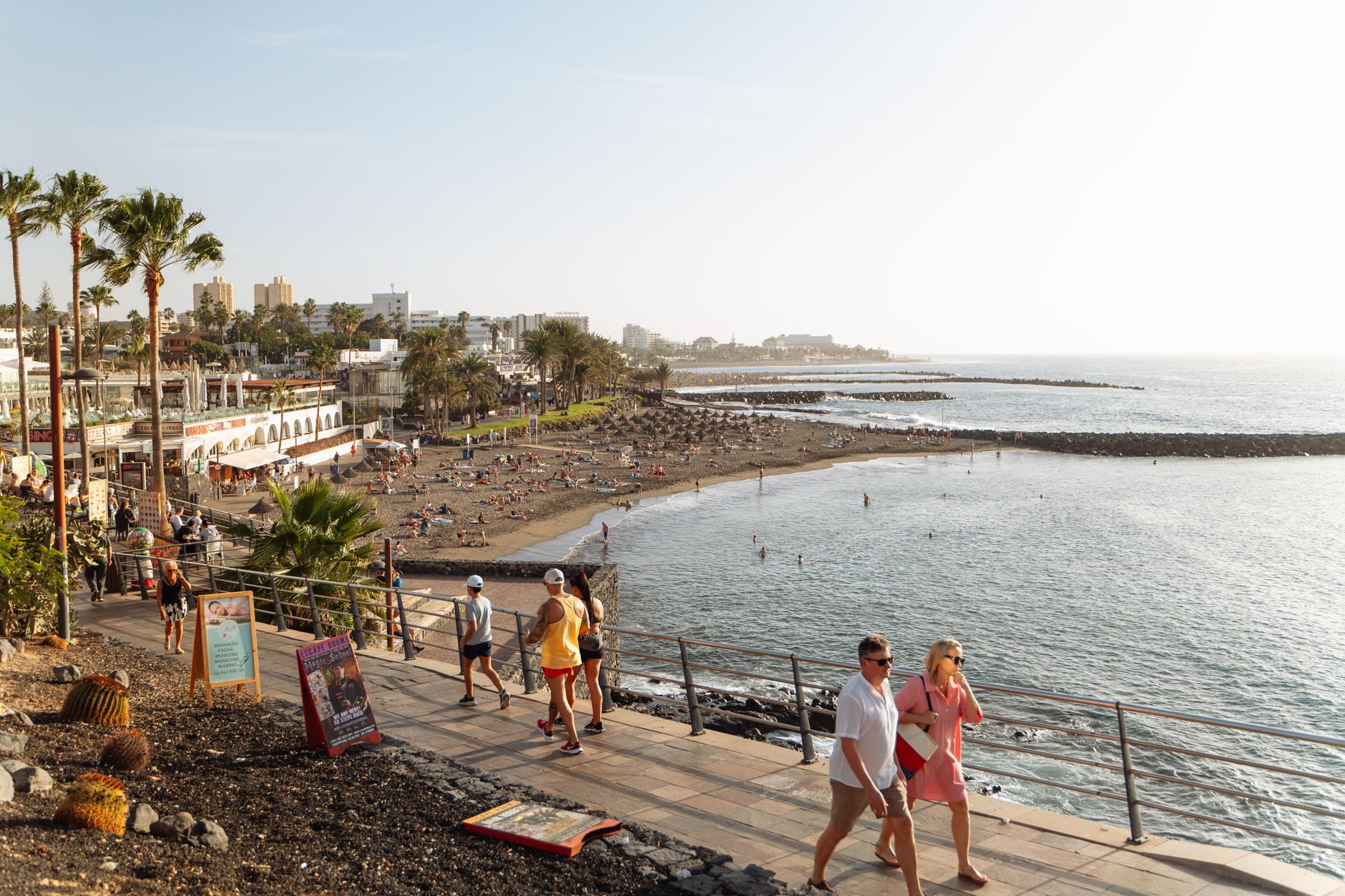
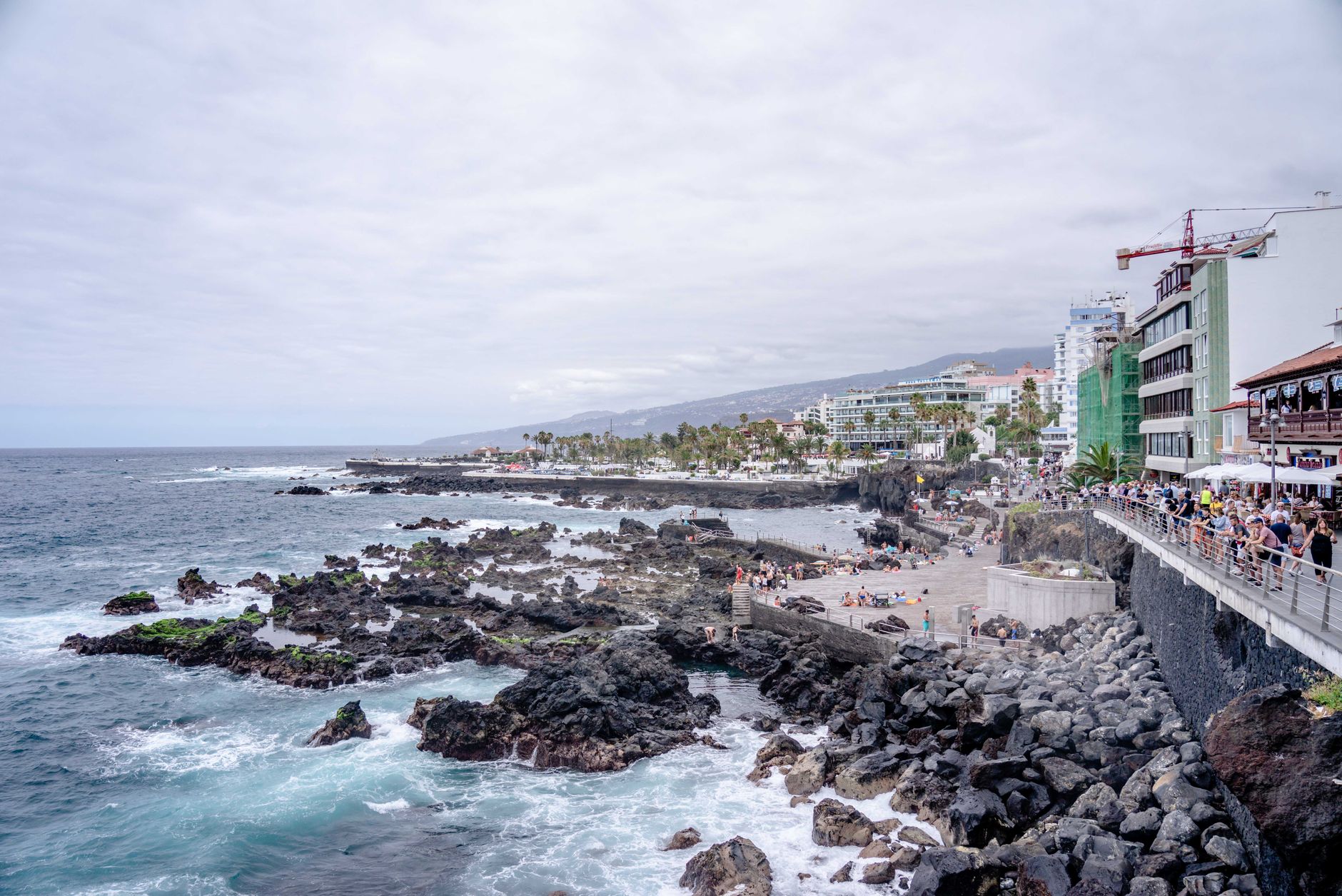
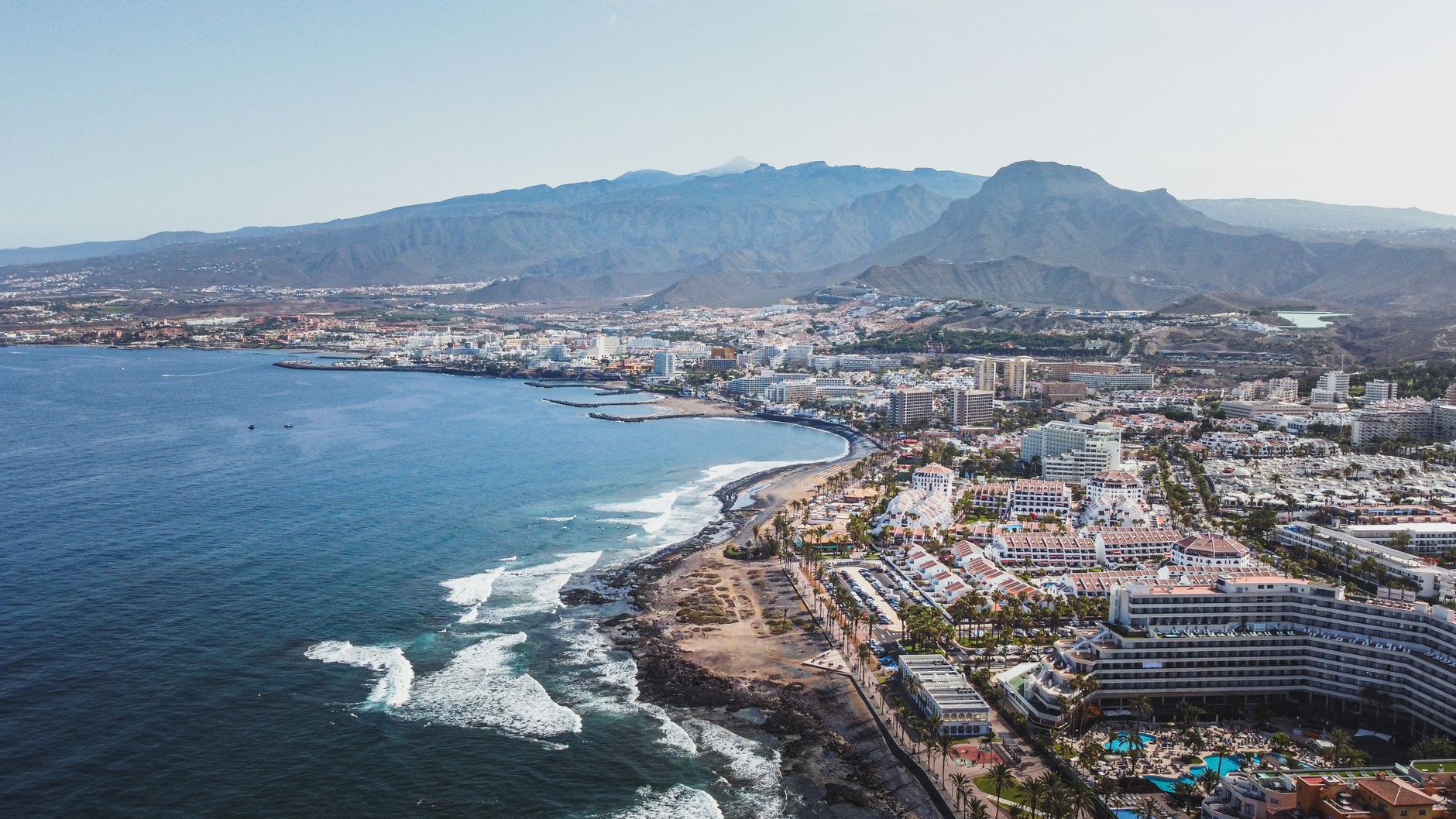
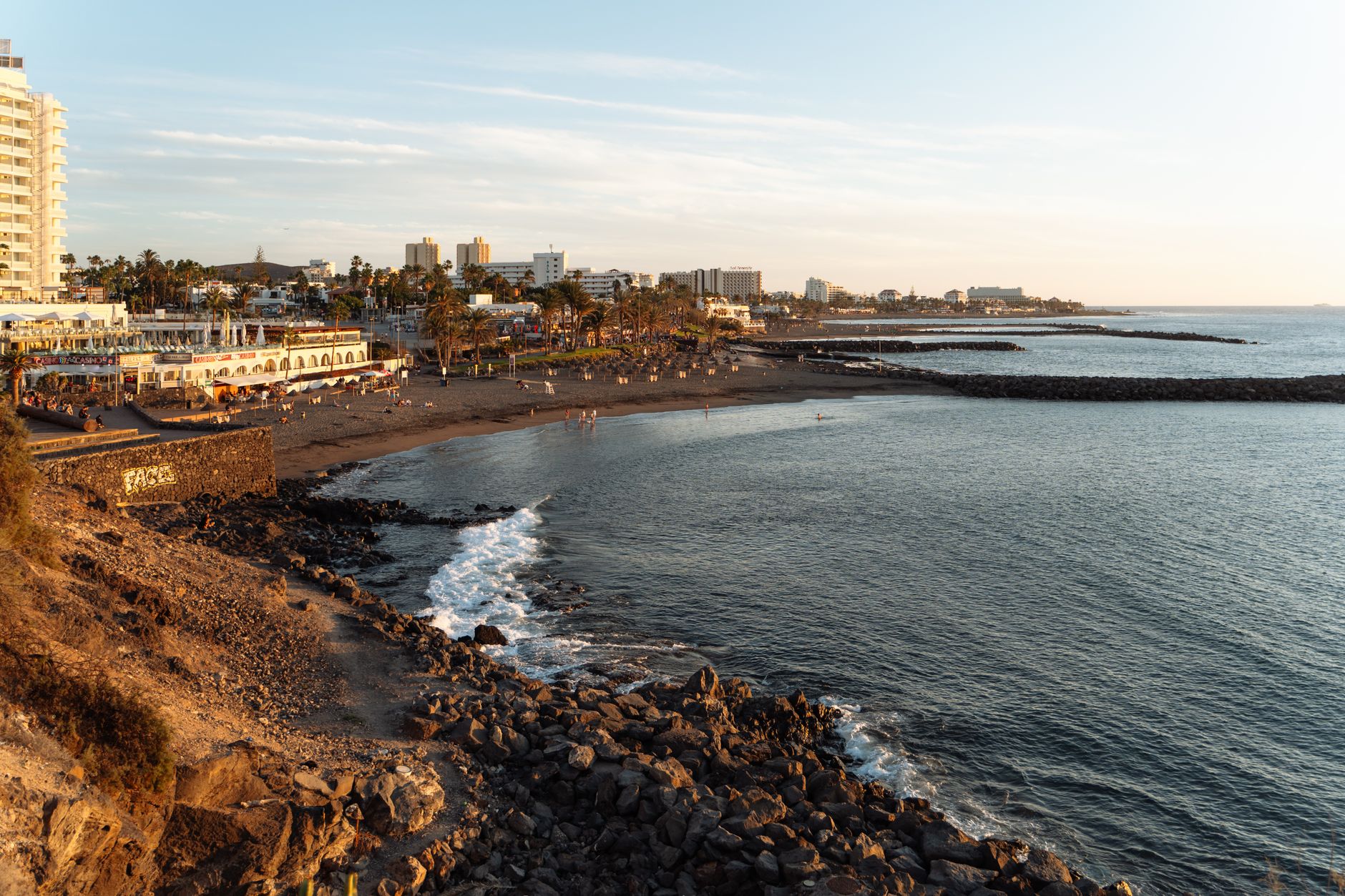
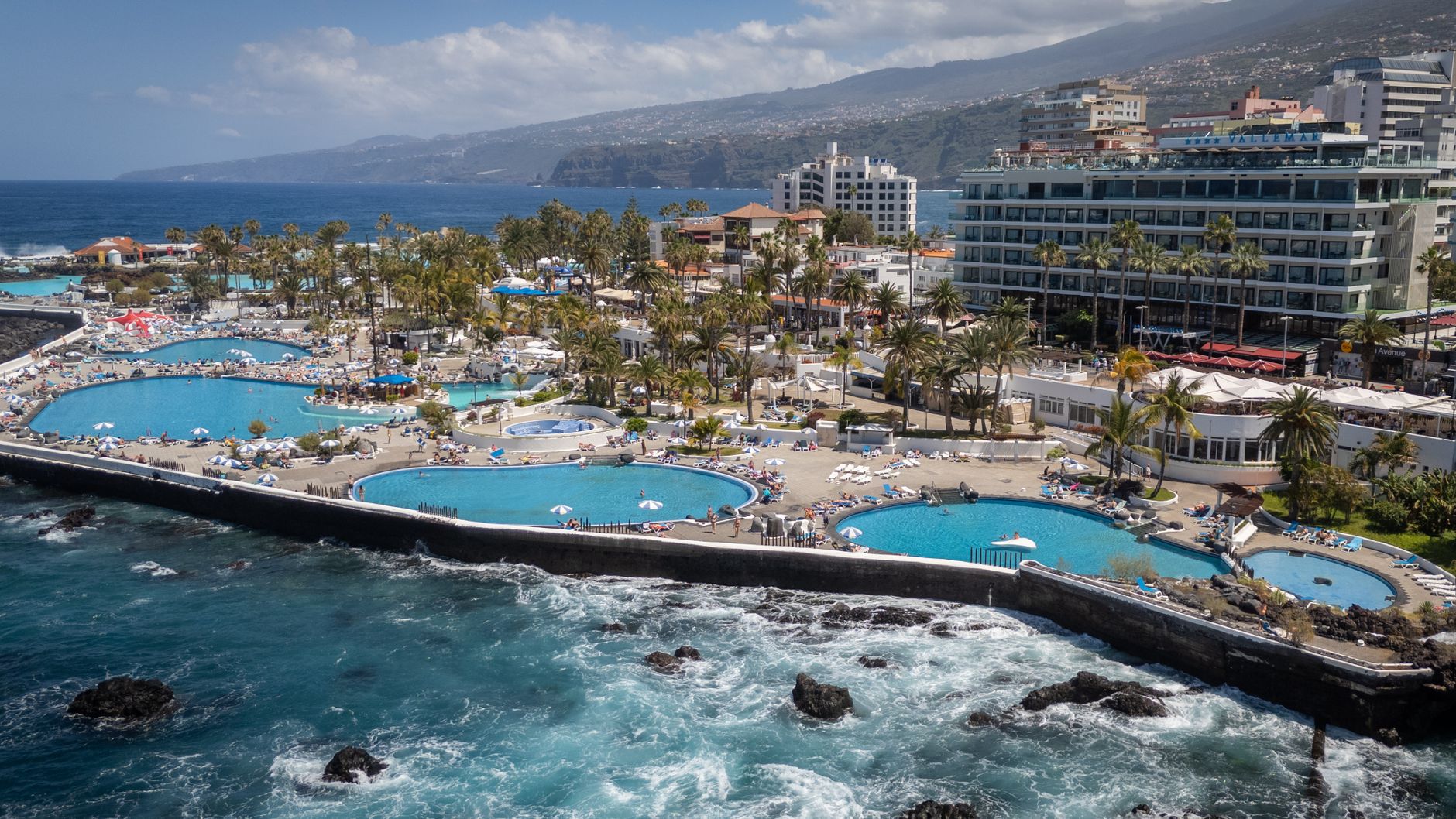
The sand on Playa de las Américas is not from here. It was shipped in from Africa, because the volcanic rock underfoot produces a darkness that early developers decided tourists wouldn't want. That small, practical decision says something true about this place: it was built to a specification, quickly, on what was until the late 1960s empty coastal scrubland straddling two municipalities — Adeje and Arona — on Tenerife's sun-baked southwest tip.
What grew from that blank canvas is one of Europe's most purpose-built resort strips — beaches, nightlife zones, an 18-hole golf course, and a pyramid-shaped auditorium, all arranged along Avenida Las Américas. It is entirely itself, making no apology for what it is.
💛 What travellers fall for
People who come back tend to pick their zone and stick with it — Playa de las Vistas for the calmer southern end, the Troya beaches for proximity to everything, the Veronicas Strip only if you're genuinely up for it. The fountain on Avenida Las Américas does its light show every evening; it's a reliable anchor for an after-dinner walk.
Experiences you don't want to miss


Deals in Playa de las Américas
Book directly at the provider


How Playa de las Américas came to be
In roughly 1965, Catalan industrialist Rafael Puig Lluvina and his son Santiago drove out to look at a stretch of near-deserted coastline on Tenerife's southwest shore. A local builder, Luis Díaz de Losada, had brought them there seeking investors. The land belonged to Antonio Domínguez. By 1968, the first two phases of an urbanization plan had been approved, and apartment blocks with names borrowed from the Americas — Acapulco, Copacabana, Viña del Mar — began to rise.
Gran Tinerfe, the resort's first hotel, opened in 1973, financed by businessman Cándido Luis García Sanjuán. Park Hotel Troya followed in 1974, then Hotel Europa, backed by German businessman Karl F. Gassmann. The opening of Tenerife South airport in 1978 — 20 km away — locked in the resort's trajectory. Fernando Menis, one of the Canary Islands' most notable architects, later designed the Congress and Events Centre, inaugurated in 2005.
Who and what shaped it
People who shaped it
Landmark buildings
See Playa de las Américas in motion
Plan your visit
On the map
When to go
The southwest corner of Tenerife sits in a rain shadow and gets roughly 285 mm of rain a year — most of it in December, almost none in July. Summer runs warm at 24–30°C with sea temperatures reaching 24°C; winter stays mild at 18–22°C, with the sea rarely dropping below 19°C.
Right now
Background & history adapted from Wikipedia (CC BY-SA) · specs from Wikidata (CC0) · weather from Open-Meteo · map data © OpenStreetMap contributors · photos from Wikimedia Commons / Unsplash with per-image credit. No third-party reviews or social posts reproduced.