
Playa Chac Mool
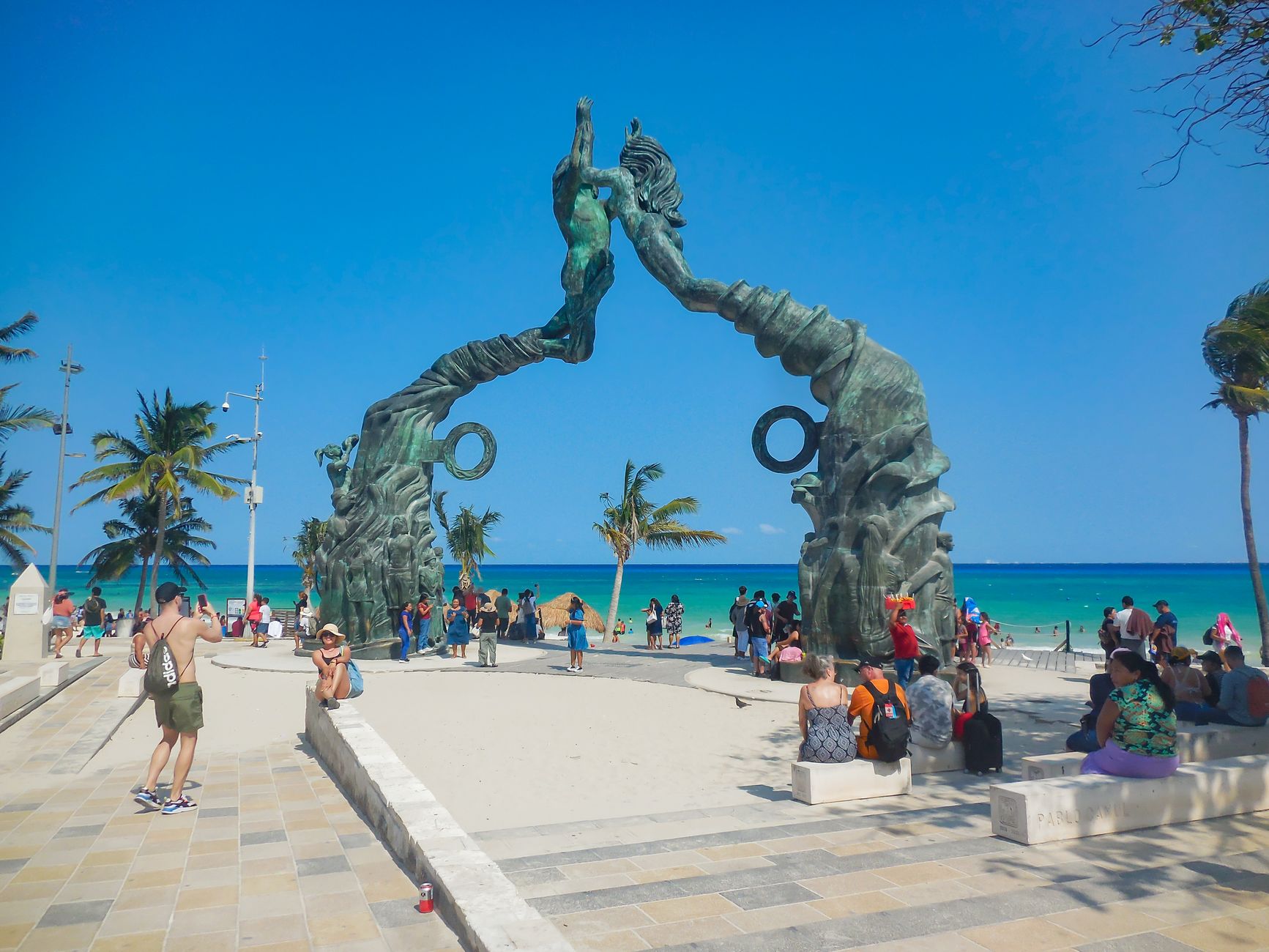
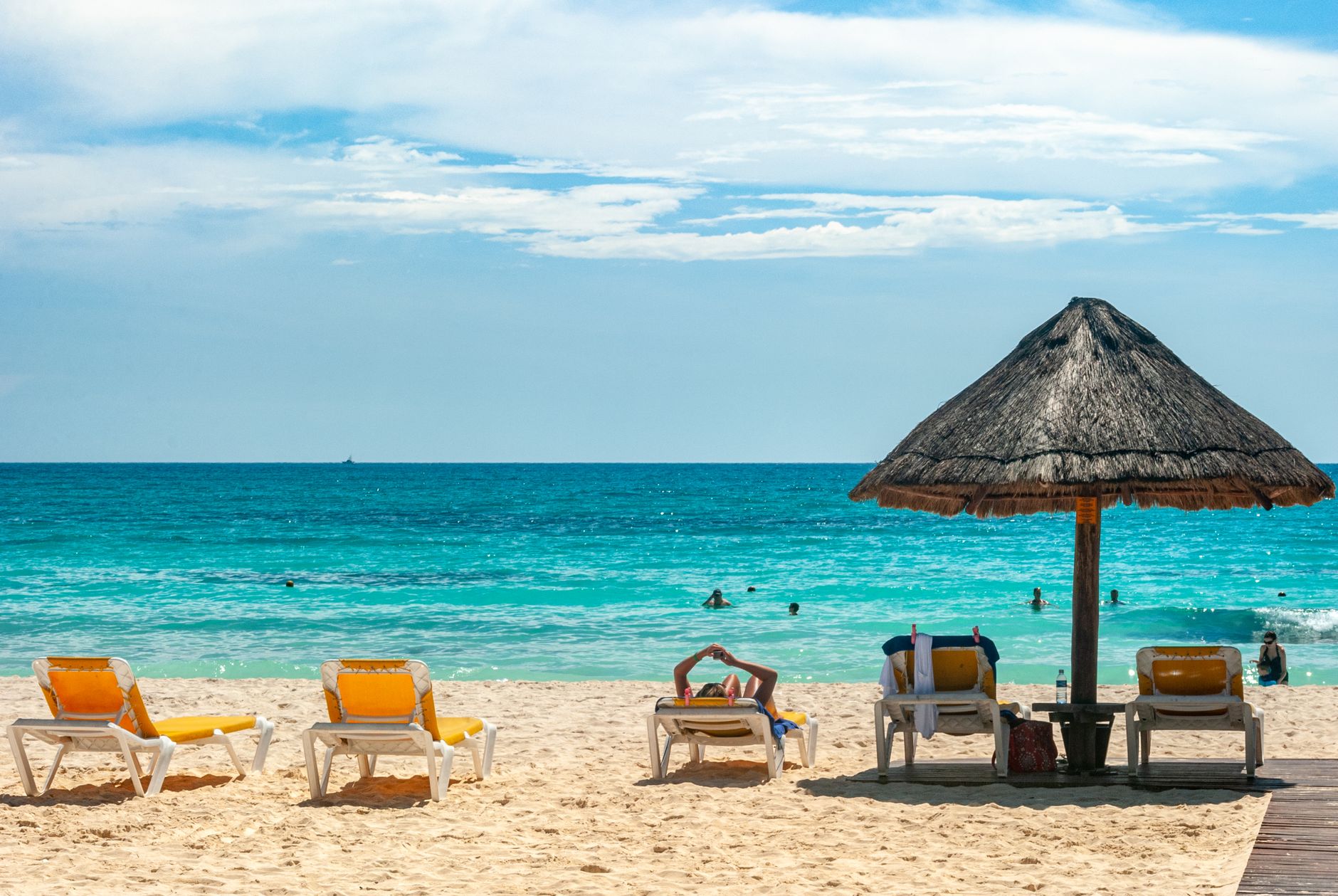
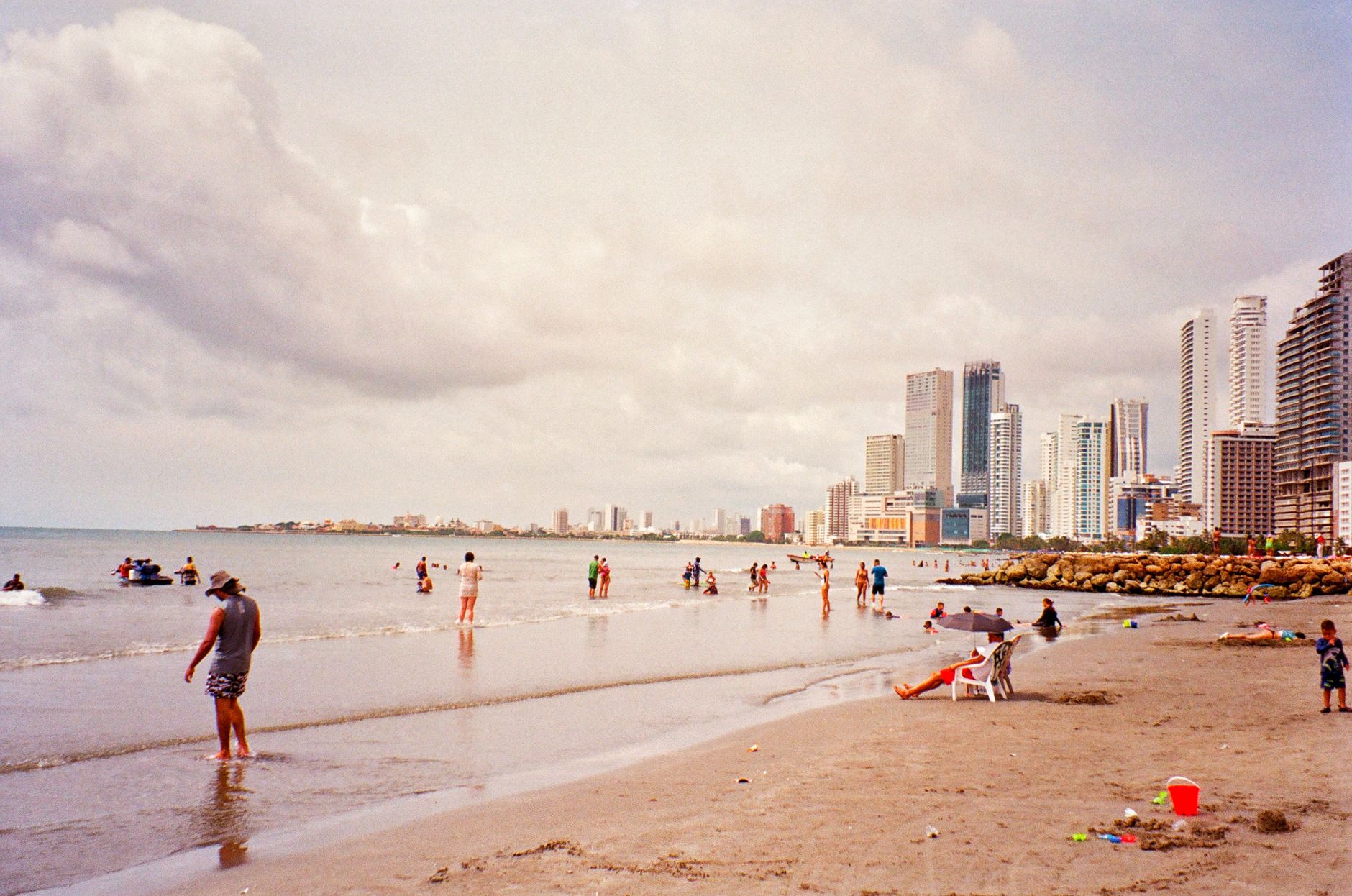
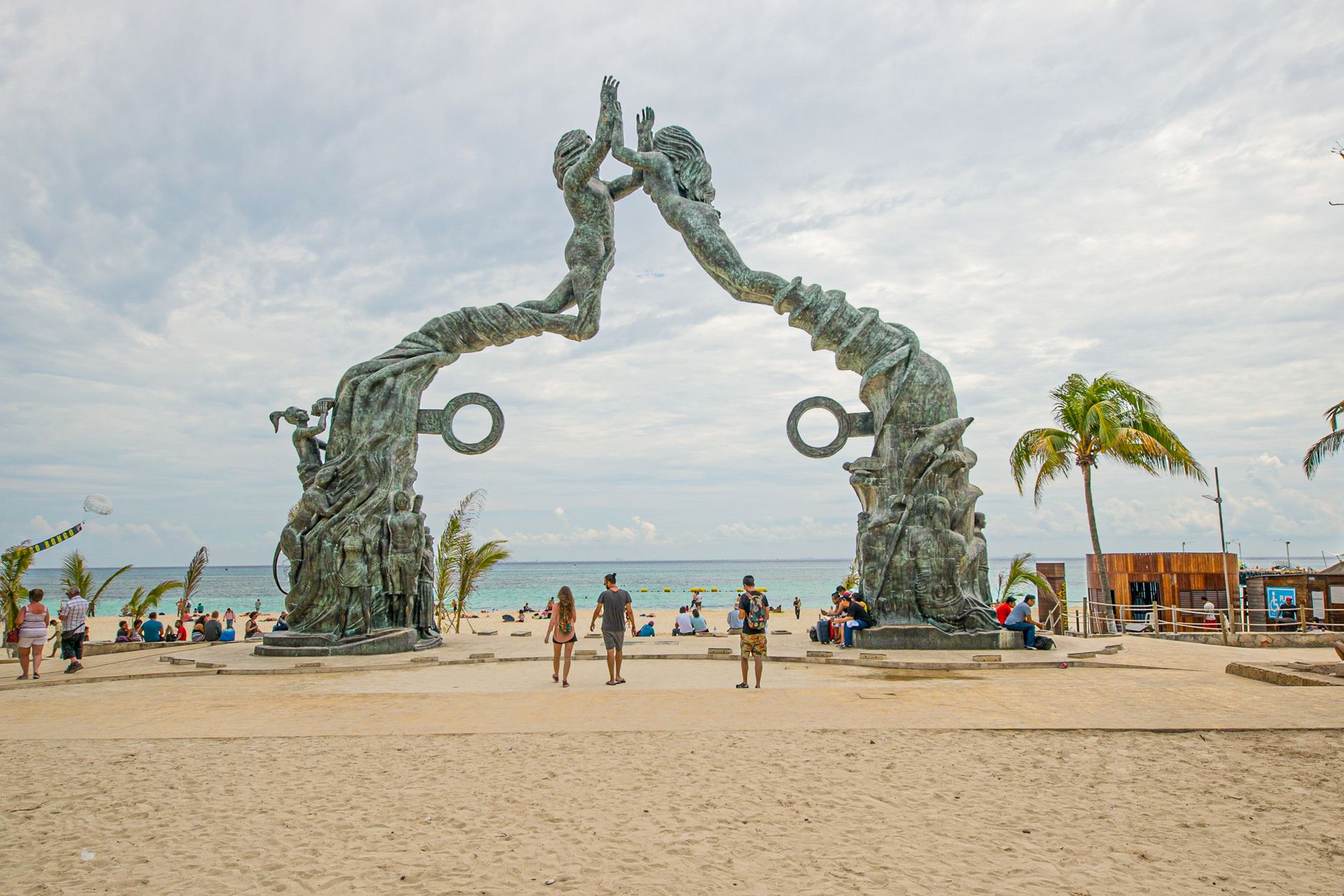
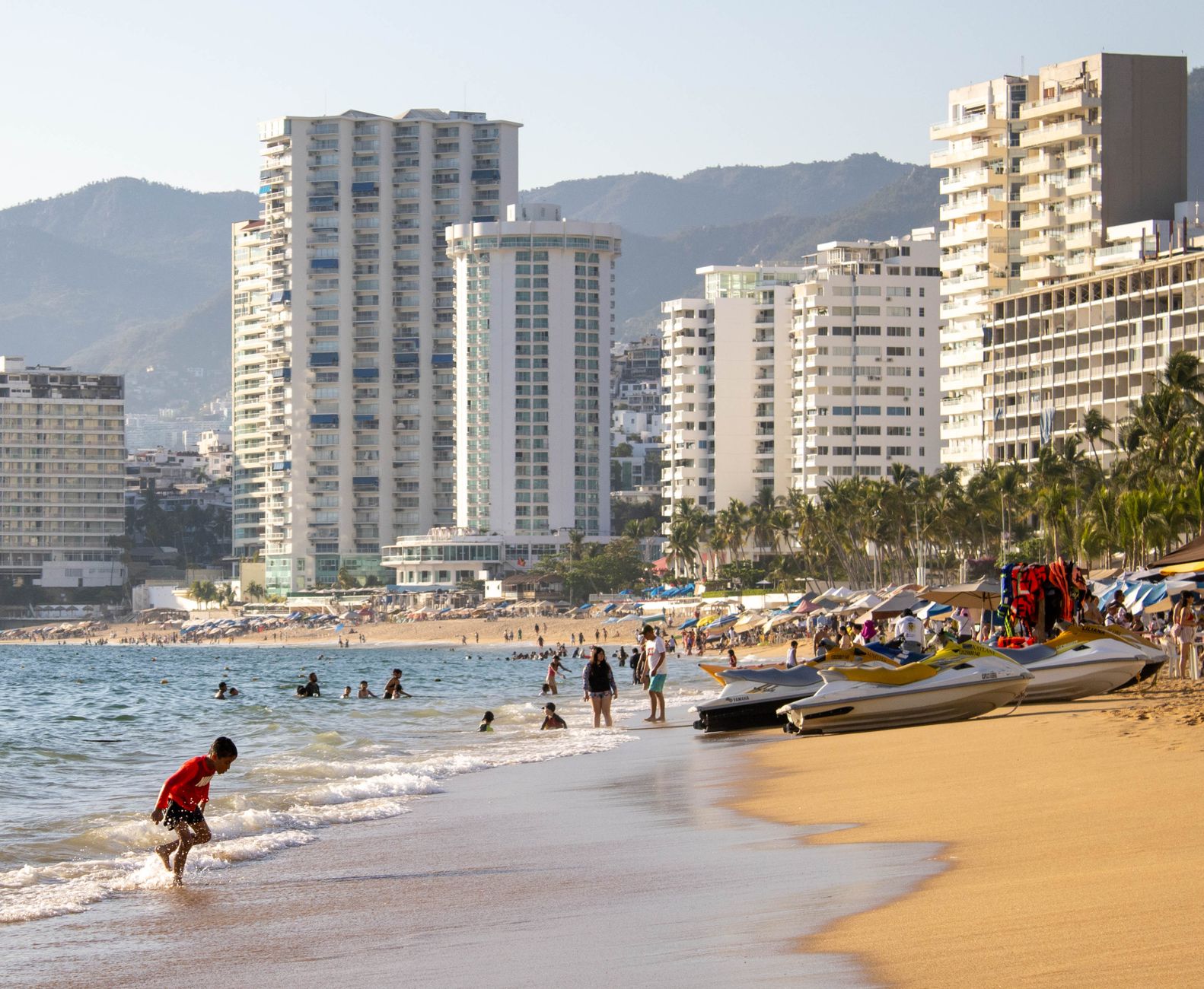
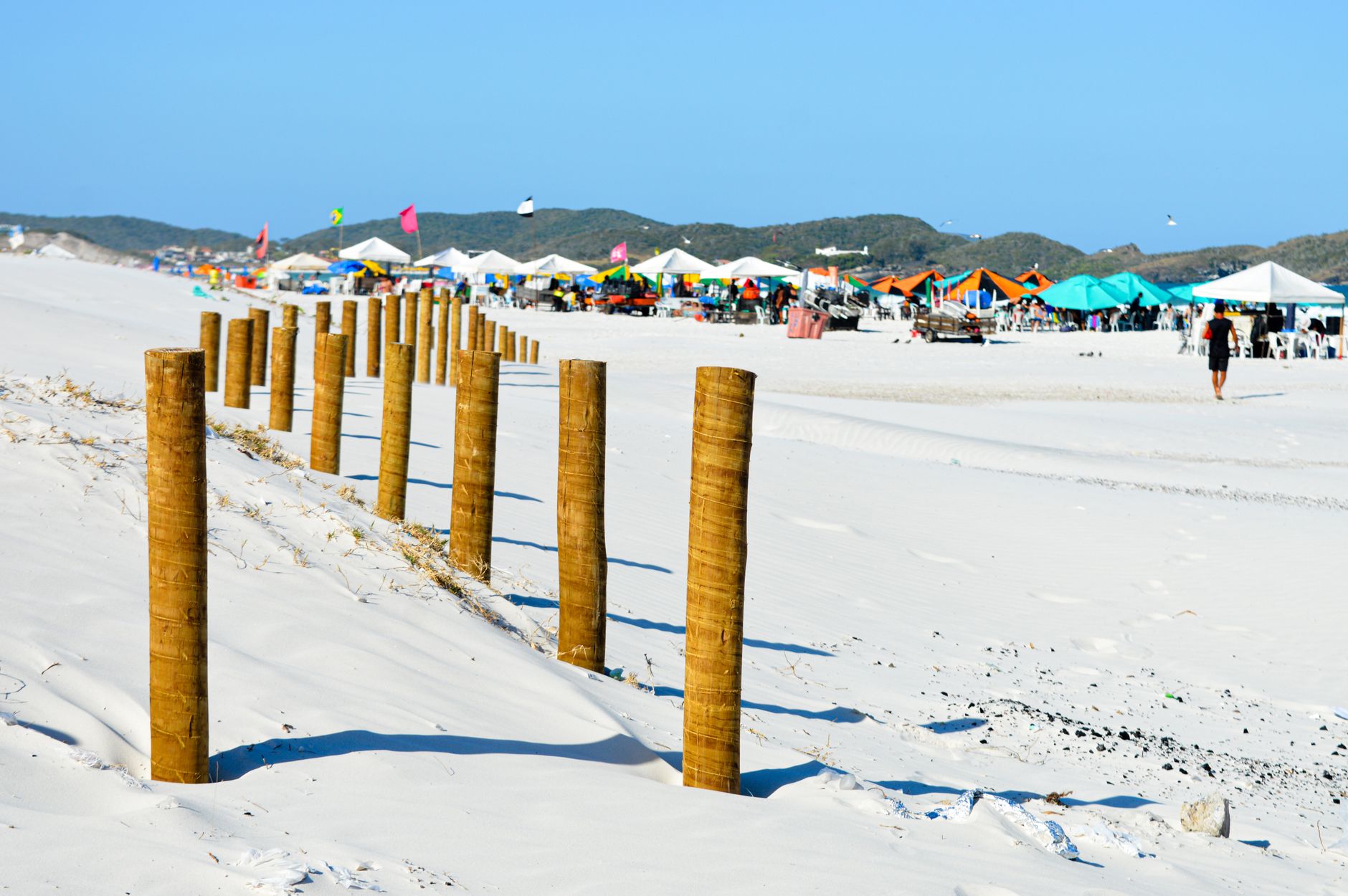
At Km 10 on Boulevard Kukulcán, Playa Chac Mool runs about 350 metres of white sand and earns its Blue Flag certification with lifeguards, gear rentals, and clean water. What sets it apart in the Hotel Zone is the wave: a consistent swell of roughly a metre that rolls in reliably, drawing bodyboarders on weekends and leaving the firm, wet sand to morning runners.
The bottom is rocky in places and the undertow is real — this is not a beach that flatters inattention. Families from Cancún proper show up on Saturdays with their own boards; the international resort crowd tends to drift toward the calmer stretches elsewhere, which keeps the atmosphere here a little more local.
💛 What travellers fall for
People who come back tend to arrive early — before 9am, when the sand is cool and the waves are uncontested. The R1 bus drops you close enough, and the walk from the stop takes two minutes. Skip the chairs-for-hire if you're only bodyboarding; just bring your own towel and rent a board from the water-sports stand near the entrance.
Deals in Playa Chac Mool
Book directly at the provider

How Playa Chac Mool came to be
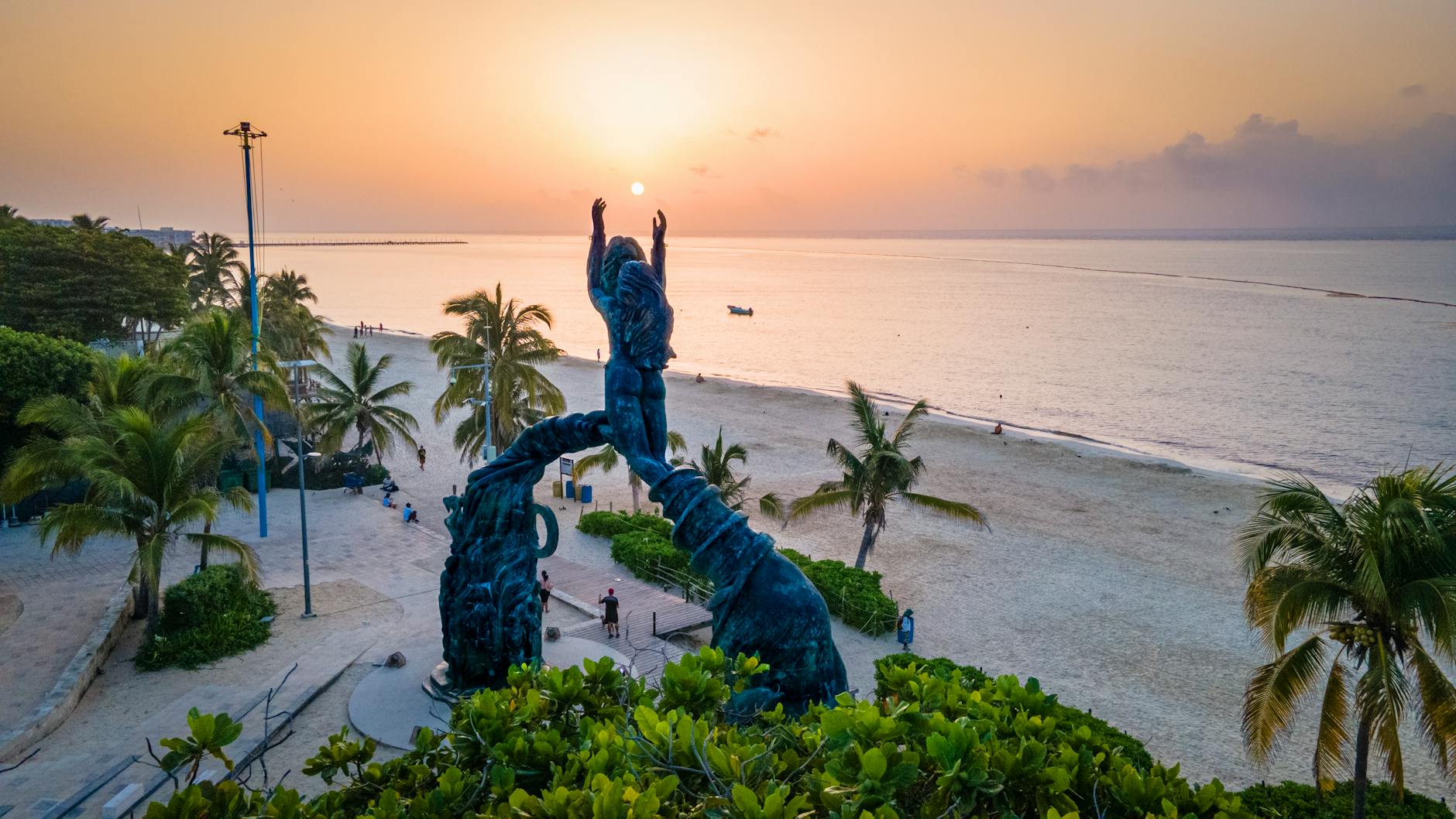
The beach takes its name from the Chac Mool, a form of pre-Columbian Mesoamerican sculpture depicting a reclining figure with a tray across its stomach — an image associated with ancient Mayan ritual. The name grounds this stretch of Caribbean coastline in a deeper regional past.
The shore itself became accessible to the public as part of Cancún's government-planned transformation in the 1970s, when a largely uninhabited sandbar was systematically developed into one of Mexico's primary tourism corridors. Playa Chac Mool sits mid-strip along Boulevard Kukulcán, shaped less by any single architect or decision than by the broader logic of that development — a public beach held open within a zone otherwise dominated by private resort frontage.
Who and what shaped it
Landmark buildings
See Playa Chac Mool in motion
Plan your visit
On the map
When to go
The water stays between 26-29°C year-round, and air temperatures support swimming and sunbathing in every month. Waves are biggest from November through March during Norte season — good for bodyboarding, less so for calm swimming; the rainy season runs June through October, with higher humidity and occasional afternoon downpours.
Right now
Background & history adapted from Wikipedia (CC BY-SA) · specs from Wikidata (CC0) · weather from Open-Meteo · map data © OpenStreetMap contributors · photos from Wikimedia Commons / Unsplash with per-image credit. No third-party reviews or social posts reproduced.