
Pisagua
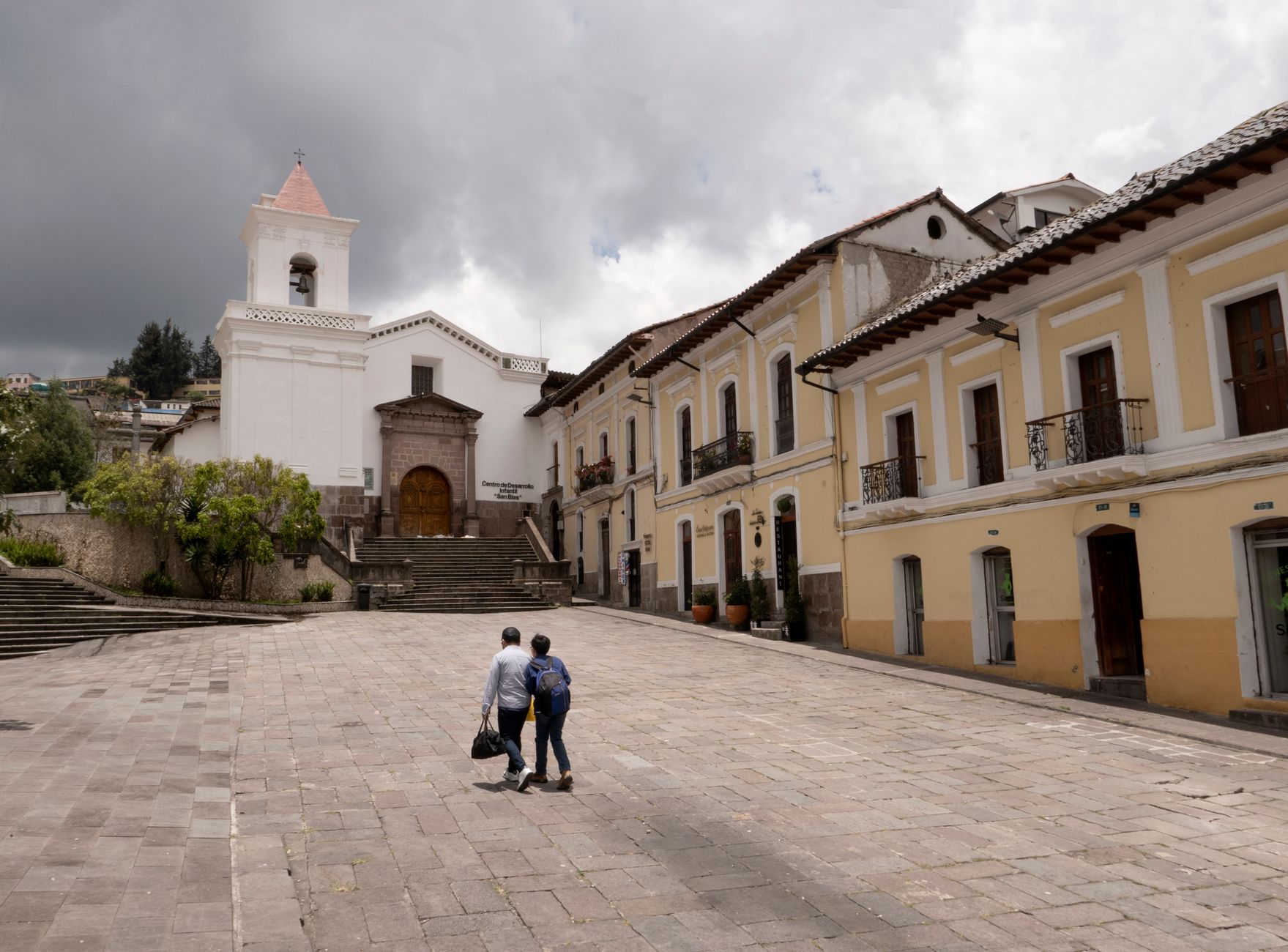
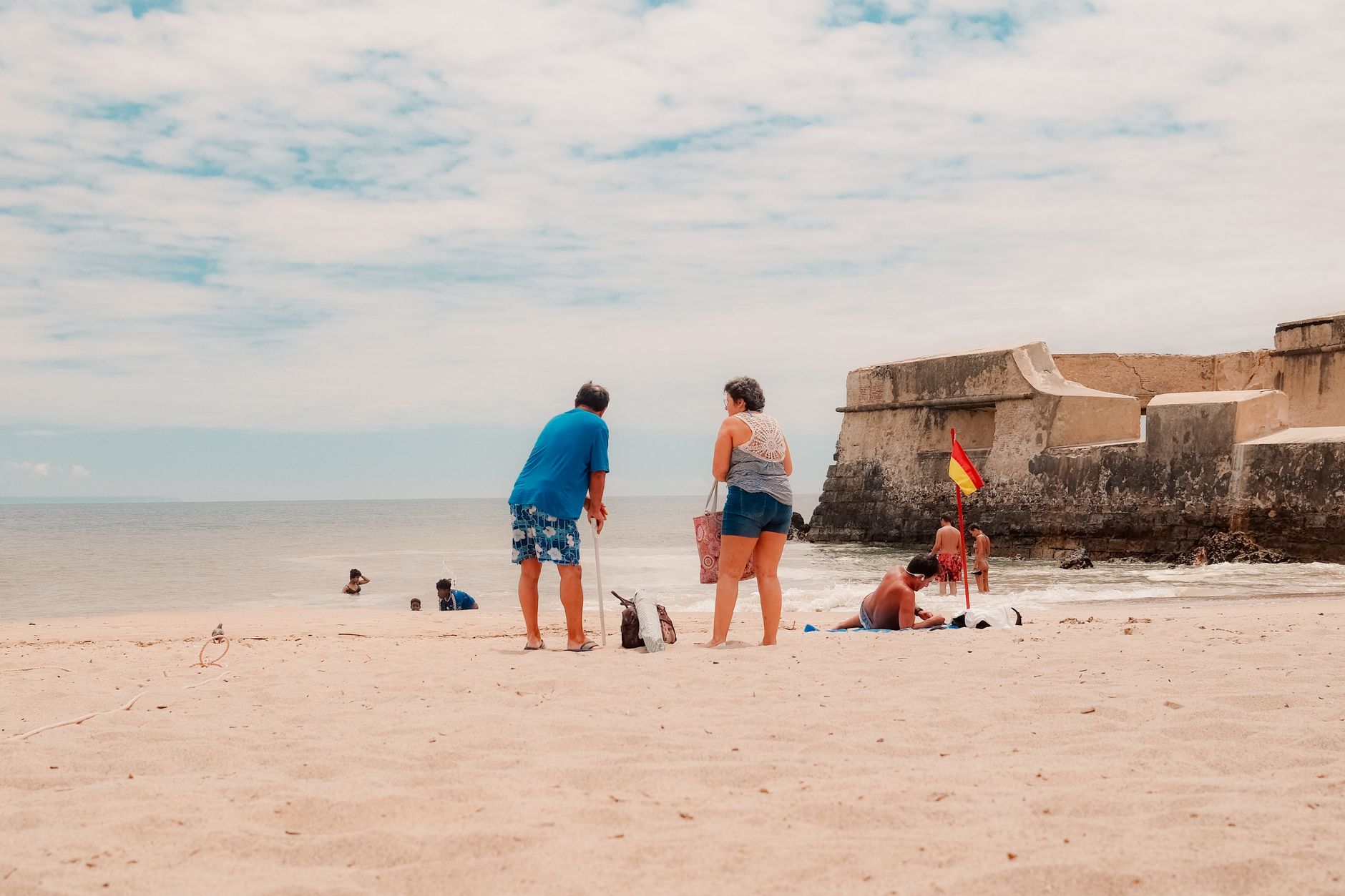
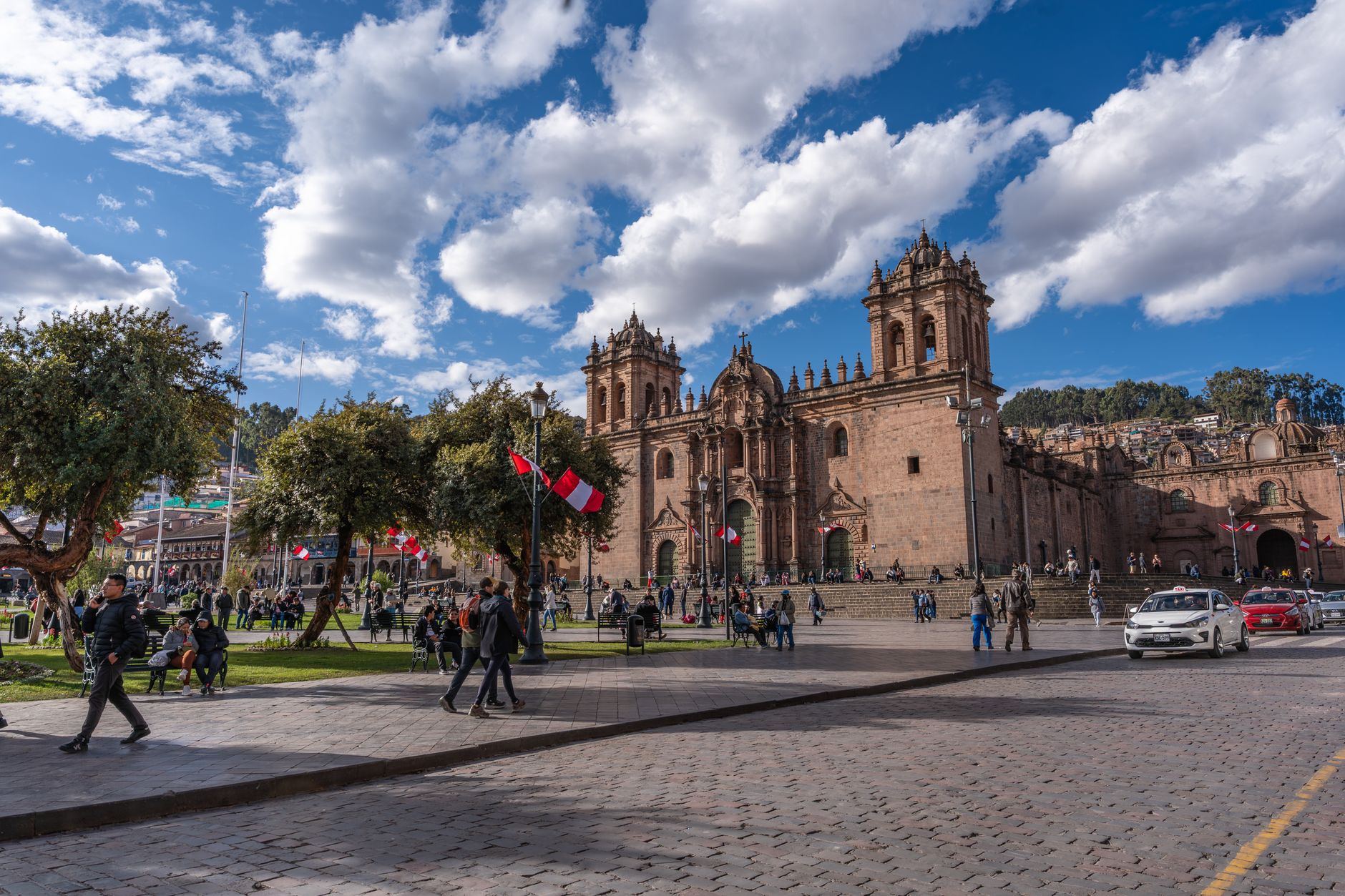
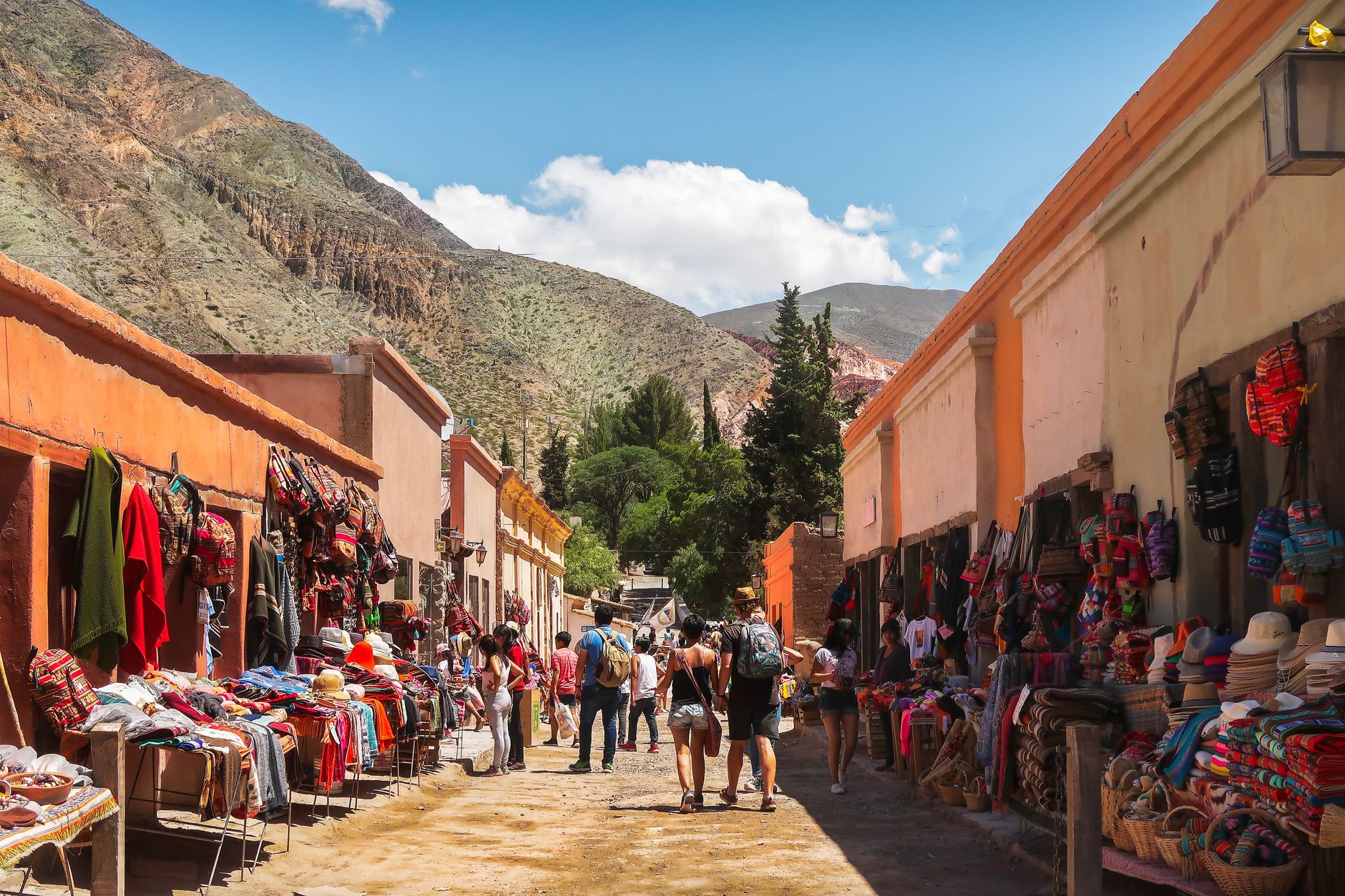
The road to Pisagua drops off the Atacama plateau through a series of switchbacks that feel like the edge of a map — bare ochre cliffs, no guardrails, the Pacific appearing below you all at once. What waits at the bottom is a village of roughly 260 people, a clock tower, a wooden theatre that hasn't hosted a performance in decades, and a weight of history that the salt air hasn't managed to dissolve.
Pisagua's name comes from Quechua words meaning 'place of scarce water', which tells you something about the terms on which people have always lived here. Founded in 1611 as a colonial customs post, it later grew rich on guano and nitrates, survived a magnitude-9 earthquake in 1868, and was occupied by Chilean forces during the War of the Pacific in 1879. The boom faded; the buildings stayed.
💛 What travellers fall for
People who come back tend to mention the same things: the Oregon-pine buildings standing half-derelict in the afternoon light, the corrugated-metal bell tower of Parroquia San Pedro, and the silence. Walk to the cemetery on the headland — the mass grave discovered there in 1990 is marked, and it asks something of you that most travel doesn't.
Deals in Pisagua
Book directly at the provider


How Pisagua came to be
A 1611 edict by the Viceroy of Peru established Pisagua to intercept contraband silver and gold being smuggled from the mines of Potosí and Oruro to northern ports. Settlers came for guano, then stayed for nitrates. By the late 19th century, the port ranked behind only Valparaíso and Iquique in national importance, with bank offices, a railway terminus, and architecture — tall arched doors, balconied facades — that matched Iquique's ambition.
The 20th century dismantled all of that, but added a darker chapter. The town's relative isolation made it useful to successive governments as a detention site: Carlos Ibáñez del Campo sent prisoners here in the late 1920s, Gabriel González Videla turned it into a concentration camp for leftists in 1947–48 — with a young Army Captain named Augusto Pinochet assigned to run it — and the same logic returned after 1973. A mass grave found in June 1990 contained 20 bodies. The faded paint on the old buildings and the cemetery on the hill are not separate stories.
Who and what shaped it
People who shaped it
Landmark buildings
See Pisagua in motion
Plan your visit
On the map
When to go
The coast keeps temperatures moderate by Atacama standards — expect daytime highs around 20°C most of the year, with nights that drop sharply regardless of season. Rain is essentially theoretical here; spring (September–November) and autumn (March–May) offer the most comfortable days, while the clearest skies for stargazing come in the dry winter months of June through August.
Background & history adapted from Wikipedia (CC BY-SA) · specs from Wikidata (CC0) · weather from Open-Meteo · map data © OpenStreetMap contributors · photos from Wikimedia Commons / Unsplash with per-image credit. No third-party reviews or social posts reproduced.