
Pirna
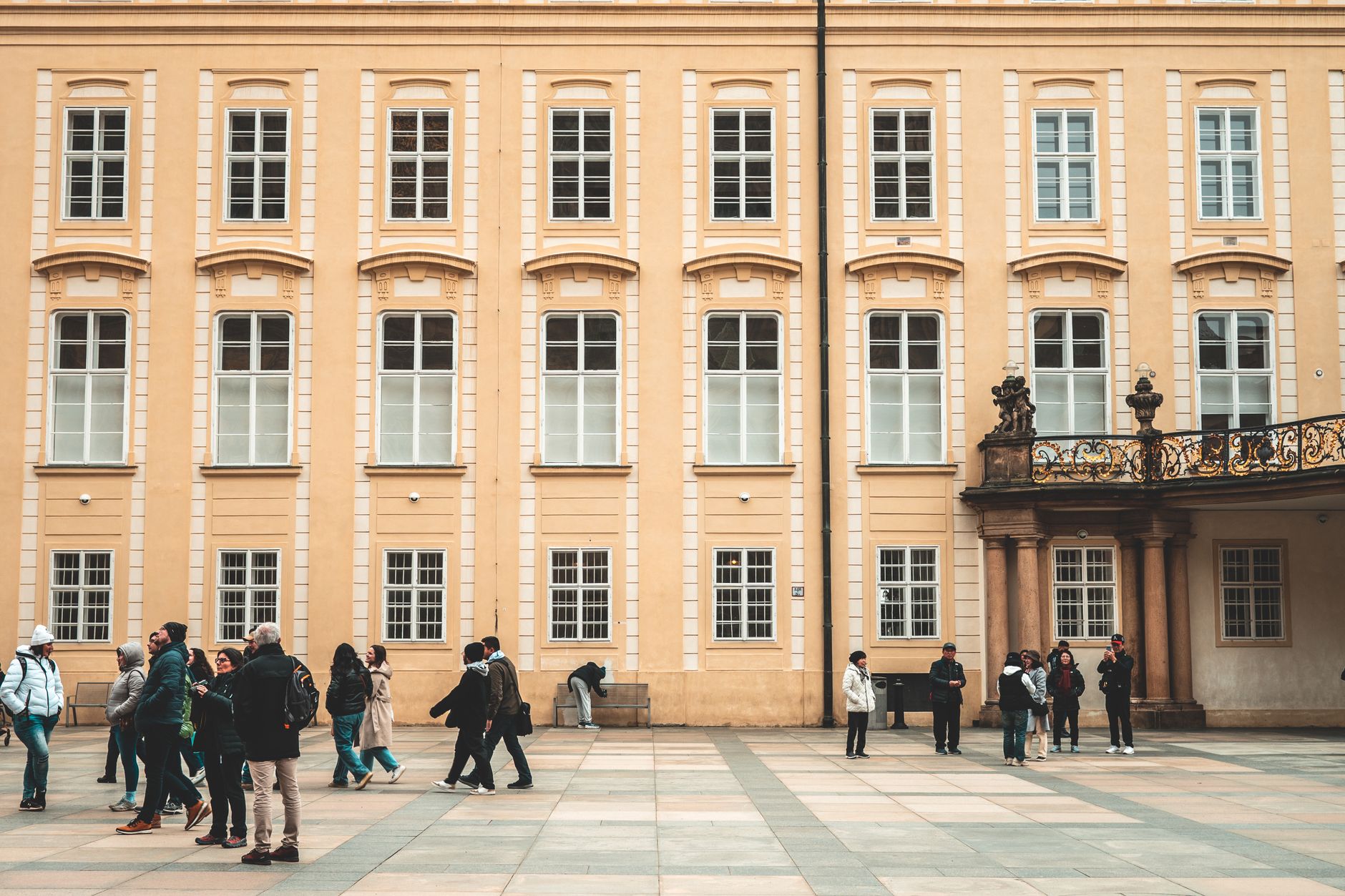
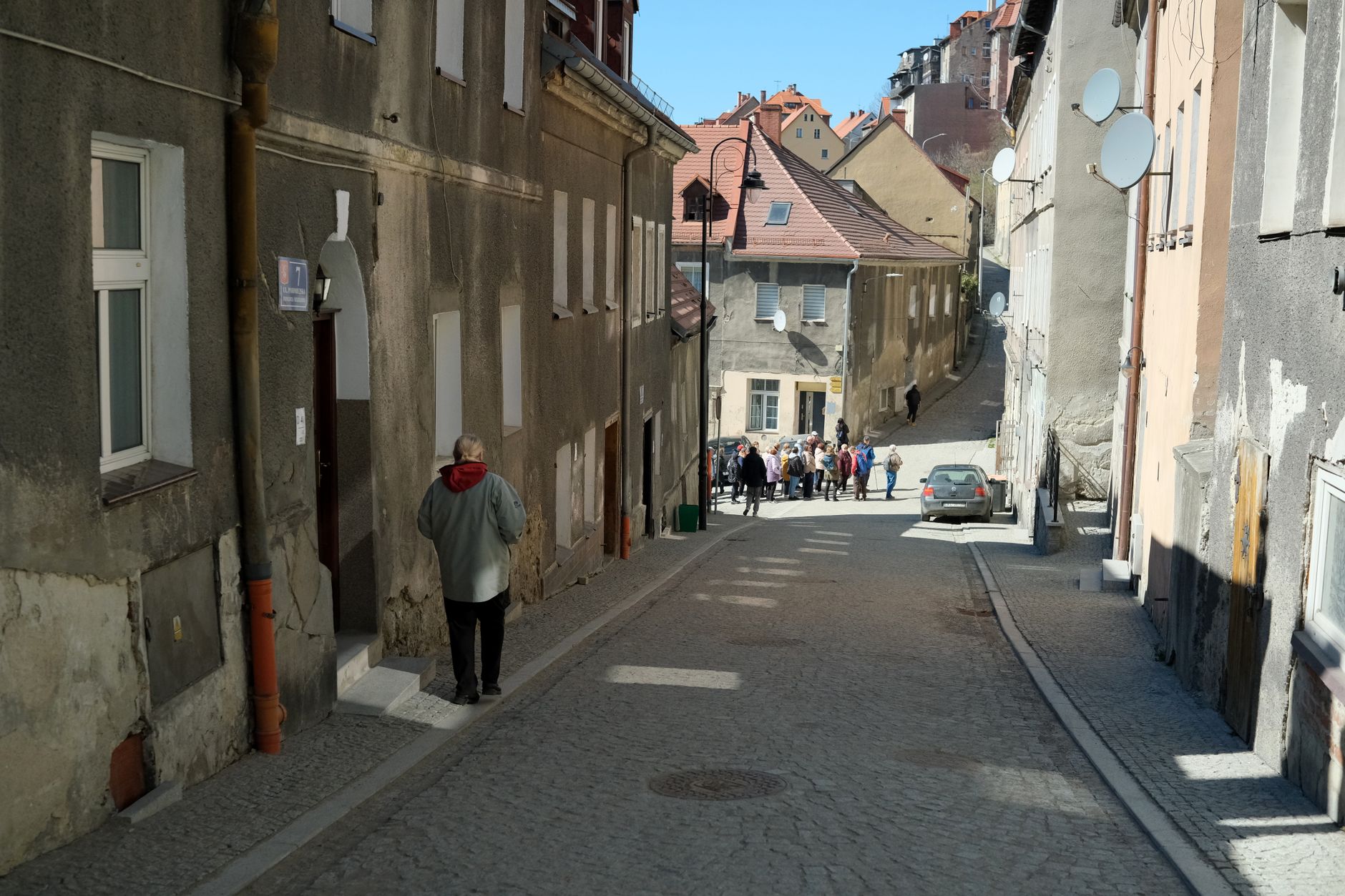
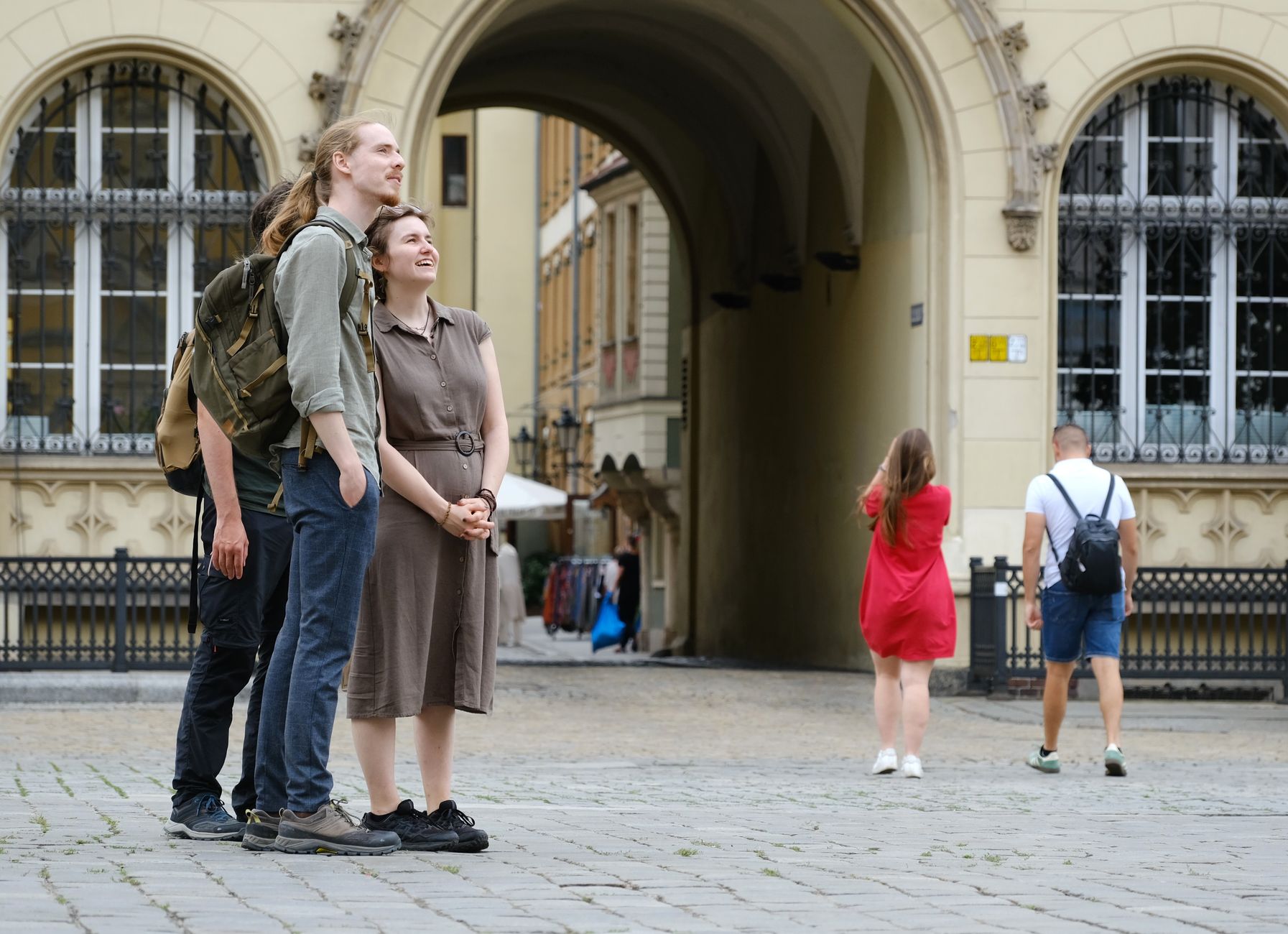
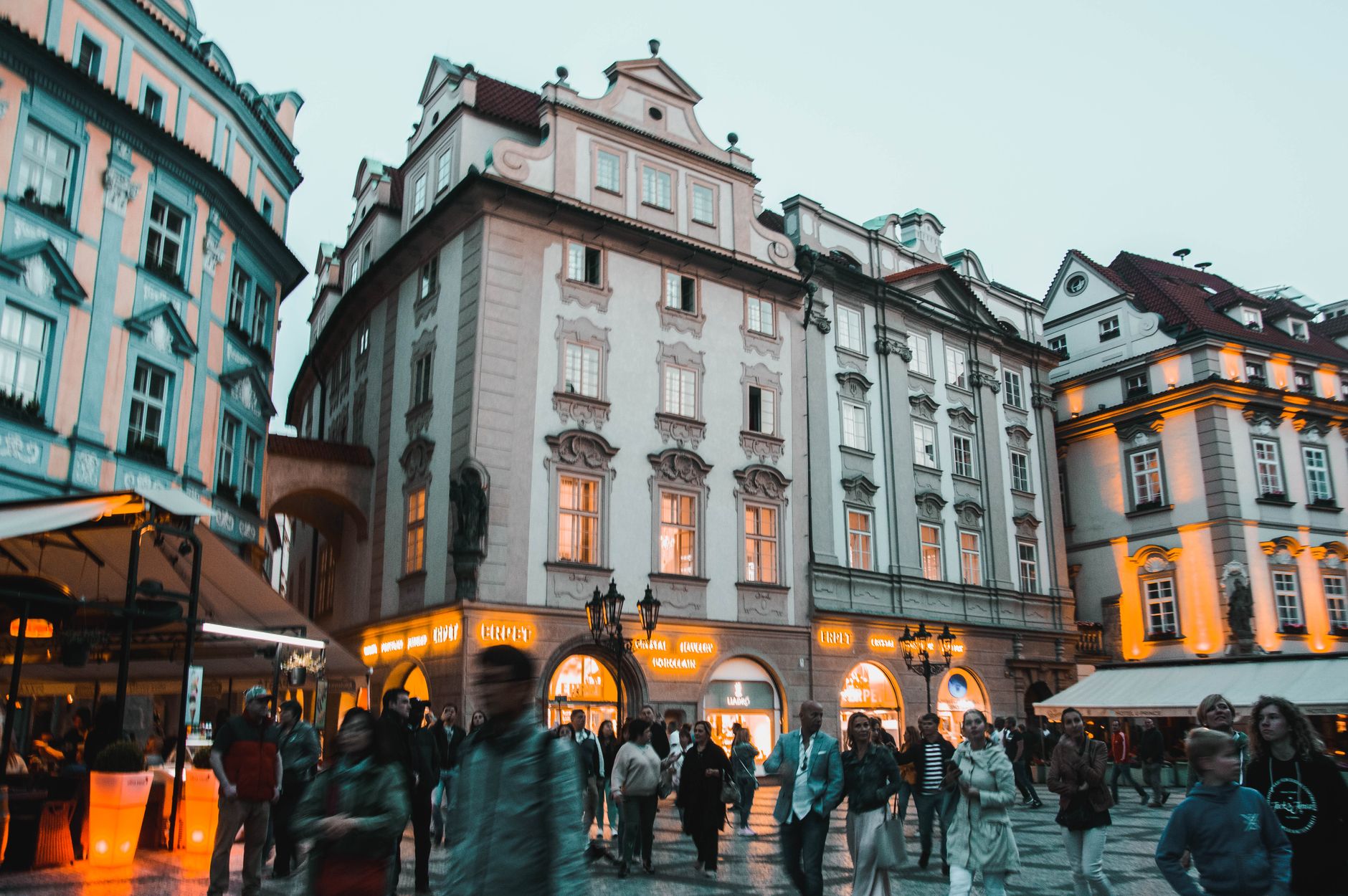
Pirna sits where the Elbe tightens before pushing into the gorges of Saxon Switzerland, and the town holds its ground with the quiet confidence of somewhere that has been here a long time. The chessboard street grid of the Altstadt — east-west, north-south, cut with almost mathematical intention — tells you this was a planned town, not one that grew by accident. Above it all, Sonnenstein Castle rides a rocky crag with seven centuries of complicated history behind its walls.
What keeps Pirna distinct from the sandstone drama of the national park nearby is its density of ordinary civic life layered over an extraordinary past. The market square, the late-Gothic vaults of St. Mary's Church, the stone-vaulted rooms of the old Dominican monastery — they accumulate into something more than a day stop between Dresden and the river valley.
💛 What travellers fall for
People who return tend to mention the Stadtmuseum almost in passing — go early, before the day-trippers arrive from Dresden. The S-Bahn from Dresden Hauptbahnhof is less than half an hour, which makes an unhurried morning in the Altstadt followed by the Sonnenstein Memorial entirely doable without a car or a plan made weeks in advance.
Deals in Pirna
Book directly at the provider


How Pirna came to be
The name Pirna comes from the Sorbian phrase meaning 'on the hard stone' — an apt description for a town built on and around sandstone bluffs above the Elbe. Founded during the second Eastern German colonisation under Henry III, Margrave of Meissen, it appears in documents from 1233. Bohemia held it from 1293, when King Wenceslaus II acquired both town and castle, until 1405.
The Reformation arrived in 1539 when Anton Lauterbach, a friend of Martin Luther, became pastor. Construction of St. Mary's Church had begun in 1502 under Meister Peter Ulrich von Pirna, and the railway followed in 1838, pulling Pirna into the industrial age. The 20th century left deeper marks: the Sonnenstein, once a castle and later a psychiatric institution, became the site of killings under the Nazi T4 programme — a history addressed in the permanent memorial opened there in 2000.
Who and what shaped it
People who shaped it
Landmark buildings
See Pirna in motion
Plan your visit
On the map
When to go
Summers are mild rather than hot, with July highs averaging around 19°C — good walking weather, though July also brings the most rain. Winters are cold and often cloudy, with January temperatures hovering just below freezing and a reasonable chance of snow.
Right now
Background & history adapted from Wikipedia (CC BY-SA) · specs from Wikidata (CC0) · weather from Open-Meteo · map data © OpenStreetMap contributors · photos from Wikimedia Commons / Unsplash with per-image credit. No third-party reviews or social posts reproduced.