
Perros-Guirec
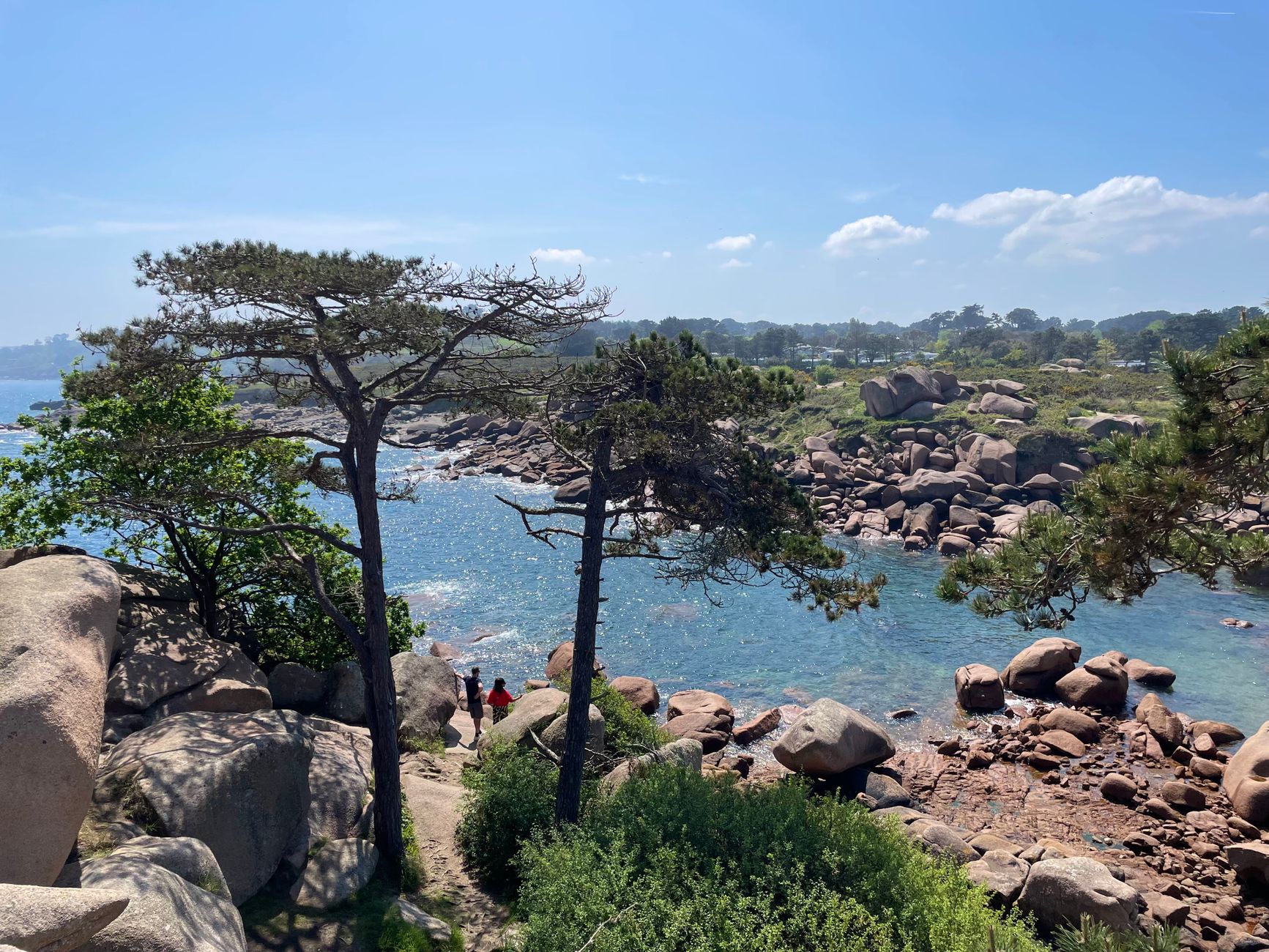
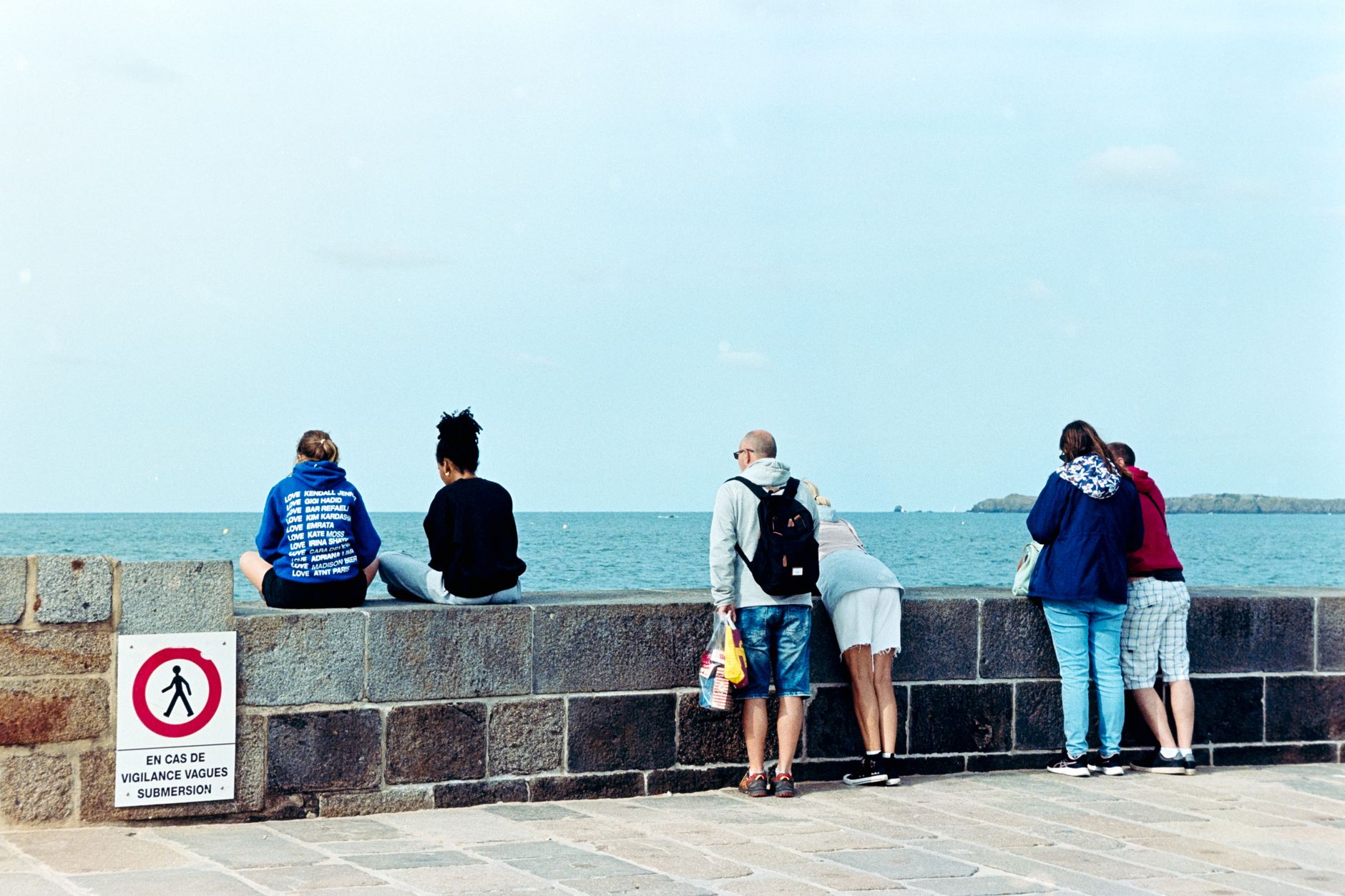
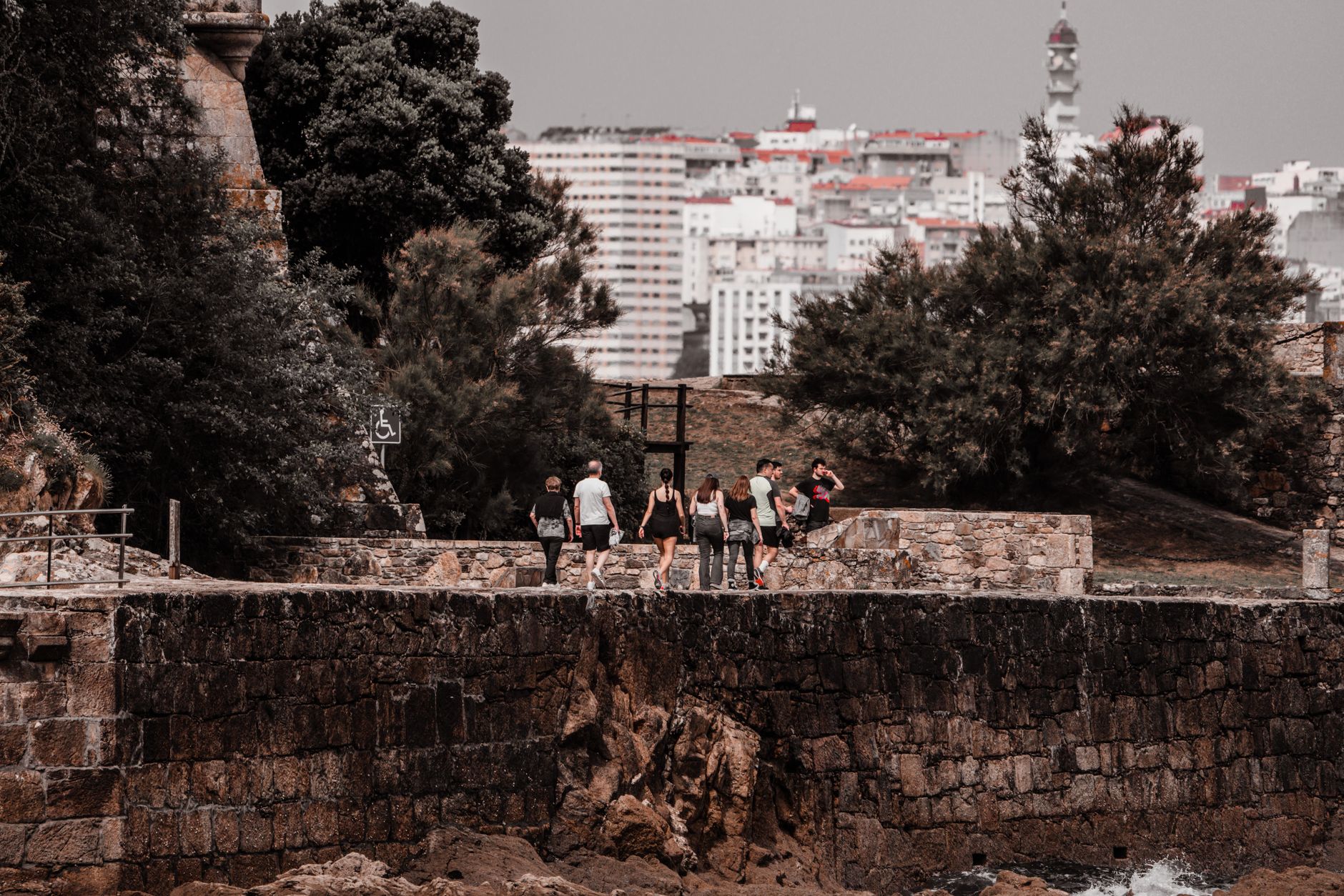
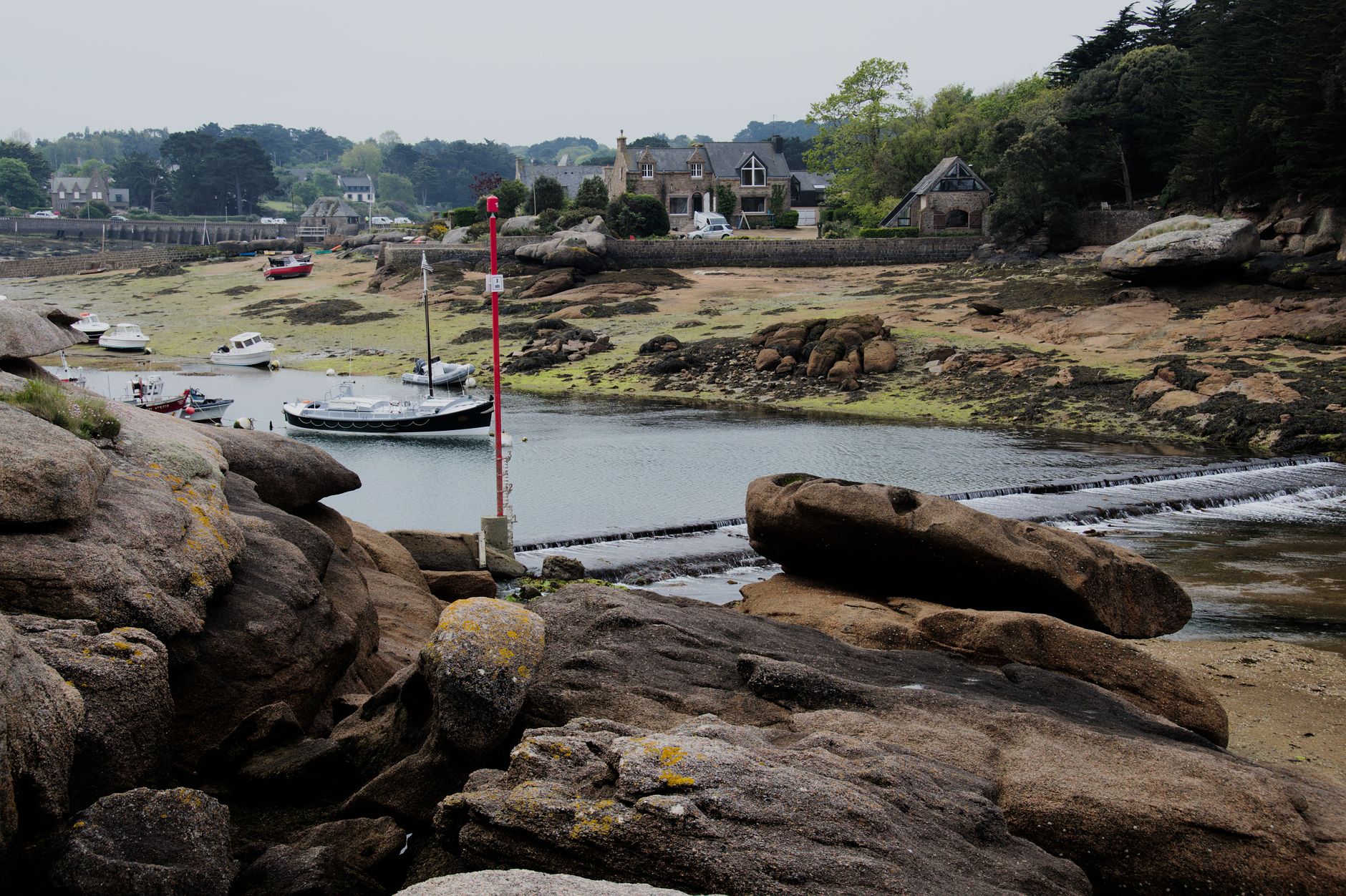
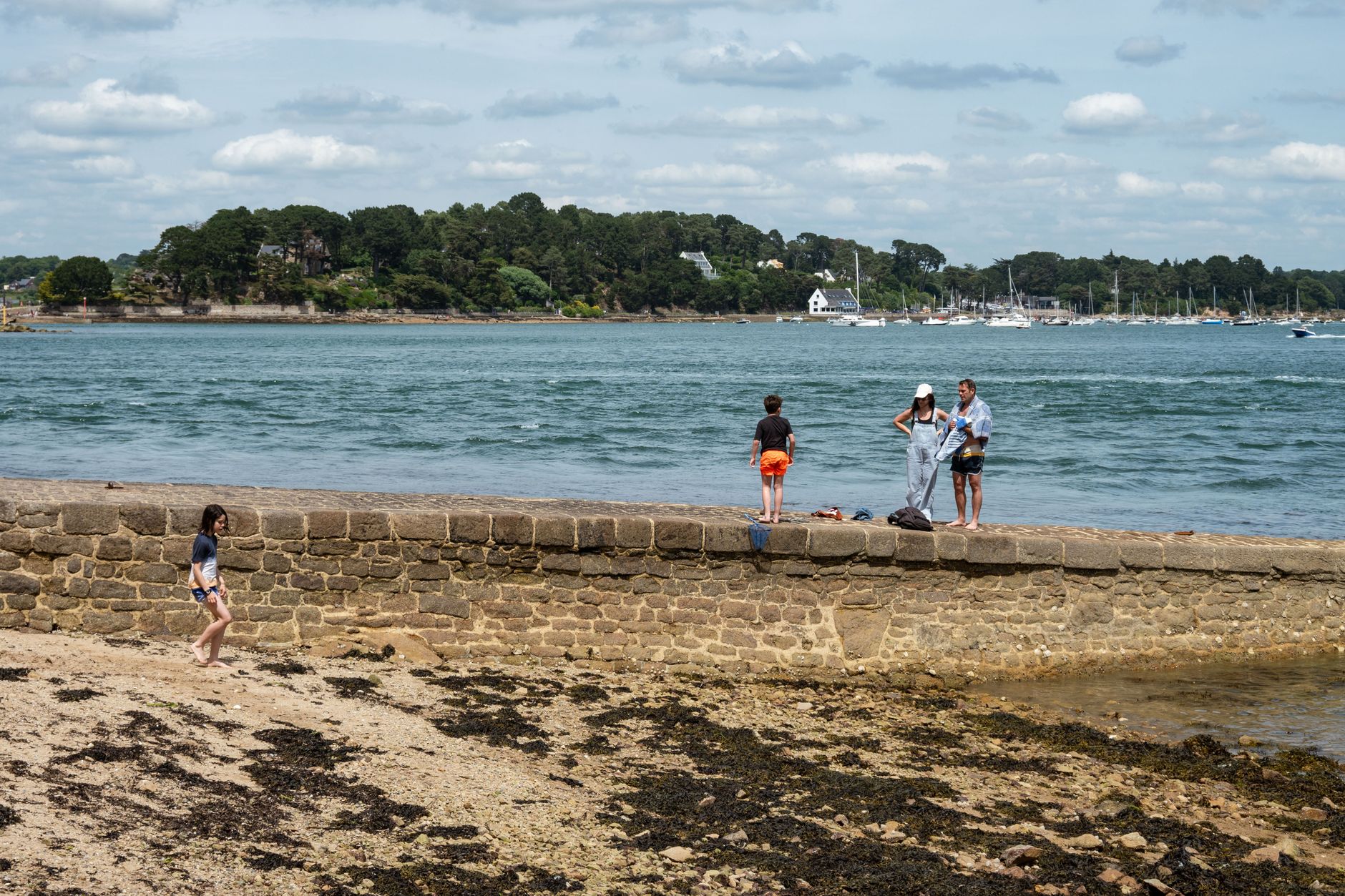
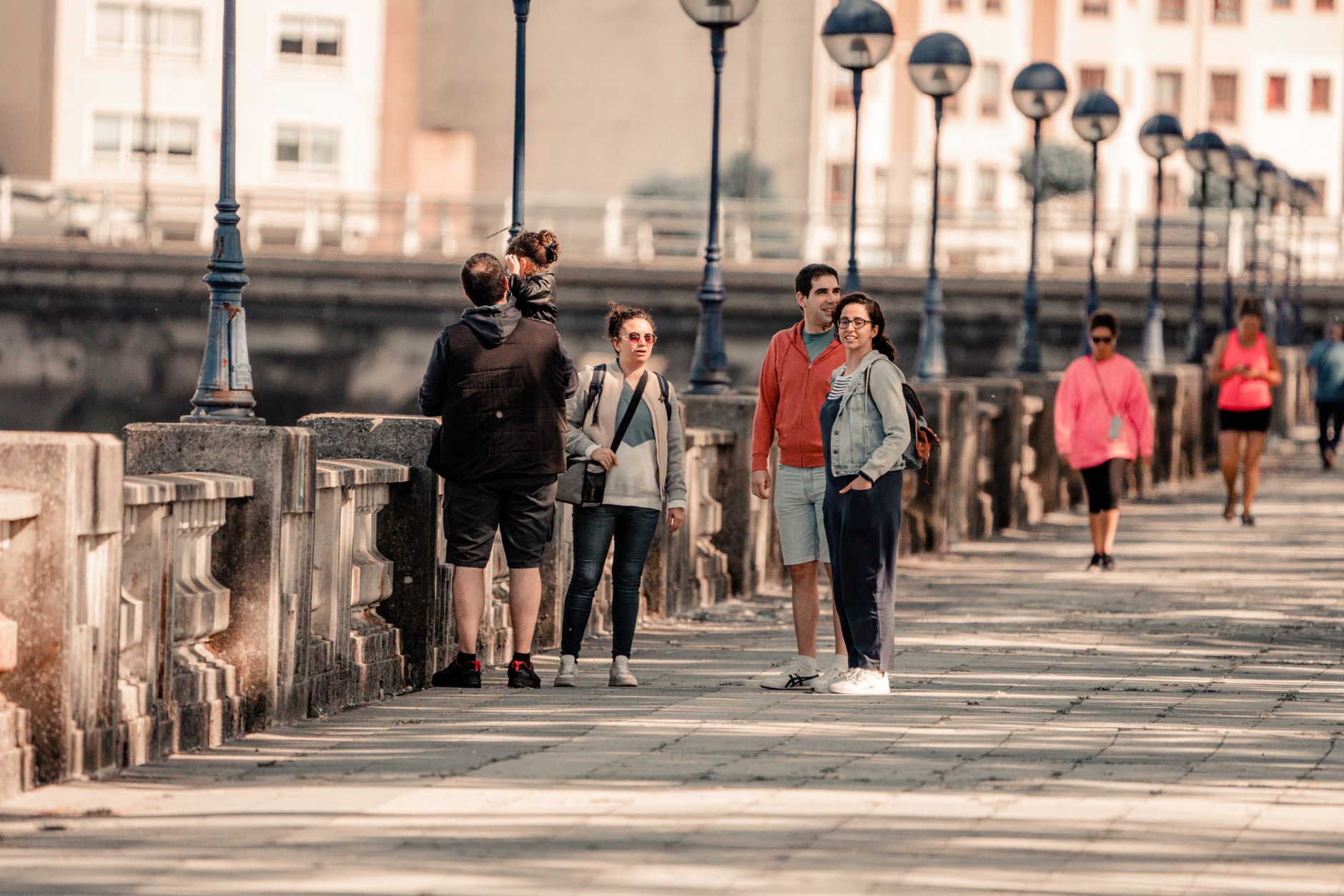
The name gives it away before you arrive: Perros-Guirec means 'head of the promontory' in Breton, and the town earns that description at every turn. The coastline here is made of pink granite — properly pink, not a polite blush — sculpted over 300 million years into shapes that look arranged rather than geological. Thirteen kilometres of it, running past three sandy beaches and out to a seven-island archipelago that doubles as one of France's largest bird sanctuaries.
The town sits on the Côte de Granit Rose in northern Brittany, and the same stone that forms the shoreline was quarried to build the seafront villas and manors. Joseph Conrad lived here for several years, writing maritime fiction while the Atlantic light did whatever it does to people who arrive and stay longer than planned.
💛 What travellers fall for
People who return tend to walk the coastal path from Trestraou beach around to the fishing village at Ploumanac'h, then linger at Galerie Stephan — open for 46 years and still run by Mme Marie Stephan. Trestrignel beach is quieter and windier than Trestraou; most visitors learn this on day two and prefer it on day three.
Experiences you don't want to miss


Deals in Perros-Guirec
Book directly at the provider
How Perros-Guirec came to be
Perros-Guirec detached from the parish of Pleumeur-Bodou in the 12th century and fell within the diocese of Tréguier. Its oldest visible layer is religious: the 14th-century Chapelle Saint-Guirec, built over an ancient pagan stele, honours a 6th-century Welsh monk who crossed to Celtic Brittany seeking to found a monastery. The Chapelle Notre-Dame-de-la-Clarté followed in 1445, at the height of Breton religious building.
The town's second transformation came at the end of the 19th century, when the railroad arrived and Perros-Guirec became a resort. Painters followed — Maurice Denis kept a villa at Trestrignel — and Ernest Renan was behind the idea of building the Grand Hotel at Trestraou. The pink granite that had always been underfoot became, in that era, something worth travelling to see.
Who and what shaped it
People who shaped it
Landmark buildings
See Perros-Guirec in motion
Plan your visit
On the map
When to go
The climate is oceanic and genuinely mild year-round, with August averaging 17°C and sea temperatures peaking around 17°C the same month — cool enough that a wetsuit is reasonable outside July and August. December is the wettest month; July is the driest, though 'dry' in northern Brittany still means a jacket in your bag.
Right now
Background & history adapted from Wikipedia (CC BY-SA) · specs from Wikidata (CC0) · weather from Open-Meteo · map data © OpenStreetMap contributors · photos from Wikimedia Commons / Unsplash with per-image credit. No third-party reviews or social posts reproduced.