
Périgueux
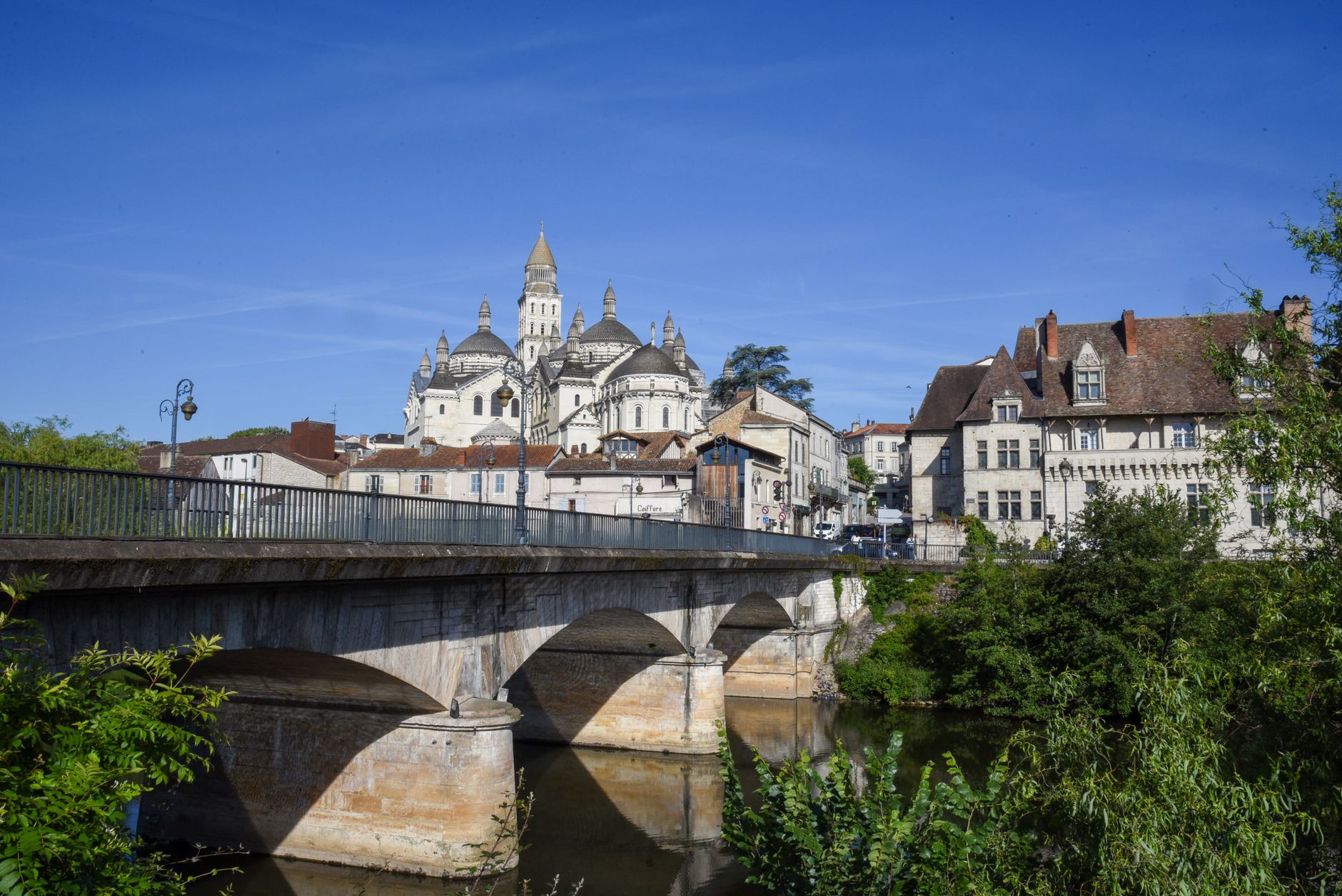
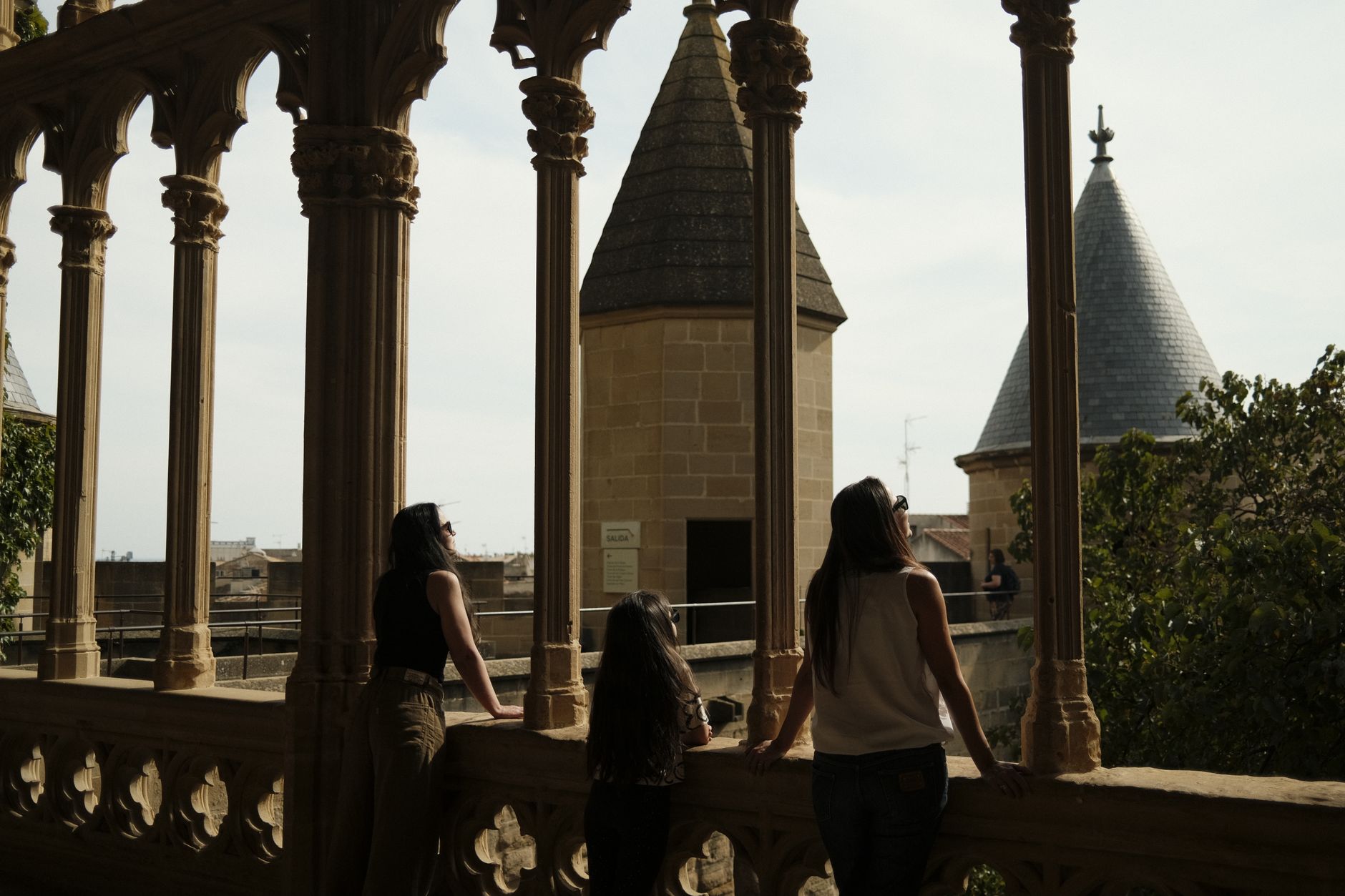
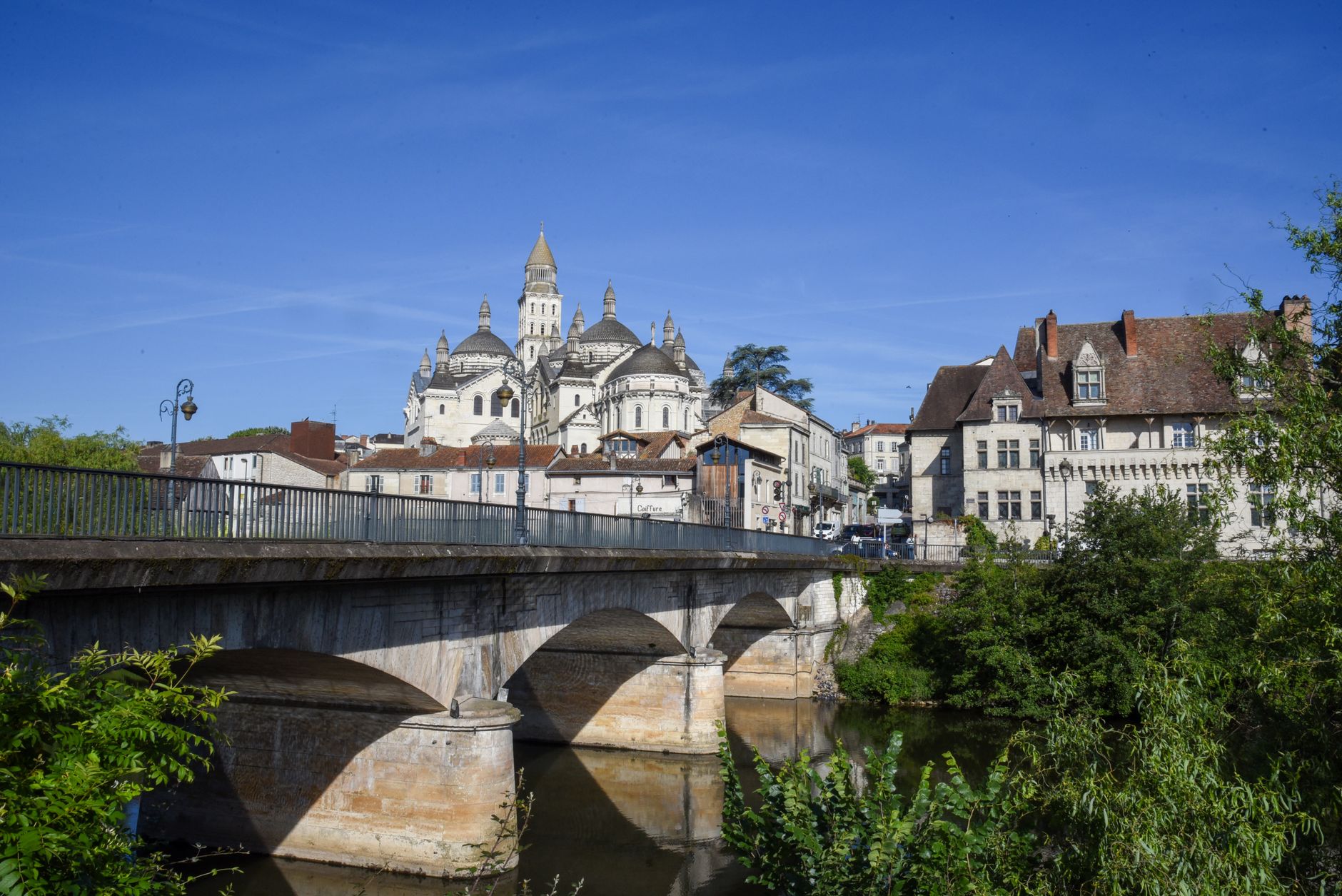
Stand on the Place Francheville and you're standing on a city that has been rebuilt, renamed and reinvented at least three times. Périgueux began as a Gaulish settlement, became a Roman provincial capital called Vesunna, burned, shrank, split into two rival towns for centuries, and finally merged into one in 1240. That layered past is not metaphor — it's physically present, in a 27-metre Roman tower that still stands in a public garden, and in a cathedral whose five Byzantine domes rise over rooftops that belong to a different millennium entirely.
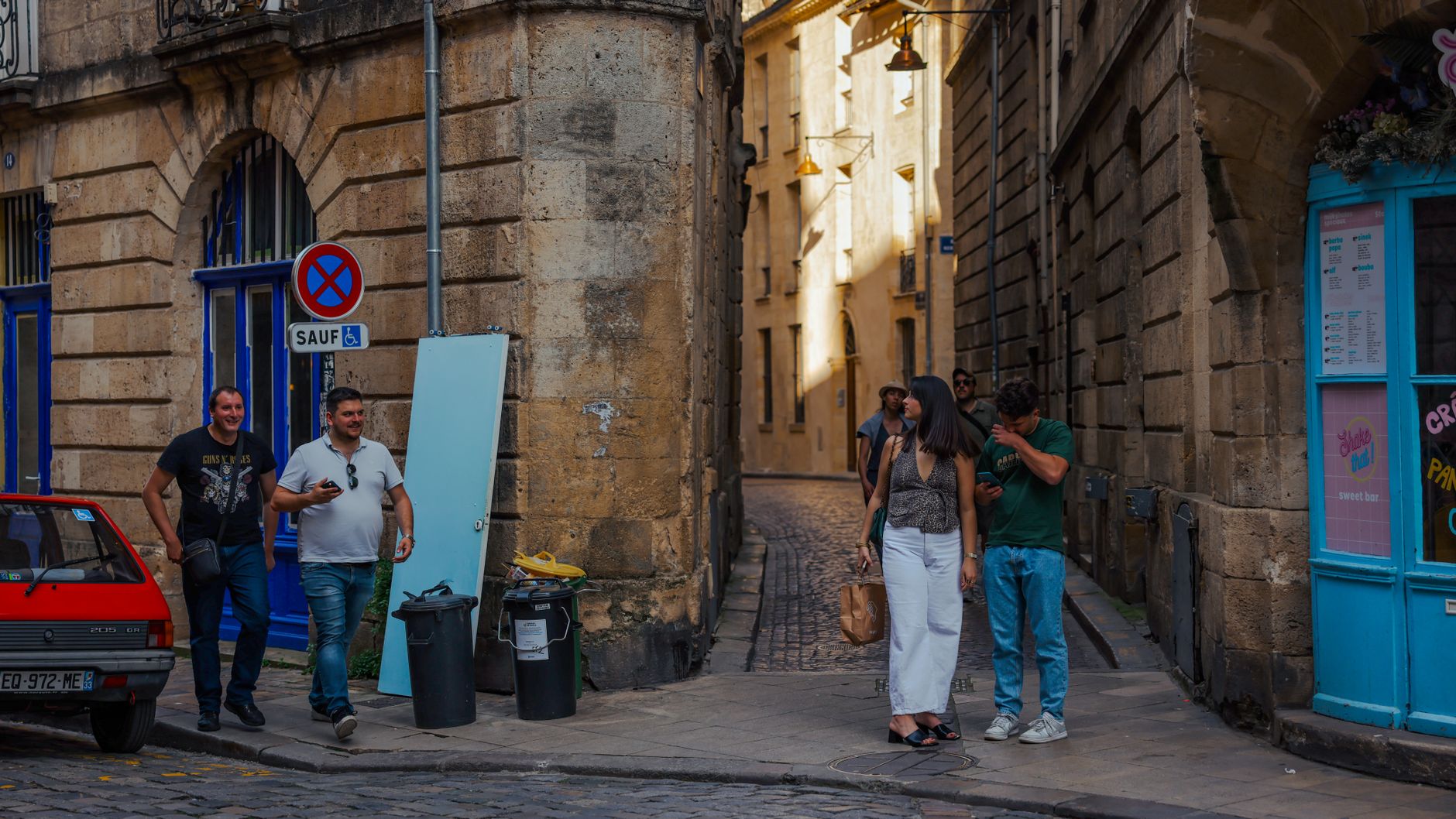
The medieval centre is compact enough to cover on foot in a morning, but the details reward a slower pace: the Gallo-Roman walls embedded in the base of Château Barrière, the Wednesday and Saturday markets where winter brings foie gras, truffle and pâté de Périgueux straight from local producers.
💛 What travellers fall for
People who come back tend to time a return visit around the winter Marchés au gras — the fat markets — when the old town smells of truffle and the stalls are stacked with duck confit and whole foie gras lobes. The Vesunna Museum, Jean Nouvel's glass pavilion built over a Roman excavation, also earns a second visit; you see different things once you know what you're looking at.
Experiences you don't want to miss

Deals in Périgueux
Book directly at the providerHow Périgueux came to be
Around 16 BC the Romans formalised what the Petrocorii tribe had already begun, founding Vesunna as the administrative capital of their civitas in the province of Aquitania. The city prospered — the temple tower dating to around 2 AD still stands — until the barbarian invasions reduced it to rubble around 410. What survived became the episcopal Cité; a separate merchant quarter, Puy-Saint-Front, grew up nearby from the 10th century onward.
For a time the two towns coexisted in friction just a few hundred metres apart. A treaty in 1240 finally united them as Périgueux. The cathedral of Saint-Front, begun in the 12th century on a site of worship reaching back to the 6th, was radically restored from 1852 by local architect Paul Abadie — a project that ran for fifty years and shaped the skyline visitors still read today.
Who and what shaped it
People who shaped it
Landmark buildings
See Périgueux in motion
Plan your visit
On the map
When to go
Summers in Périgueux are warm and dry, good for walking the old town without a coat. Spring and autumn are mild and quieter. Winter is cool but rarely severe, and it's the season the food markets — particularly the truffle and foie gras trade — are at their best.
Right now
Background & history adapted from Wikipedia (CC BY-SA) · specs from Wikidata (CC0) · weather from Open-Meteo · map data © OpenStreetMap contributors · photos from Wikimedia Commons / Unsplash with per-image credit. No third-party reviews or social posts reproduced.