
Peñafiel
Stand at the base of Peñafiel's ridge and the castle above you makes immediate sense — a long, narrow hull of Campaspero stone riding the hilltop like a ship run aground on the Castilian plain. It stretches more than 200 metres from stem to stern, barely 35 metres wide, and locals have called it the Ship of Castile for as long as anyone can remember.
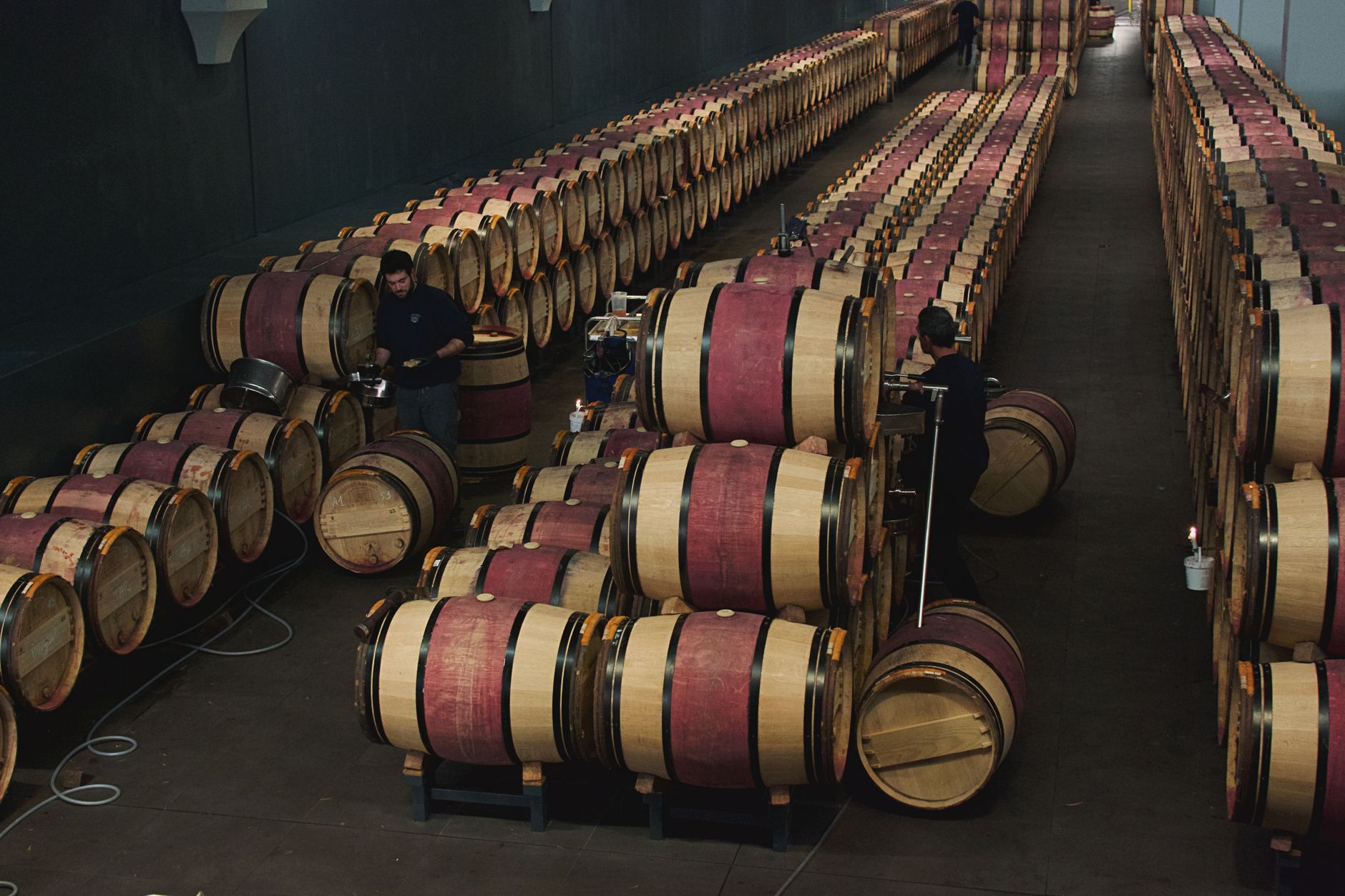
Below the ridge, the medieval Plaza del Coso still holds its original shape: a square ringed by houses whose windows and balconies were once auctioned off to the highest bidder on bullfight days. The caves hollowed into the castle hill, some running 200 metres deep, now age the wines of the Ribera del Duero instead of sheltering soldiers.
💛 What travellers fall for
People who come back tend to time their visit for a weekend, when free coaches run up the castle access road and spare you the climb. The €9.20 ticket with a guided tasting is the one worth taking — the wine museum inside the keep is genuinely well-curated, and the tasting grounds you in what the surrounding vineyards actually produce.
Experiences you don't want to miss



Deals in Peñafiel
Book directly at the providerHow Peñafiel came to be
The rock above Peñafiel was already a defensive site before Rome arrived. Its first documented fortress appears in 943, under Ramiro II of León, and the following centuries brought the usual Castilian rhythm of siege, loss, and reconquest — Almanzor's troops took it in 983; the Castilian count Sancho García retook it in 1013 and gave it the name Peñafiel, from Peña Falcón, latinised as Penna Fidele: loyal rock.
The castle's present form owes most to Infante Don Juan Manuel, one of the wealthiest lords in 14th-century Castile and a significant medieval writer, who rebuilt the fortress and its walled enclosure in the first half of the 1300s. In 1421 the keep served as birthplace to Charles, Prince of Viana, son of Blanche I of Navarre. Declared a National Monument in 1917, the castle was restored between 1966 and 1973 and has housed the Provincial Wine Museum since 1999.
Who and what shaped it
People who shaped it
Landmark buildings
See Peñafiel in motion
Plan your visit
On the map
When to go
Peñafiel runs cold and clear in winter — January highs barely reach 8°C — and genuinely warm in July, when afternoons can touch 29°C with low humidity. May and September are the easiest months to be on foot, with mild days and the vineyards in active, photogenic form.
Right now
Background & history adapted from Wikipedia (CC BY-SA) · specs from Wikidata (CC0) · weather from Open-Meteo · map data © OpenStreetMap contributors · photos from Wikimedia Commons / Unsplash with per-image credit. No third-party reviews or social posts reproduced.