
Pau
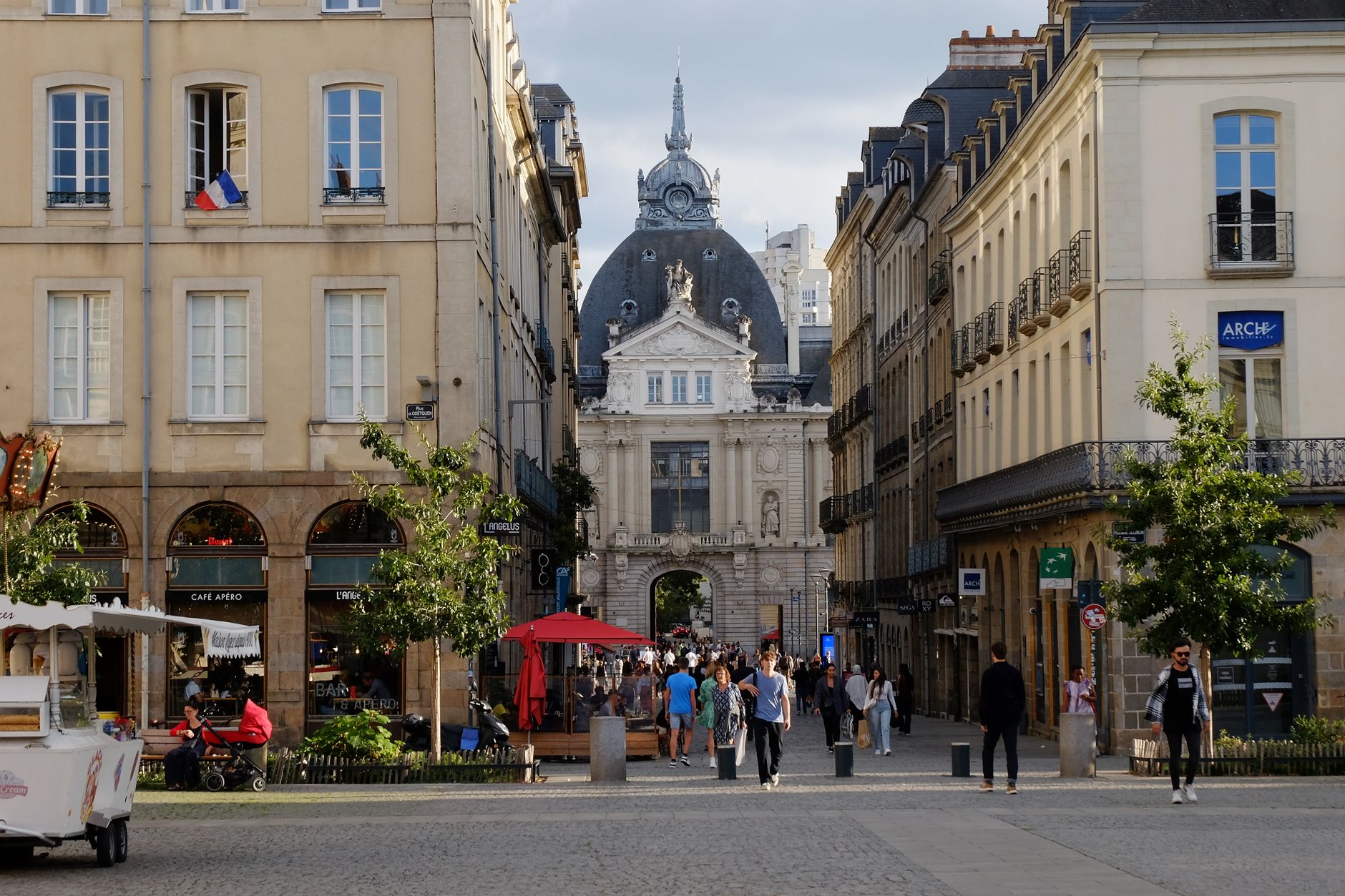
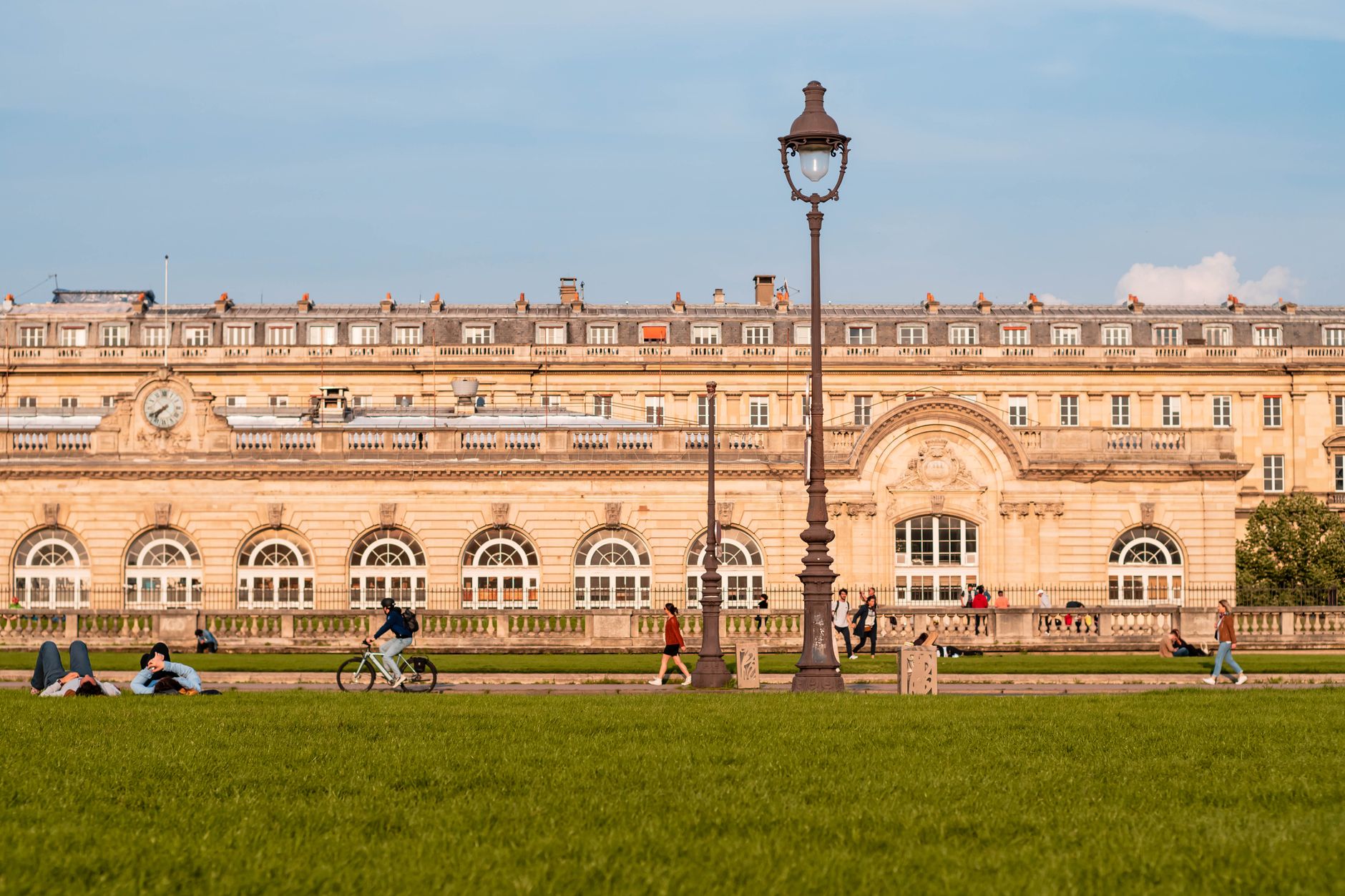
Stand on the Boulevard des Pyrénées on a clear morning and the full chain of the Pyrenees — a hundred and fifty kilometres of it — sits across the horizon like a held breath. That view alone explains why nineteenth-century Europe's wealthy invalids and adventurers converged here, and why the Wright brothers chose Pau in 1909 to open the world's first flight school, watching the mountains for wind.
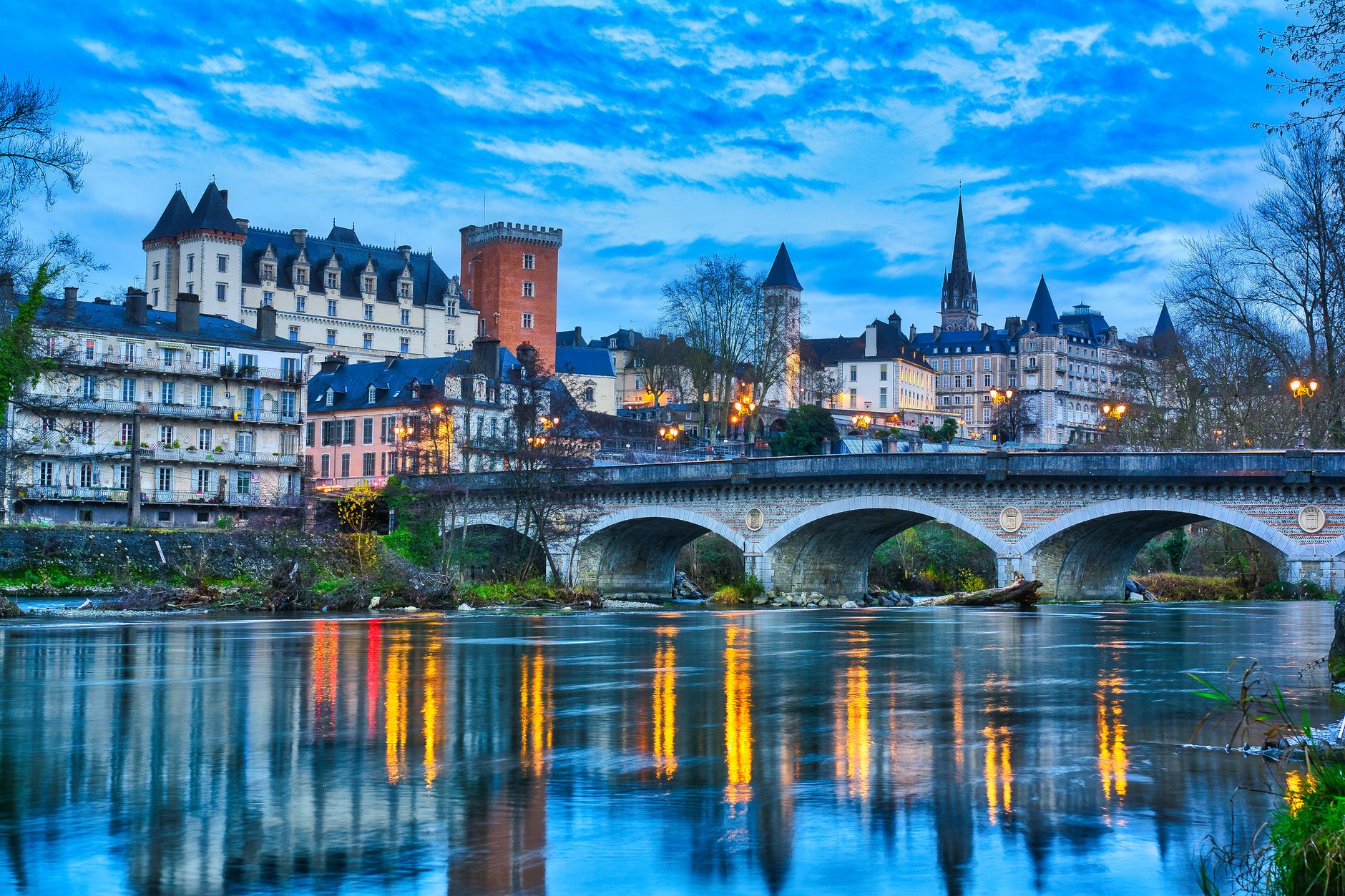
The city climbs a ridge above the Gave de Pau river, its old castle at one end of the boulevard and the Parc Beaumont at the other. It was a capital before it was a resort, and that layering — medieval Béarn, Bourbon monarchy, English winter colony, industrial gas boom — gives Pau a texture that takes a little time to read.
💛 What travellers fall for
People who come back tend to mention the funicular unprompted — free, running every three minutes on weekdays, connecting the train station in the valley to the city above. It's a small thing that removes all friction. They also mention the Musée des Beaux Arts quietly holding a Degas that once caused a stir, and the Château's tapestry rooms, which reward a slow circuit.
Experiences you don't want to miss





Deals in Pau
Book directly at the provider

How Pau came to be
Pau began as a strategic outpost: a 12th-century castle built by the lords of Béarn to watch the Gave river below. In 1464 it replaced Orthez as the capital of Béarn, and by the early 16th century the Château had become the seat of the Kings of Navarre. Henry IV was born here in 1553; his mother, Jeanne d'Albret, governed her lands from the city and made it a serious intellectual centre. Gaston Fébus, the formidable Viscount of Béarn, had already given the old fortress its brick keep a century and a half earlier.
In 1620, Louis XIII folded Béarn into France and established the Parliament of Navarre in the city. Two and a half centuries later, the railway arrived (1863), and Pau reinvented itself as a destination for wealthy northern Europeans seeking mild winters. The Palais Beaumont followed in 1900, built at the direct request of those foreign residents. Then came the Wright brothers' flight school in 1909, and the discovery of natural gas at nearby Lacq in 1951 — each chapter arriving, it seems, from a completely different story.
Who and what shaped it
People who shaped it
Landmark buildings
See Pau in motion
Plan your visit
On the map
When to go
May through October is the most reliable window, with warm temperatures and a better chance of the Pyrenees sitting clear on the horizon. Summer brings peak warmth, though the mountains can generate their own weather quickly.
Right now
Background & history adapted from Wikipedia (CC BY-SA) · specs from Wikidata (CC0) · weather from Open-Meteo · map data © OpenStreetMap contributors · photos from Wikimedia Commons / Unsplash with per-image credit. No third-party reviews or social posts reproduced.