
Parintins
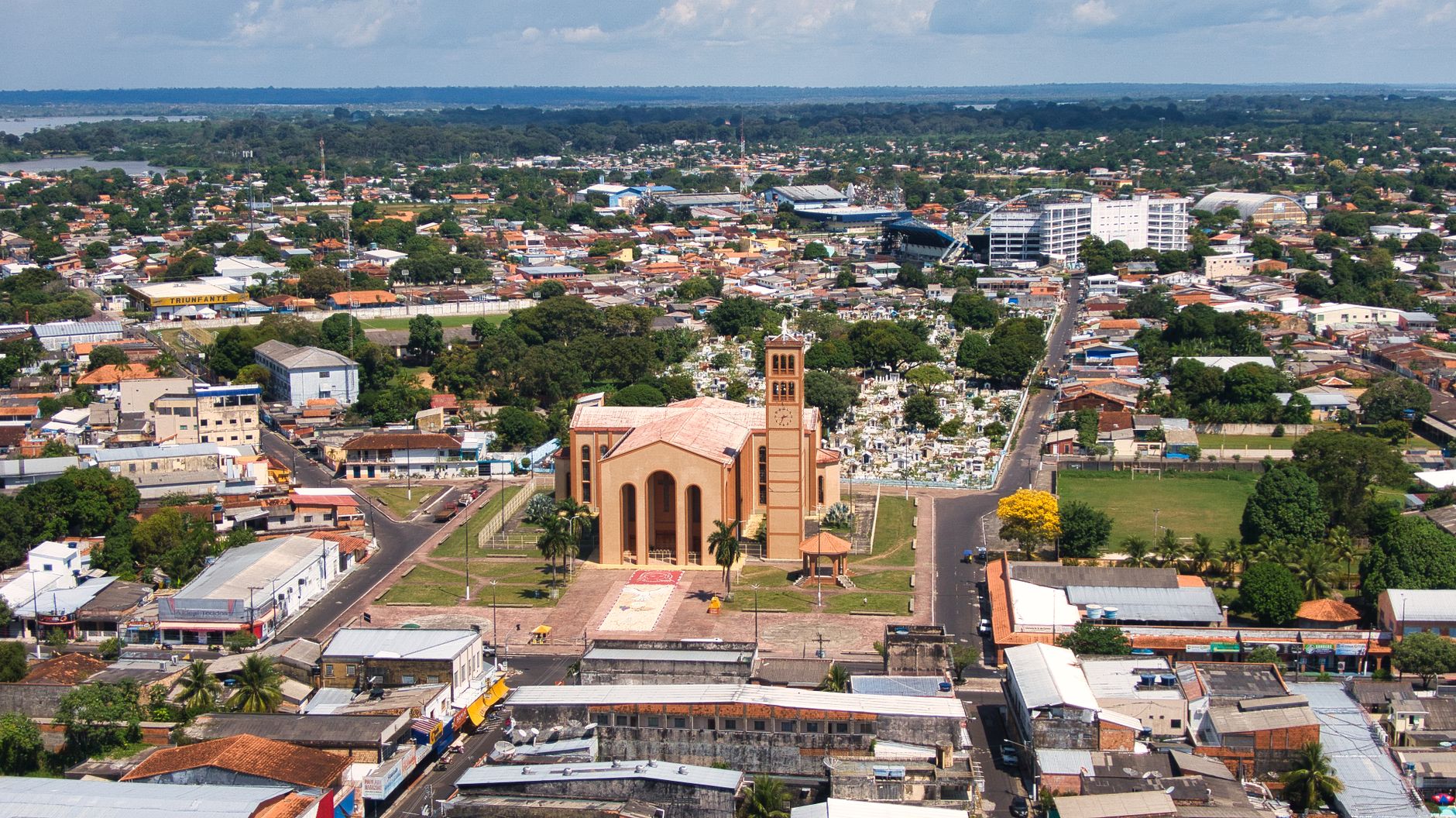
Parintins sits on an island in the Amazon River — no roads in, no roads out — and the river is not a detail here but the whole logic of the place. Everything arrives by water or air, and the city's rhythms follow accordingly. For eleven months of the year it moves at the pace of a river town: a market spilling onto the waterfront, small shops along Avenida Amazonas, the Cathedral of Nossa Senhora do Carmo rising above the roofline.
Then, on the last weekend of June, the Bumbódromo fills with 35,000 people and the city splits cleanly into red and blue — two folkloric ox teams, two sets of supporters, one of the largest popular festivals in Brazil.
💛 What travellers fall for
People who return always mention the Coca-Cola signs: on Tupinambarana island, the brand runs its ads in blue to avoid offending the red team's rivals. Come for the festival and book your hammock berth on a Manaus riverboat early — those floating berths sell out and double as your hotel, docked right at the port.
Deals in Parintins
Book directly at the provider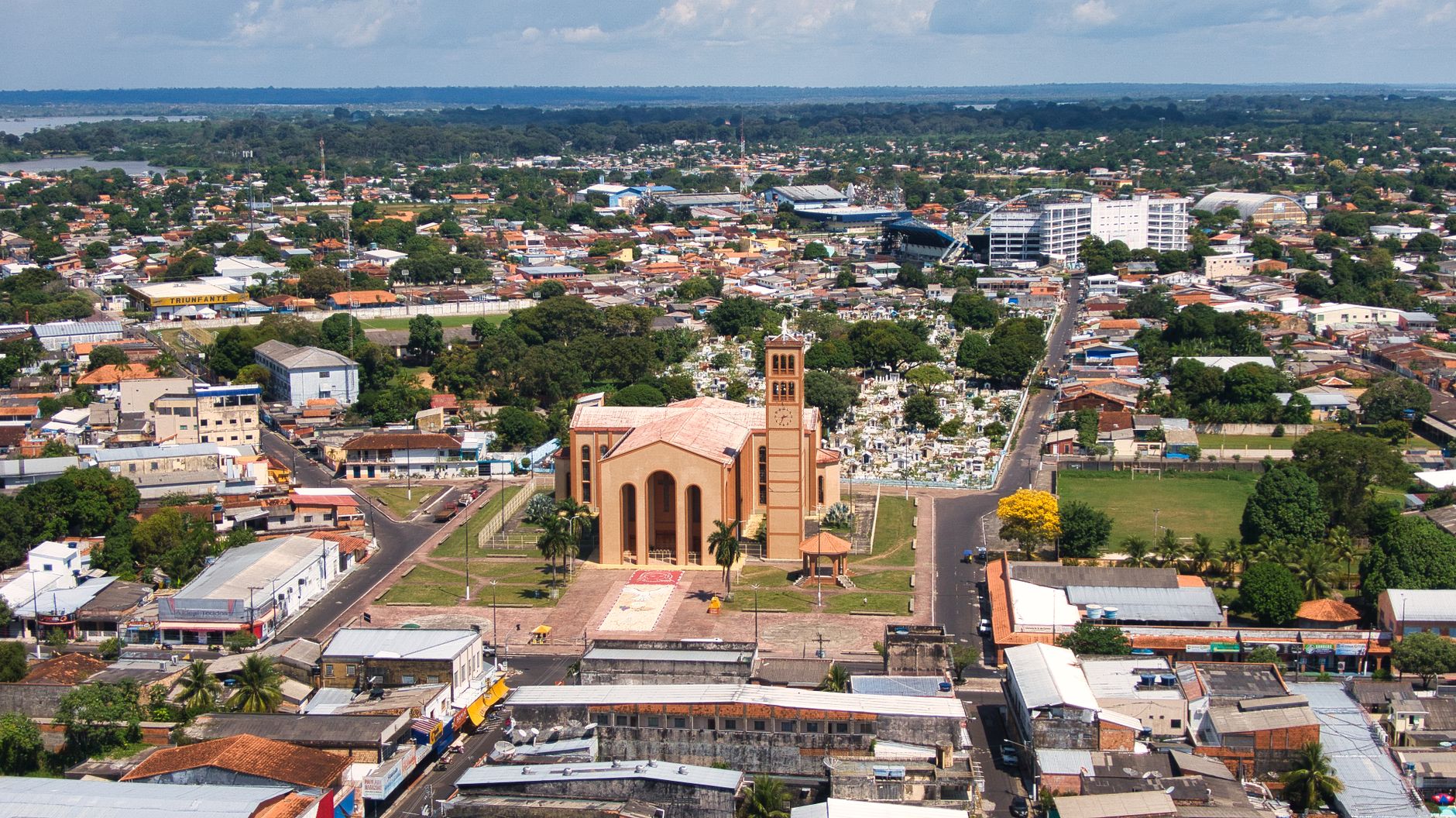
How Parintins came to be
A Portuguese explorer, José Gonçalves da Fonseca, noted the island in 1749, but the town's actual foundation came in 1796 when José Pedro Cordovil arrived with enslaved workers to fish arapaima and farm the land. Queen Maria I granted him the island, and the settlement took the name Tupinambarana. In 1803 it was elevated to a religious mission under Friar José das Chagas and renamed Vila Nova da Rainha.
Provincial law confirmed its status as a municipality on 15 October 1852, and it was formally installed the following March. The name Parintins came in 1880, adopted from the indigenous people who had long inhabited the island before Cordovil's arrival.
Who and what shaped it
People who shaped it
Landmark buildings
See Parintins in motion
Plan your visit
On the map
When to go
January through May brings persistent rain — March and April can see nearly a month's worth of rainy days back to back. From June onward the skies clear considerably, and August through September are the driest months, though the heat intensifies: daily highs regularly push above 33°C by October.
Right now
Background & history adapted from Wikipedia (CC BY-SA) · specs from Wikidata (CC0) · weather from Open-Meteo · map data © OpenStreetMap contributors · photos from Wikimedia Commons / Unsplash with per-image credit. No third-party reviews or social posts reproduced.