
Palm Cove
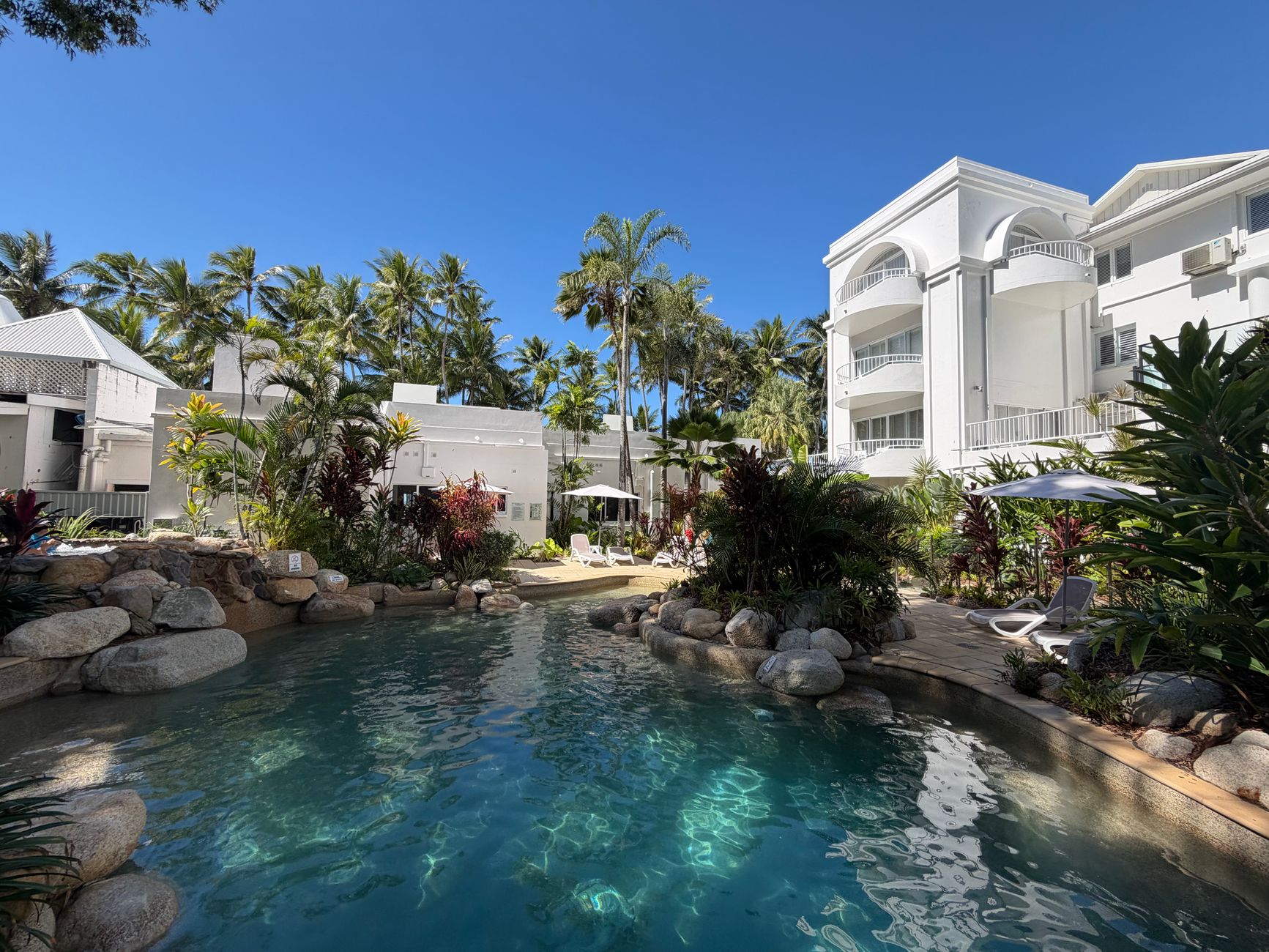
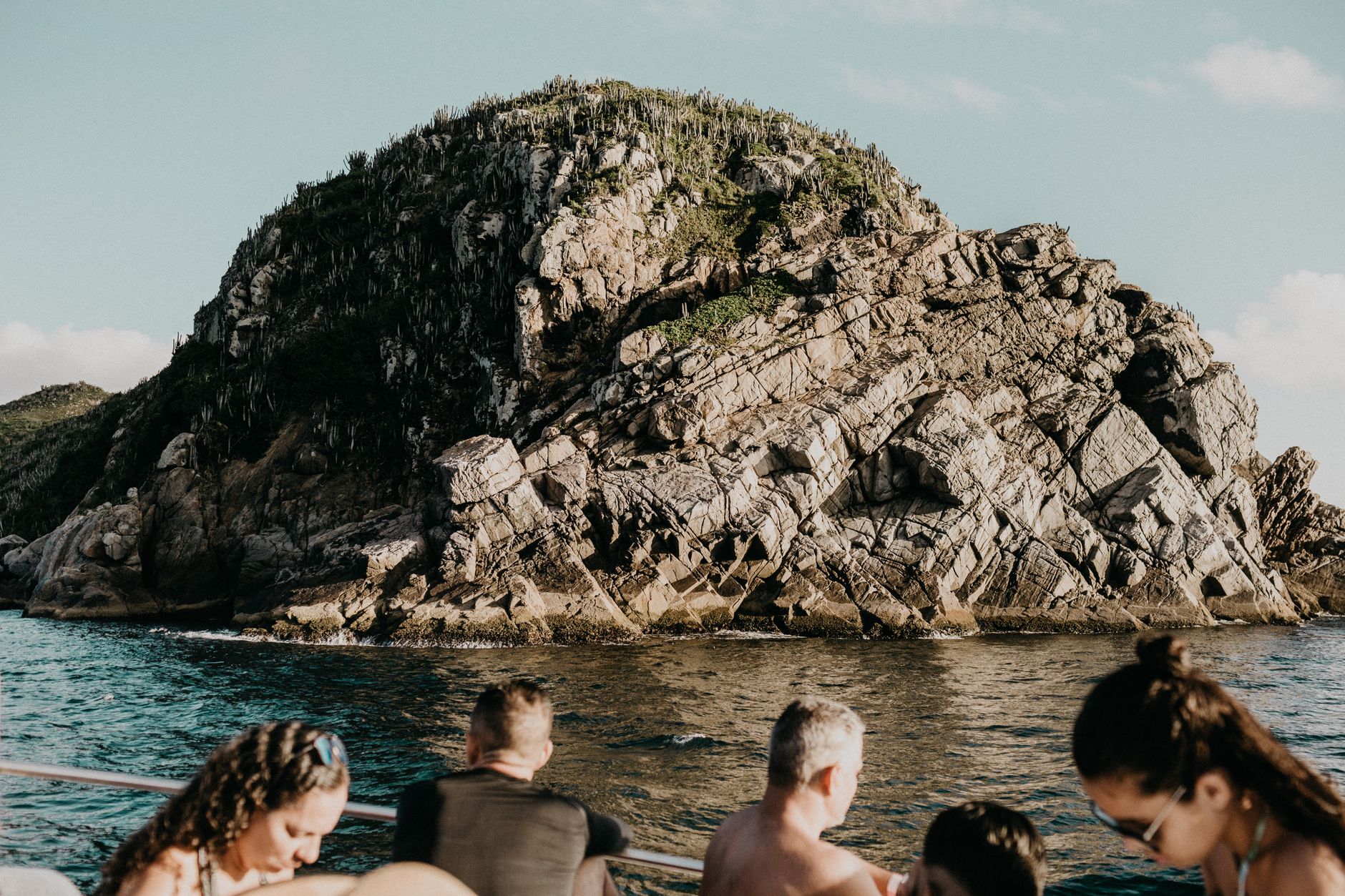
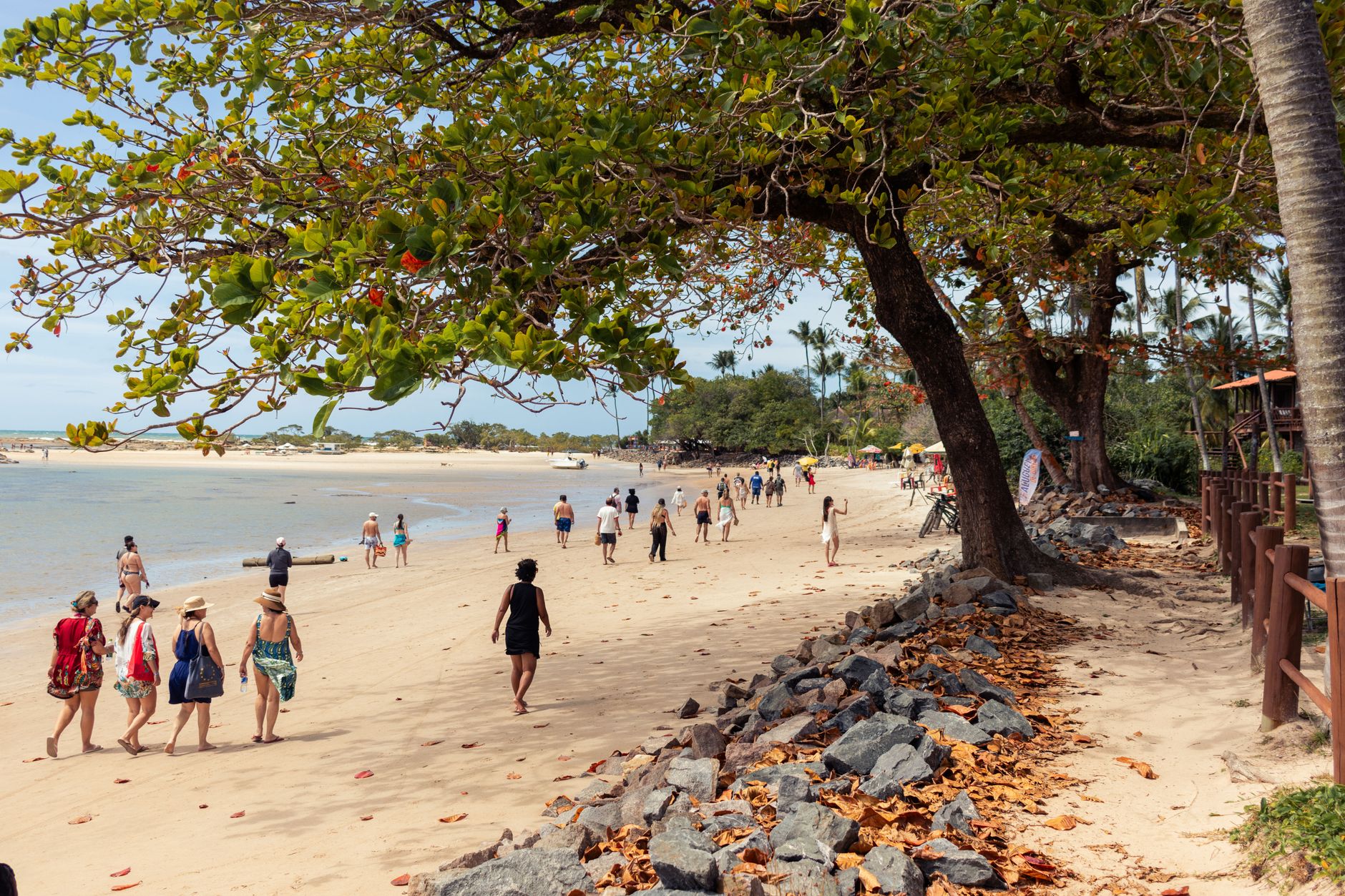
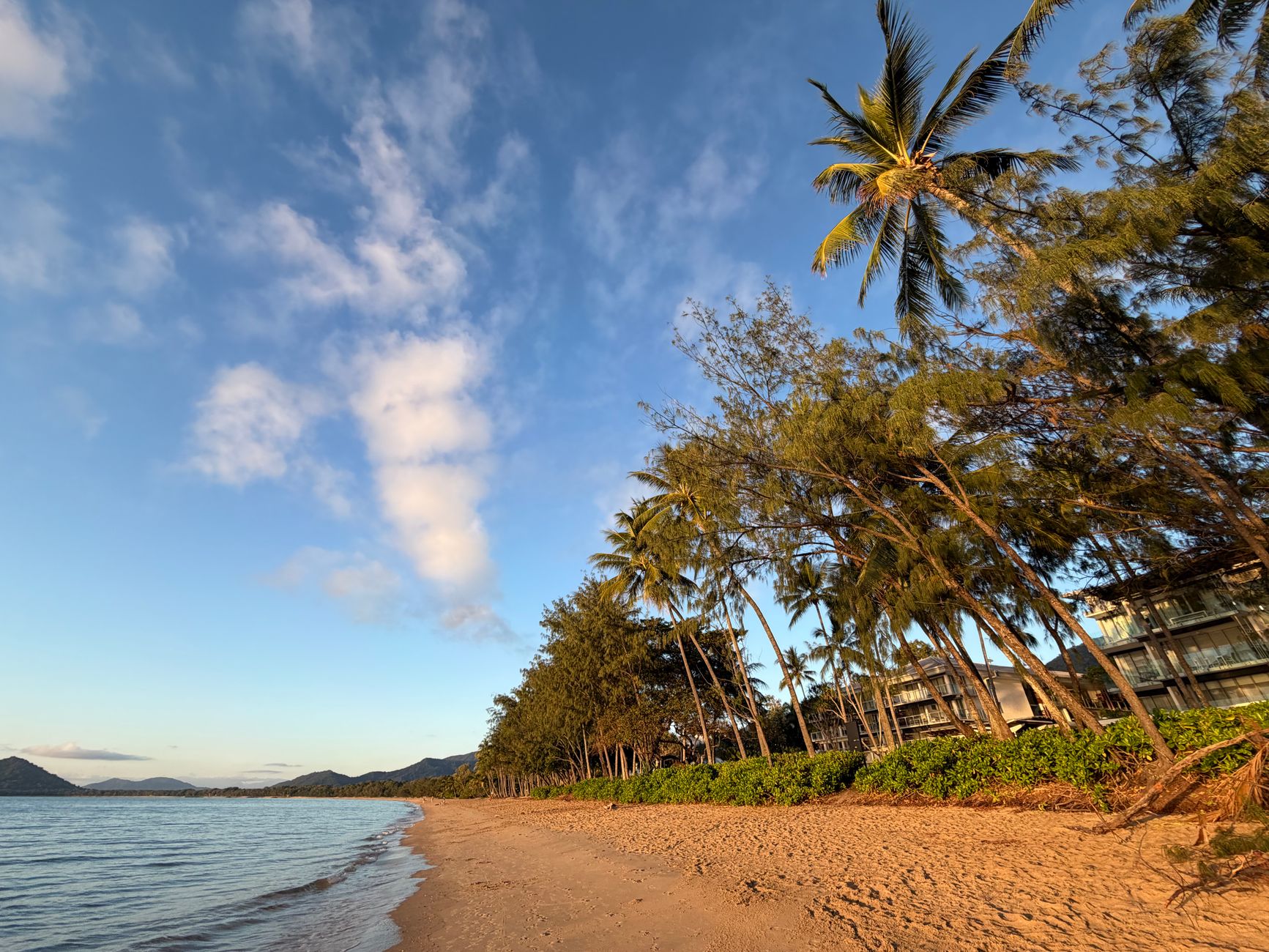
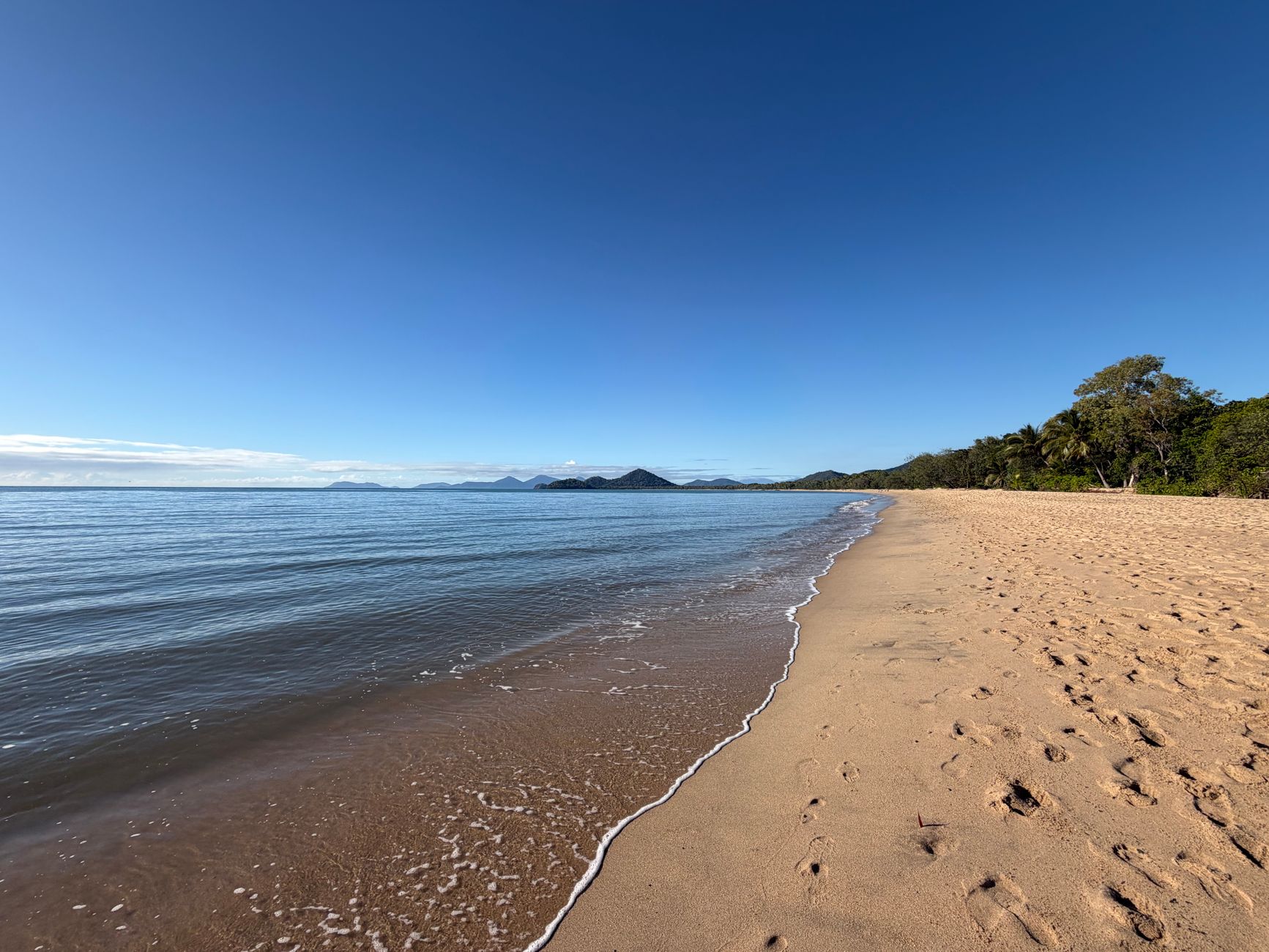
The melaleuca trees along Williams Esplanade are the first thing worth stopping for — some of them have been standing for over 500 years, their papery bark peeling in layers above the café tables below. The beach itself runs for two kilometres of pale sand, clean enough to have collected awards for it, with Double Island sitting low on the water about 1.5 kilometres offshore.
Palm Cove is small by design. There is one esplanade, a jetty for fishing, a rocky headland called Buchan Point to the north, and enough restaurants to anchor a few slow evenings. It functions as a place to arrive at and stay in, not a base for ticking things off.
💛 What travellers fall for
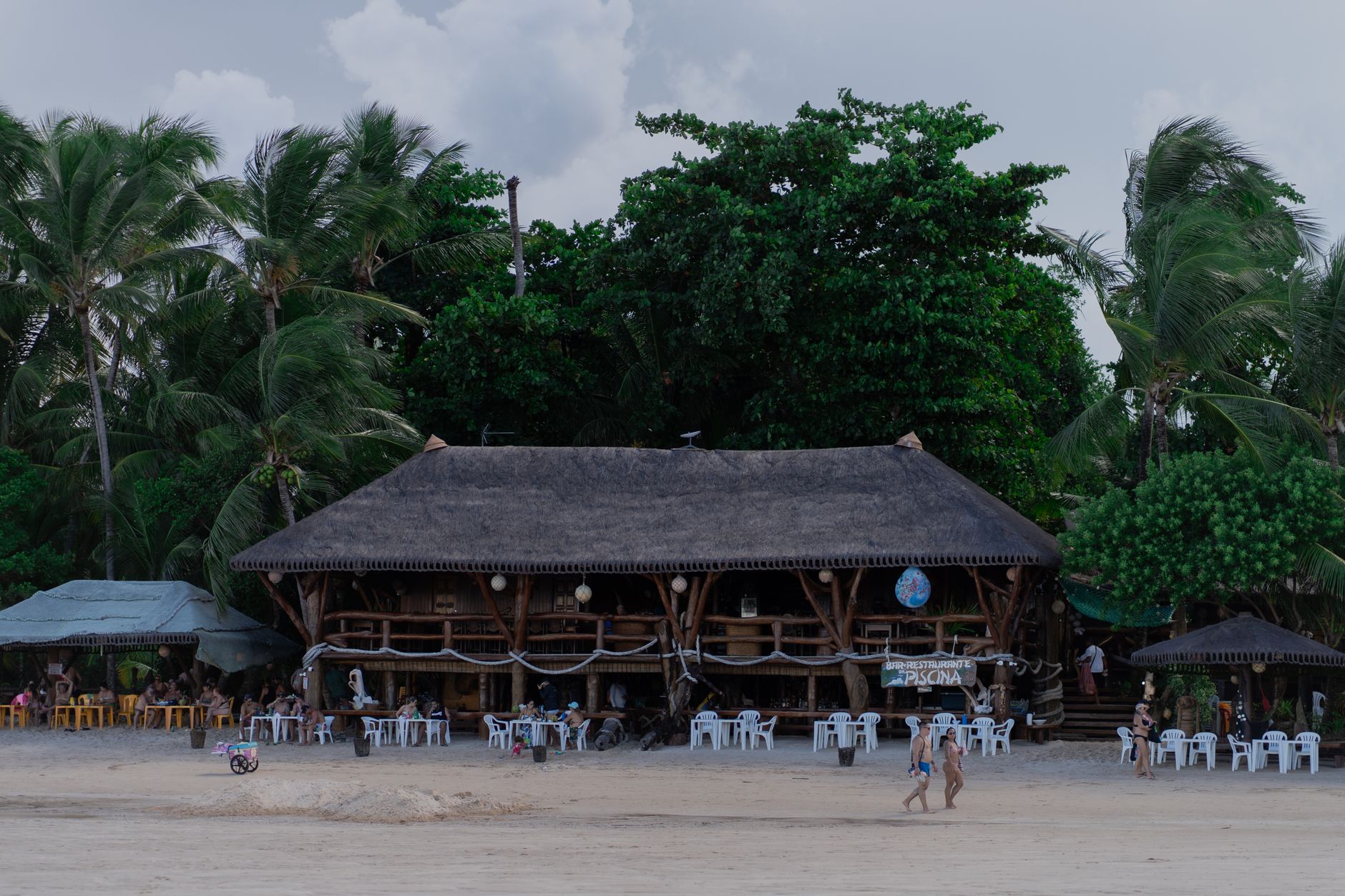
People who come back tend to eat at Nu Nu on Veivers Road at least once — the hatted kitchen does modern Australian food right on the sand. Sunday afternoons at Ellis Beach Bar & Grill pull in the $1 oyster crowd. Kayak out to Double Island early, before the wind picks up. The esplanade is best walked at dusk, when the old melaleucas go gold.
Deals in Palm Cove
Book directly at the provider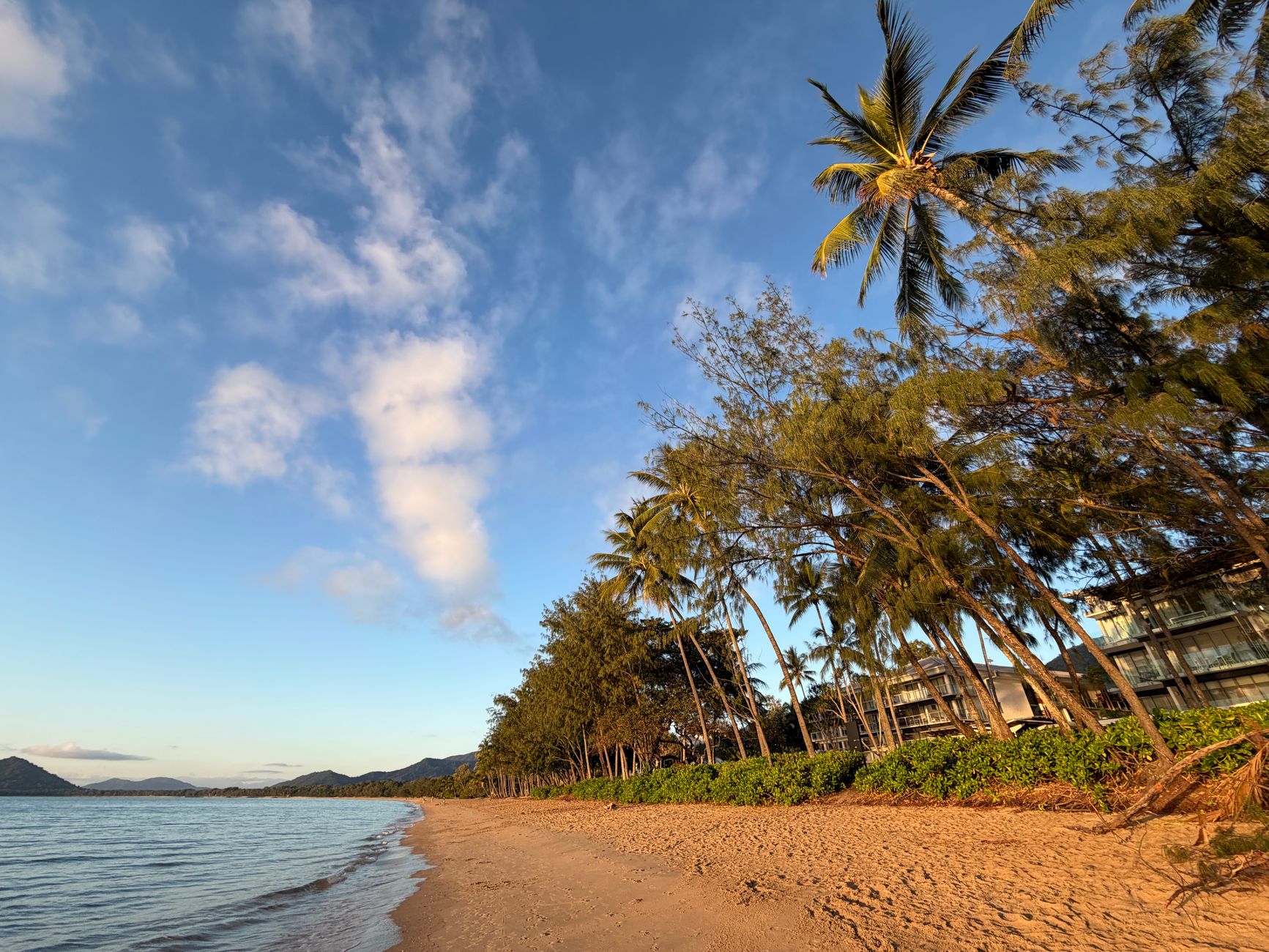
How Palm Cove came to be
The land around Palm Cove sits within Djabugay country. The first recorded British visit came in 1873, when a coastal expedition led by George Elphinstone Dalrymple passed through. For decades after, the area remained largely undeveloped — Archdeacon Campbell, a Cairns churchman who had been experimenting with agricultural crops on the land, sold roughly 200 acres to Albert Veivers in 1918. The Veivers family cut the first access road through in the 1920s, and the suburb's main street still carries their name.
During the Second World War, the area served as a training base for Australian soldiers. Afterwards, visitor numbers rose steadily. A Cairns bookmaker built the original Reef House in 1958 as a family home; it later opened as a boutique hotel. The arrival of the Ramada Reef Resort in 1986 marked the moment Palm Cove entered the international tourism circuit.
Who and what shaped it
People who shaped it
Landmark buildings
See Palm Cove in motion
Plan your visit
On the map
When to go
The dry season, May through October, brings sunny days, low rainfall, and sea temperatures around 24°C — the most straightforward time to visit. The wet season, November through April, is hotter and occasionally stormy, with February averaging close to 290 mm of rain, though the heat stays consistent and the landscape turns lush.
Right now
Background & history adapted from Wikipedia (CC BY-SA) · specs from Wikidata (CC0) · weather from Open-Meteo · map data © OpenStreetMap contributors · photos from Wikimedia Commons / Unsplash with per-image credit. No third-party reviews or social posts reproduced.